Chiesa dell’Assunta: A Baroque Capuchin Church in Lipari, Italy
Site at a Glance
- Popularity
- Very Low
- Country
- Italy
- Primary era
- Early Modern
- Eras represented
- Early Modern
- Civilizations
- Kingdom of Sicily, Spanish
- Site type
- Religious
- Remains
- Church
On this page16 sections
History
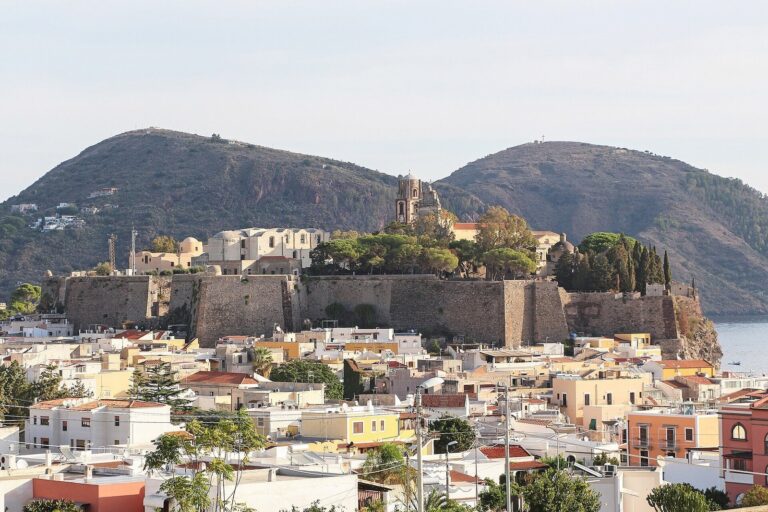
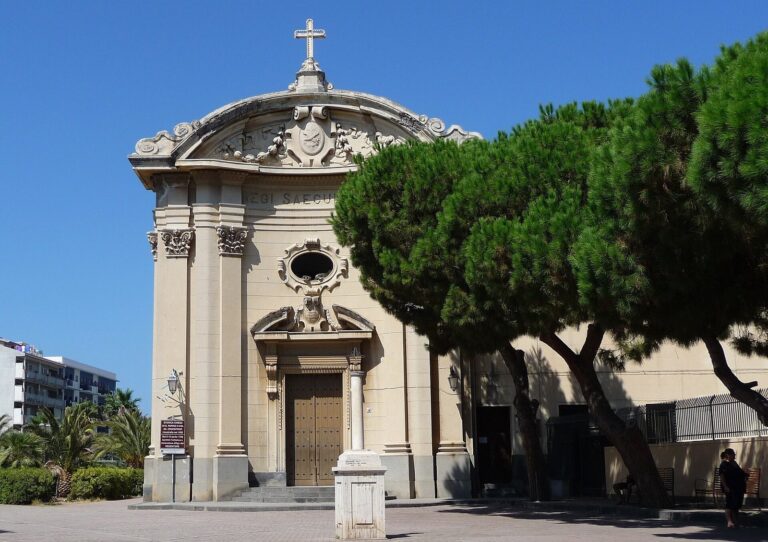
Chiesa dell’Assunta is a Baroque Catholic church in Lipari, Italy, dedicated to the Assumption of the Blessed Virgin Mary, the Catholic belief that Mary was taken into heaven body and soul. Also known as Chiesa dei Cappuccini, it is associated with the Capuchins, a branch of the Franciscan religious order, and belongs to the Archdiocese of Messina-Lipari-Santa Lucia del Mela.
The first Capuchin presence
In 1584, Bishop of Lipari Paolo Bellardito invited Capuchin friars to the island. They established a church dedicated to Saint Anthony of Padua and a convent under the title of the Immaculate Conception of the Blessed Virgin Mary. After a short stay at Sottomonastero, the friars left Lipari.
Return and convent establishment
A second convent for the city was built in 1644. The friars’ return and establishment at a second convent site followed in 1646 through the efforts of Agostino Candido. They received extensive farmland outside the city walls, on land where the municipal cemetery now lies. The community began with 13 friars and later grew to as many as 22, despite having no income.
Suppression and municipal changes
Following the suppression of religious orders in 1866, the friars were ordered to leave the convent. At the mayor’s request, the Fund for Buildings of Worship transferred it to the municipality in 1867. Part of the convent was demolished, although the friars continued to occupy a reduced area. A municipal cemetery opened in 1872 on adjoining land previously used for gardens and cultivation. The church’s final rector was the Capuchin Fedele da Lipari, whose pastoral care there continued until 1893.
Renewed use and later changes
The convent reopened in 1901, and around 1902 the friars were allowed to live in part of it and tend a neighboring garden. In 1904, devotion to Our Lady of Pompeii, a Catholic title for Mary linked to a devotional tradition centered on Pompeii, spread through the church and the Aeolian Islands. These islands lie north of Sicily, while Campania, with which the community had strong ties, is in southern Italy. In 1917, expecting that they might have to leave their municipally owned convent, the friars obtained the nearby church of Santa Lucia with plans to build a small convent beside it. From 1934, they also served the nearby parish of Porto Salvo.
The convent was definitively suppressed in 1977. Between 1978 and 2005, the municipality made rooms connected to the church available to families left homeless by the 1978 earthquake. In 2004, restoration work was carried out at the heritage authority’s direction, funded by the Fund for Buildings of Worship. The church’s use was granted to the archdiocese.
Remains
Church and convent
Church layout
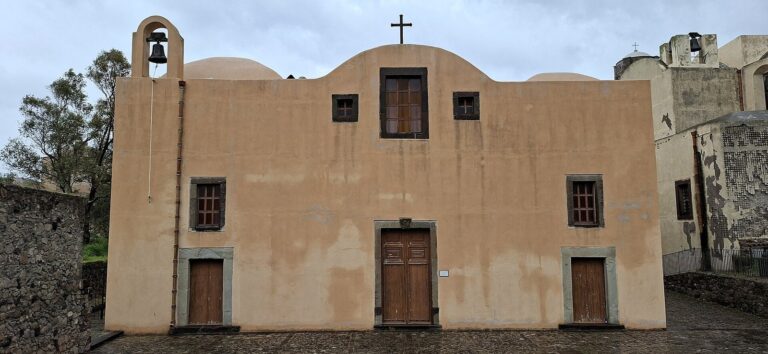
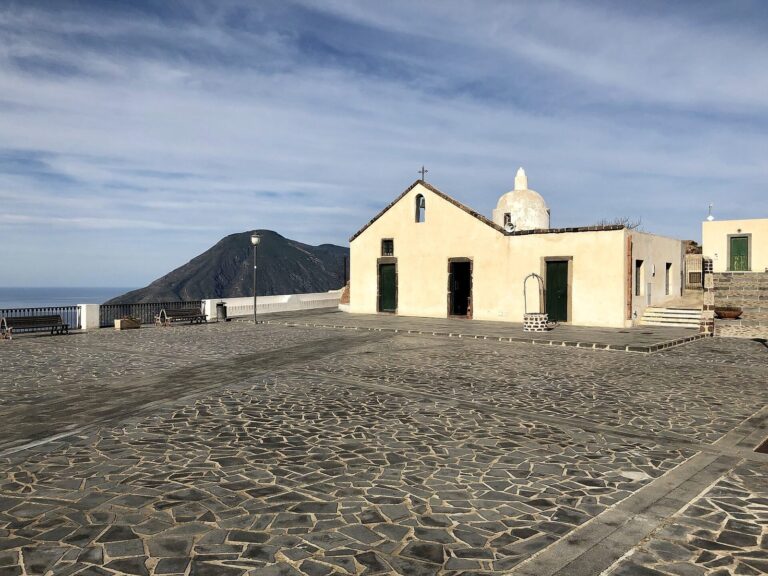
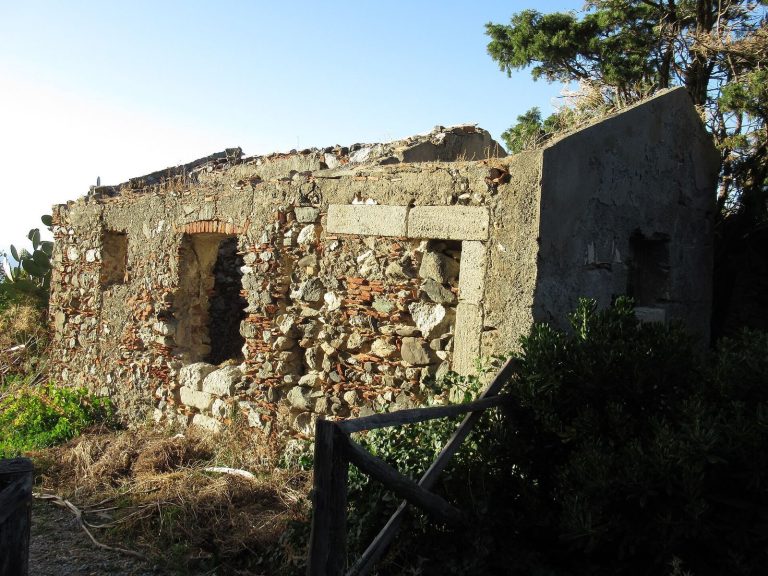
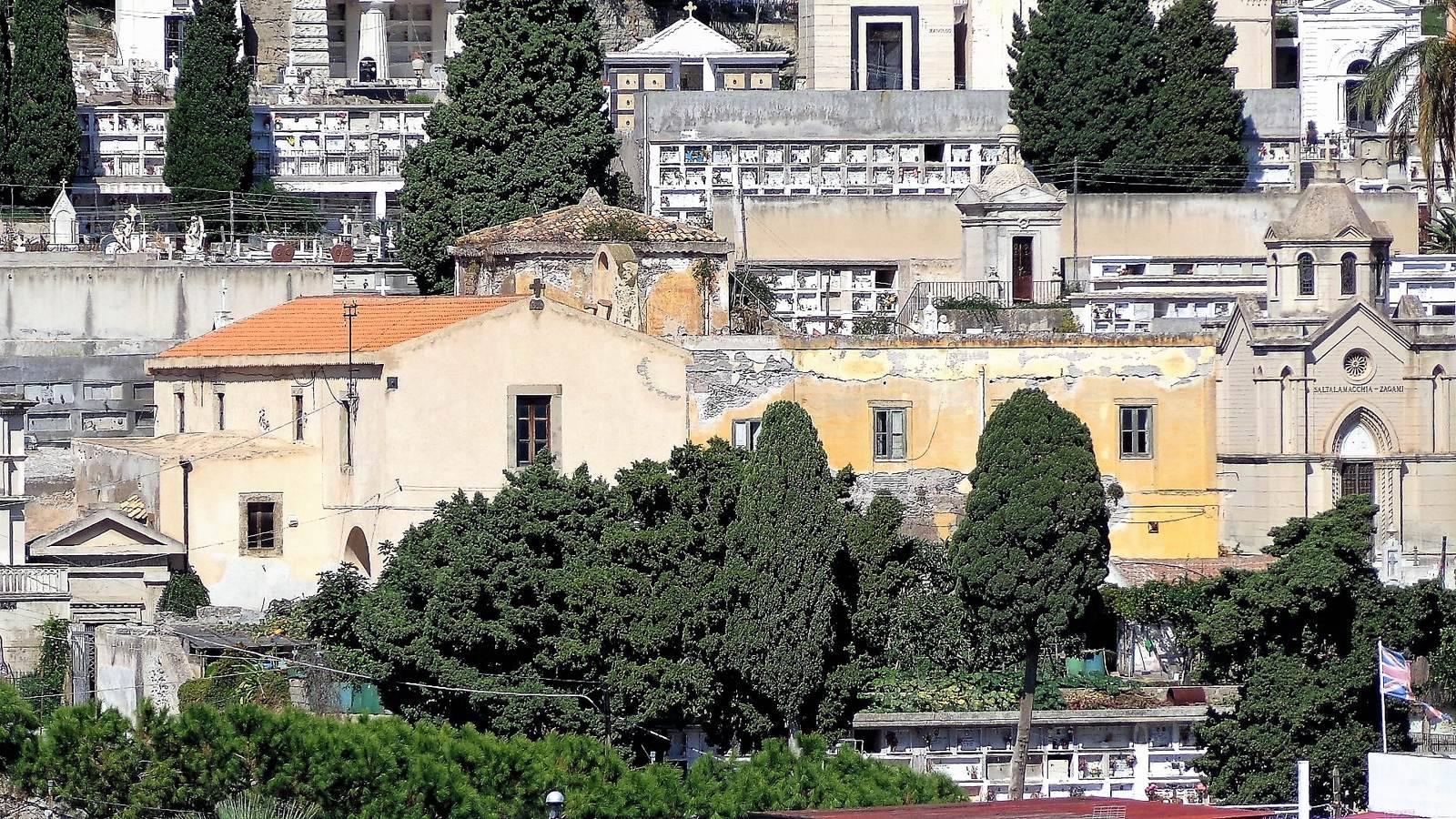
Set within Lipari’s cemetery, the complex comprises the church and the remains of the early Capuchin convent. The church has a single nave, the main lengthwise space, and its entrance is through a side chapel on the south side. A stone set into the facade bears the date 1652, considered the probable year of consecration. Inside, late eighteenth-century decorative plasterwork and wooden altars remain.
Sacristy and burials
The sacristy serves as a cemetery chapel for laypeople and clergy. The church also holds the mortal remains of priests and several prominent people from Lipari.
Artworks and furnishings
Paintings
A 1794 painting by Fedele da San Biagio depicts the Assumption with Saint Bonaventure of Bagnoregio, a medieval Franciscan theologian and church leader, and Saint Francis of Assisi, founder of the Franciscan movement. Another painting, by the priest Giovanni Russo, shows Mary handing the child Jesus to Felix of Cantalice, Lorenzo of Brindisi, and Bernardo da Corleone, all Capuchin religious figures. It also includes Clare, founder of the Poor Clares, and Anthony of Padua, a Franciscan preacher and theologian.
Main altar
The main altar has a walnut-wood structure made by the Capuchin friars Felice and Serafino of Acireale. A smaller painting depicts the Ecstasy of Saint Francis.
Other furnishings
A Capuchin whose name is unknown made the wooden church cabinet for communion in 1715. Other furnishings include an eighteenth-century multi-panel oil painting on canvas showing Mary, Saint John, two angels, and God the Father, as well as a carved and painted wooden crucifix from the first half of that century. The sacristy contains an eighteenth-century carved and inlaid wooden cabinet and a leather altar hanging bearing a crucifix. Textile liturgical vestments and silver sacred objects are also among the church’s furnishings.
Convent spaces
Rooms linked to the church
Some convent rooms connect directly with the church through the choir loft, an elevated gallery for singers. These spaces form part of the surviving relationship between the convent and church.
Municipal library
A second-floor room originally intended as a library is occupied and managed by the municipal library. Its collection includes twelve books printed in Europe before 1501 and rare sixteenth-century books that once belonged to the Capuchins.