Cheongpyeongsa: A Buddhist Temple in South Korea
Site at a Glance
- Popularity
- Medium
- Country
- South Korea
- Primary era
- Early Modern
- Eras represented
- Medieval, Early Modern
- Civilizations
- Goryeo, Joseon
- Site type
- Religious
- Remains
- Monastery
On this page14 sections
History
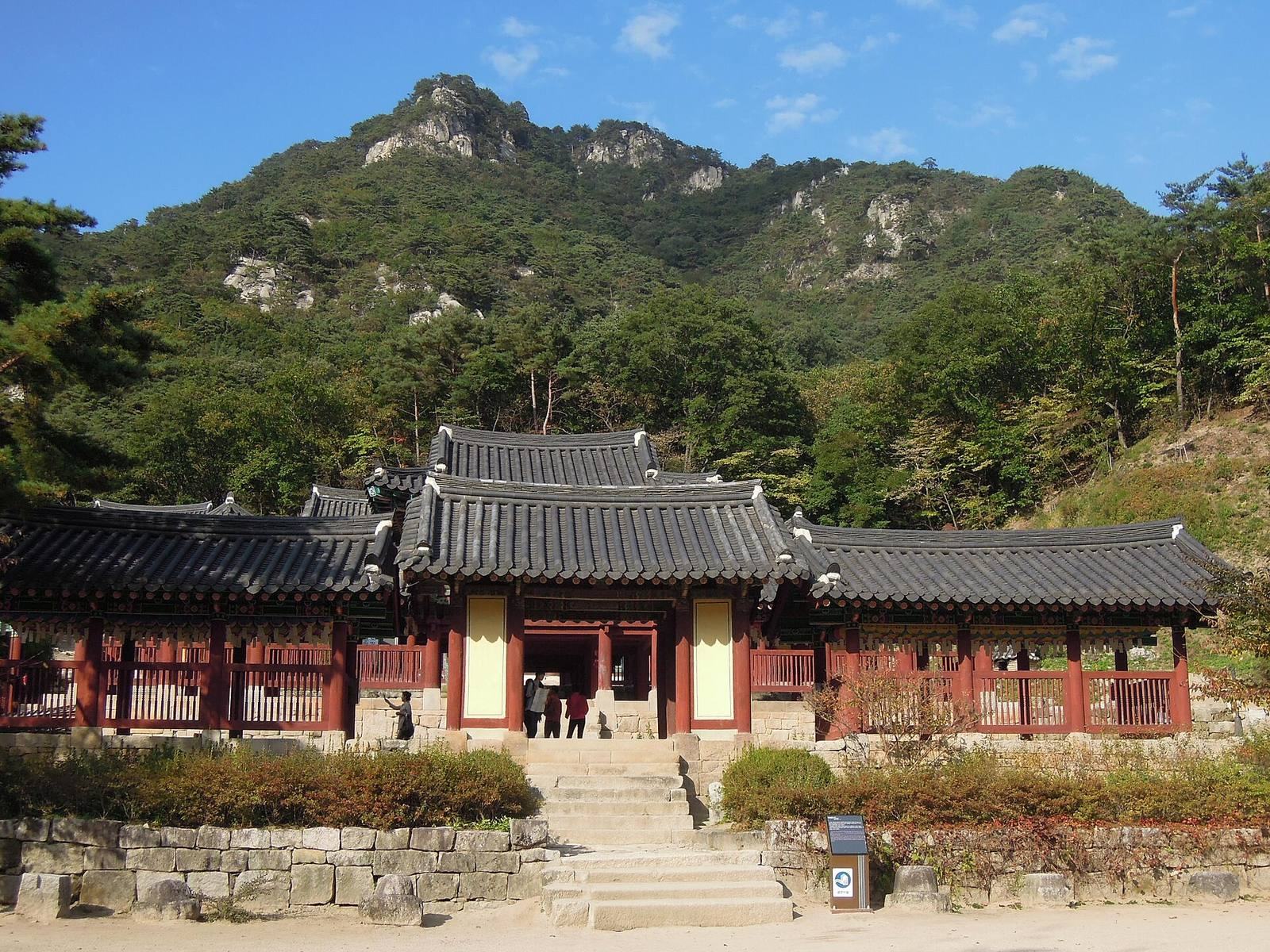
Cheongpyeongsa is a Buddhist temple on the slopes of Obongsan in Chuncheon, Gangwon Province, South Korea. The monk Yeonghyeon founded it in 973, beginning a history that continued through Goryeo (918–1392), a Korean dynasty, and Joseon (1392–1897), its successor.
Founding and Goryeo-era changes
Yeonghyeon first named the temple Baegam Seonwon. After it fell into disuse, Goryeo official Yi Ui rebuilt it in 1068 and called it Bohyeonwon. In 1089, Yi Ui’s son, the scholar-official Yi Ja-hyeon, left government service to live there. He renamed the mountain Cheongpyeong and the temple Munsuwon, after Munsu Bosal, the Korean name for Manjushri, a bodhisattva associated with wisdom.
Yi Ja-hyeon also established eight hermitages: Gyeonseongam, Yangsinam, Chilseongam, Deungunam, Bokuiam, Jijangam, Sigam, and Seondongam. The Seon Buddhist monk Naong stayed at the temple in 1367. A late-Goryeo inscription known as the Sutra Stele of Munsusa commemorated scriptures brought from the Yuan, a Chinese dynasty, and deposited at Munsusa by imperial order. It also noted donations from the Yuan imperial family during Yesün Temür’s reign, intended to promote the well-being of princes.
Joseon-era changes
Following the 1453 Gyeyu Coup, the seizure of power by Grand Prince Suyang, later King Sejo, the scholar and writer Kim Sisŭp left government service and stayed at Sehyangwon within the temple grounds. In 1555, the monk Bou renamed the temple Cheongpyeongsa and rebuilt most of its buildings.
War damage and rebuilding
Geungnakjeon burned down in 1947. During the Korean War, Gugwangjeon and Saseongjeon were destroyed. The Record of Munsuwon, a stele erected in 1130 about Yi Ja-hyeon’s life, was also destroyed during the war and restored in 2008.
In 1977, the monk Gongcheol rebuilt Geungnakbojeon and Samseonggak. The monk Seokjin rebuilt Daeungjeon in 1988. Cheongpyeongsa is affiliated with the Jogye Order, a major Korean Buddhist order associated with Seon, the Korean meditation tradition. Hoejeonmun is designated Treasure No. 164, and Goryeo Seonwon is designated Scenic Site No. 70.
Remains
The temple’s surviving features include a Buddhist garden, a group of temple buildings, a historic gate, a three-story stone pagoda, and a cave associated with a local legend.
Goryeo Seonwon garden
Goryeo Seonwon is a Buddhist garden incorporating a valley, the Yeongji pond, pools, broad flat rocks, boulders, unusual rock formations, and waterfalls, including Gusong Waterfall. Its areas include waterfall and pond zones, the temple precinct, and the Seocheon, Seondong, and Gyeonseongam areas. It is regarded as one of the oldest known gardens and is noted for its landscape.
Temple buildings
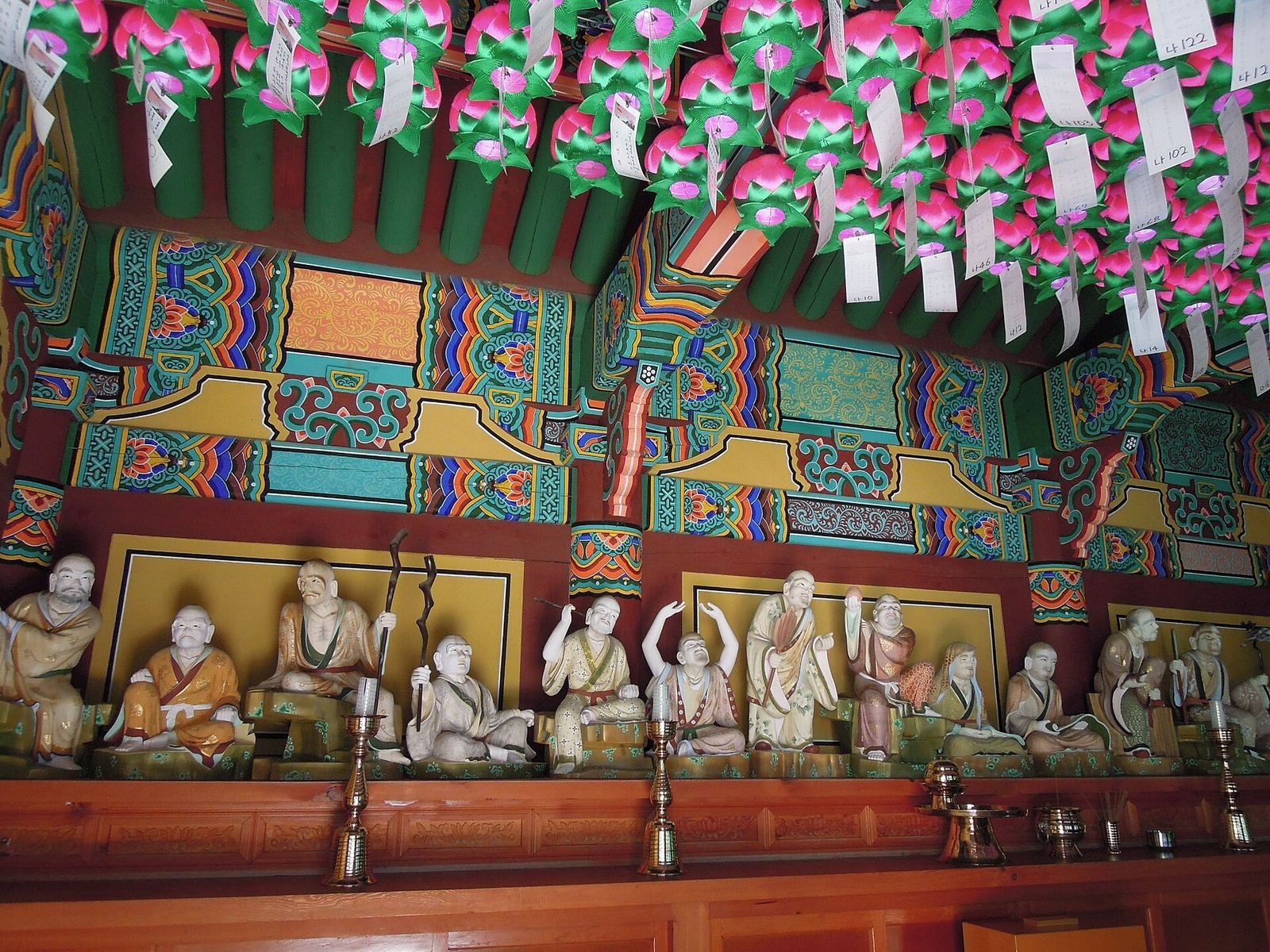
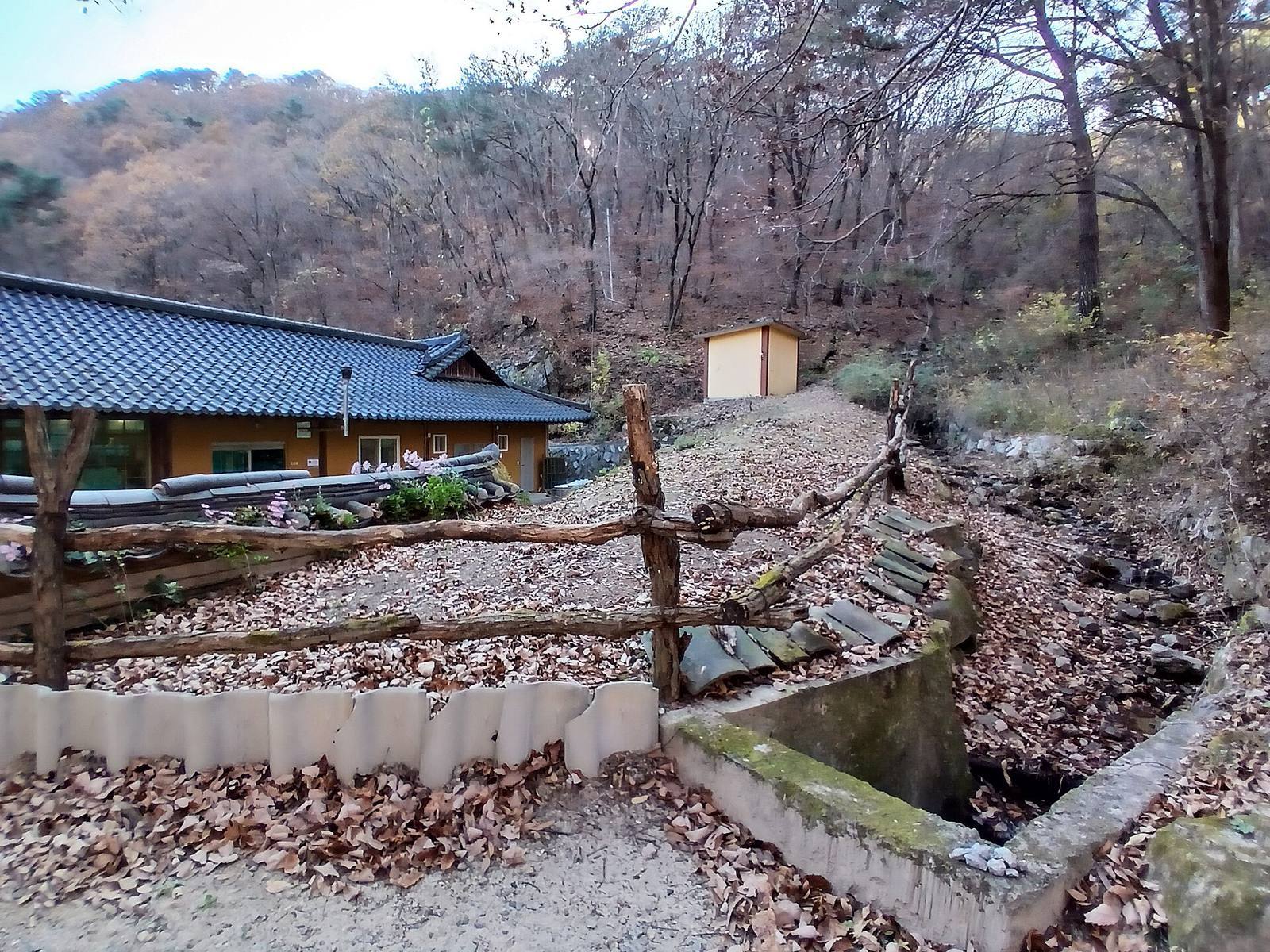
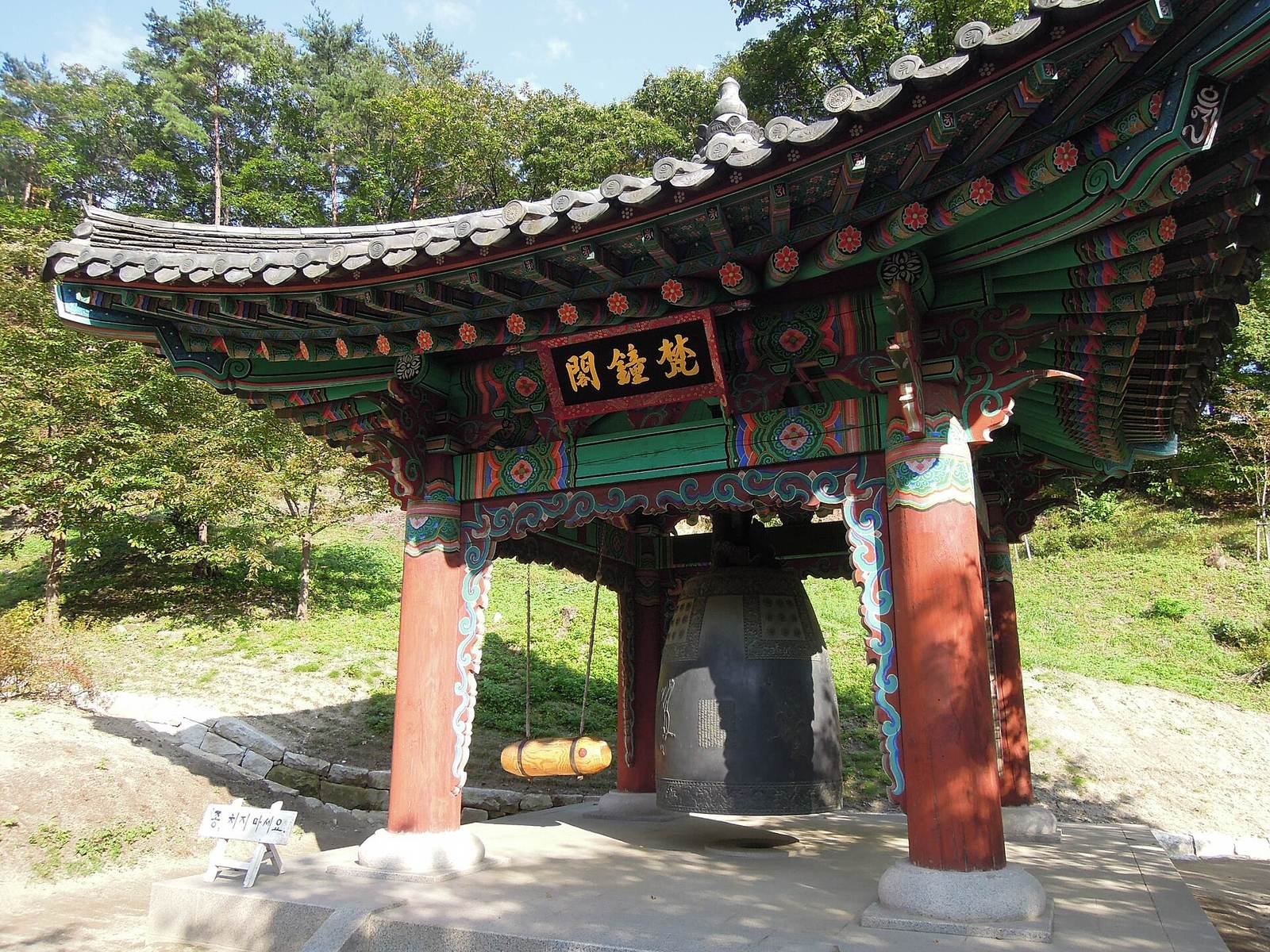
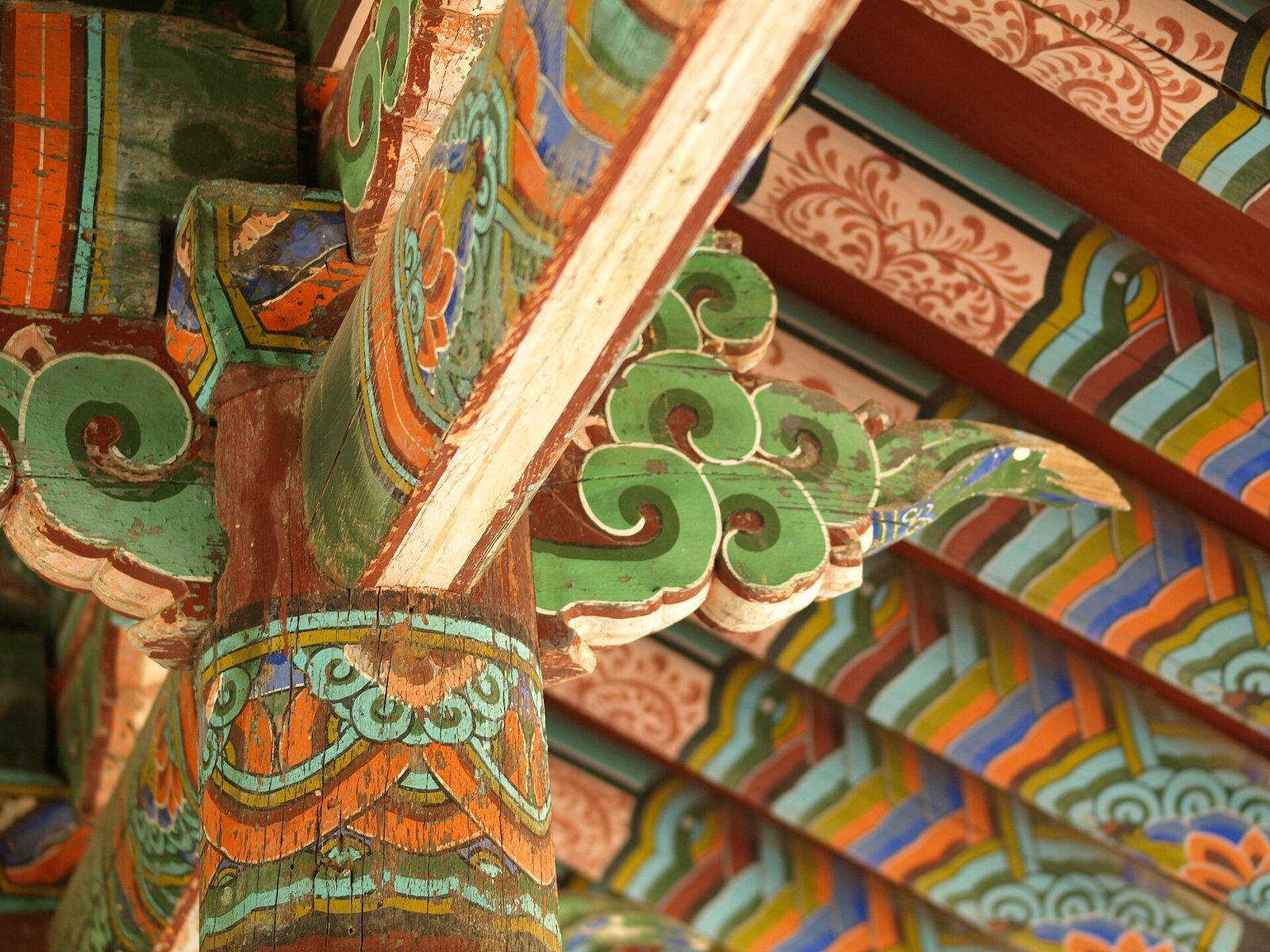
The temple’s buildings include Hoejeonmun, Gyeongullu pavilion, Gwaneumjeon, Nahanjeon, Daeungjeon, Geungnakbojeon, Samseonggak, Beomjonggak, and the monks’ quarters. Daeungjeon is the principal Buddha hall; Gwaneumjeon is dedicated to Avalokitesvara, and Nahanjeon is a hall for arhats, Buddhist practitioners regarded as having attained liberation. Geungnakbojeon is a Pure Land hall, Samseonggak a shrine to the Three Sages, and Beomjonggak a bell pavilion.
Gate and legend-associated features
Hoejeonmun
Hoejeonmun was built in place of a gate dedicated to the Four Heavenly Kings. Its purpose was to teach sentient beings about samsara, the cycle of death and rebirth. The gate is considered important for the study of 16th-century architecture. In the local legend, a snake tried to pass through it, but lightning struck the creature and floodwater carried it away. The snake’s failure to enter the temple is associated with its return to samsara.
Princess Cave
The legend tells of a commoner who loved an emperor’s daughter and was killed because of their difference in social status. Reborn as a lovesick snake, he clung to the princess. After spending a night in a cave, she promised to visit the temple and pray to Buddha, and the snake released her. The cave is known as Princess Cave. Versions of the story identify her father as either Tang Taizong or Yuan Shundi, both Chinese emperors.
Princess Pagoda
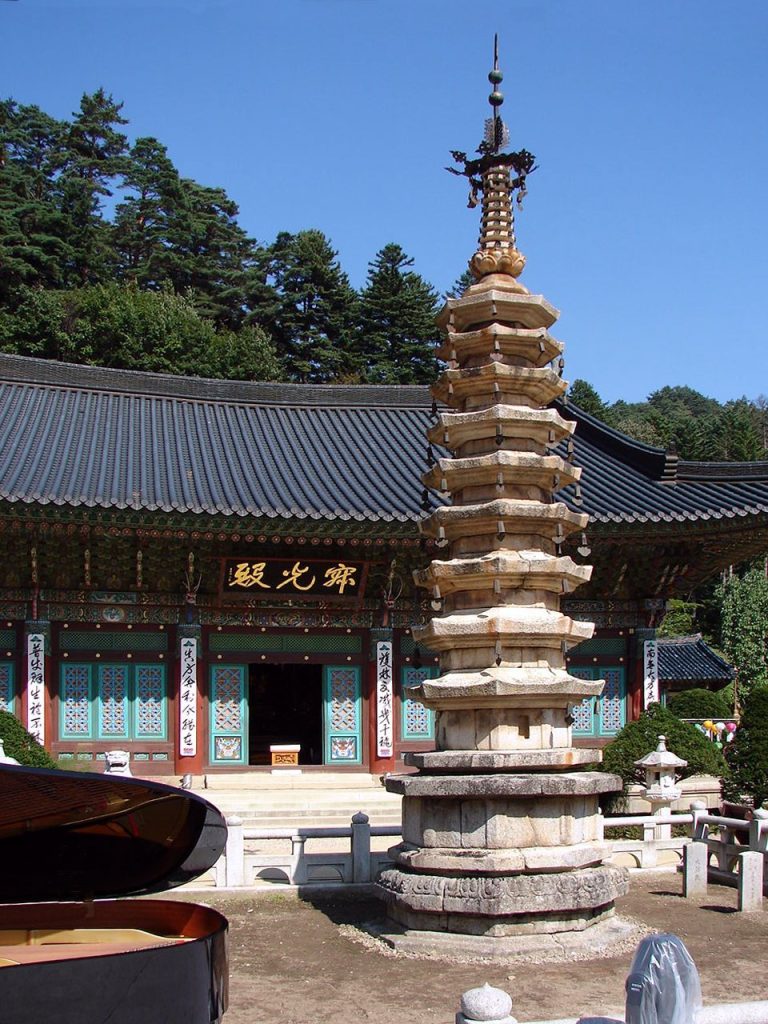
The three-story stone pagoda is thought to date to the early Goryeo period and follows the style of Unified Silla stone pagodas. In the legend, the princess built it to thank Buddha after her ordeal, giving it the name Princess Pagoda.
Stele and Buddhist painting
Record of Munsuwon
The restored upright stone stele bears the Record of Munsuwon, an account of Yi Ja-hyeon’s life.
Jijangsiwangdo
Bou made the Jijangsiwangdo painting in 1562. It depicts Ksitigarbha and the Ten Kings of the Underworld, and has features associated with 16th-century royal Buddhist painting, including elaborate patterns created with gold pigment. The painting is housed at Komeiji in Hiroshima Prefecture, Japan.