Château du Quesnel: A Historic Country Residence in France
Site at a Glance
- Rating
- 4.3
- Popularity
- Very Low
- Country
- France
- Primary era
- Early Modern
- Eras represented
- Early Modern, Modern
- Civilizations
- French
- Site type
- Domestic
- Remains
- Castle
On this page5 sections
History
Medieval origins and wartime damage
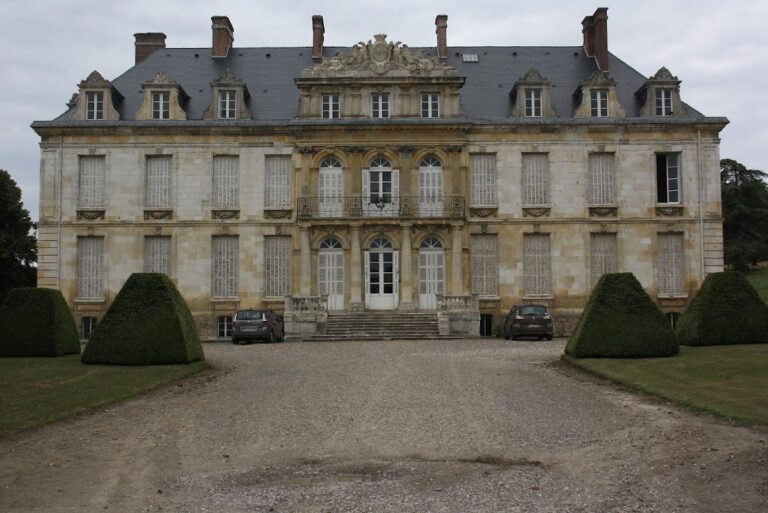
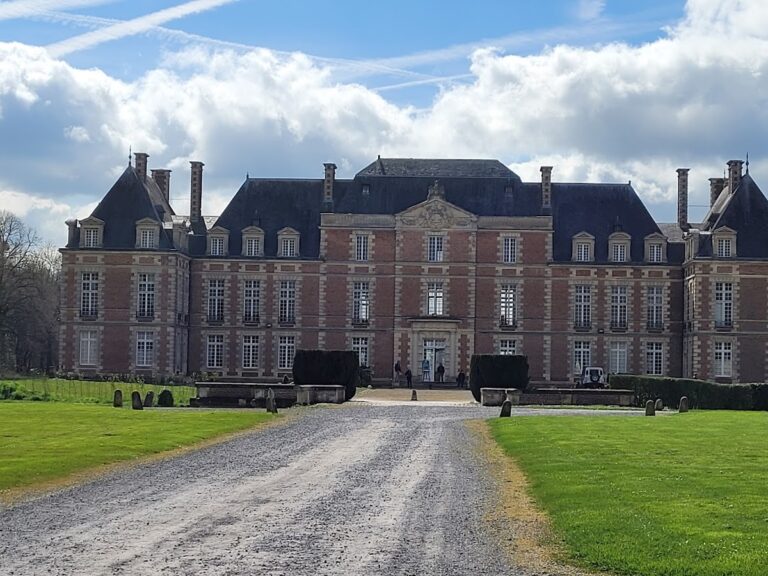
Château du Quesnel, also known as Château de Le Quesnel and Château Sécession, is a French château in Le Quesnel, in the Somme department of the Hauts-de-France region. A château is a substantial French country residence or fortified residence. The Quesnel knightly family held the estate from the twelfth century. During the Thirty Years’ War, the major European conflict fought from 1618 to 1648 amid religious, dynastic, and political struggles, the estate was looted and partly burned in the seventeenth century.
The Le Fort residence and nineteenth-century changes
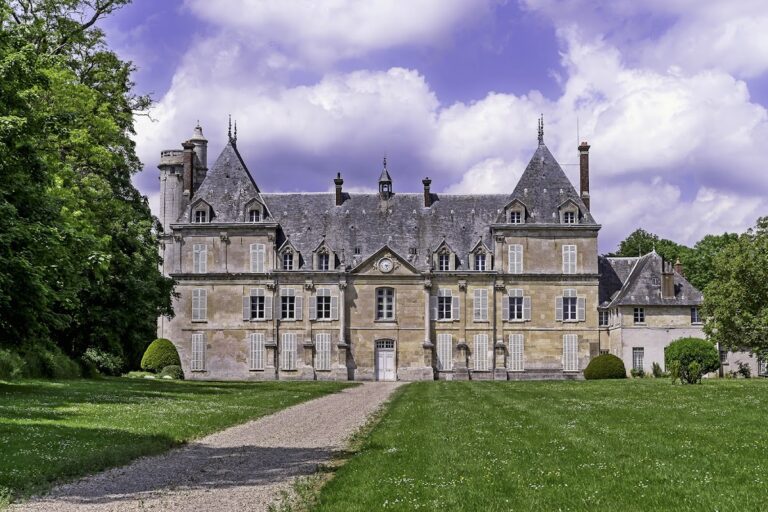
In the eighteenth century, the property passed to the merchant Jean Le Fort, who married Marie Damien. After Jean died, his son Jean-Baptiste Le Fort began the present château in 1751. The residence initially had a single storey.
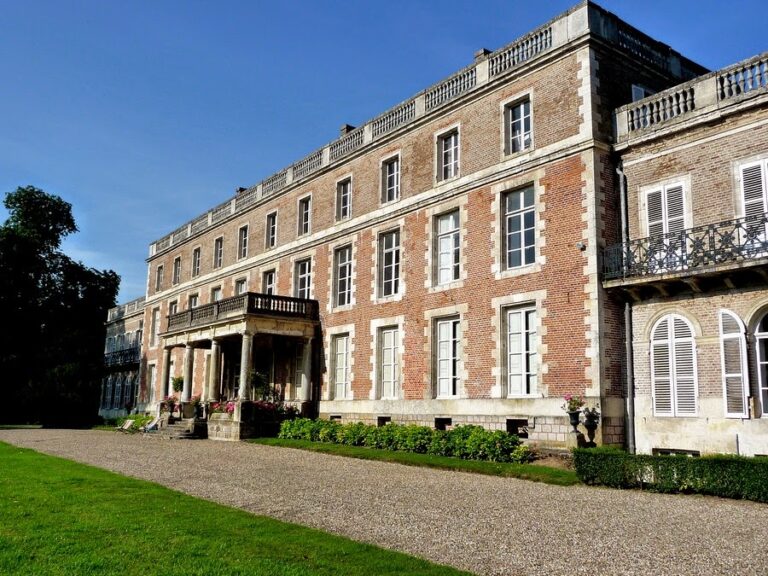
Charles Blen de Bourdon, a member of the aristocratic family that owned the château, changed the façade in 1853. The work added a second storey and a new pavilion, transforming the appearance of the residence. After the First World War, Viscount Alexander Blen de Bourdon and his wife, Maria Charlotte Le Fort de Quesnel, restored the château and gave it to their daughter, the Countess of Lussac. A viscount was an aristocratic title below that of a count, while countess could refer to a woman holding a count’s title or to a count’s wife.
War, abandonment, and fire
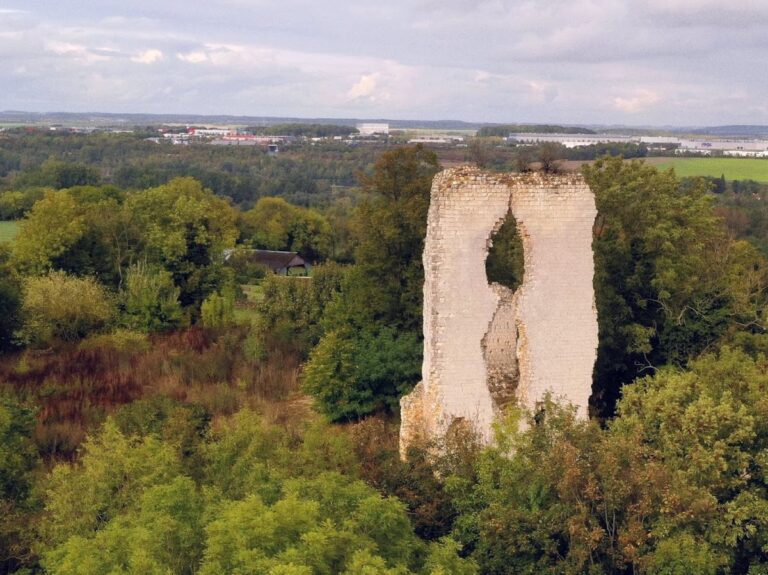
German forces seized and bombarded the château during the First World War. After the Second World War, it was looted and remained uninhabited. In 1985, the property was sold to a Parisian lawyer whose identity is not specified here. The new owner began restoration work but later abandoned the project, and part of the building collapsed in the late 1990s.
The château burned during the night of 10 to 11 December 2018, under circumstances that remained unexplained. Local sectarian groups were associated with claims that occult activities had taken place at the estate since the mid-twentieth century, and they were suggested as possible causes of the fire, but this attribution is uncertain. Shortly before the blaze, Russian video blogger Dima Maslennikov spent a night at the estate and published footage on 10 December 2018. The filming included malfunctions and unusual movements involving spotlights, a voice recorder, and other objects.
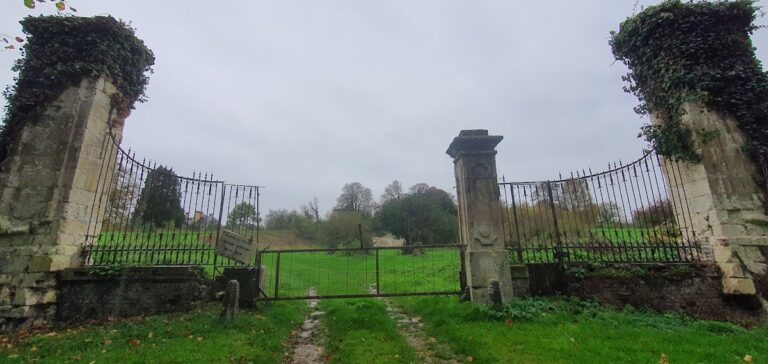
As of June 2025, the grounds remained abandoned, while the surviving parts of the château continued to deteriorate.
Remains
The surviving château consists chiefly of sections of the exterior walls and part of the façade, together with adjoining buildings. The residence began as a one-storey building in 1751, before the 1853 alterations added another storey, a new pavilion, and a changed façade. The 2018 fire severely damaged the complex, leaving the remaining fabric in a ruined and deteriorating condition.
Nearby sites