Châtelard Castle (Ébreuil): A Fourteenth-Century Lord’s Residence
Site at a Glance
- Rating
- 5
- Popularity
- Very Low
- Country
- France
- Primary era
- Medieval
- External website
- Open
- Eras represented
- Medieval, Early Modern, Modern
- Civilizations
- French
- Site type
- Domestic
- Remains
- Castle
On this page9 sections
History
Fourteenth and fifteenth centuries
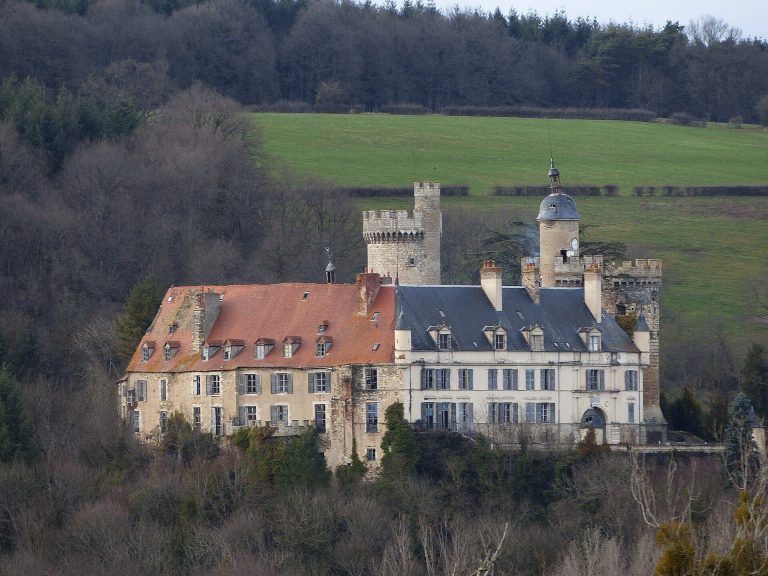
Châtelard Castle is a fourteenth-century residence in Ébreuil, France, built for a lord, probably on older foundations. In 1323, Auger du Châtelard held the fief, or landed estate. It later passed to the Veauce family. In 1405, Philippa de Veauce brought it by marriage to Béraud II Dauphin, lord of Combronde and Saint-Ilpize. The Dauphins of Auvergne were a medieval noble family. Béraud was killed at the Battle of Agincourt in 1415, a major engagement in the Hundred Years’ War.
Their daughter Blanche, who also inherited Jaligny, married Jean de Lespinasse, lord of Changy, on 29 May 1425, and the fief became part of her dowry. Around the turn of the fifteenth and sixteenth centuries, several of their descendants appear to have held it jointly. In 1506, Antoine de Montmorin, grandson of Charles de Montmorin and Philippine de Lespinasse, performed fealty and homage to the Duchess of Bourbon, formal acts of allegiance to a superior lord. The fief then remained with this branch of the Montmorin family for several generations.
Royal visits and changing ownership
King Charles VII stayed at the castle at Pentecost in 1440, during the Praguerie, a revolt by French nobles against him, and returned in the summer of 1456. A nearby residence belonged to Arthuse de Lavieu, one of the king’s favorites and the wife of Jean de Montmorin, lord of Nades. Her residence was likely connected to Charles’s preference for staying at Châtelard.
The lordship later passed to the Arnaud family. In 1747, Charles de La Vie owned it and sold it to Jean Brun, who was expropriated in 1749 in favor of Girard de Châteauneuf. Châteauneuf sold the castle to Michel Pellissier de Féligonde on 21 January 1761. The Pellissier de Féligonde family acquired the property that year and remains its owner.
Revolution and modern protection
During the French Revolution, Antoine Cariol the elder was charged with enforcing the decree of 31 January 1794, which ordered the destruction of signs of feudalism. He took an interest in the castle and made a detailed description of its condition and outbuildings. Châtelard Castle was listed as a French historic monument in 1982, a form of statutory heritage protection.
Remains
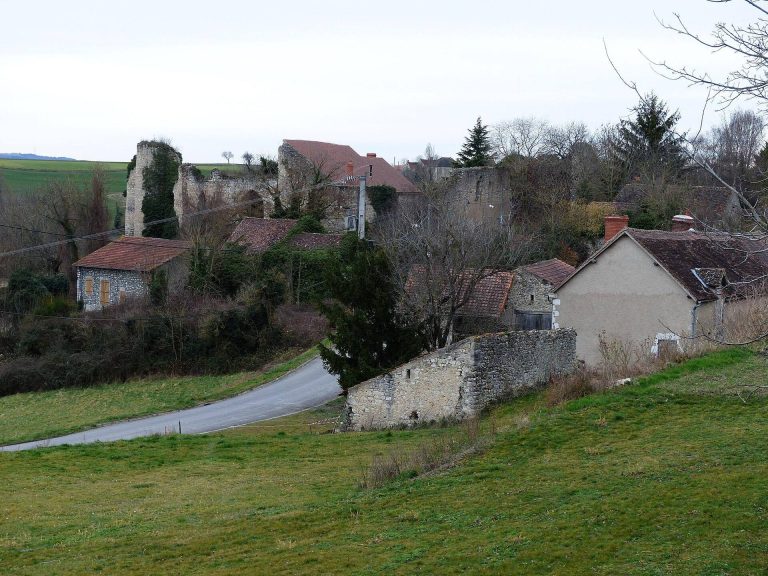
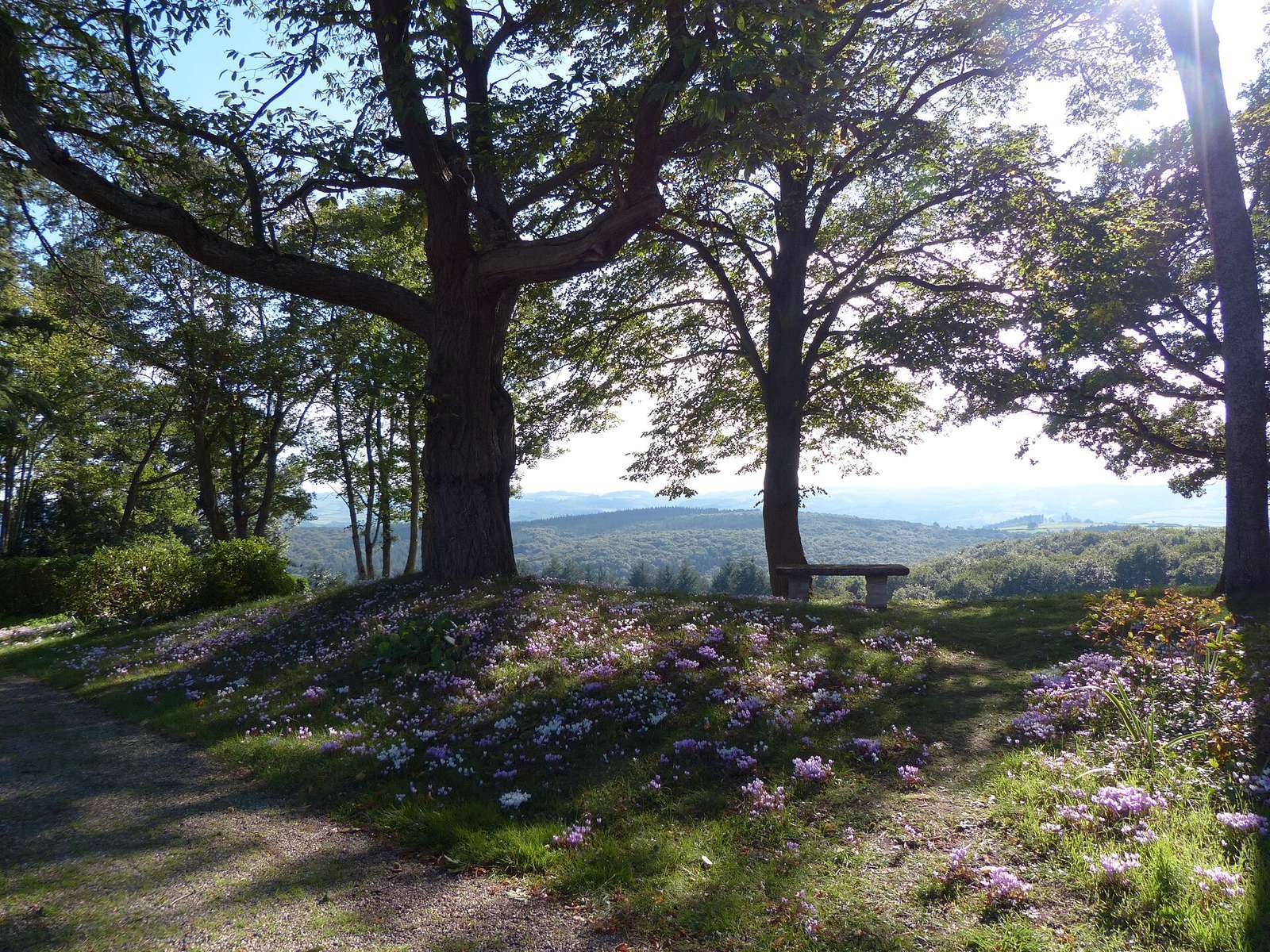
The château stands within an estate covering 706 hectares, more than 600 of them wooded. The Cèpe crosses the land from northwest to southeast; it is a left-bank tributary of the Sioule and can dry up during very dry summers. The surviving buildings and defensive elements reflect several periods of alteration.
Chapel and defensive remains
Chapel
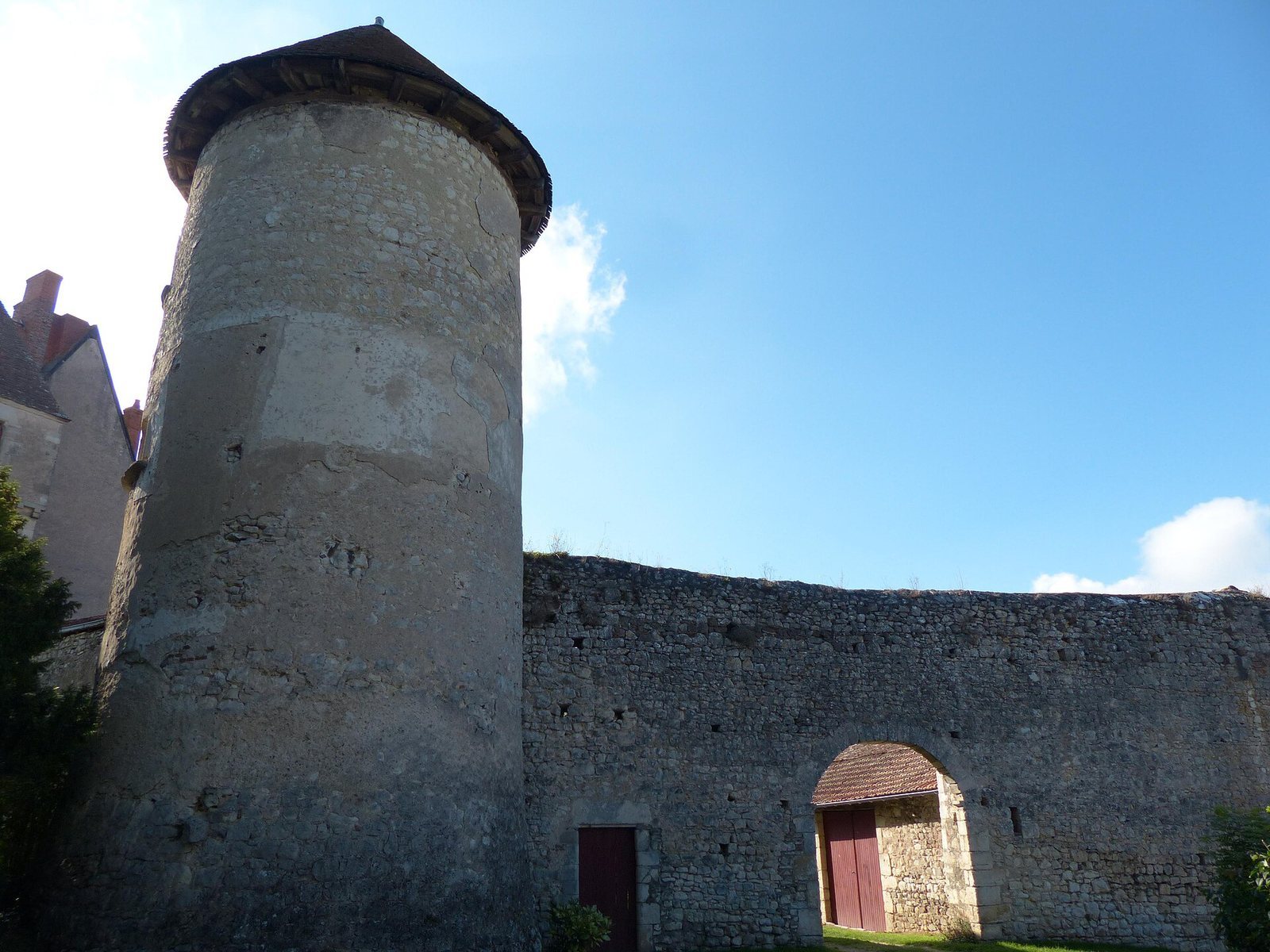
The chapel, dated 1582, adjoins a round tower. Its eastern end is flat, and its roof framing remains exposed.
Towers and wall-walk
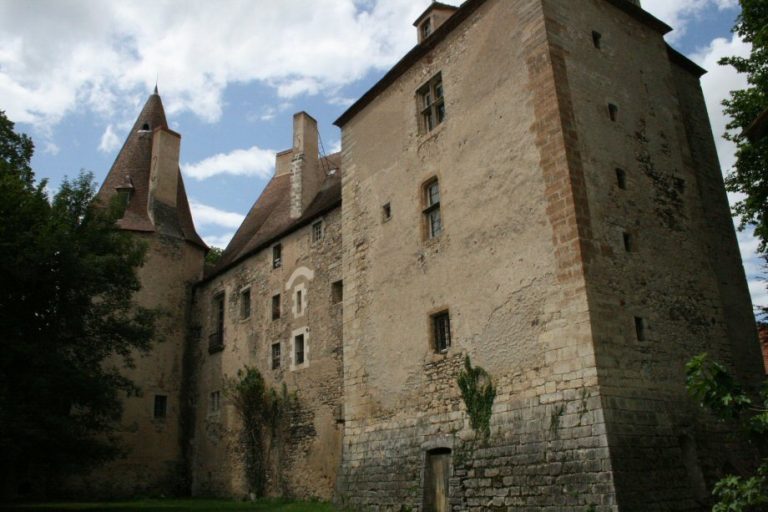
The round tower is a remnant of the defensive system that once surrounded the château. A medieval stretch of wall-walk runs at right angles to the northwest façade and terminates at a square tower.
Façades
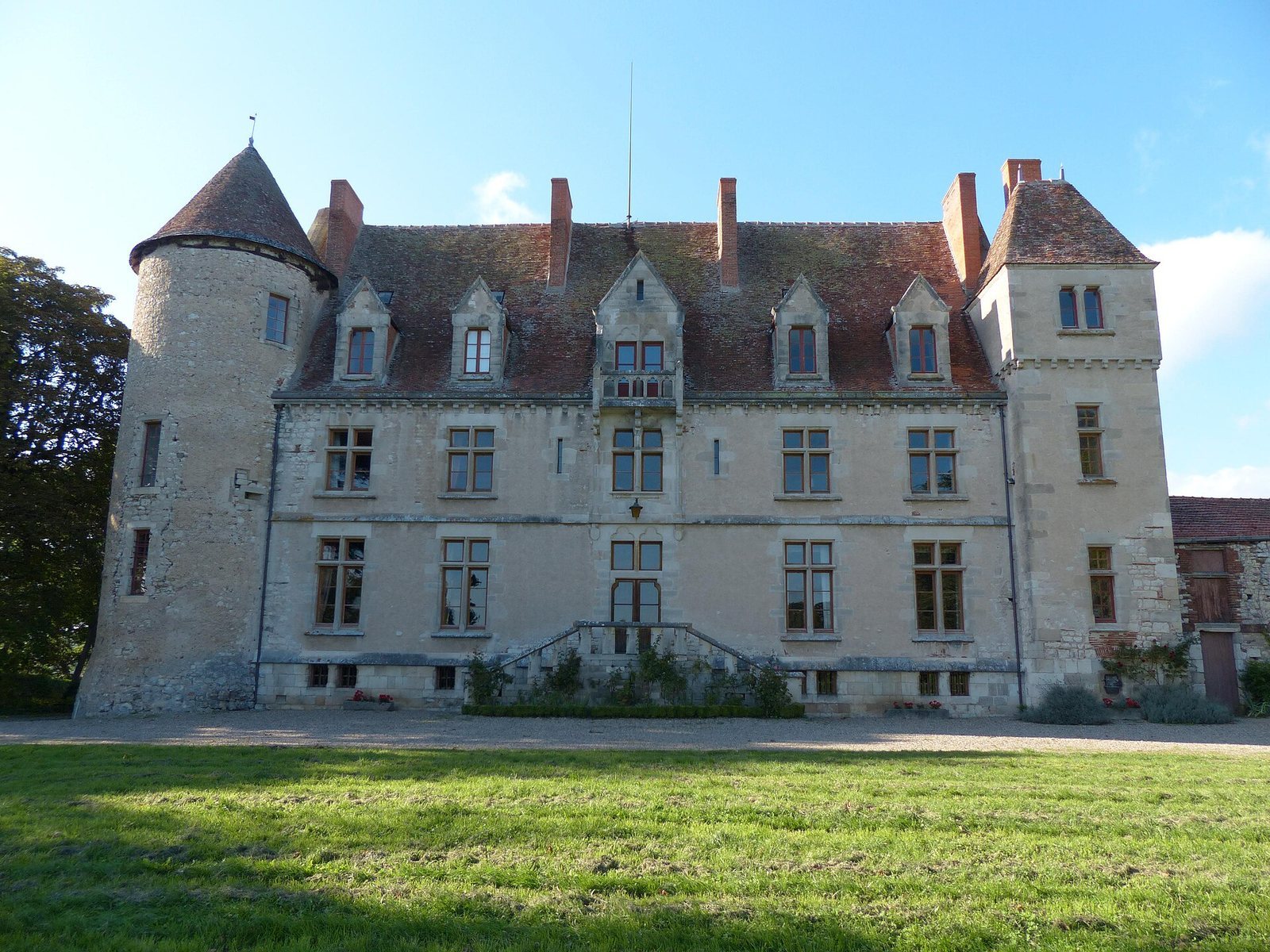
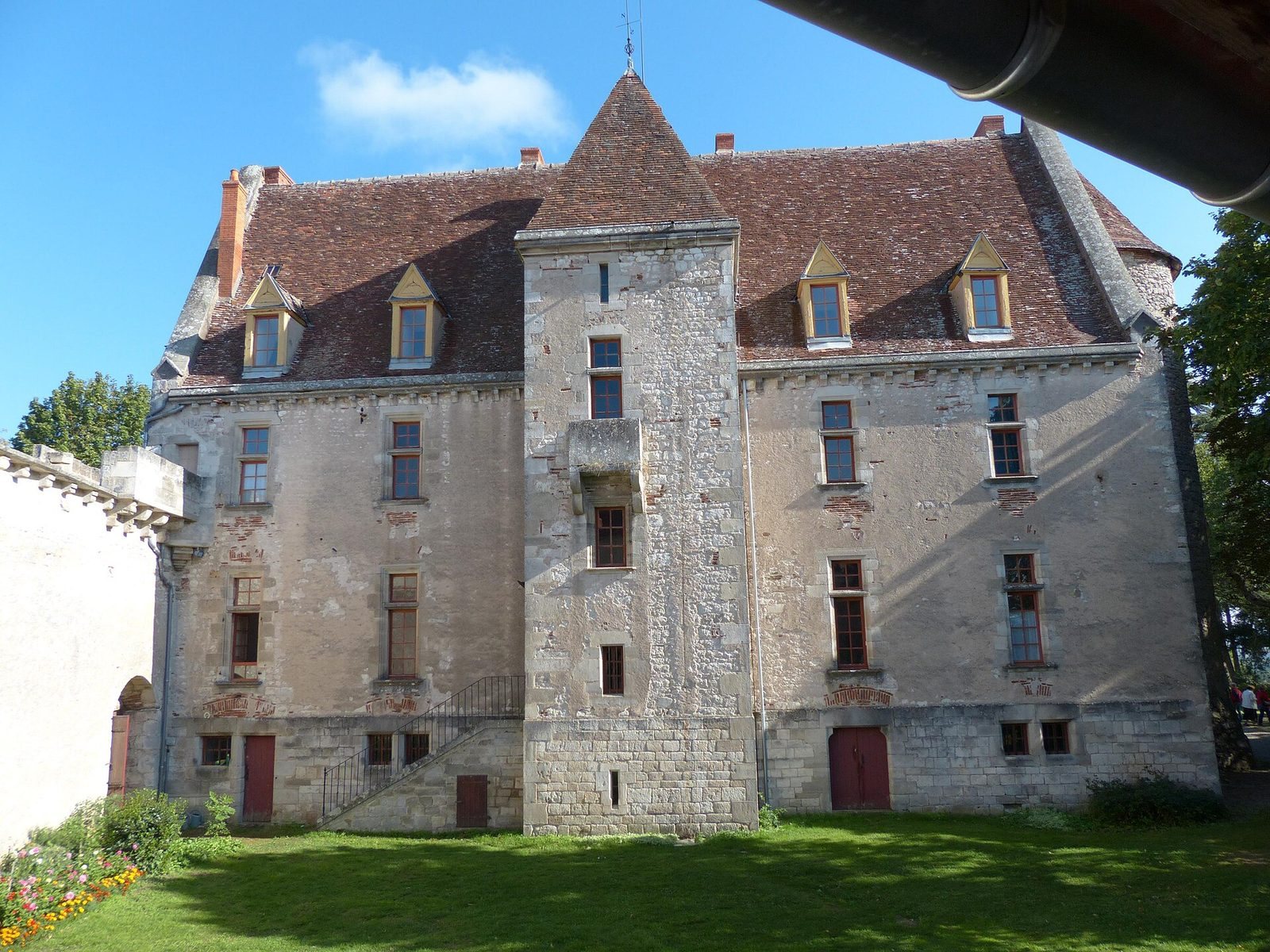
The northwest façade appears to date from the sixteenth century. The southeast façade was entirely rebuilt in the nineteenth century.