Château Deganne: A Neo-Renaissance Manor and Casino in Arcachon
Site at a Glance
- Popularity
- Medium
- Country
- France
- Primary era
- Modern
- Eras represented
- Modern
- Civilizations
- French
- Site type
- Domestic
- Remains
- Elite Residence
On this page7 sections
History
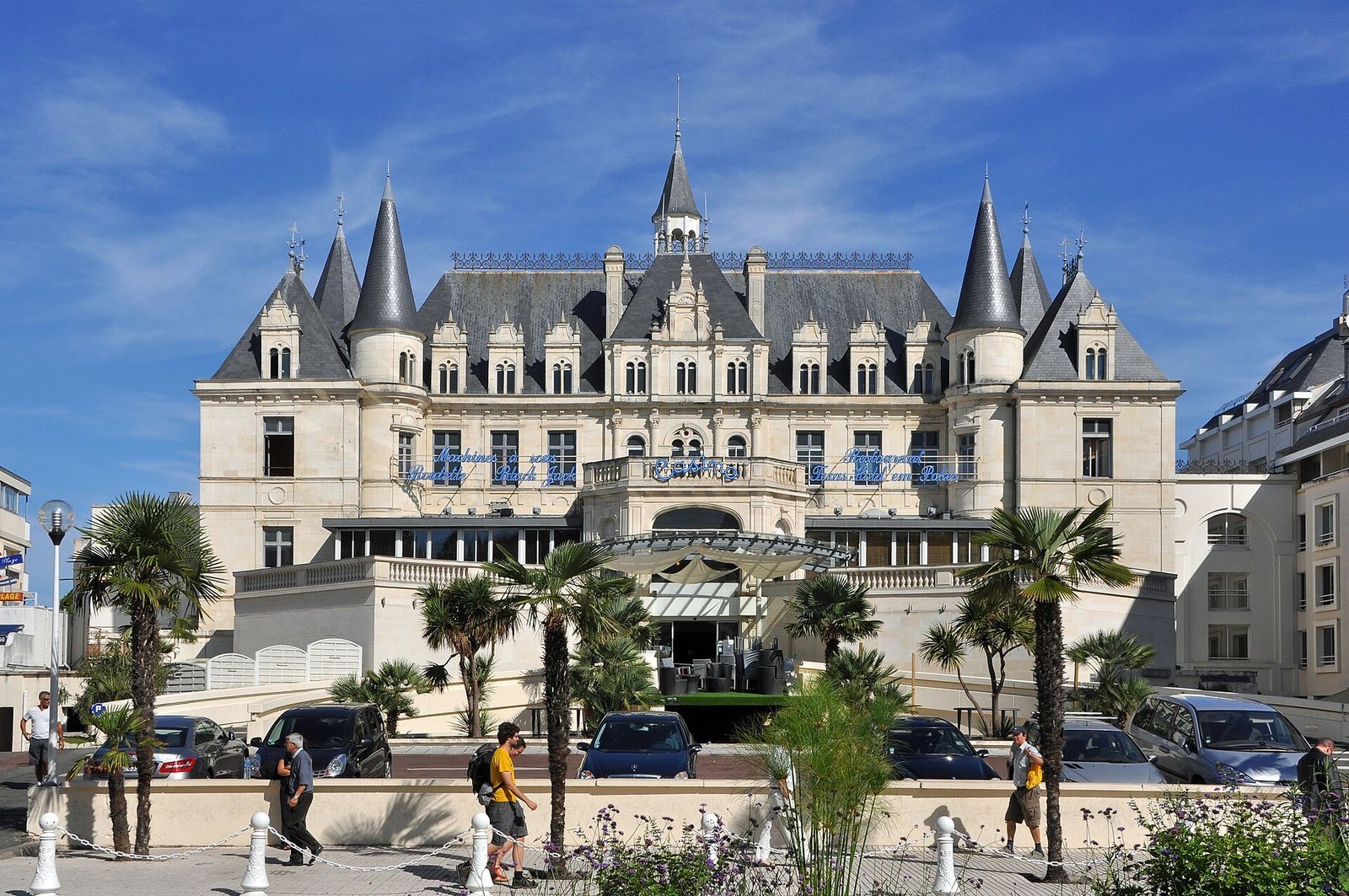
Château Deganne is a Neo-Renaissance manor in Arcachon, France, built by Adalbert Deganne in 1853 as a residence. Deganne, who later became the town’s mayor, never lived there, choosing instead to stay at the nearby Villa Saint-Georges. The building later served as a venue for prominent receptions and as a casino.
Construction and receptions
In 1859, Deganne sought to present the manor to Napoleon III during the emperor’s visit to Arcachon. Napoleon III reportedly declined, citing the cost of maintaining the property. Two years earlier, he had made Arcachon a separate municipality by decree.
Deganne welcomed European aristocrats and other affluent visitors to the château and held lavish receptions there. Guests included Adolphe Thiers, a statesman and former president of France, in 1875, and Marshal Mac Mahon, then president of the Republic, in 1877.
Conversion and later use
After Deganne died without descendants, the manor returned to use as a private residence. Discussions concerning his will preceded its sale in 1903 and conversion into a casino.
During the Second World War, the building was requisitioned for use as barracks and suffered severe damage. It was restored after the war and again operated as a casino, also hosting theatrical performances. Since the Casino Mauresque burned down in 1977, Château Deganne has been Arcachon’s only casino. It also houses the city’s convention center.
Remains
Architecture and interiors
Manor design
The manor stands at the edge of the beach and follows the Neo-Renaissance style, a nineteenth-century revival of Renaissance forms. Its design was modeled on the Château de Boursault in Champagne, built between 1843 and 1848.
Salons and paintings
Deganne assembled a substantial painting collection for the château’s salons. He acquired most of the works at art exhibitions in Paris and Bordeaux.