Château de Villeconin: A Medieval Castle in France
Site at a Glance
- Rating
- 4.3
- Popularity
- Low
- Country
- France
- Primary era
- Medieval
- External website
- Open
- Eras represented
- Medieval, Early Modern
- Civilizations
- French
- Site type
- Domestic
- Remains
- Castle
On this page11 sections
History
Château de Villeconin is a medieval castle in France, in the historic region of Hurepoix, whose creation as a manor dates to 1372. Also known as the Manoir des Ardenelles, it began as an agricultural holding that Gérard de Montaigu acquired from the son of Raoul de Presles and converted into a residence.
The Montaigu foundation
Gérard de Montaigu enjoyed the confidence of King Charles V, the French monarch who reigned in the later fourteenth century, and accumulated considerable offices, wealth, and property. After his death in 1391, his eldest son Jean inherited his court positions and estates, including lordships extending from Montlhéry to Malesherbes.
Jean de Montagu expanded Villeconin into a more strongly defended estate. He built the guardroom, excavated the moats, and connected the property with the Château de la Grange by an underground passage. His career also brought him to the office of Superintendent of Finances and to the position of Grand Master of the Household under Charles VI.
Jean’s rise ended in 1409, when he was beheaded on the orders of John the Fearless, Duke of Burgundy and a powerful rival of the French royal government. His body was hanged from the gibbet of Montfaucon, and his property, including Villeconin, was confiscated.
Renaissance and early modern ownership
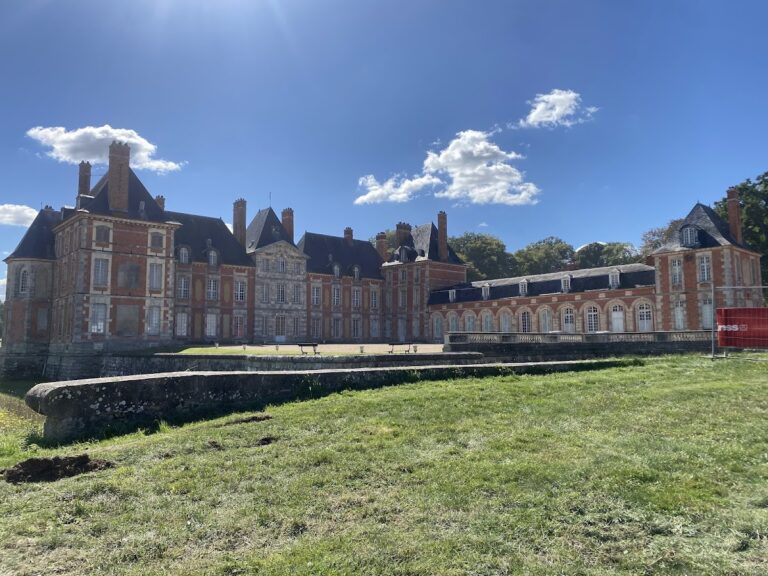
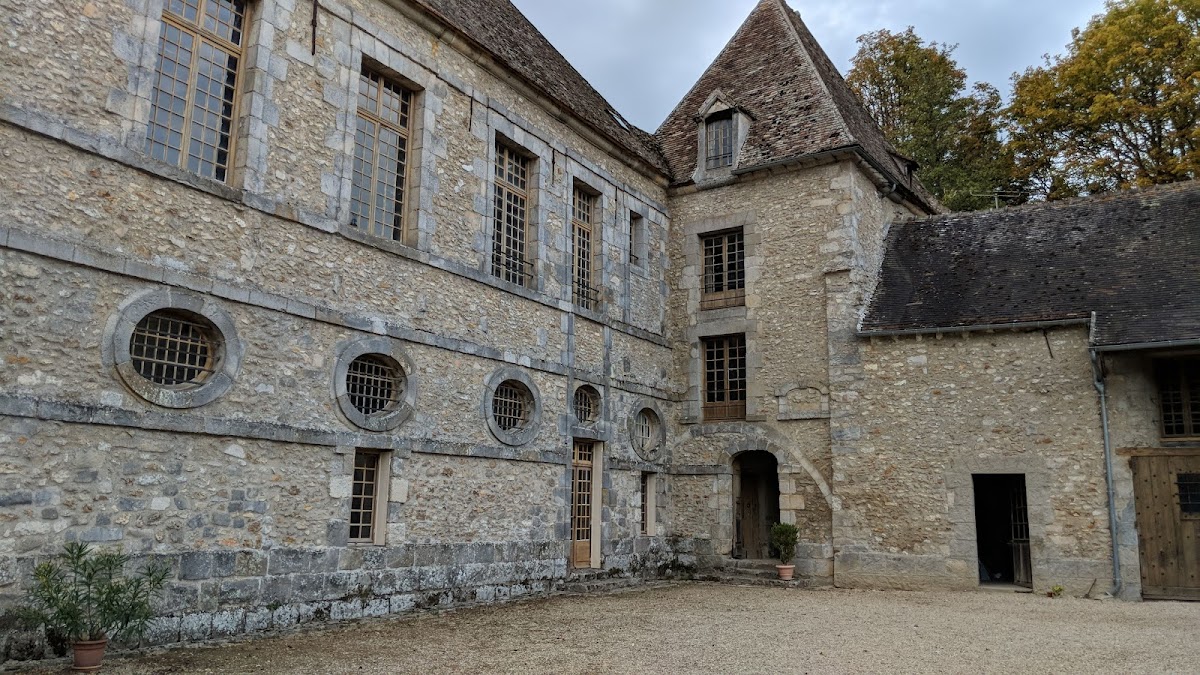
The Cochefilet family acquired the castle in 1567 and remodeled it during the Renaissance. The work changed the character of the property from a partly medieval residence into a pleasure residence. The drawbridge was removed, the present entrance was created, the guardroom was altered, and additional floors and windows were fitted out.
During the seventeenth century, the estate came into the possession of Pierre Mérault, a tax farmer responsible for collecting the salt tax known as the gabelle, as well as a secretary to the king. He had acquired Bonnes-Chamarande in 1654. Around 1684, Mérault sold Villeconin to the d’Ornaison family, who transferred it around 1700 to their Talaru relatives.
Revolutionary confiscation and preservation
During the French Revolution, the Marquis de Talaru was executed during the Reign of Terror on 22 July 1794. The revolutionary state confiscated the castle as national property and sold it as agricultural land. The Renaud family later acquired the buildings and farmland.
A nephew of the Renaud family sold the domain in 1924. The manor entered France’s supplementary inventory of historic monuments in 1926, a legal form of heritage protection below the highest classification for listed monuments. It was then regarded as agricultural land and is recorded in the French Mérimée architectural-heritage database under reference PA00088037.
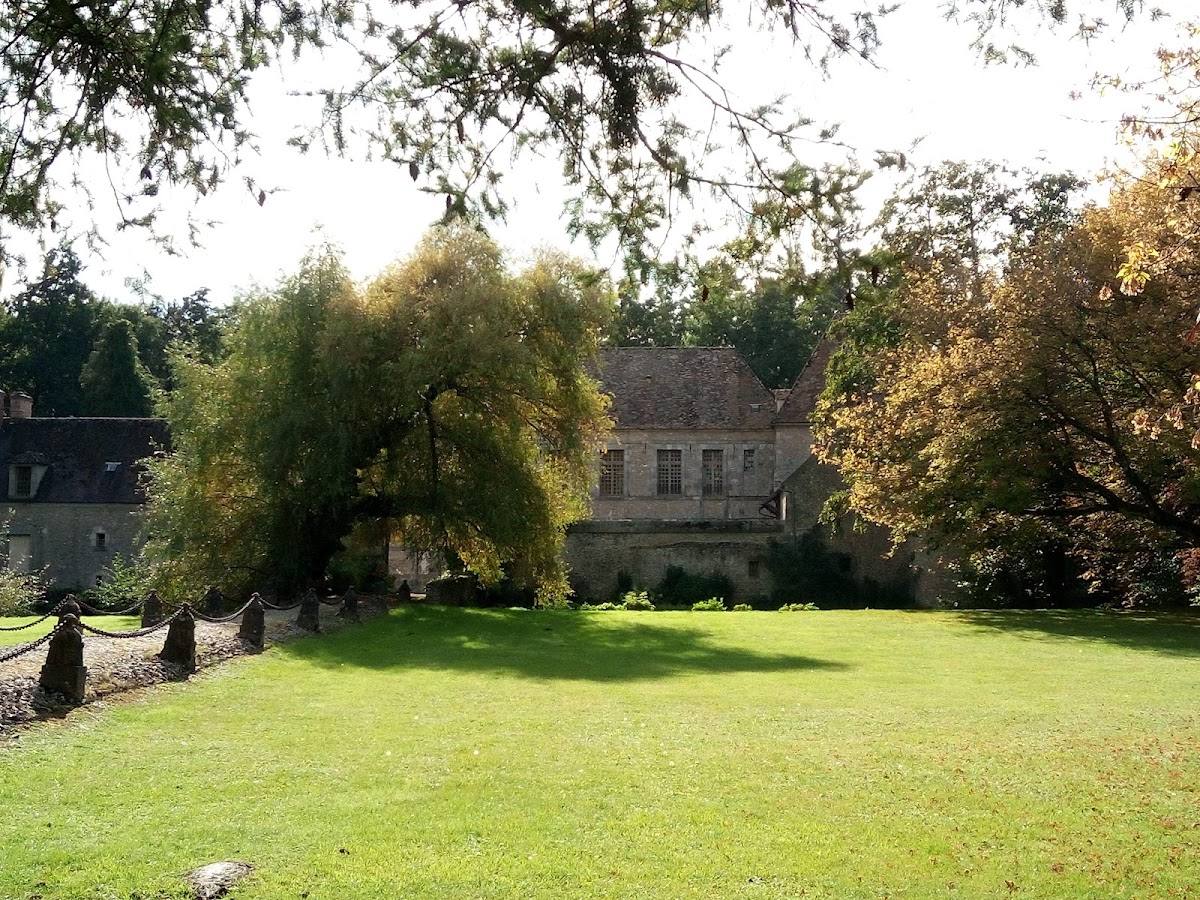
Henry de Jouvencel purchased the estate in 1932, rehabilitated the buildings, and transformed the meadows into a park. Restoration of the castle began in 1933. Valentine de Jouvencel and her husband, Count Max de Longevialle, opened the castle to the public in 1973. Their son Roland de Longevialle became the owner, and the Longevialle family continues to open the estate to visitors.
Remains
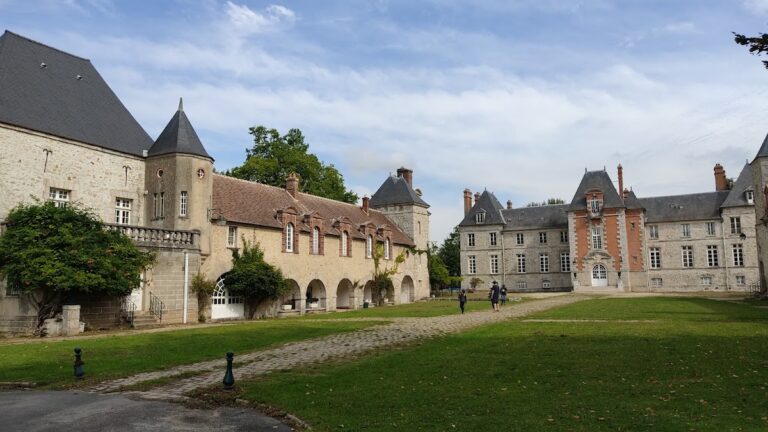
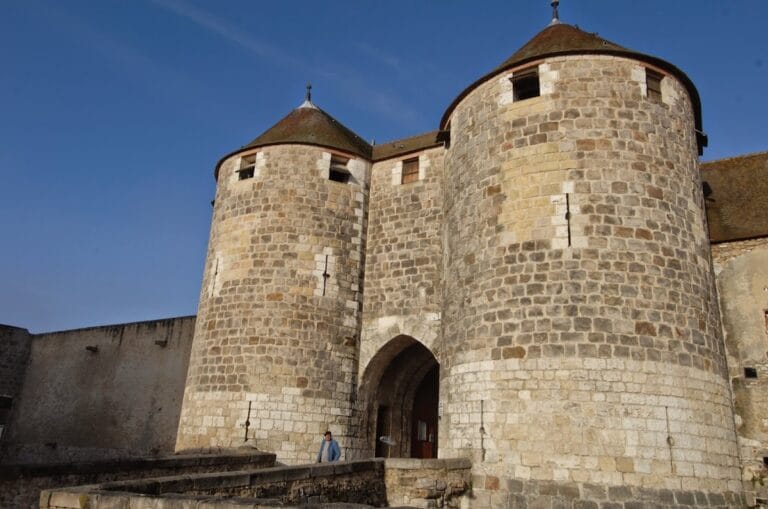
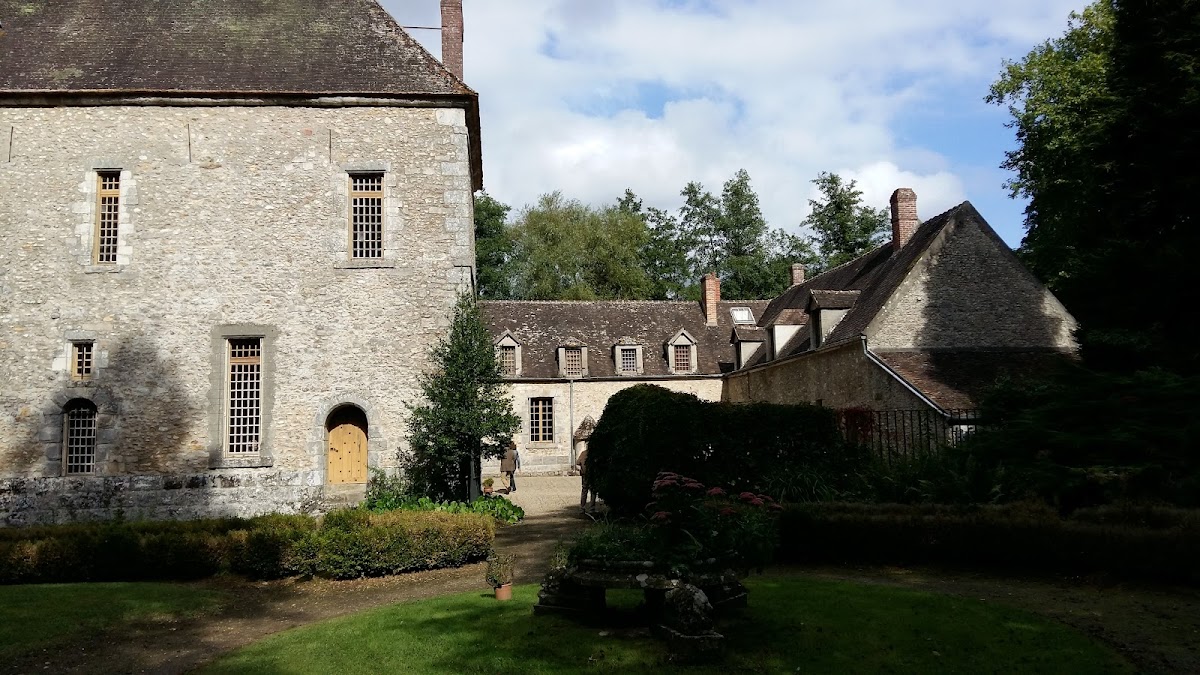
Château de Villeconin preserves a medieval fortified layout that was reshaped during the Renaissance. The surviving elements include moats, a keep, a tower, and the guardroom, while the entrance arrangements and openings reflect the later reduction of the castle’s defensive function. The principal building is also identified as the Manoir des Ardenelles.
Medieval defenses and connections
Moats, keep, and tower
The moats belong to the medieval defensive development associated with Jean de Montagu. A keep, the principal fortified tower of a medieval castle, and a tower also survive among the early elements of the site. An older fortification, the keep of La Grange, existed on the estate before the château developed.
Guardroom and underground passage
Jean de Montagu’s building campaign added a guardroom and an underground connection to the Château de la Grange. The guardroom was later altered during the Renaissance, but it remains part of the architectural group that expresses the castle’s medieval defensive organization and its subsequent transformation.
Renaissance alterations
Entrance and access
The Renaissance remodeling removed the drawbridge and established the present entrance. These changes altered the way the castle was approached and reflect the shift from a primarily defensive residence toward a pleasure residence.
Guardroom, keep, and windows
Further Renaissance work fitted out additional floors and opened windows in both the guardroom and the keep. The alterations brought more residential accommodation and light into structures that had formed part of the earlier fortified complex.