Targé Estate: A Historic Vineyard Property in France
Site at a Glance
- Popularity
- Medium
- Country
- France
- Primary era
- Early Modern
- Eras represented
- Early Modern, Modern
- Civilizations
- French
- Site type
- Domestic
- Remains
- Castle
On this page7 sections
History
Seventeenth-century origins
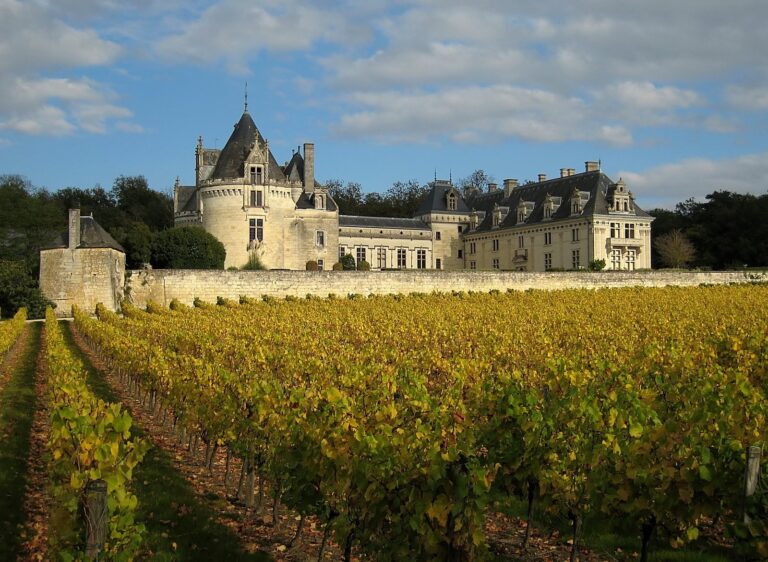
Targé Estate is a historic property at Parnay, near the Loire in France, built in the seventeenth century as a hunting lodge. The French king Louis XIV gave it to his secretary, Phélypeaux de Pontchartrain, an official serving the monarchy.
In 1655, Pontchartrain gave the estate as a dowry for his daughter’s marriage to Joseph Gigault de Targé-Parnay. The property appears to have remained in the same family from that time onward.
Development and family ownership
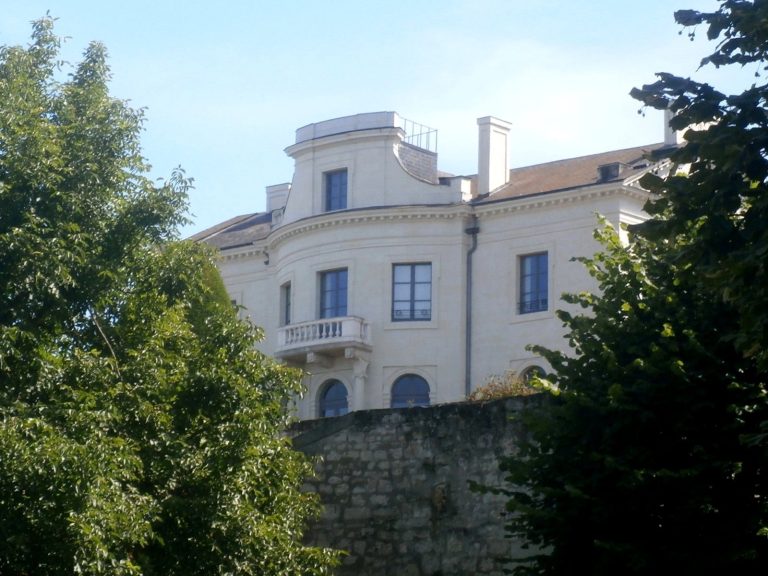
The seigneurial manor, a residence linked to a lord’s estate, developed into a château during the eighteenth century. It acquired its present form in the late nineteenth century.
Over the generations, the estate was owned by several prominent political figures. They included the writer and minister Abel-François Villemain; his son-in-law François Allain-Targé, a Paris deputy and minister in the government of Léon Gambetta, a leading nineteenth-century republican politician; and Allain-Targé’s son-in-law Charles Ferry, a deputy and senator for the Vosges. Ferry’s son Abel, also a deputy, died for France. Abel’s son-in-law Edgard Pisani later served as a minister under Charles de Gaulle, the French general and statesman who became president.
Modern management and wine
Édouard Pisani-Ferry is identified as the estate’s owner. In 2017, he transferred management of its 24 hectares to his son Paul, whose work included supporting biodiversity and moving the estate toward organic farming. Its vineyard produces red wines from Cabernet Franc under the Saumur-Champigny appellation, a regulated geographic designation for wine, and white wines from Chenin Blanc under the Saumur appellation, as well as sparkling wines.
Remains
The château and towers
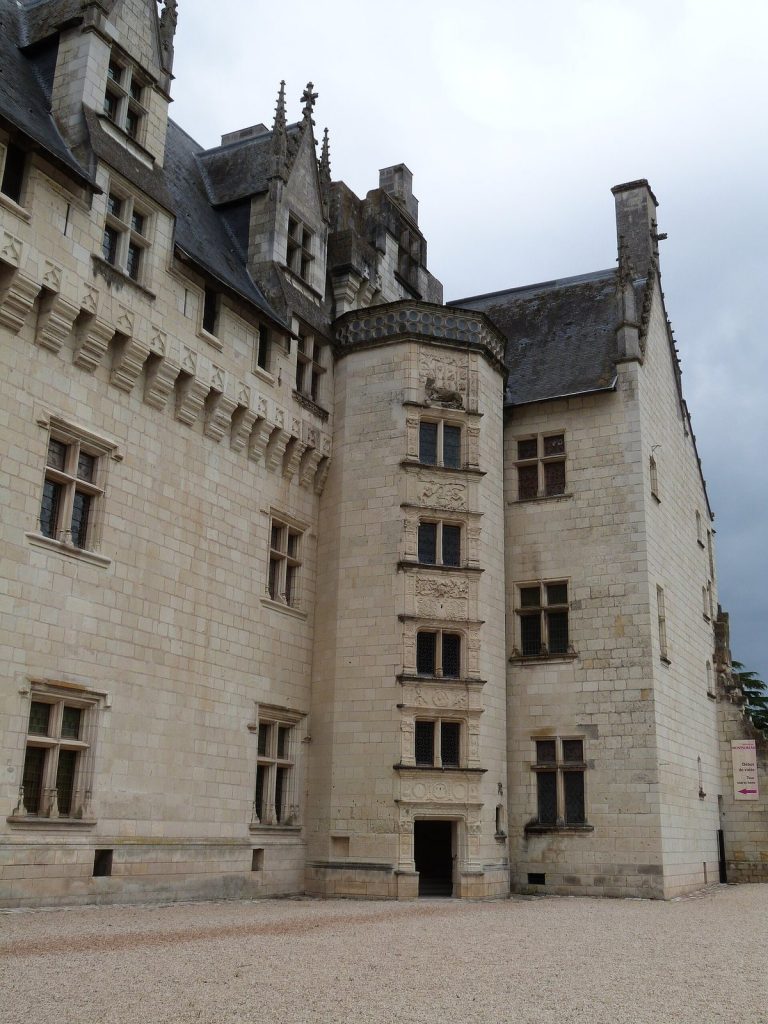
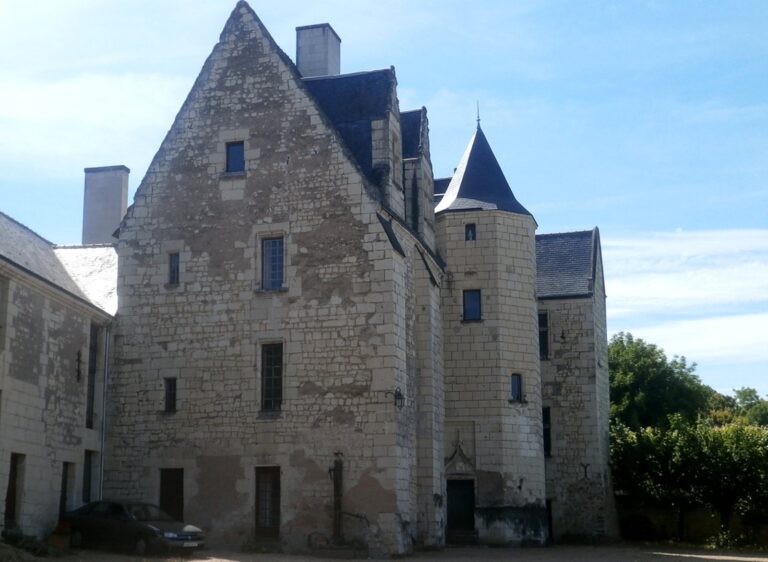
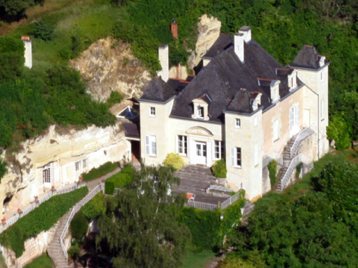
The château is built of tuffeau, a pale, porous limestone, and stands on a slope at Parnay. Two towers were added on the side facing the Loire in the eighteenth century, followed by two more on the hillside side in the late nineteenth century.
Wine cellars
The estate’s sparkling wines undergo extended aging in cellars formed in caves or excavated into rock.