Sassetot Castle: An Eighteenth-Century Residence in Normandy
Site at a Glance
- Popularity
- Medium
- Country
- France
- Primary era
- Early Modern
- Eras represented
- Early Modern
- Civilizations
- French
- Site type
- Domestic
- Remains
- Elite Residence
On this page5 sections
History
Construction and early ownership
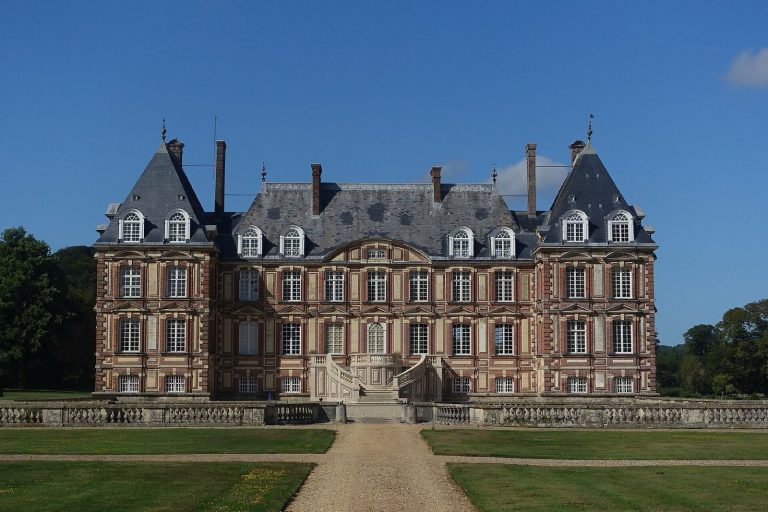
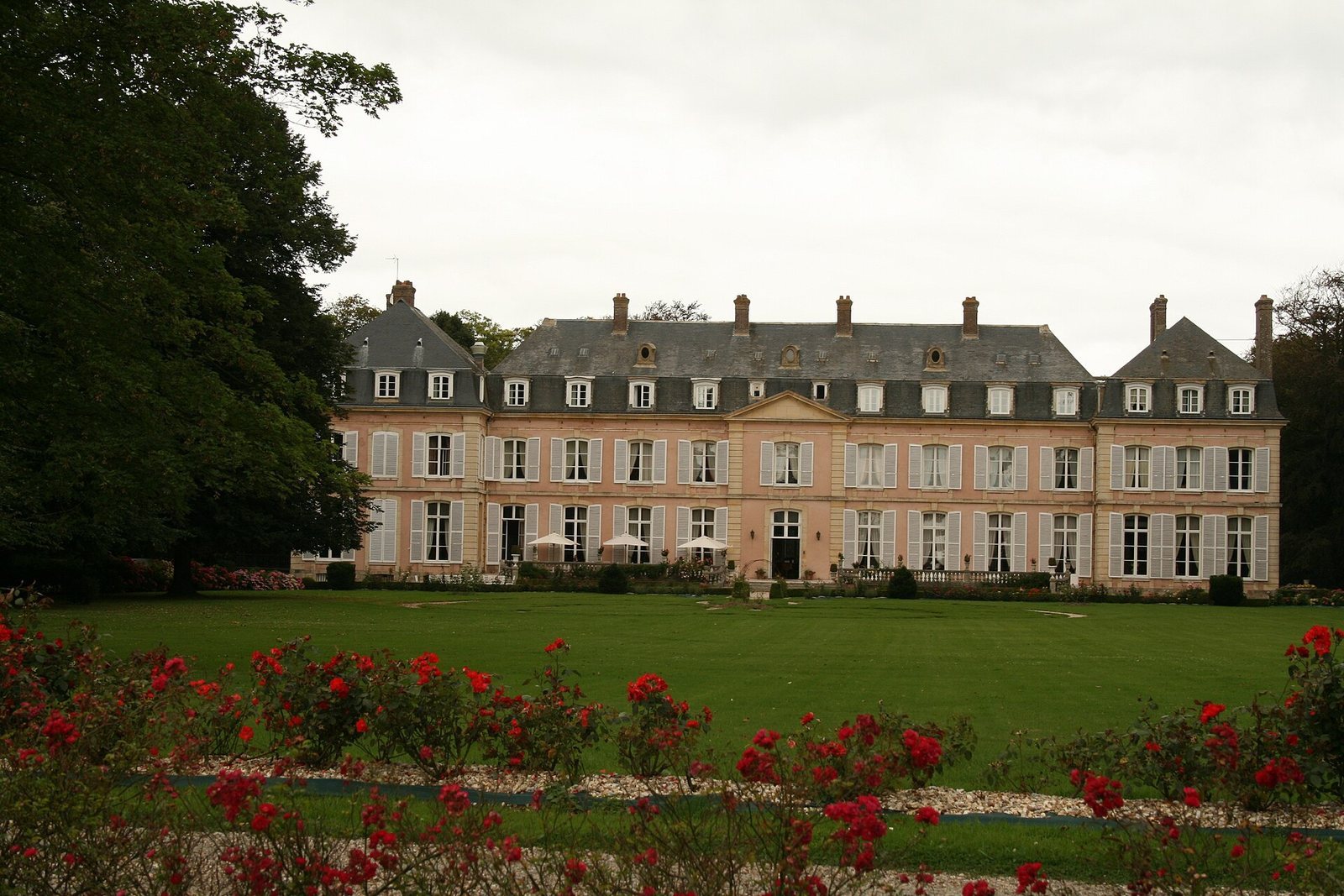
Sassetot Castle, also known as Sissi Castle, is an eighteenth-century residence in Sassetot-le-Mauconduit, Normandy, France. Jean-Robert Bigot began building it in 1772, near the end of Louis XV’s reign as king of France (1715–1774). Bigot’s nephew, the Marquis de Martainville, completed the residence.
Adrien Charles Deshommets (1783–1847), a former mayor of Rouen and deputy for Seine-Inférieure, died at the château.
Perquer and Sissi’s visit
In 1872, Albert Perquer, a wealthy shipowner from Le Havre, acquired the property. He restored the château and furnished it richly.
In the summer of 1875, Elisabeth of Wittelsbach, Empress of Austria and known as Sissi, stayed at the château for three months with a household of 70 people. She sought respite from court duties and protocol. Her youngest daughter, Marie-Valérie, who had pneumonia, accompanied her to benefit from the iodine-rich air. Sissi took daily sea baths and exercised with strenuous walks and horseback riding.
The de Mun family and later use
The estate passed through marriage to the de Mun family and remained with them into the second half of the twentieth century. Albert de Mun, a Catholic orator, spent summers there until 1914.
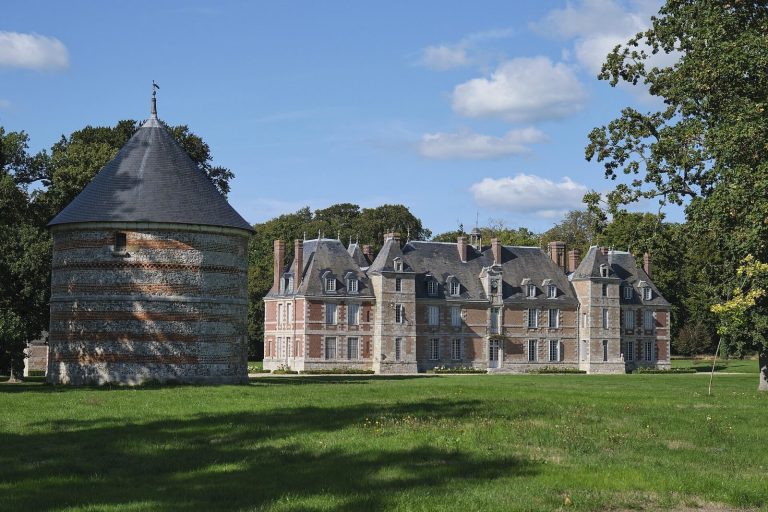
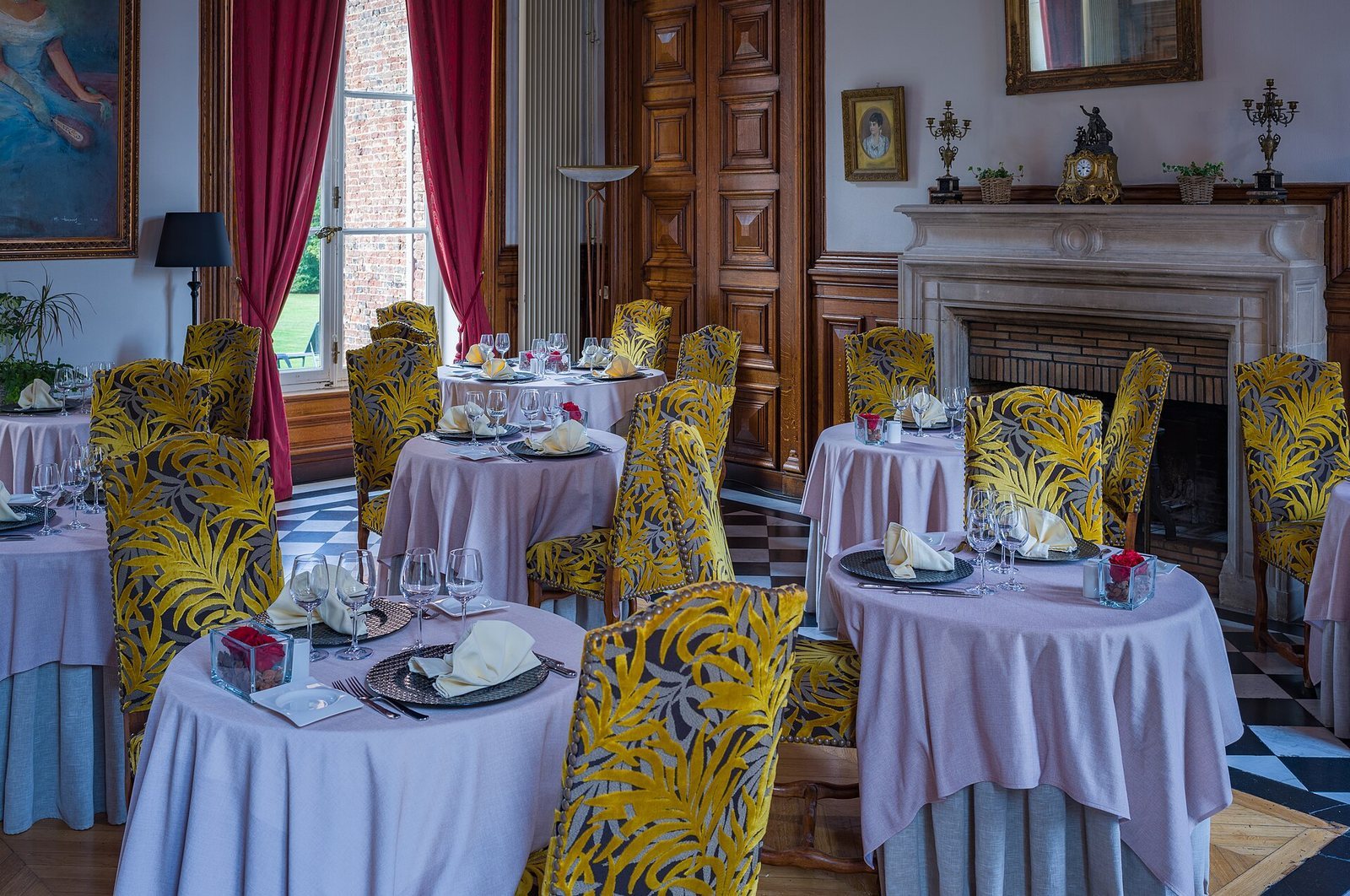
In 1975, the château’s façades and roofs, those of its orangery, and its dovecote were entered on France’s register of historic monuments. The residence was later converted into a hotel-restaurant and remains privately owned.
Remains
The property comprises the eighteenth-century château, an orangery, traditionally a building for sheltering citrus trees in winter, and a dovecote, a structure for housing pigeons.