Château de Saint-Brice: a Historic Château and Park in France


Site at a Glance
- Rating
- 4.7
- Popularity
- Very Low
- Country
- France
- Primary era
- Early Modern
- Eras represented
- Medieval, Early Modern
- Civilizations
- English, French
- Site type
- Domestic
- Remains
- Castle
On this page8 sections
History
Medieval origins and sixteenth-century transformation
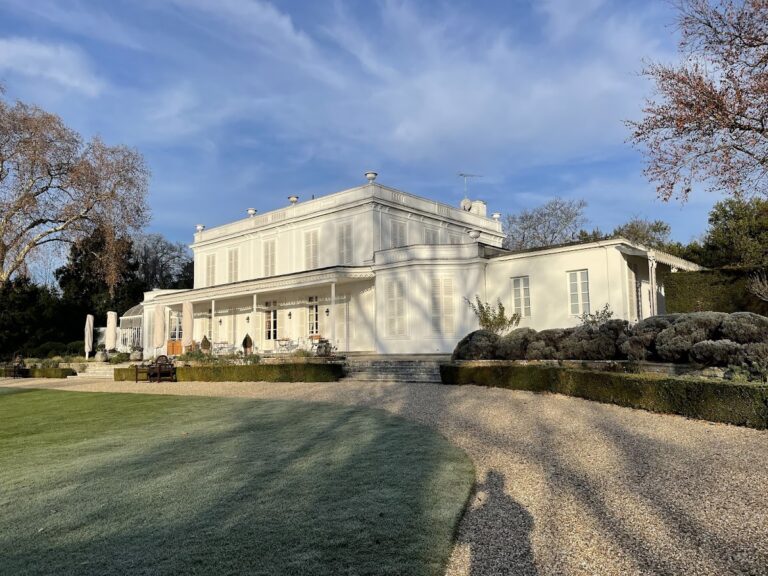
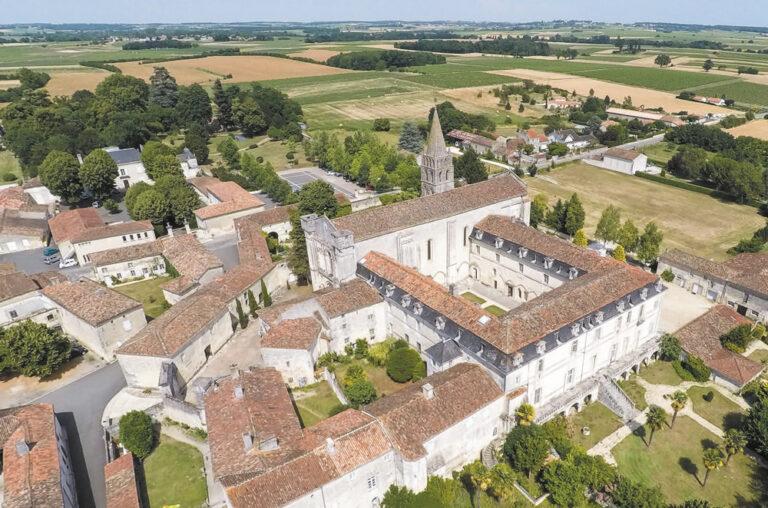
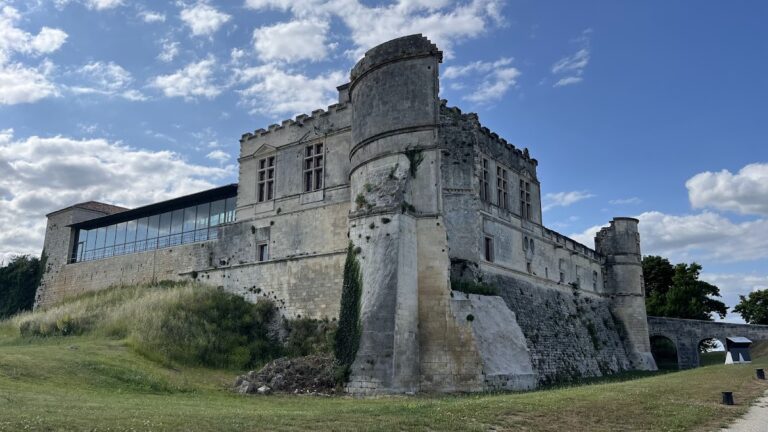
Château de Saint-Brice is a historic château in Saint-Brice, France, built during the fourteenth century and remodeled during the sixteenth and nineteenth centuries. It stands near the Charente River, upstream from Cognac, and became associated with several prominent families and political figures.
Jehan de Lousme is the earliest known owner. He held the château in 1363 and paid homage to the Black Prince in 1365. The Black Prince was Edward of Woodstock, an English prince and military commander who played a major part in the English campaigns in France during the Hundred Years’ War.
Charles Poussard du Fors, identified as the château’s initial proprietor, constructed the new château. In 1586, the building hosted a meeting between Catherine de’ Medici and Henry of Navarre, the future Henry IV. Catherine de’ Medici was the Italian-born queen consort and later regent of France, while Henry IV became king of France in 1589 after previously ruling as Henry of Navarre.
Owners and nineteenth-century restoration
After the sixteenth century, the château passed to the d’Ocoy family, then to a member of the La Motte d’Ayran family. The Maulevrier family owned it during the eighteenth century, followed by the Nanot family, who lived there at the time of the French Revolution.
Around 1875, General de Brémond d’Ars carried out major restoration work. After a brief period under Baron O’Tard de La Grange, the château passed to the Hennessy family in 1901 and has remained in that family’s ownership.
Château de Saint-Brice is included in the General Inventory of Cultural Heritage. Its boxwood labyrinth has been protected as a historic monument since 1971, and the park is designated a historic garden.
Remains
Château and enclosure
Main residential building
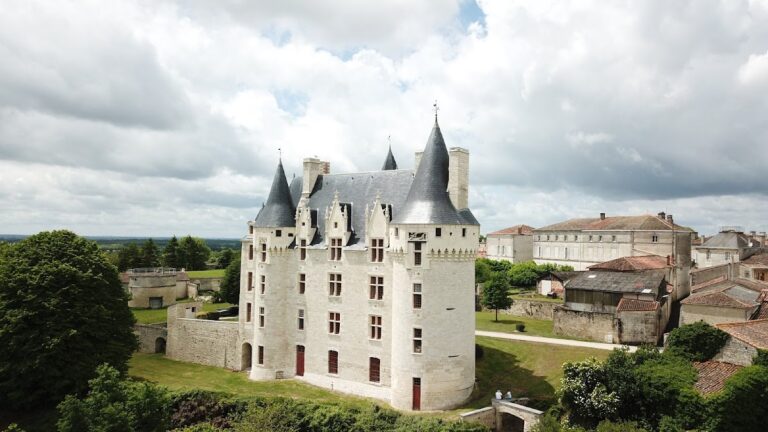
The château stands on the right bank of the Charente, approximately four kilometres upstream from Cognac. Its south façade faces the park and the river. The main residential building has one upper floor and is flanked by turrets topped with pepper-pot roofs, small steeply conical roofs used on turrets or corner towers.
The building has a two-sloped slate roof. Five windows run across the roof and first floor, partly set into the façade and partly positioned at roof level. Each window has a sculpted stone pediment.
Older turret and enclosure wall
On the side facing the church, an older turret is incorporated into the enclosure wall. Its position preserves part of the château’s earlier defensive and boundary arrangement within the later complex.
Park and garden features
The park is attributed to Édouard André, a prominent French landscape architect and garden designer of the nineteenth and early twentieth centuries. A terrace overlooks the park, the descent toward the Charente, and a clipped-boxwood labyrinth. The grounds also contain a monument representing a hunting scene.