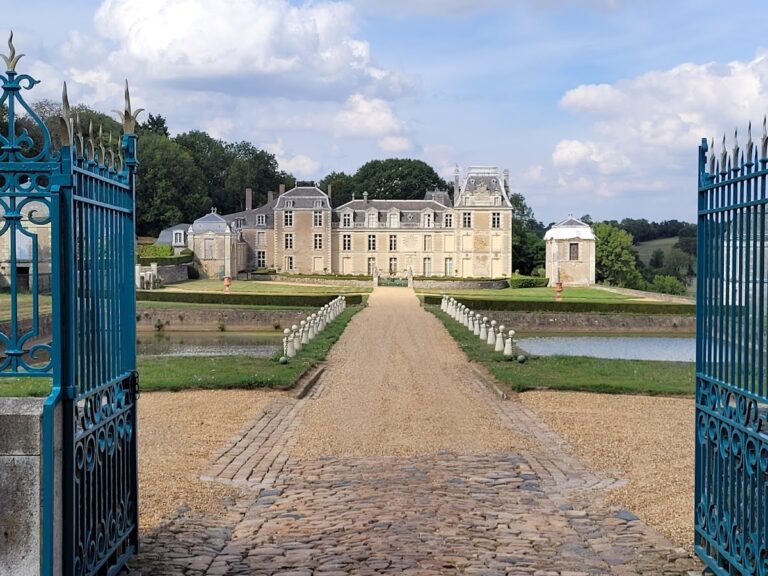
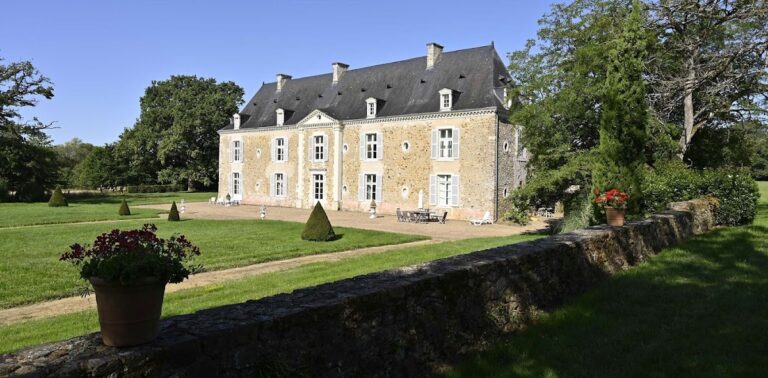
Château de Magnanne: A Historic Residence in France


Site at a Glance
- Rating
- 3.8
- Popularity
- Very Low
- Country
- France
- Primary era
- Early Modern
- Eras represented
- Early Modern
- Civilizations
- French
- Site type
- Domestic
- Remains
- Elite Residence
On this page6 sections
History
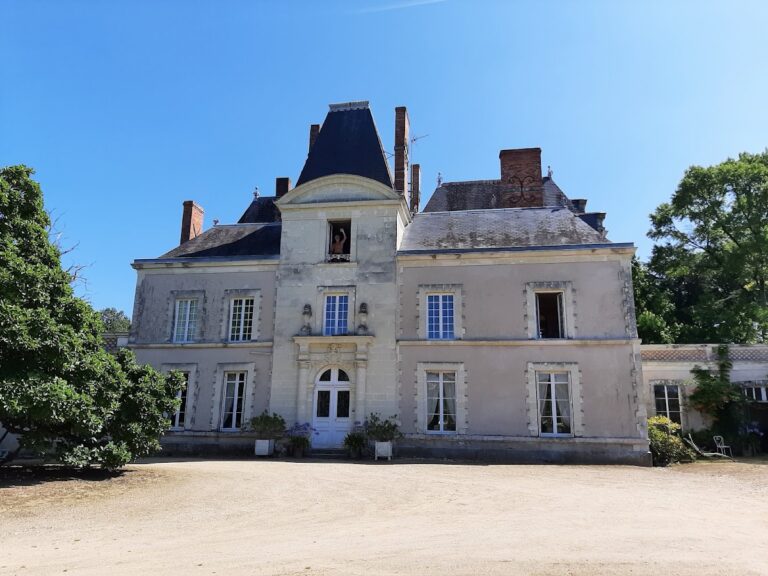
Château de Magnanne is a historic residence in Ménil, France, built for the Racappé family between about 1680 and 1700 during the late seventeenth century. Its decoration was completed during the first third of the eighteenth century, and the estate had earlier belonged to the Raccapé family since 1429.
The Raccapé Estate
Jean II Raccapé acquired the Magnanne estate on 10 February 1429 from Bertrand Gouion, seigneur of Beaucorps, in exchange for property in Brittany. Magnanne remained with successive generations of the family, including Louis Raccapé, René Raccapé, Pierre Raccapé, Claude Raccapé, René de Racappé, and Henri-Michel-Augustin de Racappé.
Michel de Racappé, seigneur of Ménil, built the present château during the late seventeenth century. Construction is dated approximately to 1680–1700. Michel died in 1699, and Henri-François de Racappé continued the work, completing the decoration during the first third of the eighteenth century. In April 1701, letters patent issued by Louis XIV, king of France from 1643 to 1715, elevated the land of Magnanne and its dependencies to a marquisate, a territorial lordship raised to the rank of a marquis by royal grant.
Transfers in the Eighteenth Century
Henri-François de Racappé transferred nearly all his property to his son Henri-Michel on 16 June 1716. Henri-Michel was then a musketeer, a member of the French king’s household troops originally armed with a musket. At the time of his son’s marriage, on 6 July 1726, Henri-François transferred the remainder of his movable and immovable property and associated rights.
Henri-Michel de Racappé died in Paris on 13 March 1755 without issue. Magnanne then passed to his sister, and later that year her brother-in-law, Salomon-François II de La Tullaye, became its owner.
The La Tullaye and Sabran-Pontevès Families
Ownership remained with the La Tullaye family through Henri-Anne-Salomon de La Tullaye, Augustin-Louis-Salomon de La Tullaye, Augustin-Jean de La Tullaye, and Jules-Augustin de La Tullaye. Augustin-Louis-Salomon and his wife sponsored a new bell for the church of Ménil in 1802. In 1812, the marriage of Marie-Henriette de La Tullaye and Charles-François-René Déan de Luigné was celebrated in the château’s chapel.
Augustin-Jean de La Tullaye served as mayor of Ménil during several periods between 1814 and 1866, while Jules-Augustin de La Tullaye held the office from 1866 to 1883. Through Charlotte-Cécile de La Tullaye’s marriage to Edmond-Marie-Zozine de Sabran-Pontevès, Magnanne passed to the Sabran-Pontevès family in 1883. Edmond-Marie-Zozine served as mayor of Ménil from 1883 to 1896 and died at Magnanne in 1903.
Modern Ownership and Protection
The duke of Sabran-Pontevès sold the château in 1923 to Baron Édouard Creuzé de Lesser, who was identified as its owner from that year. Château de Magnanne has been protected as a French Monument historique, the national legal system for historically or architecturally significant buildings and sites, since 6 August 1958. In 2024, the property was offered for sale for more than three million euros.
Remains
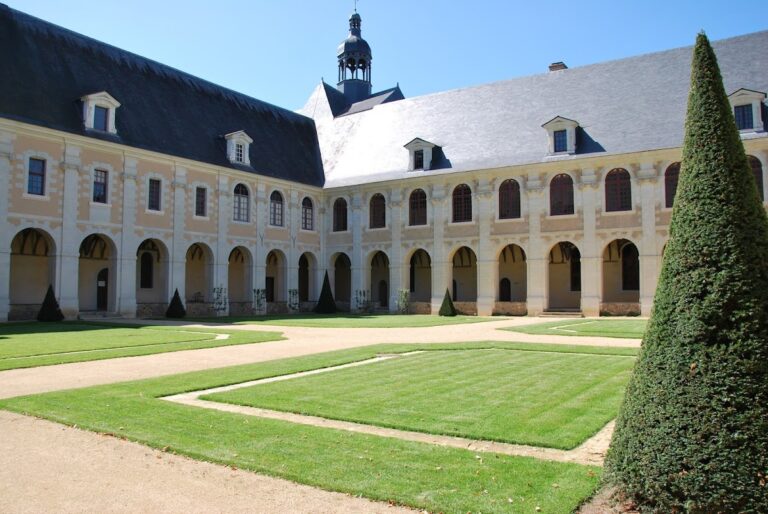
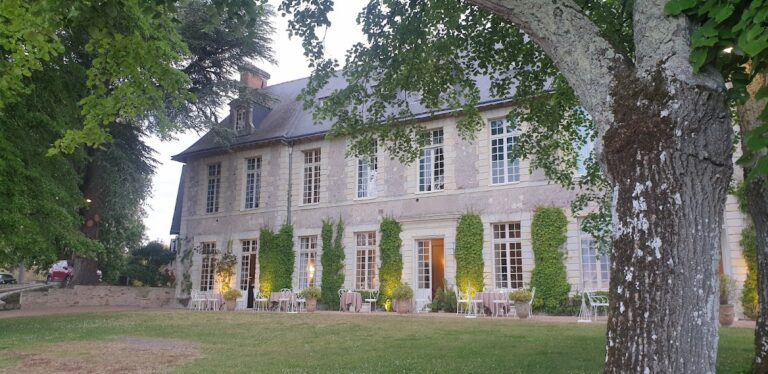
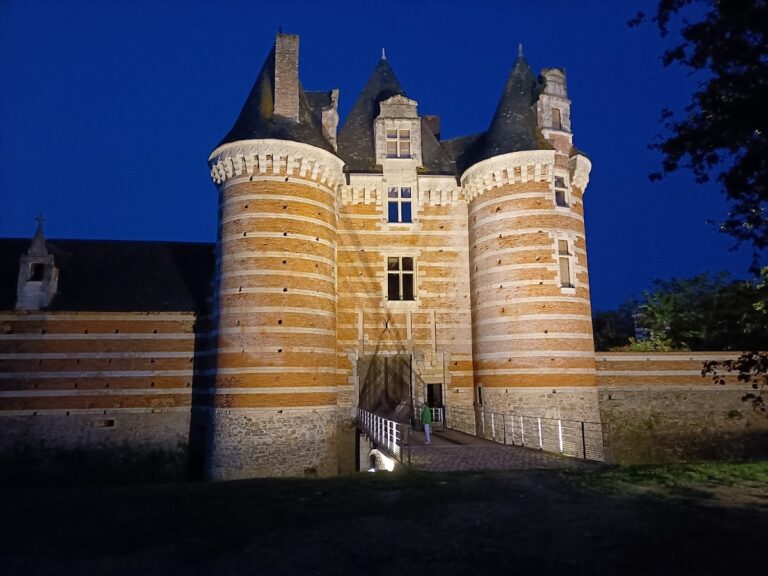
Château de Magnanne is a late-seventeenth-century residence built on the Magnanne estate. Its construction dates approximately to 1680–1700, while its decorative work was completed during the first third of the eighteenth century. The surviving complex includes a chapel, where the marriage of Marie-Henriette de La Tullaye and Charles-François-René Déan de Luigné was held in 1812.
Nearby sites