Château de la Rivière: A Historic Wine Estate in Gironde
Site at a Glance
- Popularity
- Medium
- Country
- France
- Primary era
- Early Modern
- Eras represented
- Medieval, Early Modern, Modern
- Civilizations
- Carolingian, French
- Site type
- Domestic
- Remains
- Castle
On this page11 sections
History
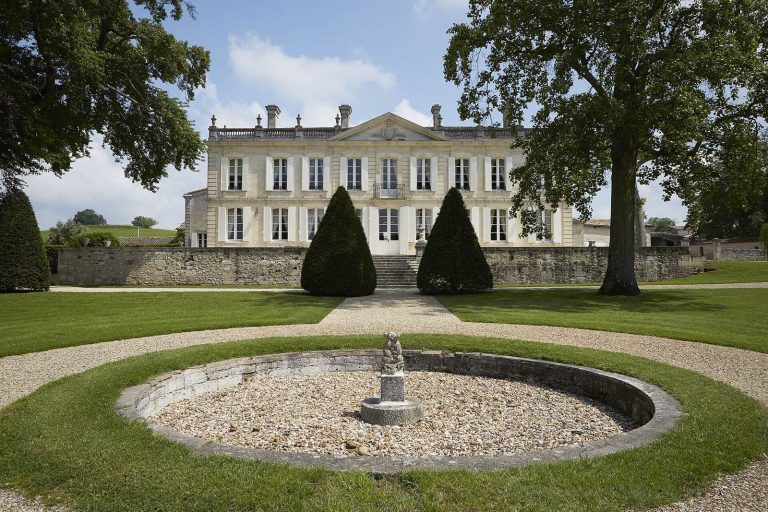
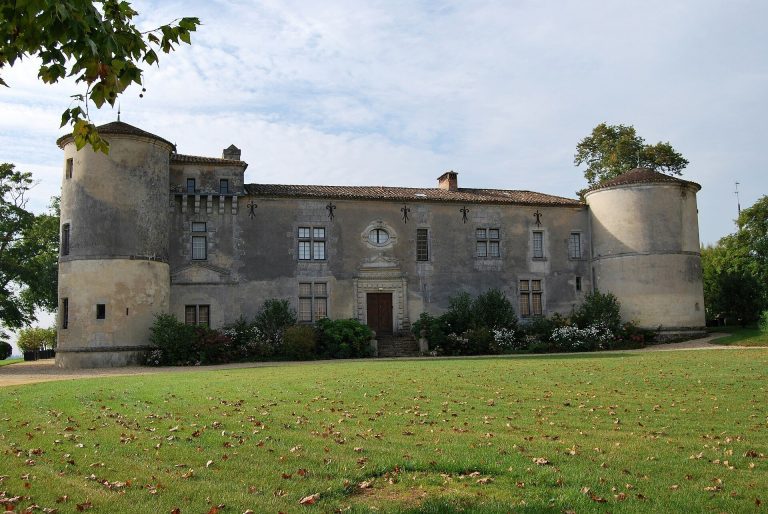
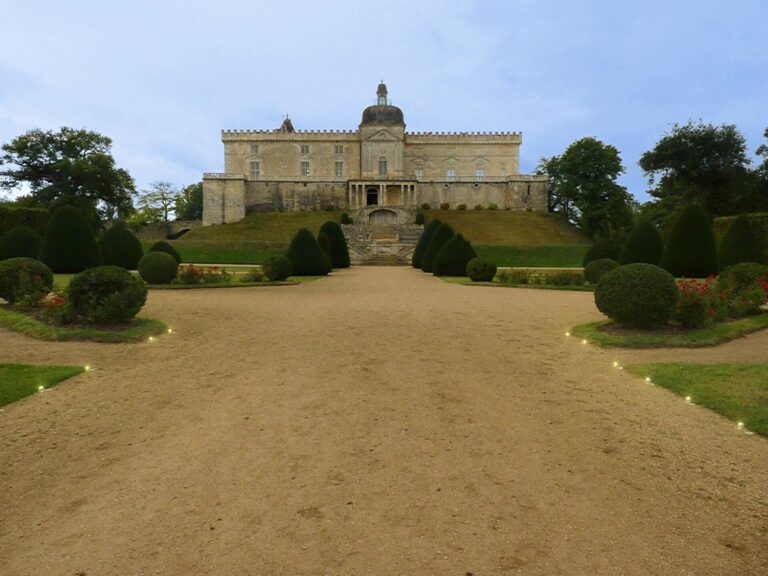
Château de la Rivière is a château and wine estate at La Rivière in Gironde, France, commissioned by Gaston de l’Isle IV and completed in 1572. Its history reaches back much further, to a lookout established at the site in the eighth century.
Early watchtower and medieval ownership
In 769, the Frankish ruler Charlemagne established a watchtower on a promontory at the site of a Gallo-Roman burial mound, from the Roman-period culture of Gaul. The tower served as a lookout to warn a military camp at Fronsac. Archaeological evidence also points to an earlier Roman settlement.
La Rivière passed through a succession of owners from the thirteenth century. Gaston de l’Isle I held it in 1260, followed by Gaston de l’Isle II in 1339, who supported the English. In 1353, Guillaume Sans de Pommiers, viscount of Fronsac, and his wife Jeanne de Fronsac gave the property to Eyrin Aubert, also aligned with the English. Eyrin’s son Guilhem succeeded him in 1373, followed by Guilhem’s daughter Comtor in 1385, known as the Lady of La Rivière.
By 1417 or 1419, Marguerite de Pommiers, daughter of Guillaume Sans, and Peyrot des Fontaines held the property; their son Jean followed them. In 1448, Gaston de l’Isle III became its owner while commanding the fortress of Castelnau for the English king during the Hundred Years’ War, a series of conflicts between the English and French crowns from the fourteenth to the fifteenth century. His sons Jean, Pierre and Gaillard administered La Rivière in succession. Gaillard’s children were Gaston and Françoise.
The sixteenth-century château and succession disputes
By 1553, Gaston de l’Isle IV, mayor of Bordeaux, owned La Rivière and commissioned the present château. His wife was Bonnaventure de Lur. Their daughter Jeanne inherited the property in 1577, and her son succeeded her in 1620.
When that successor died in 1631, the château was deeply indebted and was seized. Legal disputes over succession continued under François de Mons until 1639. That year, Cardinal Richelieu, duke of Fronsac, granted La Rivière and its lordship to Marthe Viaud, wife of Samuel Eusebe Campet de Saujon, bringing the dispute to an end. Château de Carles was also annexed to La Rivière in 1639.
Campet ownership and nineteenth-century changes
In 1736, La Rivière belonged to Charles François de Campet de Saujon, son of Louis and brother of Charles Gaspard. His son Charles Olive Floris succeeded him and died in 1758. Charles Olive Floris’s daughter, Marie-Charlotte Hippolyte de Campet de Saujon, countess of Boufflers, then became owner. She died on 9 December 1800 without heirs in France; her only son was in America.
The Sieur Labitte bought the château at a public auction in Paris in 1802. Having no heirs, he sold it in 1817 to his lawyer, Nicolas Antoine Massé de Cormeille. After Nicolas Antoine’s death in 1843, his son Alexandre inherited the property with his mother, Louise Massé de Cormeille. They held it together until 1851.
Alexandre, born in 1796, died unmarried and without children in 1880. His close friend Victorine Gaboré, known as Madame Fuinel, inherited his estate. After marrying Victorine, Colonel Jean-François Fuinel arranged renovations, completed in 1891. He died in 1897 and Victorine in 1904; they had no children.
Jacques Paulin de Cazeuneuve bought La Rivière and Château de Carles in December 1899. In 1903, René Mortier-Quarré, an engineer at the château, bought it from his employer. Émile Balluteaud, a wine merchant from Blanzac, acquired the property in 1925.
Twentieth-century owners
Jacques Borie owned the château when it was restored in 1962, but financial difficulties compelled him to sell. By September 1994, Jean Leprince owned the property, managed by his daughter Valérie and her husband Xavier Péneau. After Leprince died accidentally in 2002, financial problems again led to a sale.
James Grégoire became owner in September 2003. On 19 December 2013, he sold the estate to Lam Kok, a Chinese businessman and president of the Brilliant group. During a helicopter flight intended to show Lam Kok the property, the aircraft crashed into the Dordogne. Grégoire, Lam Kok, his 12-year-old son and an adviser died. Lam Kok’s wife, Madame Lau, survived and became the sole owner.
Remains
Buildings and wine-producing estate
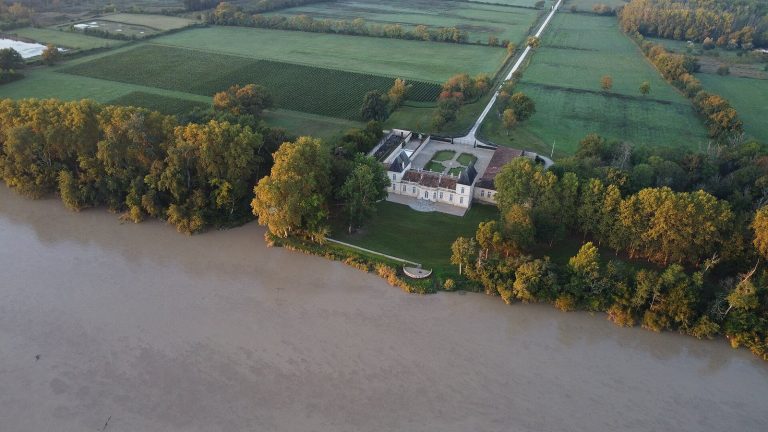
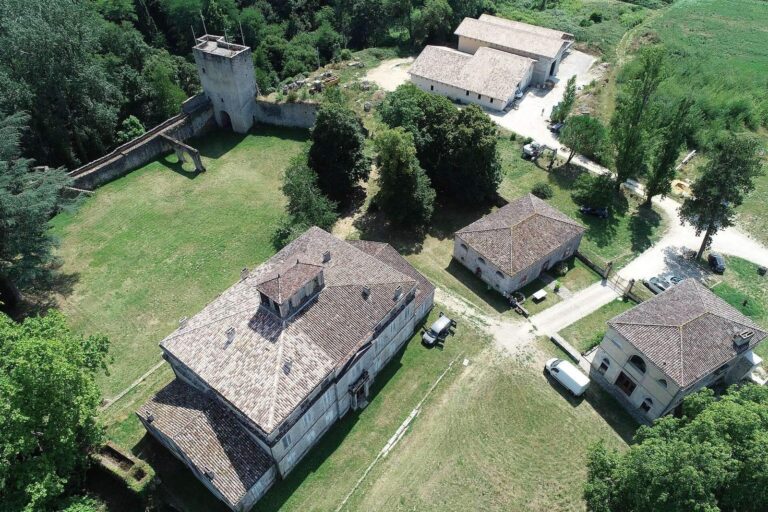
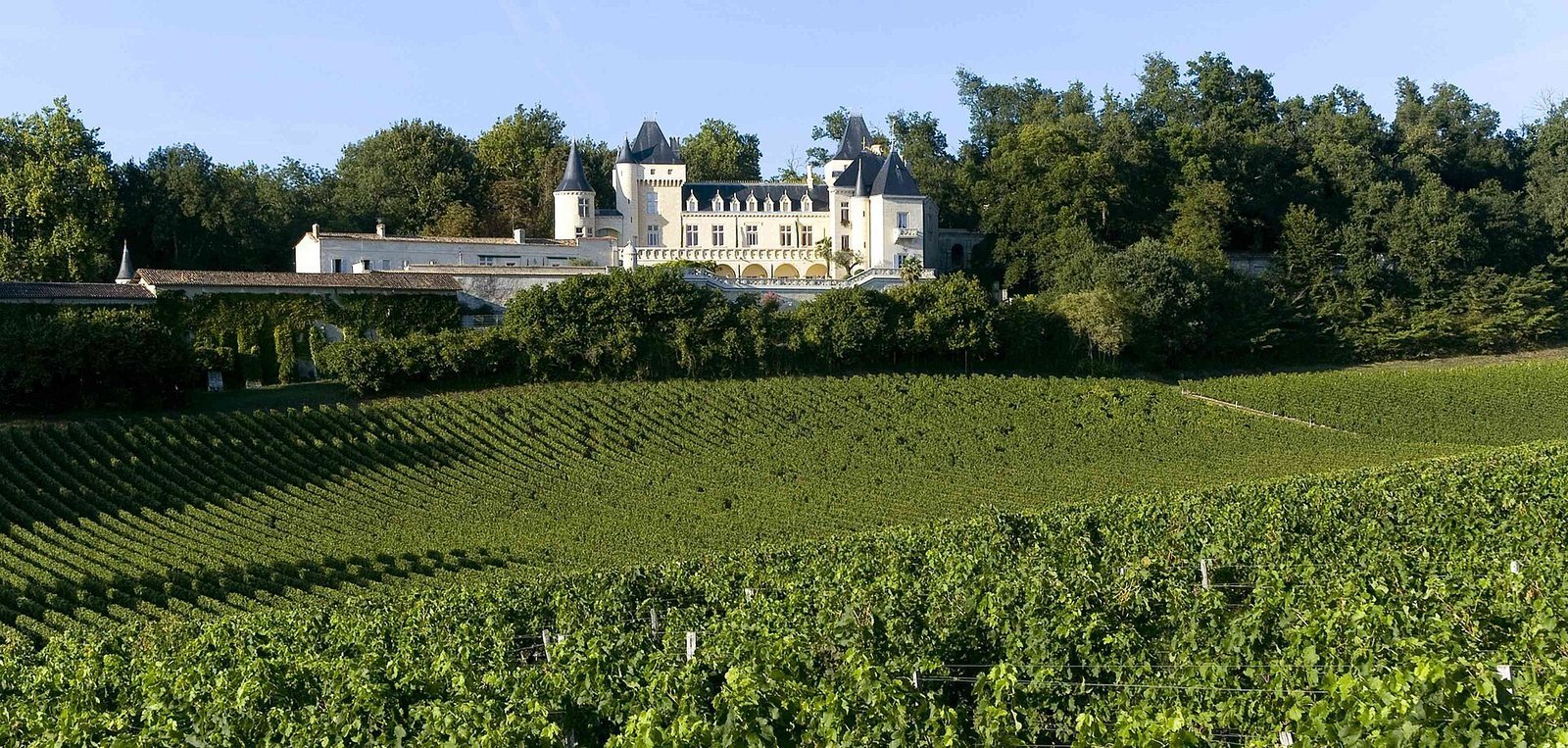
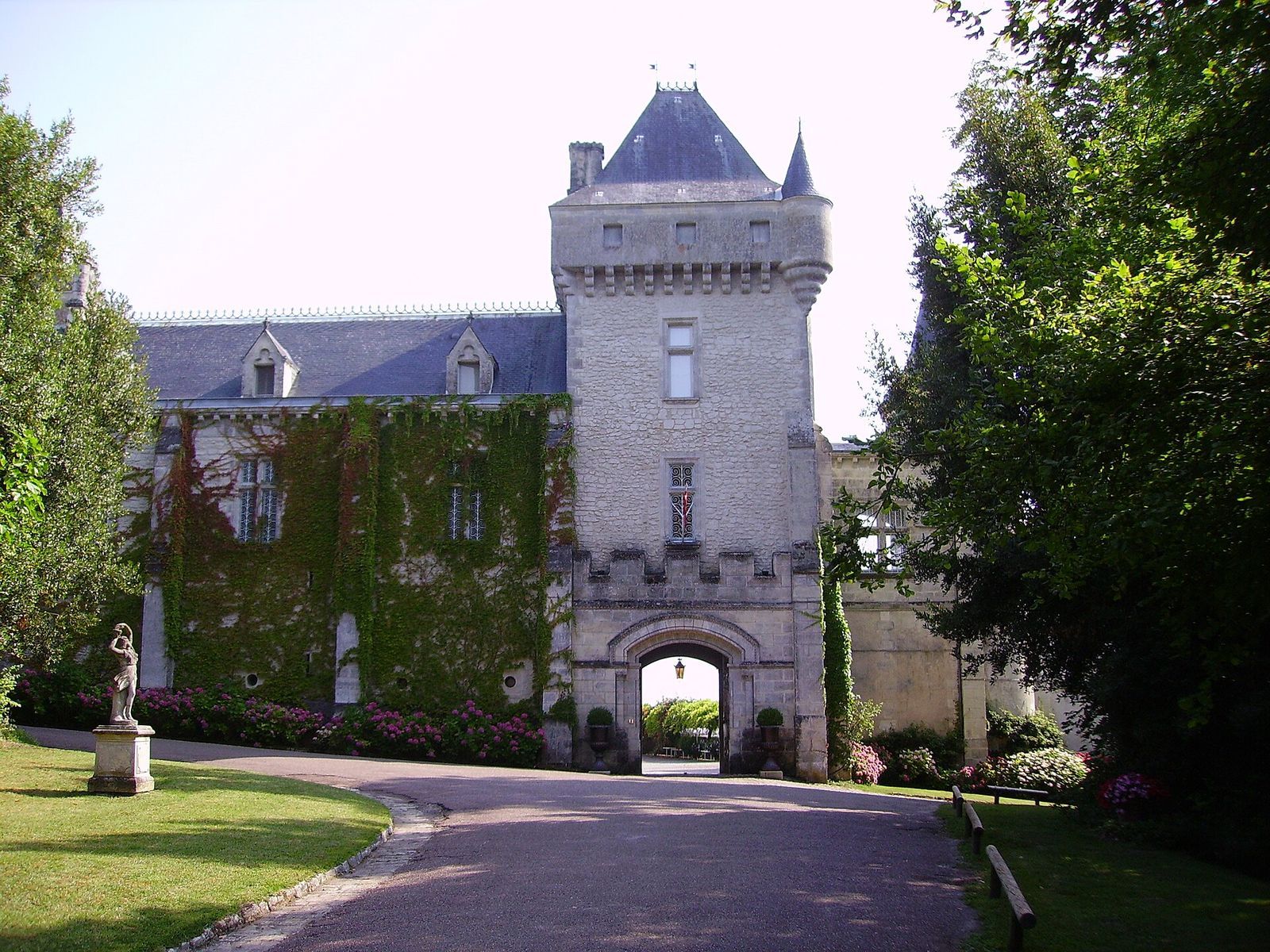
The château estate stands above the Dordogne valley, with the river below. Its historic buildings and wine-production features include the château, a bath, vaulted cellars and vineyards.
The château
The château overlooks the valley and the Dordogne below. It was built in the sixteenth century, with construction completed in 1572.
The Ladies’ Bath
The Ladies’ Bath was built during the ownership of Charles François de Campet de Saujon. Its construction belongs to the period when he held the estate.
Quarries and cellars
Old stone quarries on the estate contain vaulted cellars used to store wine barrels on a large scale.
Vineyards and winery
The estate covers 100 hectares, including 65 hectares of vines, and is the largest estate in the Fronsac appellation by vineyard area. About two-thirds of the vines are Merlot; the rest are Cabernet Sauvignon, Cabernet Franc and Petit Verdot. The winery was substantially expanded in 1995.