Petite Roseraie Castle: A Seventeenth-Century Estate in Châtenay-Malabry
Site at a Glance
- Popularity
- Medium
- Country
- France
- Primary era
- Early Modern
- Eras represented
- Early Modern, Modern
- Civilizations
- French
- Site type
- Domestic
- Remains
- Castle
On this page7 sections
History
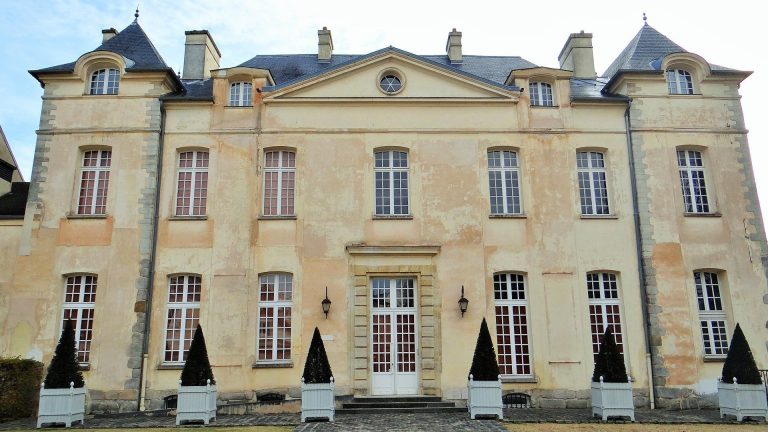
Petite Roseraie Castle is an estate in Châtenay-Malabry, France, built in the seventeenth century. Its owners included Marshal de Ségur, the Arouet family, Prince Francesco Borghèse and the Count de Boigne.
The Arouet family and the Voltaire tradition
Voltaire, born François-Marie Arouet, maintained that he was born on his father’s property in Châtenay-Malabry, rather than in Paris, where his birth certificate placed his birth. The Count de Boigne’s wife also referred in her memoirs to Voltaire’s birth in the house, linking the estate to this local tradition.
Salons and nineteenth-century expansion
The Countess de Boigne held salons at the estate, attended by opponents of Napoleon Bonaparte’s policies. Napoleon was a French military leader and emperor. Among the guests were writer and political thinker Germaine de Staël, political theorist Benjamin Constant, salon hostess Madame Récamier and writer and political figure Chateaubriand.
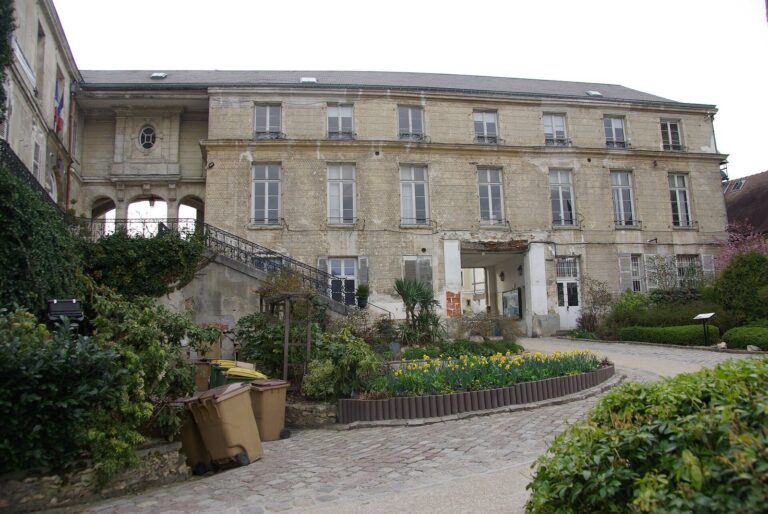
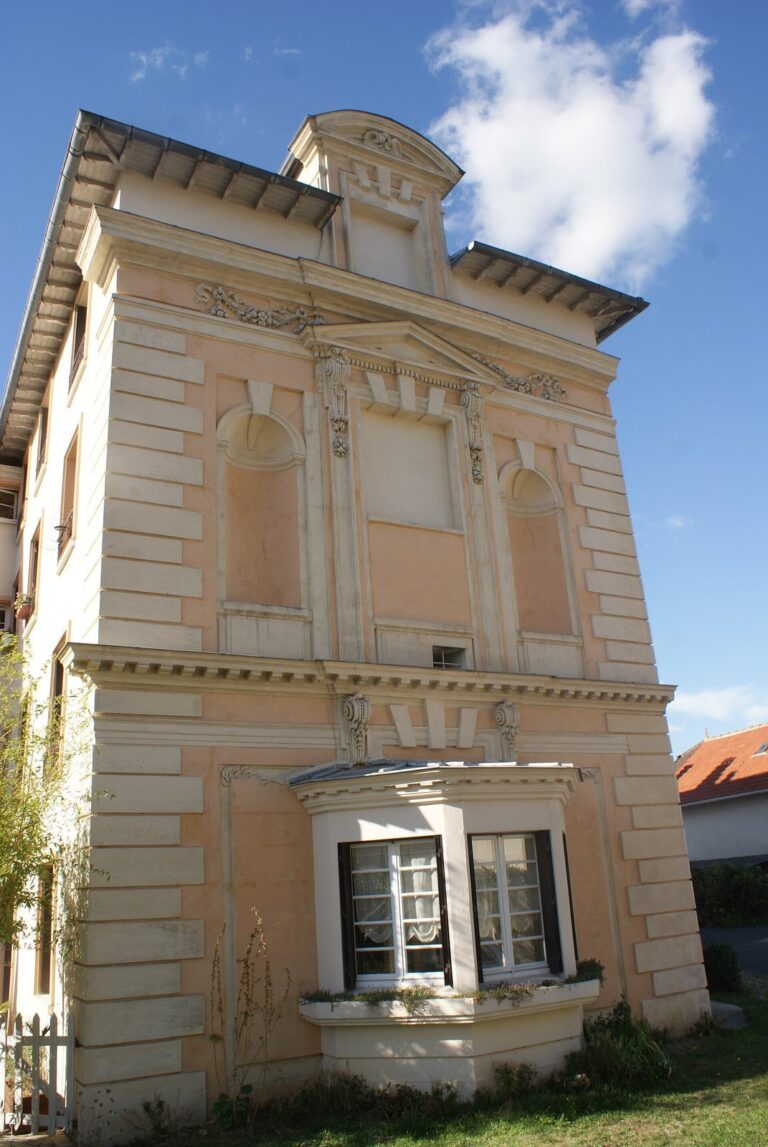
In 1829, Paris stockbroker Alexandre Roland-Gosselin acquired the estate and enlarged it with surrounding land. In 1853, he added the separate Arouet house and service buildings to the property, then demolished the Arouet house.
Charitable and public uses
After Roland-Gosselin’s death in 1866, his granddaughter Marie-Alexandrine Roland-Gosselin had an orphanage for girls in need built on the estate between 1873 and 1875. The French state acquired the property in 1941 and established a higher teacher-training school for women’s physical education there. The institution later became a popular education centre and then a CREPS, a public centre for sports resources, expertise and performance.
On 5 June 1946, the estate was registered as a French historic monument, a legal heritage-protection designation.
Remains
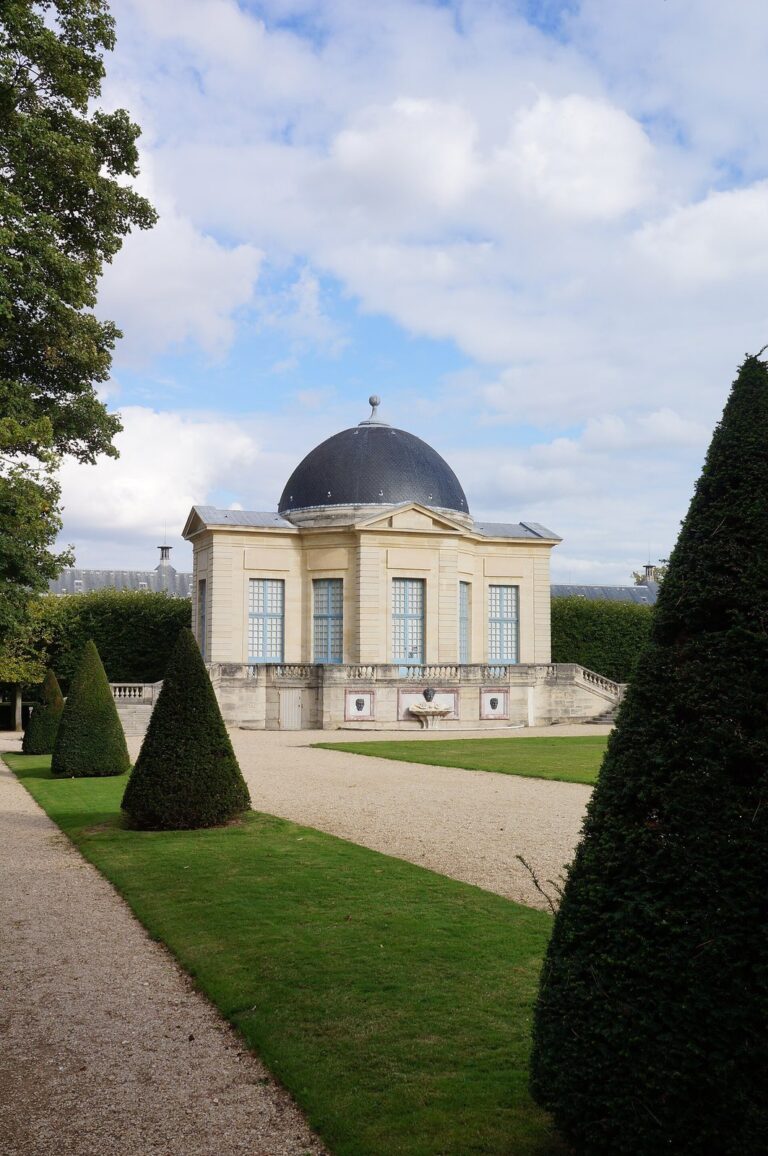
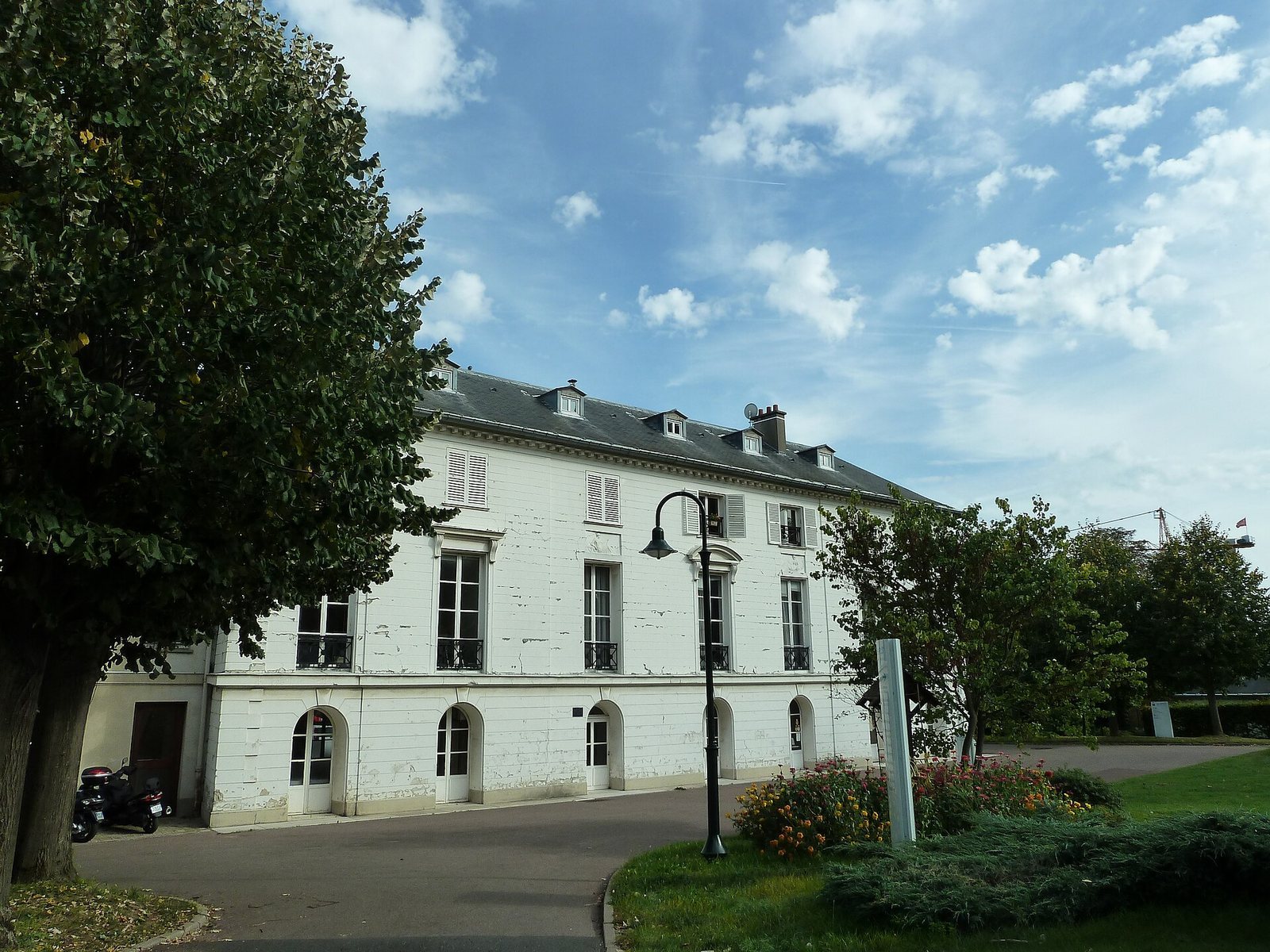
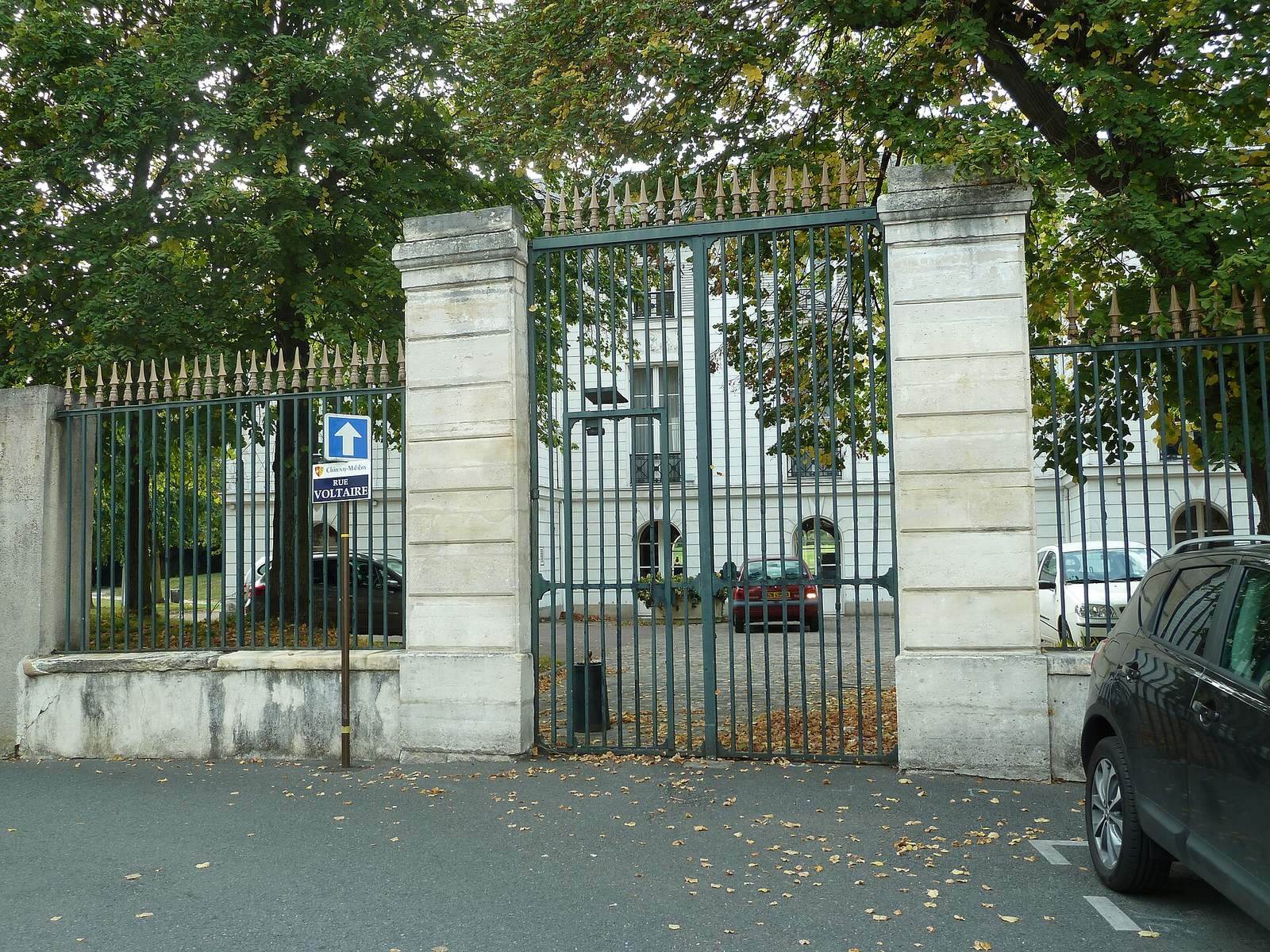
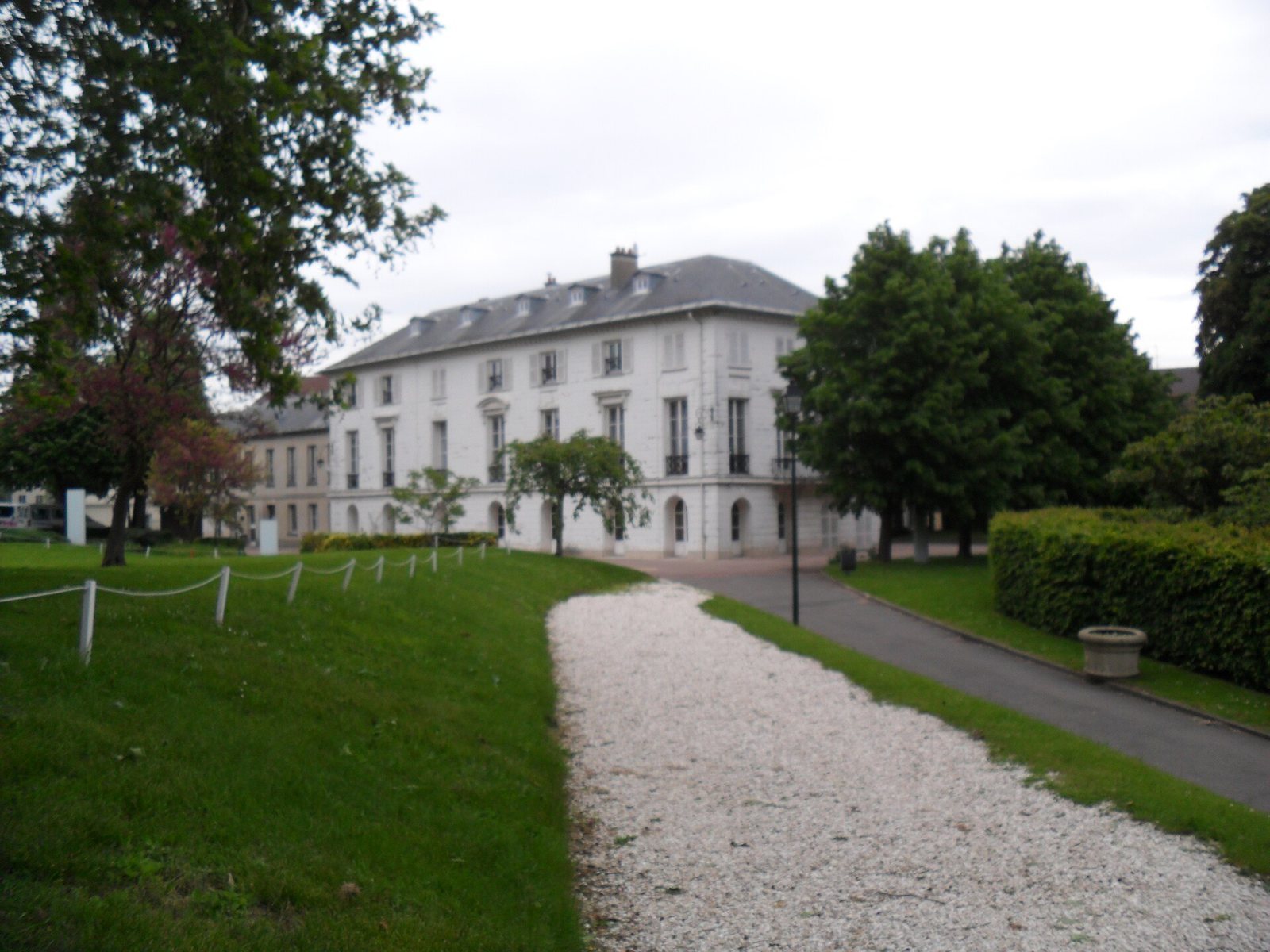
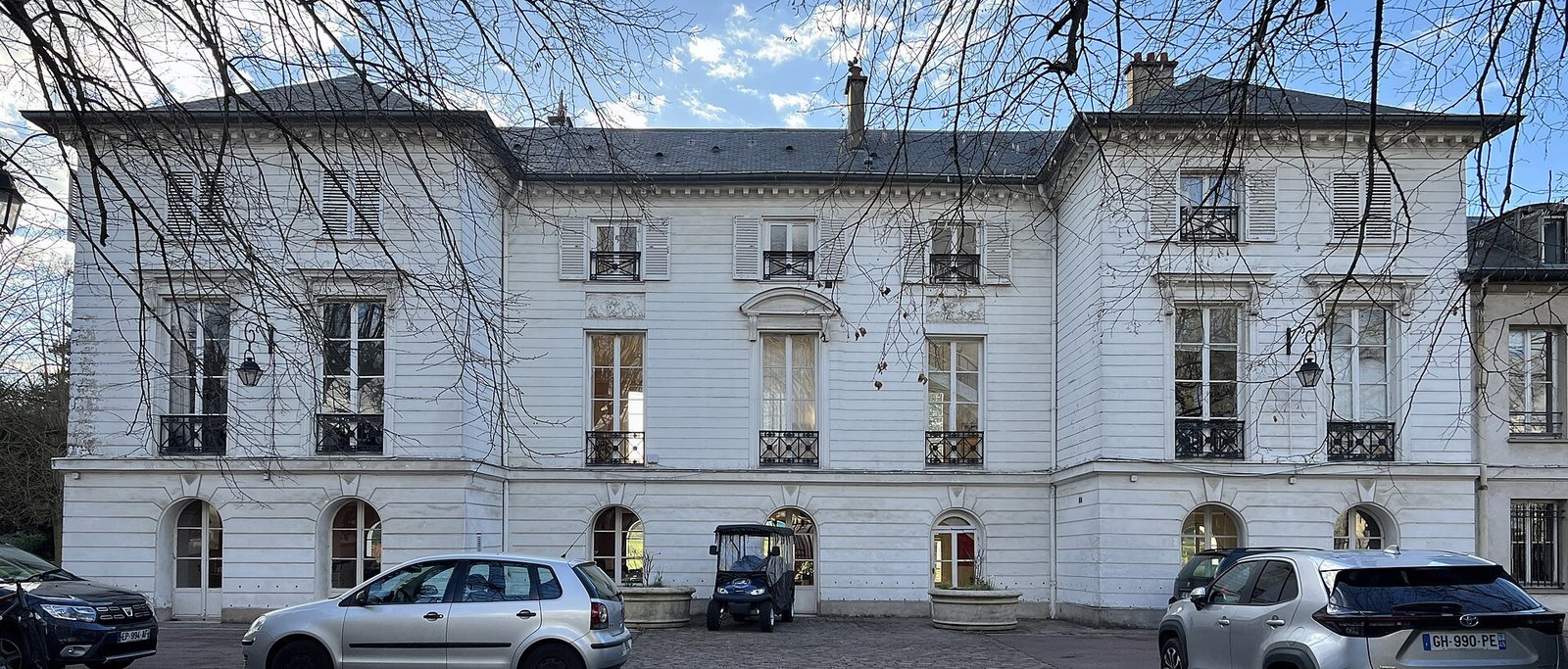
The estate’s physical features include the château and its interiors, an entrance grille on Place Voltaire, and a designed park with associated buildings.
Château and entrance
The château’s façades and roofs form part of its architectural fabric. Inside, two ground-floor rooms have wood panelling, and the former dining room is another identified interior. The estate’s entrance grille is on Place Voltaire.
Park and garden buildings
Landscape architect Louis-Sulpice Varé designed the park in 1855 and built an orangery, traditionally used to shelter citrus trees in cold weather, as well as a small house for children. The small house was converted into a chapel in 1909.