La Buissière Castle: A Medieval Residence and Pleasure House in France
Site at a Glance
- Popularity
- Medium
- Country
- France
- Primary era
- Medieval
- Eras represented
- Medieval
- Civilizations
- French
- Site type
- Military
- Remains
- Castle
On this page5 sections
History
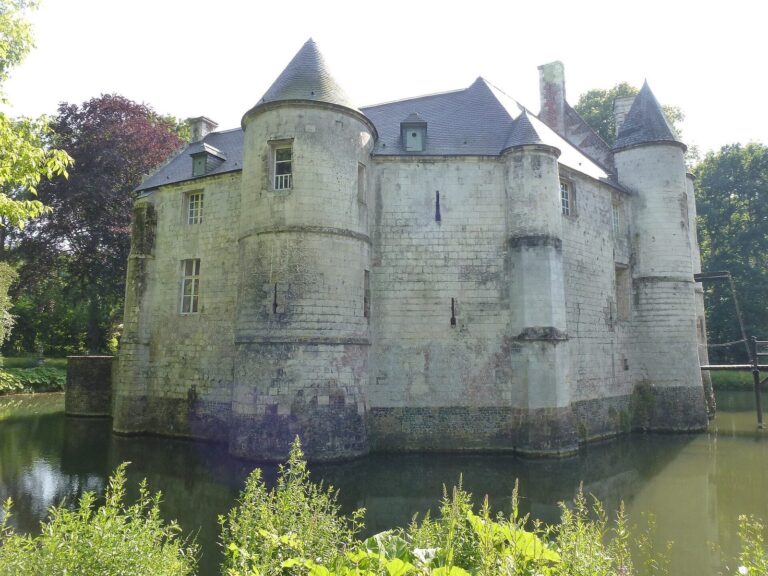
La Buissière Castle is a ruined castle in Bruay-la-Buissière, France. Its earliest traces date to the 12th century; construction began in the 13th century and was completed in the 18th. It served as a pleasure residence and, in the 14th century, was among the secondary residences of Mahaut d’Artois, the medieval countess of Artois.
Medieval development
The castle was strengthened in the 15th century. Its history as a residence continued alongside this defensive development.
Seventeenth- and eighteenth-century changes
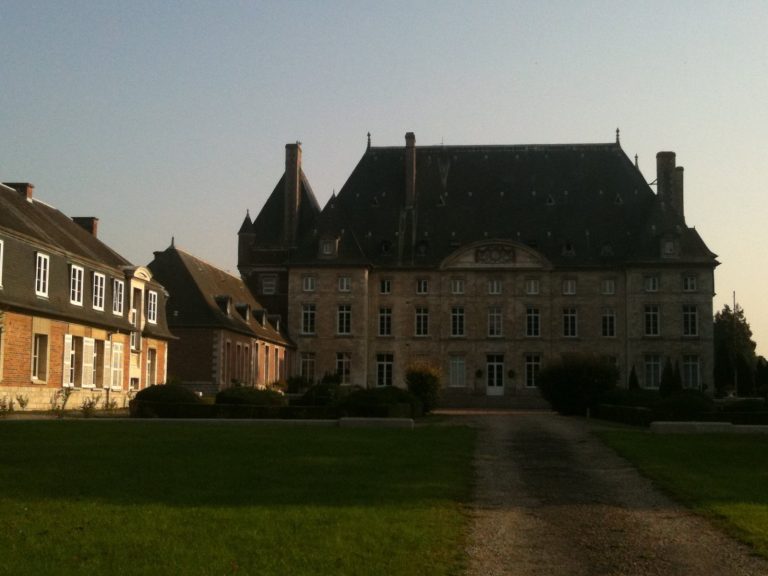
In 1662, the owner sold sandstone blocks from the ruined castle to Louis XIV, king of France, for construction work at Menin, a town in Belgium. In the 18th century, Ange de Maulde, a French nobleman and Marquis of La Buissière, converted the property into a pleasure residence.
Ownership, abandonment, and preservation
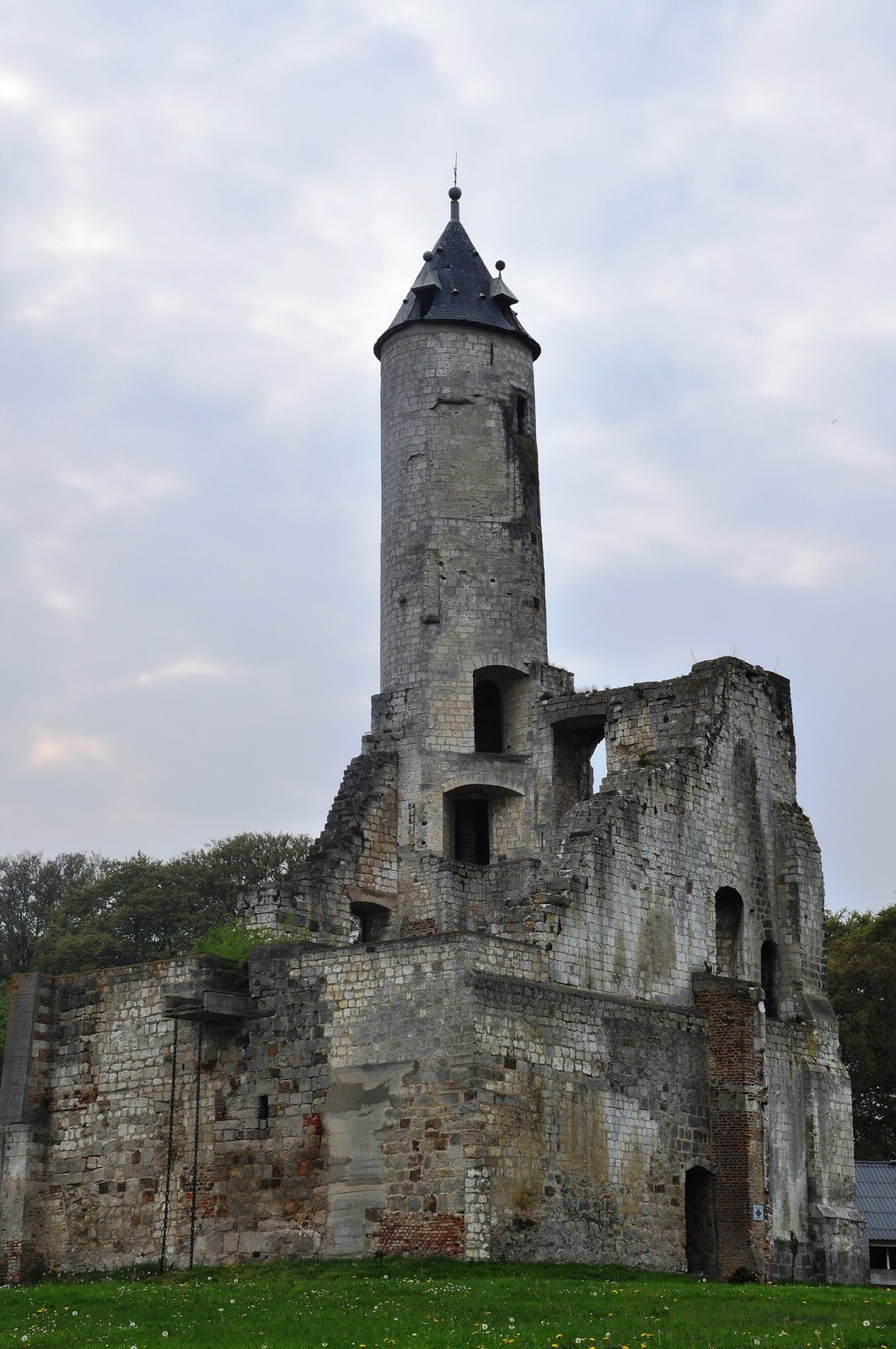
The property stayed with the de Maulde family until 1844, when it passed to the Riencourt family. Following the death of the last Countess of Riencourt in 1910, the castle was abandoned again. The Compagnie des Houillères, a coal-mining company, acquired it in 1917 and sold it to the Ministry of Justice in 1964. The ministry decided that year to demolish the castle. In 1965, the remaining keep was listed as a Historic Monument, France’s heritage-protection designation, at the last moment.
Remains
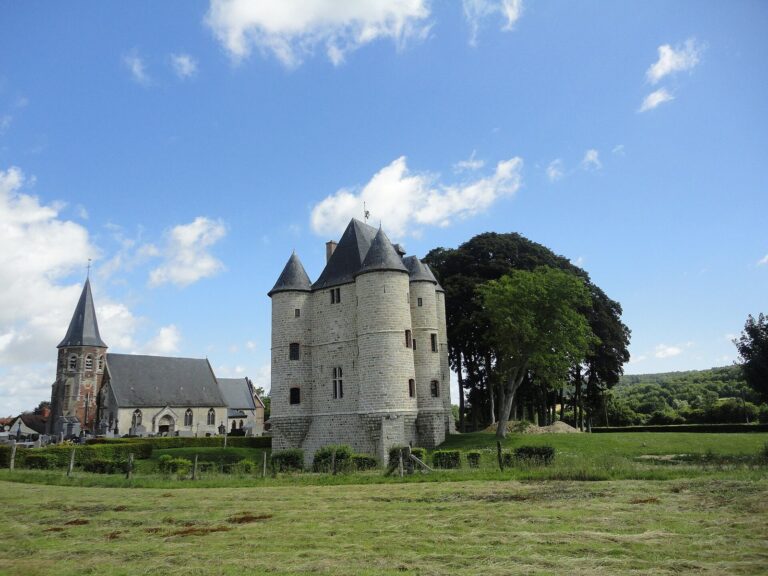
A 15th-century enclosure surrounded a forest covering 200 arpents, a traditional land measure whose value varied by region. The complex included a rectangular keep. In the 18th century, a residence with an L-shaped plan was built around the restored keep. The keep is now half ruined and is the castle’s only surviving part.