Château de Jallerange: An Eighteenth-Century Estate and Gardens in France
Site at a Glance
- Rating
- 4.8
- Popularity
- Very Low
- Country
- France
- Primary era
- Early Modern
- Eras represented
- Early Modern, Modern
- Civilizations
- French
- Site type
- Domestic
- Remains
- Elite Residence
On this page9 sections
History
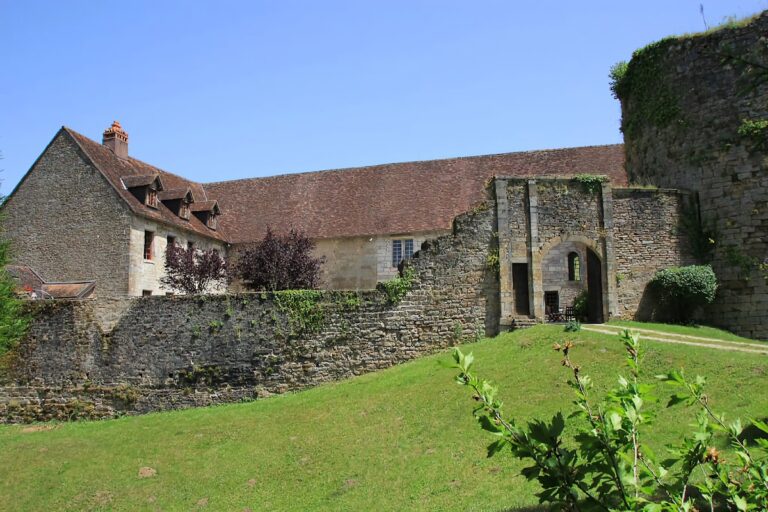
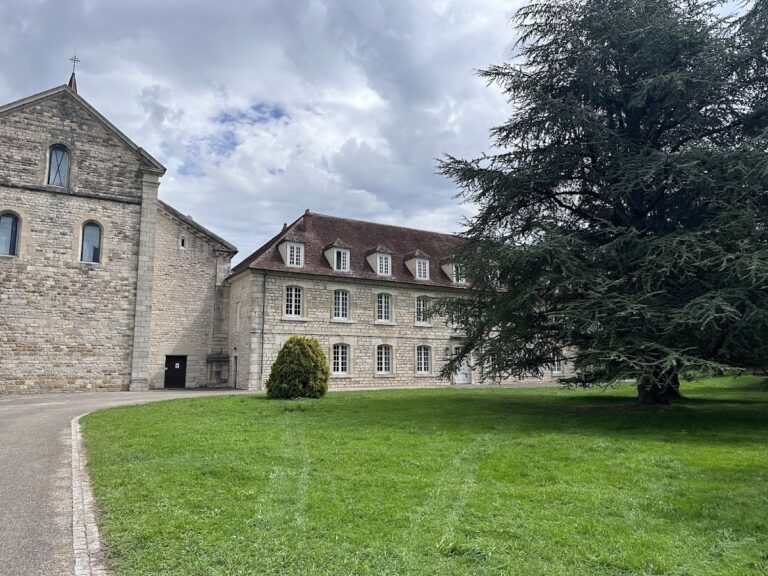
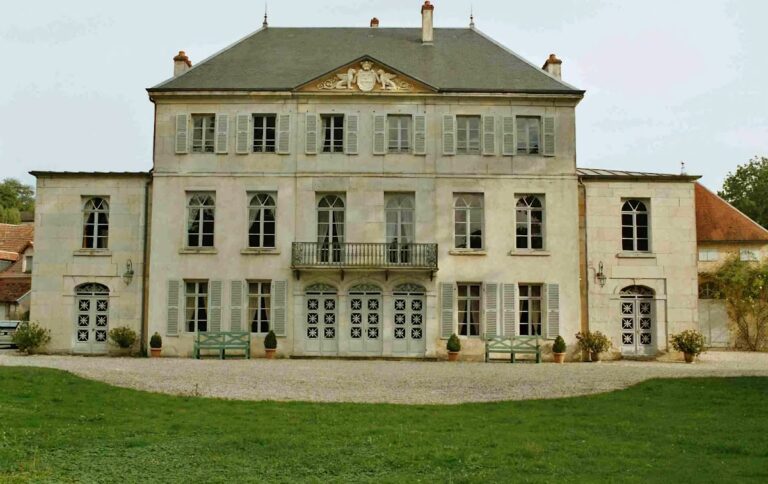
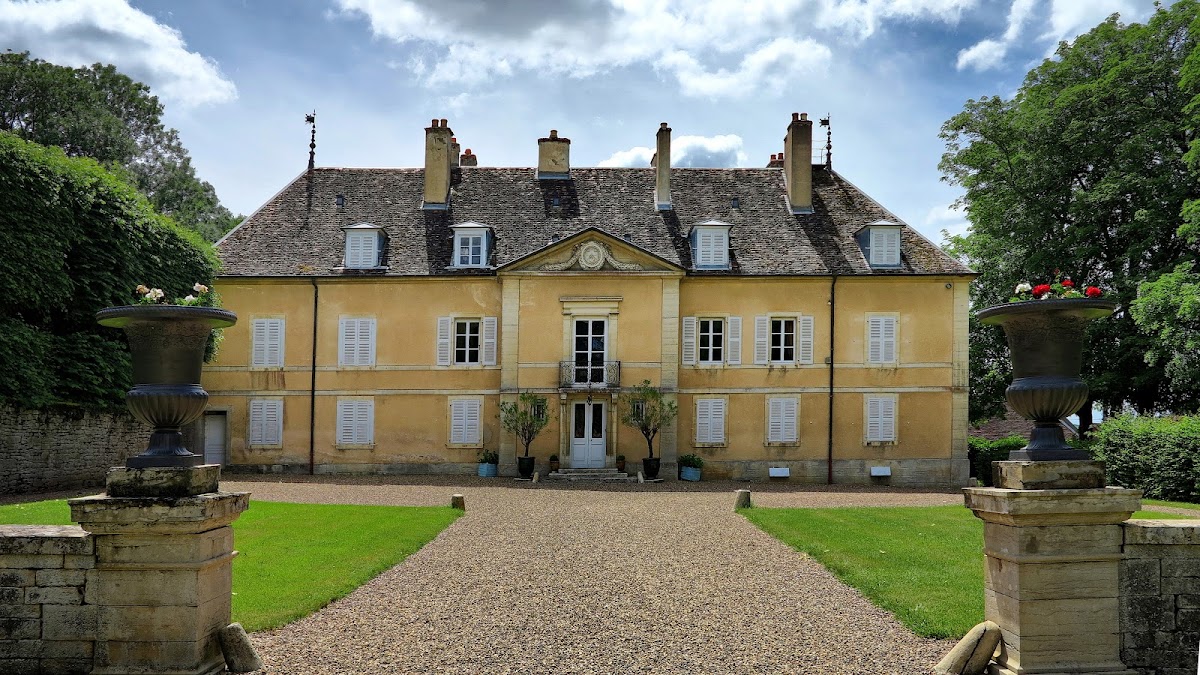
Château de Jallerange is an eighteenth-century château in Jallerange, France, constructed by 1751 on the initiative of Claude Nicolas Marcellin Seguin de Jallerange, who began his career as a lawyer and later became a councillor. The estate developed as a residence with formal gardens and grounds connected to viticulture.
An eighteenth-century estate
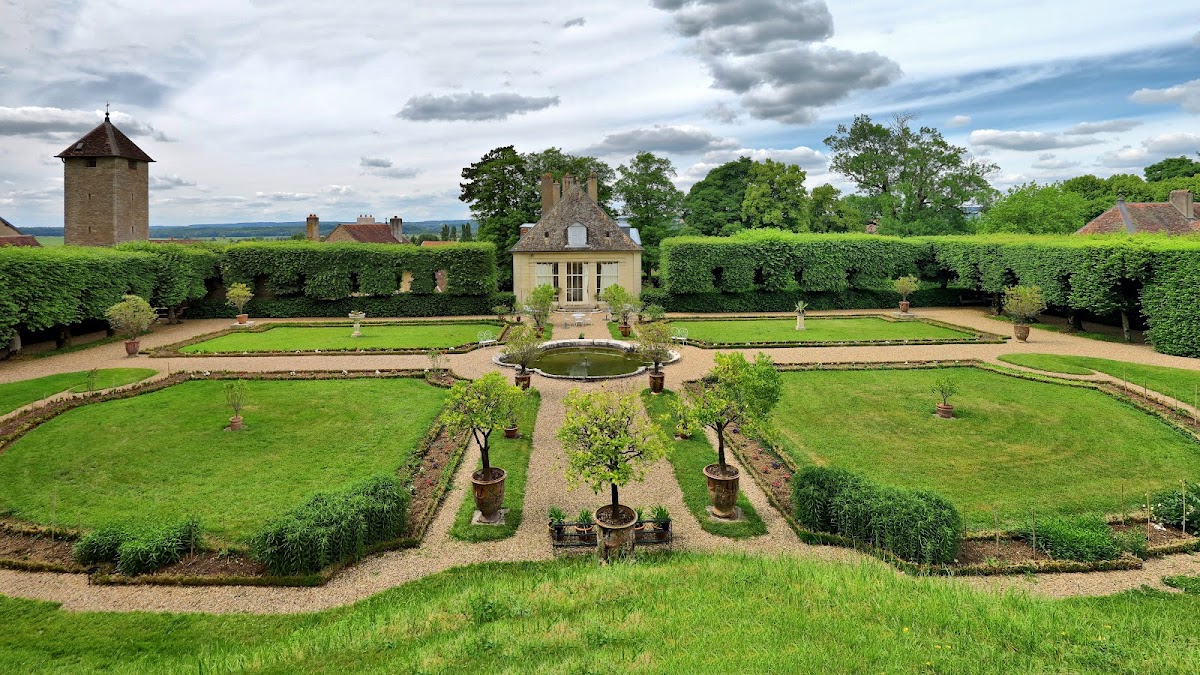
A French formal garden, a geometrically planned garden with terraces, clipped vegetation, basins, and controlled views, was created for Seguin de Jallerange during the eighteenth century. Its original style remains part of the estate’s character. Eighteenth-century wine presses also preserve evidence of wine production on the property.
Nineteenth-century changes and protection
An English-style garden, using a more naturalistic landscape design, was added in 1846. The gardens became a classified natural site under an order dated 19 July 1943. Parts of the estate received heritage protection in 1973 and 1989, including the façades and roofs, the gardens, and their outdoor furnishings.
The entire estate was registered as a historical monument by an order of 17 March 2014. An order of 25 March 2015 classified the château, outbuildings, and park, including the entrance portal and fence. In France, classification as a historical monument provides the highest level of protection under the national heritage system.
Remains
The estate consists of the château, its outbuildings, and a park containing two distinct garden traditions. The eighteenth-century formal garden retains its original arrangement and includes landscaped slopes, water features, planted enclosures, garden structures, and statues. The later English-style garden preserves an icehouse, a building designed to store ice for later use.
French formal garden
Terraces and water features
The formal garden includes embankments and glacis, gently sloping landscaped banks, together with a basin and an amphitheatre. A vertugadin, a raised sloping feature used to shape the garden’s views and arrangement, forms part of this designed landscape.
Enclosed garden spaces
Hornbeam bowers create enclosed or roofed passages from trained hornbeam trees. The garden also contains shaded or cool garden rooms and a green cabinet, a secluded enclosure formed with vegetation. Statues complete the surviving ornamental elements.
Viticultural remains
Eighteenth-century wine presses
The estate preserves eighteenth-century wine presses associated with its former viticultural activity. They provide a physical link between the gardens and the agricultural work once carried out on the property.
Nearby sites