Châteaubourg Castle: A Medieval Fortress in France


Site at a Glance
- Rating
- 4.3
- Popularity
- Low
- Country
- France
- Primary era
- Medieval
- Eras represented
- Medieval
- Civilizations
- French
- Site type
- Military
- Remains
- Castle
On this page6 sections
History
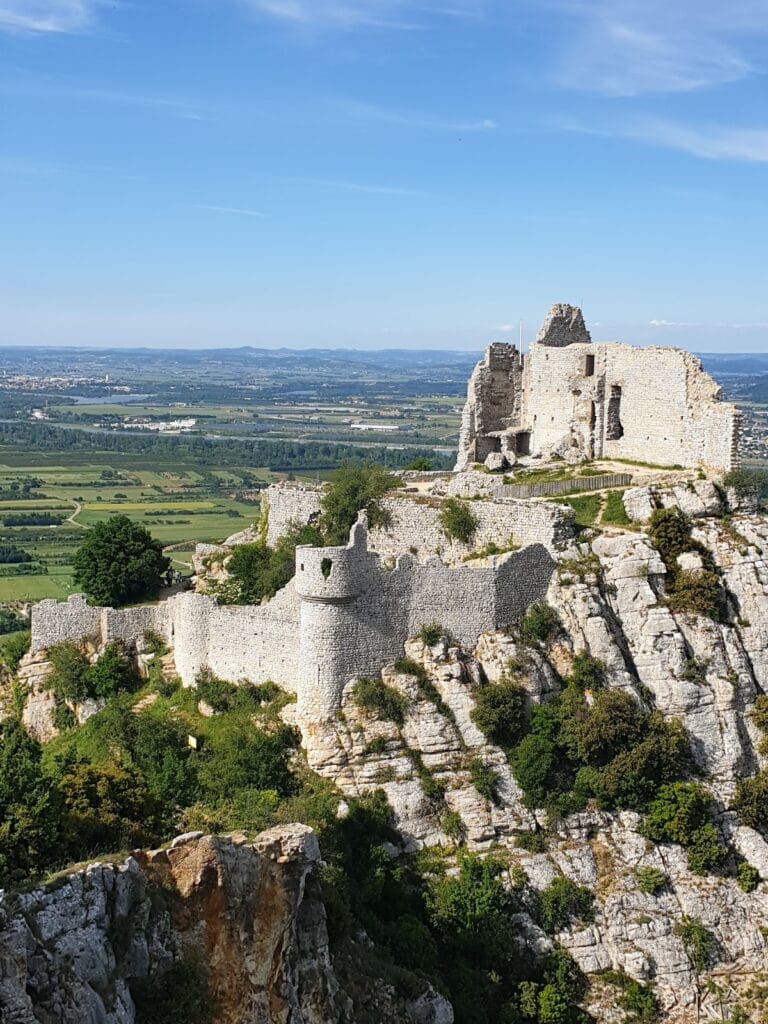
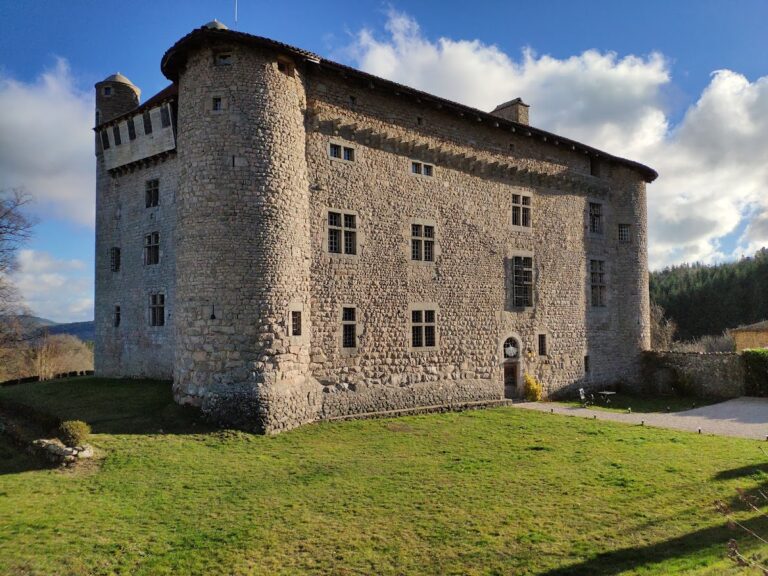
Châteaubourg Castle is a medieval castle in Châteaubourg, France, whose first generation of structures dates from the twelfth and thirteenth centuries. Tradition places its construction in the eleventh century, but that earlier date is not confirmed by official documentation. The castle stands on a rocky height above the right bank of the Rhône and became the seat of successive noble lords.
The Clérieux Lords
The Clérieux lineage appears in records from the twelfth century, although the exact date of its emergence is uncertain and may have been 1186. Abbé Roche identified the lord of Châteaubourg as a member of this family. The castle was also drawn into the conflict surrounding Louis IX, king of France from 1226 to 1270 and leader of French crusading expeditions. In his memoirs, Joinville wrote that Louis IX besieged La Roche-de-Glun while travelling on crusade, ordered Rogier II de Clérieux and the inhabitants put to the sword, and stayed at Châteaubourg Castle. Rogier II had directly opposed the French king.
After Silvion III de Clérieux died, his son Roger III became lord of Châteaubourg and of Roche-de-Glun. Roger III later transferred the castle to his son Guichard. Guichard died without male descendants, ending the Clérieux lordship at Châteaubourg. Aymar V de Poitiers then became the universal heir to the fief, and his nephew held the lordship in 1358, 1362, and 1387.
Changes of Lordship
In 1403, Châteaubourg was sold to the lord of La Faye. Three years later, he swore allegiance to the sovereign and became the king’s chamberlain, an official attached to the monarch’s household and court. From 1475, the Chalencon family held the castle after a marriage to the daughter of Beaumont.
The castle was attacked by the Huguenots, French Protestants largely associated with the Reformed tradition, during the sixteenth-century Wars of Religion. In 1717, Joseph Guy de Maurigon, Count of Lyon, became lord of Châteaubourg. He sold the property in 1734 to the Count of Montléans, who died in 1764 without a male heir. The land was resold in 1777 for 50,000 livres.
Revolutionary and Modern History
From 1782, Jean-Jacques Guyenot acquired shares in the lordship of Châteaubourg. The residence passed through the French Revolutionary period, when the village was renamed Rochebourg in an effort to remove associations with the ancien régime and its feudal past.
A letter written in 1821 by the priest Lapassa to Monsieur de Bresse described the castle as being in poor condition. The letter stated that its construction had cost the lord of the place more than 60,000 francs. Its ceilings had become degraded and dilapidated since the Revolution, while the estimated cost of repairs was less than 6,000 francs.
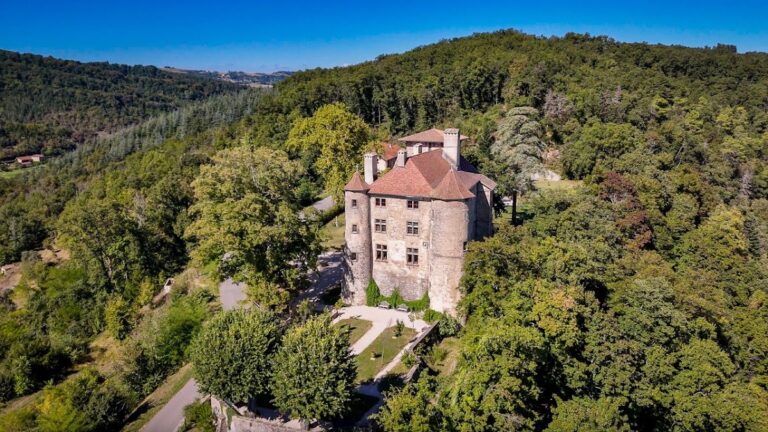
In 1973, the castle became the hotel-restaurant l’Hostellerie de Châteaubourg. The property was later sold, marking a modern change in its use.
Remains
Rocky Site and Medieval Defences
Châteaubourg Castle occupies the summit of a rocky eminence on the Rhône’s right bank. Its earliest surviving building phase belongs to the twelfth and thirteenth centuries, although the site is traditionally associated with an eleventh-century foundation. The lower courtyard formed a subsidiary enclosure below the principal fortified residence and contained a place of worship.
The castle also retained a drawbridge, a movable bridge used to control entry through a fortified entrance, and a prison dating from the period before the French Revolution. These features formed part of the castle’s defensive and institutional character before its later decline and conversion to another use.