Château de Chantore: An Eighteenth-Century Residence and Landscape Estate in France


Site at a Glance
- Rating
- 4.9
- Popularity
- Low
- Country
- France
- Primary era
- Early Modern
- External website
- Open
- Eras represented
- Early Modern, Modern
- Civilizations
- French
- Site type
- Domestic
- Remains
- Elite Residence
On this page10 sections
History
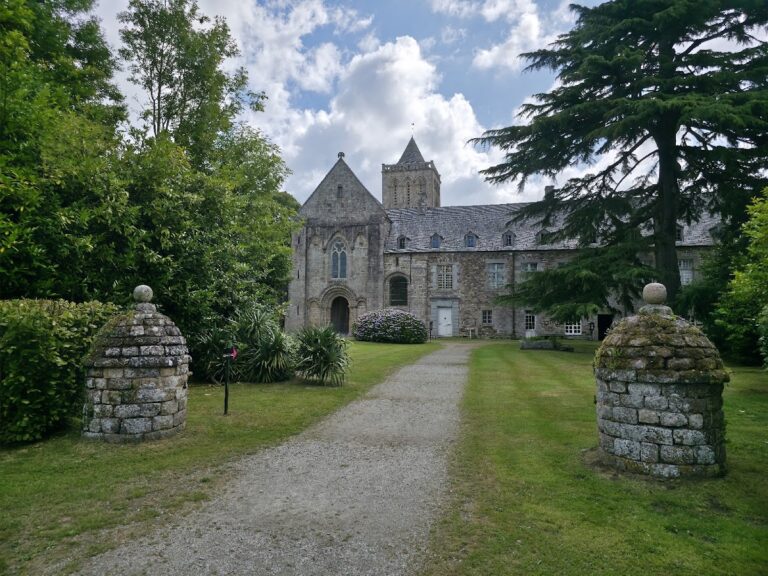
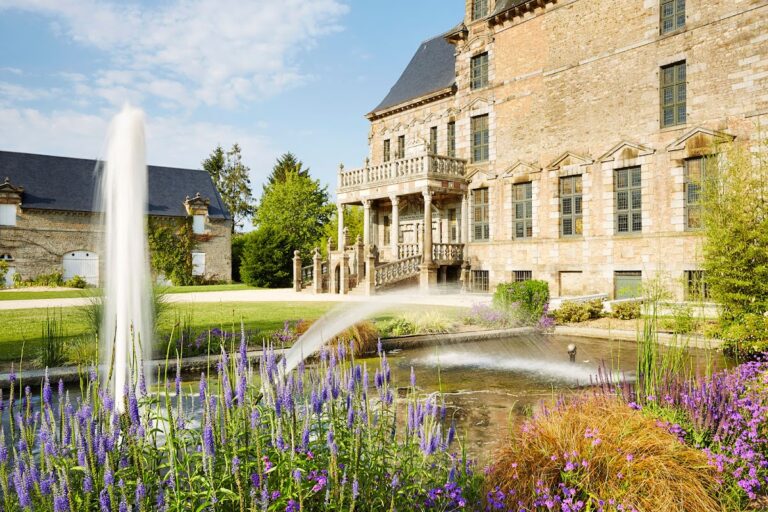
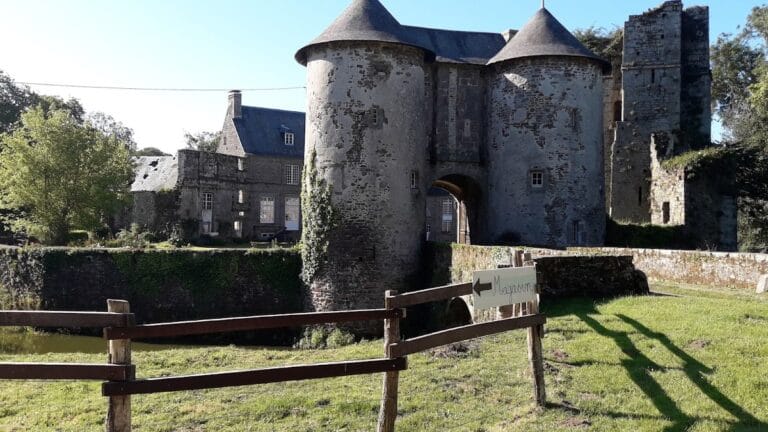
Château de Chantore is an eighteenth-century residence in France, located at Bacilly in Normandy’s Manche department. The present château was built in 1780 by a lord of Chantore, replacing an earlier château that stood in the meadows beside the Lerre. Fragments of that earlier building survive as evidence of the estate’s previous history.
The feudal estate
The fief of Chantore was held as a vassal estate under Saint-Pierre-Langers, a superior fief within the feudal system. Its recorded holders included the Chantore, Thieuville, Mauny, Goyon de Matignon, Épinay, and Ernault families. The Ernault family held Chantore from 1511 until the French Revolution, the period of upheaval that ended France’s old political and social order.
Nineteenth-century ownership
Auguste-François Angot, a deputy of Avranches, bought the property from the widow Ernault de Chantore in 1813 and spent part of his life there. He sold it in 1841 to the baroness Travot, née Le Lubois de Marsilly. The property was offered for sale from 1864 and was acquired in 1868 by Georges Genreau, a former avocat général, or senior prosecuting magistrate representing the public interest before a French appellate court. Genreau died in Paris on 22 February 1906.
The Genreau and Droüet de Montgermont families
Château de Chantore and its park later passed to Genreau’s daughter, Marguerite Genreau, and her husband, the Viscount Yves Droüet de Montgermont, whom she married in 1888. Yves served as mayor of Bacilly from 1903 to 1908. Their son, Jean Droüet de Montgermont, was born and died at the château and served as mayor of Bacilly from 1932 to 1977. Jean’s children, Béatrix and Jacques Droüet de Montgermont, were also born there.
Restoration and protection
Bernard Legal and Iñaki de Goiburu purchased the château and park in 2013. They restored the property and used recovered archives to guide the redesign of its English-style landscape park. The reconfigured park opened to the public in 2018. In 2021, the estate received partial protection as a historic monument. The protection covers the park, its land, ornamental structures, and hydraulic system, as well as the château’s façades and roofs, its ground- and first-floor interiors, the former stable, and the façades and roofs of the service buildings and farm within the protected boundaries. The park also received the French “Remarkable Garden” designation that year.
Remains
The château and estate buildings
The surviving château is an eighteenth-century residence built in 1780. Its protected elements include the façades and roofs and the interiors of the ground and first floors. The wider estate contains a former stable, service buildings, and a farm, together with ornamental park structures and a hydraulic system. Fragments of the earlier château remain in the meadows beside the Lerre, linking the present residence to the site’s predecessor.
The landscape park
The park is an English-style landscape park, a design that evokes natural scenery through irregular plantings, lawns, and winding paths rather than rigid geometric layouts. It contains many exotic trees and was reconfigured in the modern period with the help of recovered archival material. Its protected ornamental structures and water system form part of the historic estate landscape. The park’s “Remarkable Garden” designation, awarded in 2021, recognizes its garden and landscape heritage.
The forecourt camellia
A large camellia stands in the château’s forecourt. Described as bicentenary, it received the “Remarkable Tree of France” label from the ARBRES association on 18 March 2023. That French heritage label recognizes notable trees and their preservation.
The rose garden
A rose garden was inaugurated in the park on 28 September 2025. It contains roses created by the breeder Christian de Chausey, including cultivars named “Maurice Ravel,” “Hugo Marchand,” “Luciano Pavarotti,” and “Alexandre Tharaud.”
Today, the château functions as a guest-accommodation establishment within the restored estate.
Nearby sites