Château de Briord: An Eighteenth-Century Château in Port-Saint-Père
Site at a Glance
- Popularity
- Medium
- Country
- France
- Primary era
- Early Modern
- Eras represented
- Early Modern, Modern
- Civilizations
- French
- Site type
- Domestic
- Remains
- Castle
On this page7 sections
History
The medieval lordship
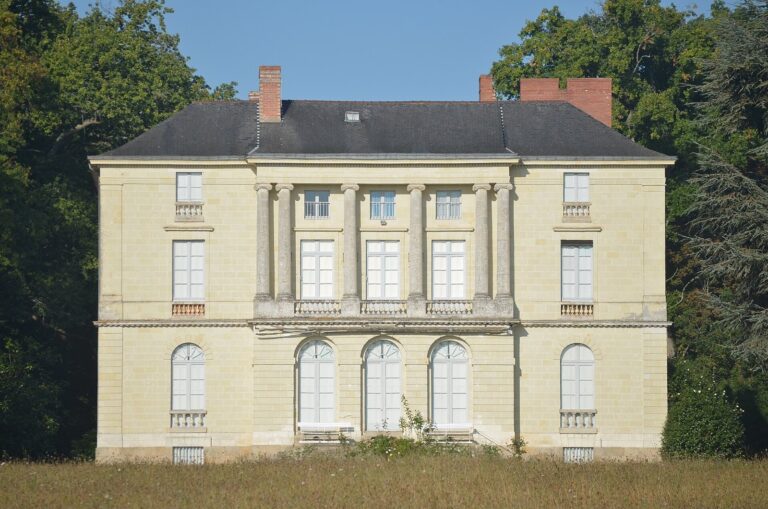
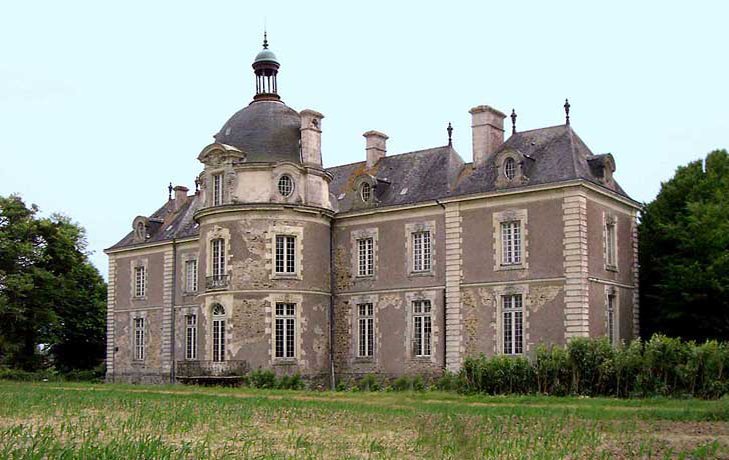
Château de Briord is an eighteenth-century château in Port-Saint-Père, France, built in 1770 for Joseph Charette de Briord on the site of a medieval residence. That earlier building served as the seat of the lordship of Briord, whose origins are traced to 1225. Martin de Rezay owned the lordship in 1450, and Pierre Landais also held it. From 1437 until the French Revolution, which ended France’s old-regime institutions, the lordship exercised high, middle, and low justice, categories of judicial authority, over ten parishes.
The château and its later owners
In 1800, the Nantes shipowner Dubois-Violette acquired the château; he already owned Château de Chassay. The property remained with him and then his son until 1833. It later belonged to the Count of Lautrec, a general in the armies of the Kingdom of the Two Sicilies, a state in southern Italy and Sicily that existed from 1816 to 1861.
The château subsequently passed to Jean-Baptiste Étienne, grandson of Nantes industrialist Jean-Simon Voruz. Étienne died there on 27 October 1896. At the 1900 Universal Exposition, an international fair held in Paris, the château received an award for its interior decoration. It stayed in the Étienne family before passing to their descendants, the Say family, known for their sugar industry in Nantes.
Protection and recent ownership
The Briord estate was classified as a natural site in 1977, and the château was listed as a historic monument in 1980. Entrepreneur Éric Peters acquired the château in 2022.
Remains
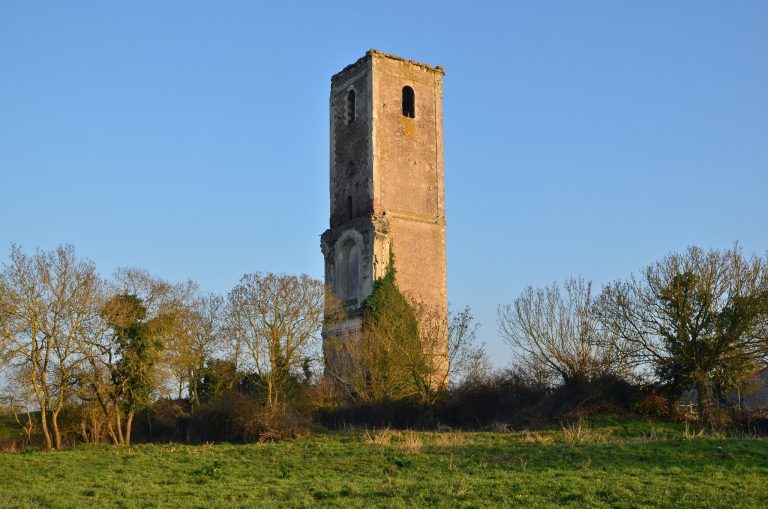
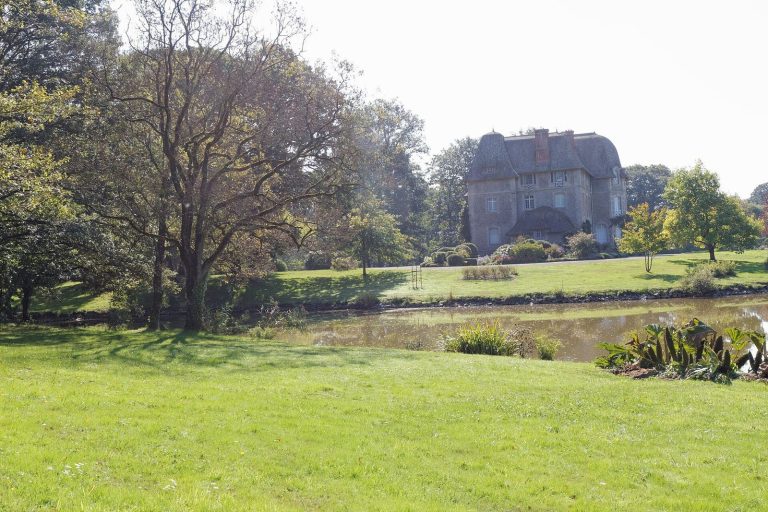
The estate includes the château and the eighteenth-century Saint-Germain Chapel. The château’s central block carries a later tower, while the chapel survives with its roof missing.
The château
A tower was added to the château’s central block around 1860, during the ownership of the Count of Lautrec. A subsequent owner modified the block.
Saint-Germain Chapel
Saint-Germain Chapel, built in the eighteenth century, forms part of the estate. Its roof is now missing.