Château d’Omonville: An Eighteenth-Century Residence in Normandy
Site at a Glance
- Rating
- 4.8
- Popularity
- Low
- Country
- France
- Primary era
- Early Modern
- Eras represented
- Early Modern, Modern
- Civilizations
- French
- Site type
- Domestic
- Remains
- Elite Residence
On this page8 sections
History
Construction and completion
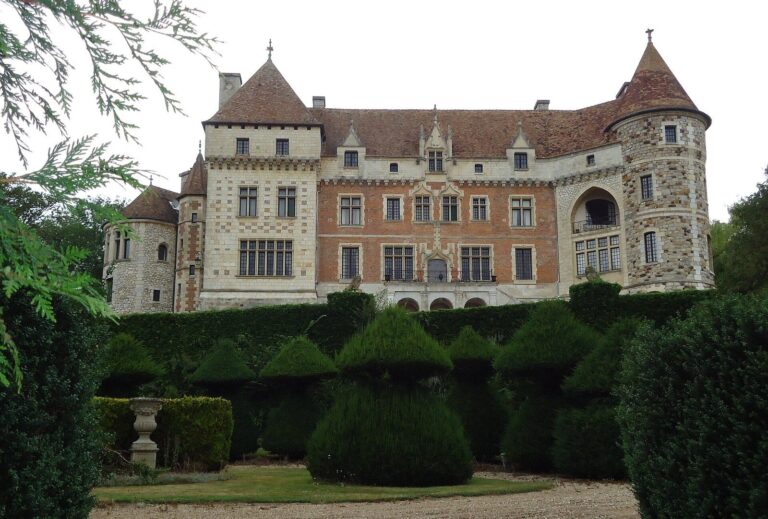
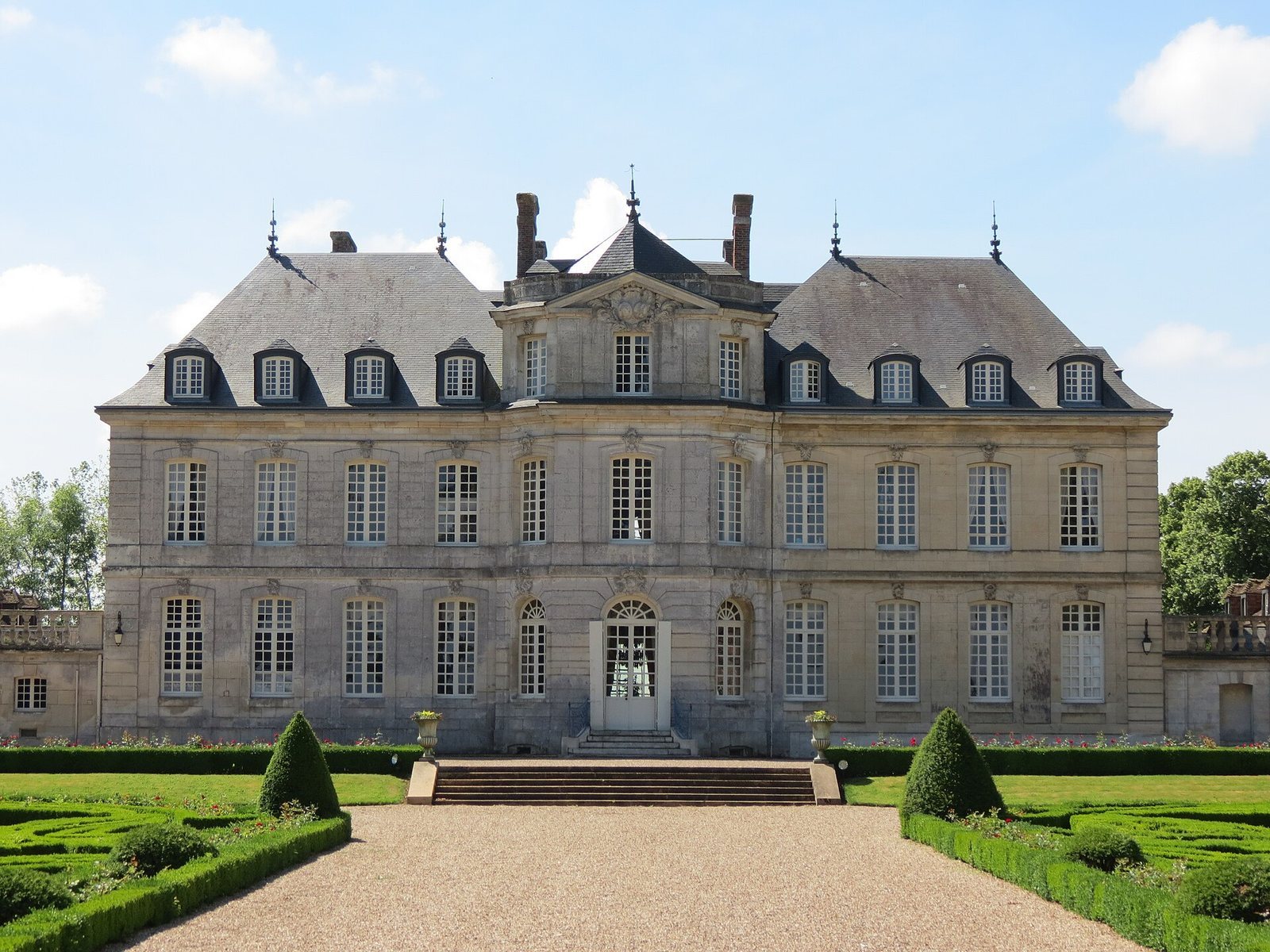
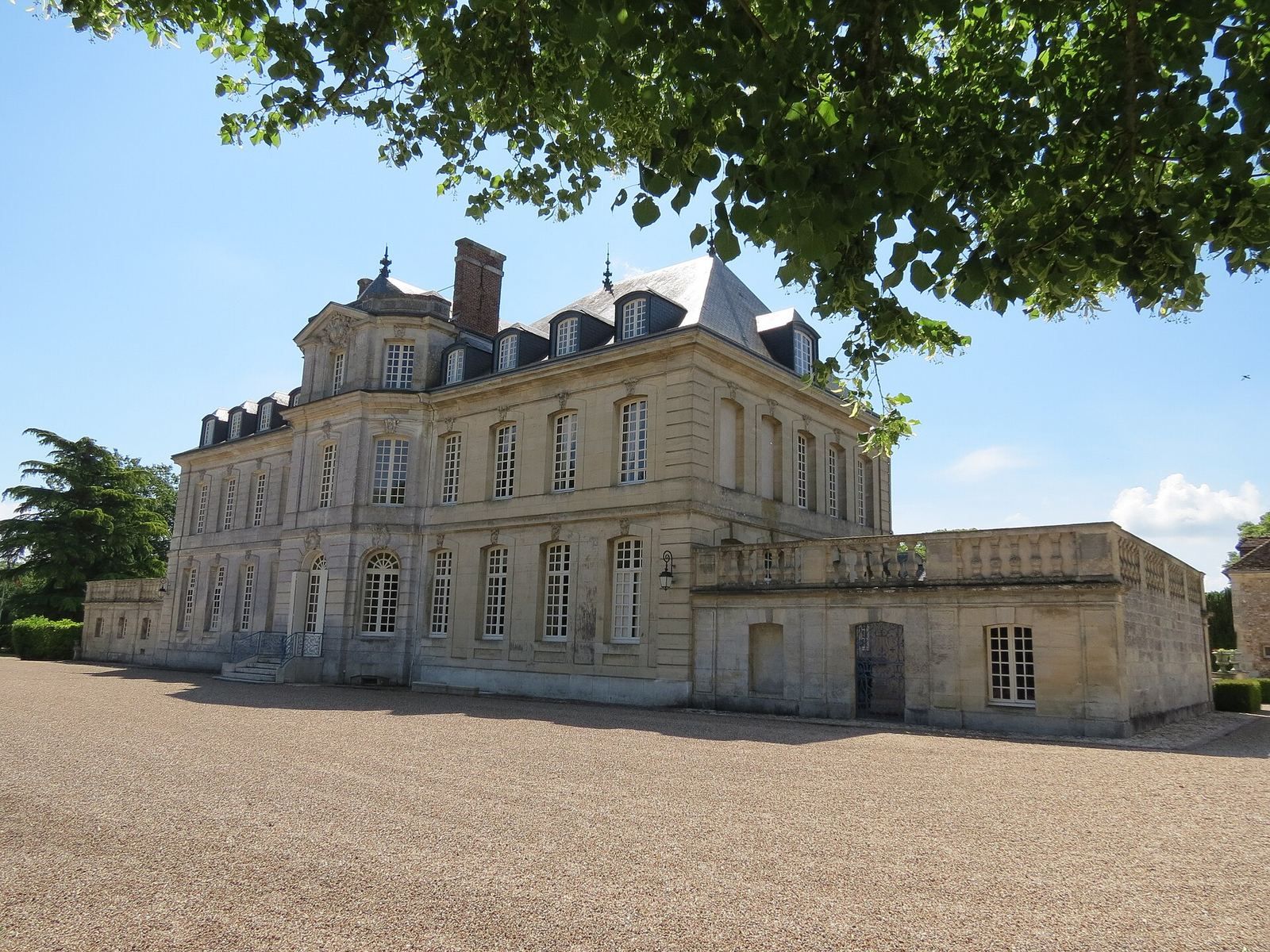
Château d’Omonville is an eighteenth-century residence in Le Tremblay-Omonville, Normandy, France. Construction began in 1754 for Robert Le Carpentier des Longvaux, an ironmaster, under the direction of Chartier, an architect from Conches. The residence remained unfinished until the Bourbon Restoration, the return of Bourbon rule after Napoleon’s first abdication, which began in 1814. Its left wing was built during that period.
Restoration and later use
M. Manceaux later restored the château and recreated its French-style parterres. He often hosted his brother-in-law, French composer Francis Poulenc (1899–1963).
Protection and ownership
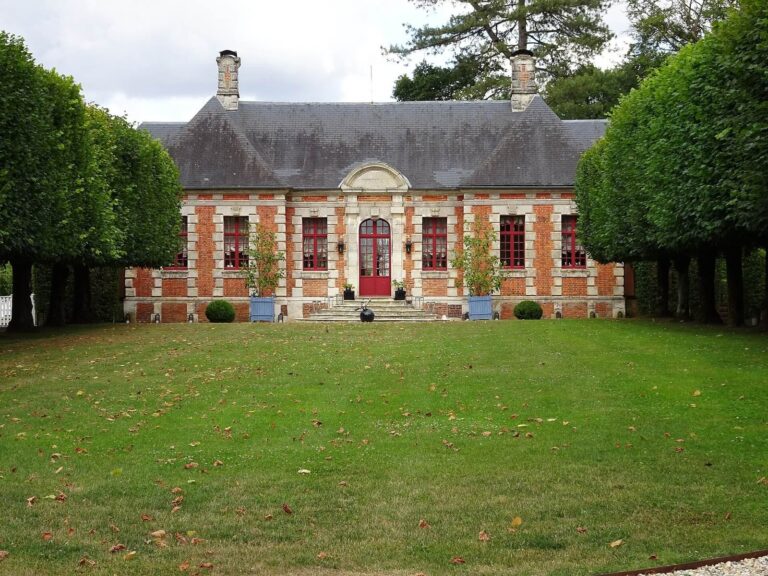
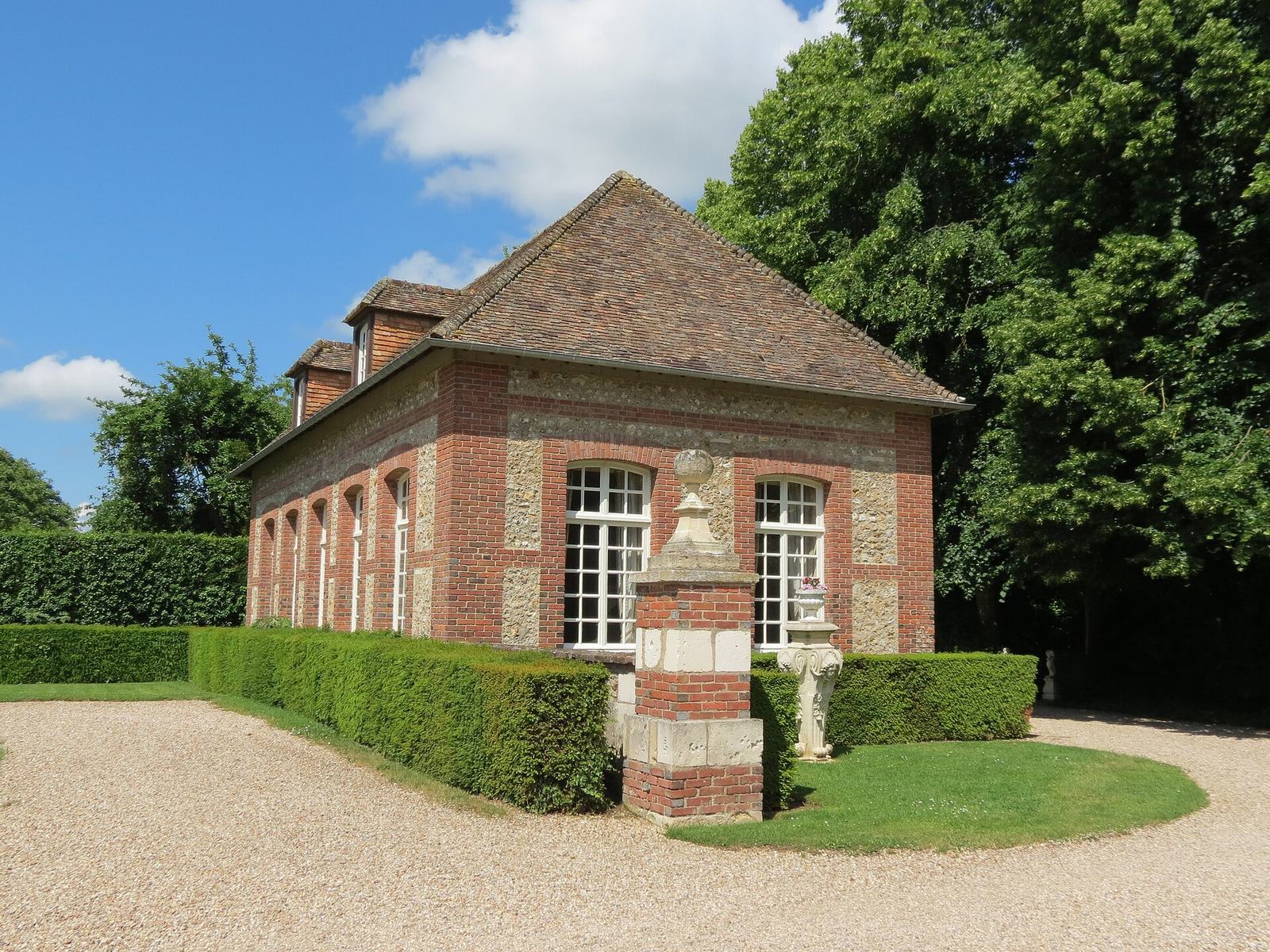
In 1948, the château was partly classified as a French historic monument. The protection covers the façades and roofs, the gardener’s pavilion, the stables, and the park, including its decorative features and boundary railings. Since 1969, the property has belonged to the Rosicrucian order Antiquus Mysticusque Ordo Rosae Crucis. Rosicrucianism is a Western esoteric tradition focused on spiritual and philosophical teachings. The château houses the order’s Grand Lodge for French-speaking countries, its regional administrative body for that jurisdiction.
Remains
Residence and grounds
The residence
The eighteenth-century château stands 1.2 kilometres northeast of the Church of Saint Martin. Its grounds form part of the same property as the gardener’s pavilion, stables, and park.
Gardens and park
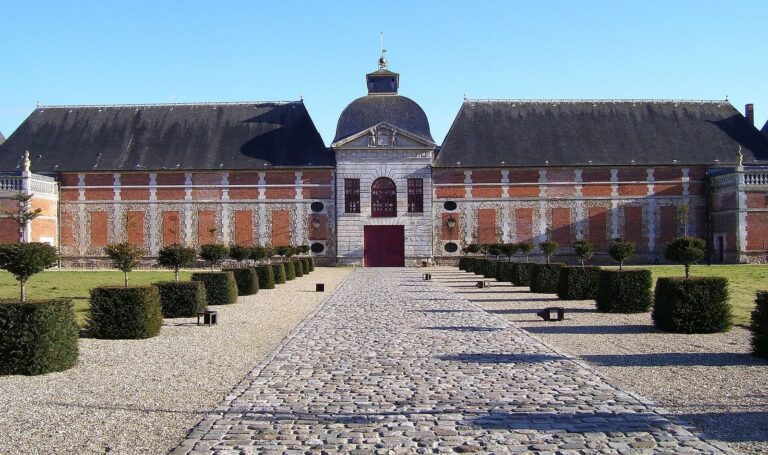
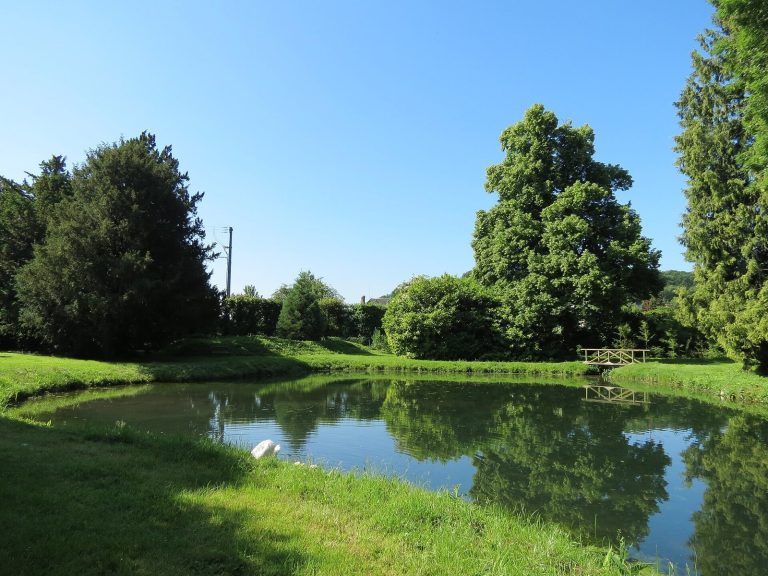
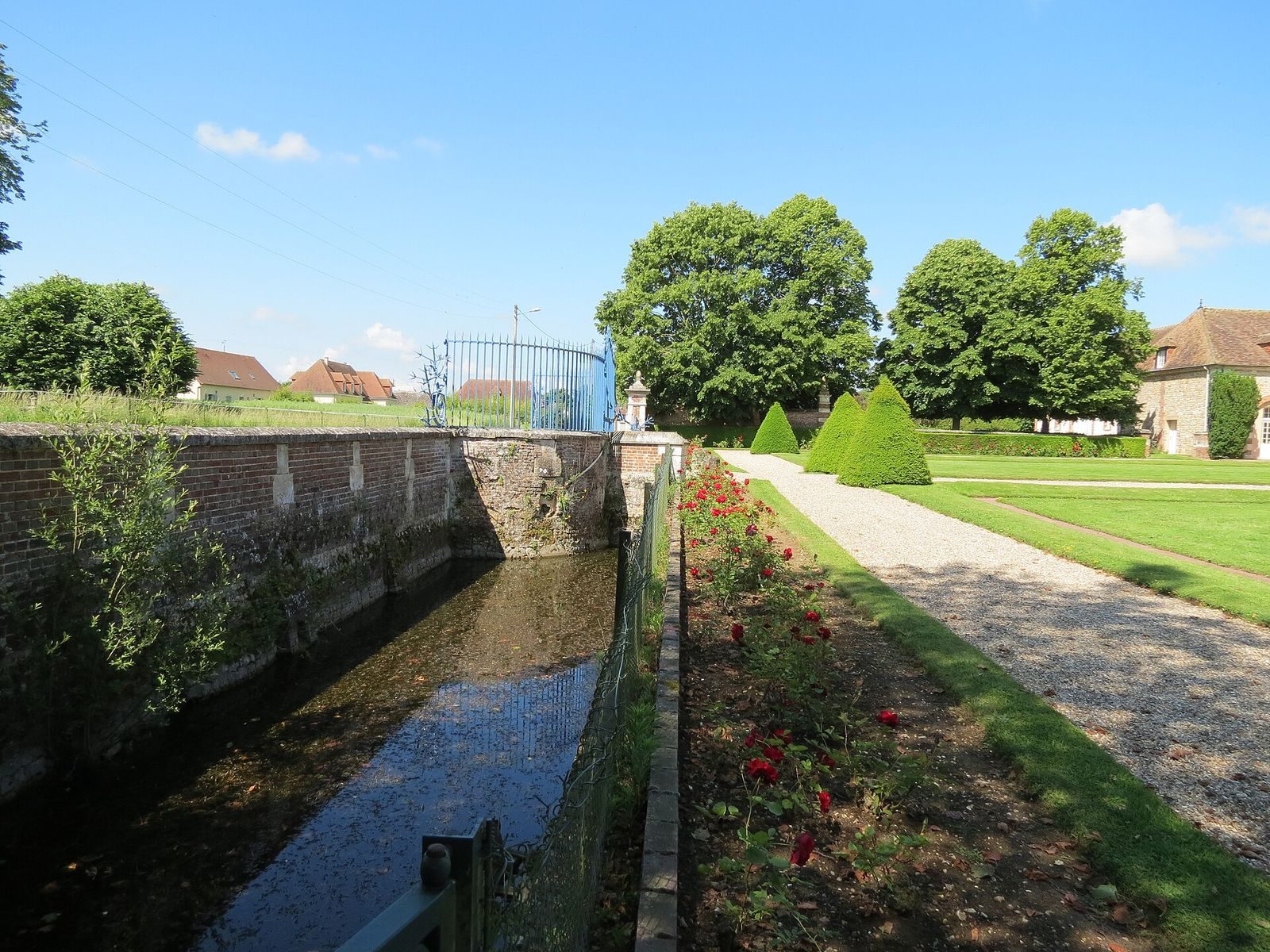
The grounds include French-style parterres and a park with decorative features and boundary railings. The gardener’s pavilion and stables are also among the surviving elements of the property.