Estresse Castle: A Historic Estate on the Dordogne
Site at a Glance
- Popularity
- Medium
- Country
- France
- Primary era
- Early Modern
- Eras represented
- Medieval, Early Modern
- Civilizations
- French
- Site type
- Domestic
- Remains
- Castle
On this page5 sections
History
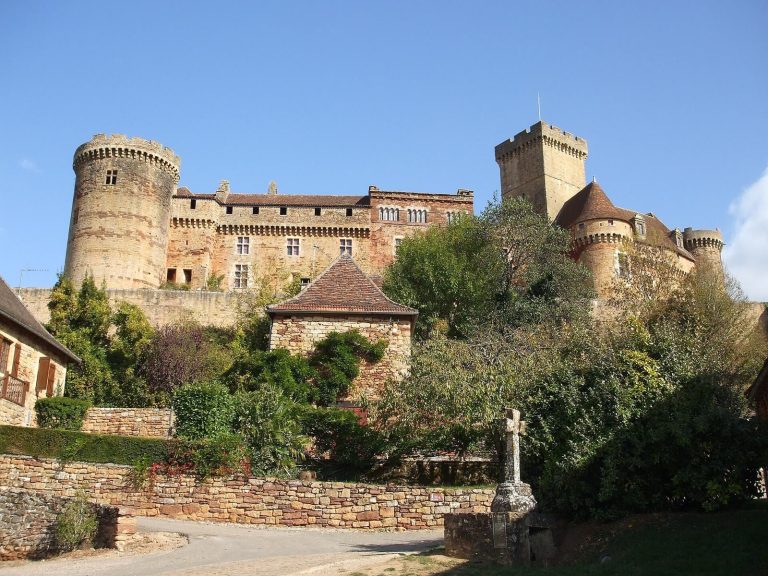
Estresse Castle is a residence on the banks of the Dordogne in France, first built in the 16th and 17th centuries in a medieval style. The Roquet family were its first owners. The estate’s military history reaches back centuries before the present house.
Earlier conflicts
In 889, Odo, king of West Francia from 888 to 898, halted Norman raiders (Scandinavian-origin forces active in western Europe) as they advanced along the Dordogne toward Beaulieu and nearby villages. In 931, Rudolph, ruler of the duchy of Burgundy, repelled Norman forces in the Battle of Estresse, fought on the estate. In 1356, forces led by Edward, son of England’s Edward III and known as the Black Prince, were also turned back, preventing the pillage of Beaulieu and upper Corrèze.
Alteration and restoration
The château underwent major changes in the early 20th century. After the First World War it was abandoned and fell into ruin; the Lescure family later acquired and restored it.
The Lescure family retained the property until September 2023, when it was sold to Renaud Dumont, a farmer in Corsica and a descendant of a branch of the Lestrade de Conti, an aristocratic family long established in Périgord. The château is privately owned. Since 15 October 1971, its façades and roofs have been protected under France’s Historic Monument listing.
Remains
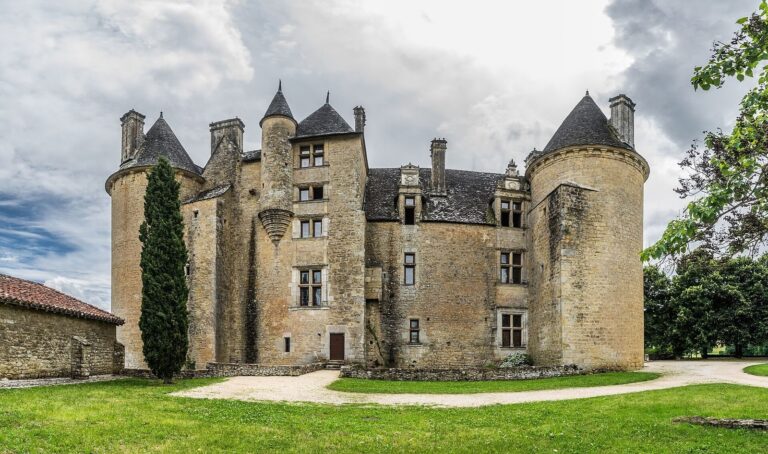
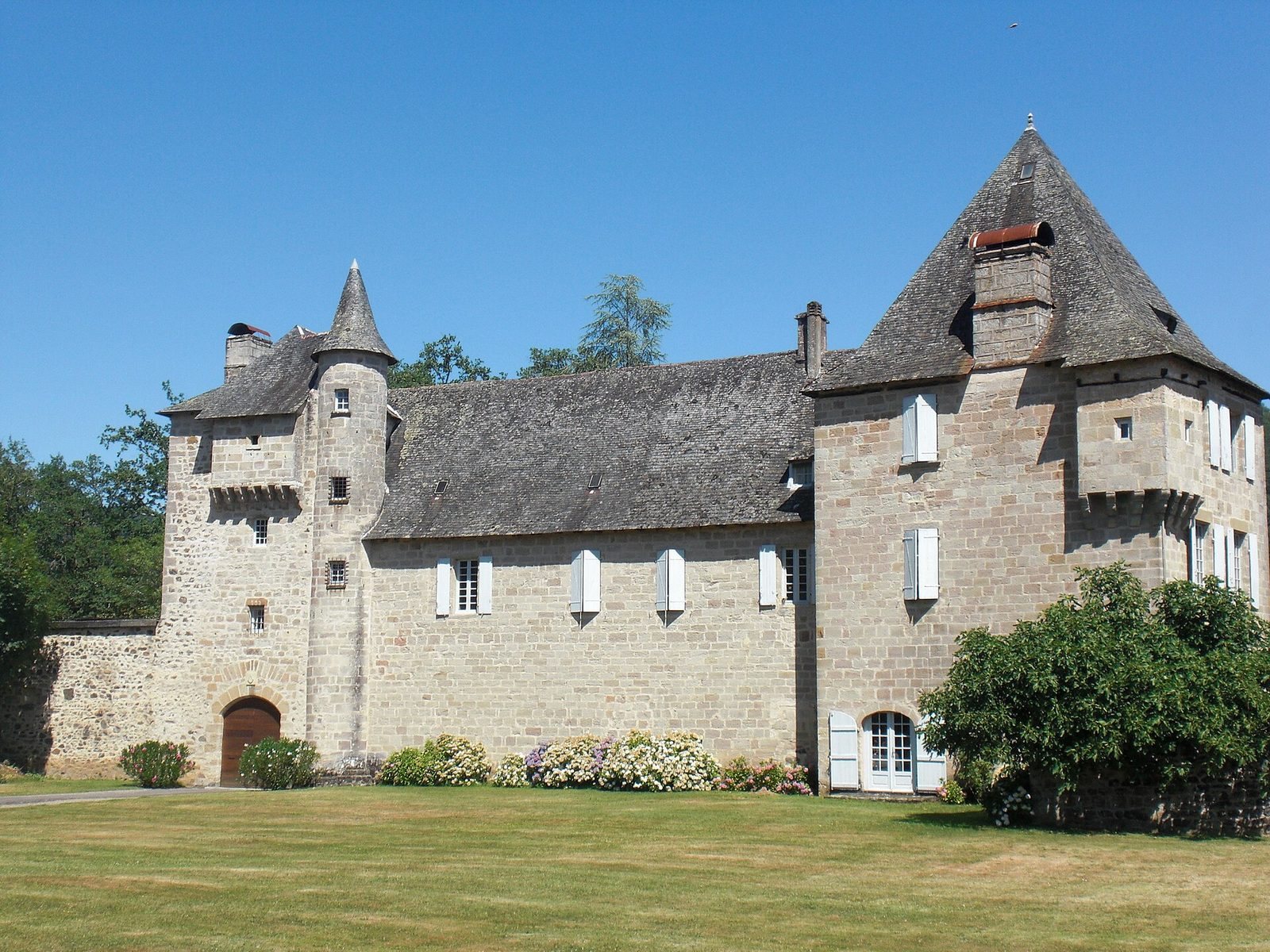
The château is arranged on a terrace in a rectangular plan. Its main residential block stands between two square towers, and the building is supported by a medieval wall at the river’s edge.
River wall and grounds
The supporting wall extends for 200 metres and rises 8 metres, with its base in the water. The flowered grounds contain two yew trees said to be about a thousand years old.