Château d’Essertaux: A French Noble Residence Rebuilt in the Eighteenth Century
Site at a Glance
- Rating
- 1
- Popularity
- Very Low
- Country
- France
- Primary era
- Early Modern
- Eras represented
- Early Modern
- Civilizations
- French
- Site type
- Domestic
- Remains
- Castle
On this page5 sections
History
The Béry family and the eighteenth-century château
Château d’Essertaux, in France, was built by the Béry family, with construction beginning in the eighteenth century. The family held the lordship of Essertaux from the sixteenth century. In 1664, Marc Philippe de Béry d’Essertaux married Madeleine Ancelin, daughter of Perrette du Four, who had been wet nurse to King Louis XIV, and sister of Humbert Ancelin.
Henri Gabriel de Béry d’Essertaux, born at Essertaux in 1718, received Louis XV’s approval in 1764 to raise the lordship to a marquisate, a noble title with an associated territory. The royal grant issued at Versailles in March covered Essertaux and the hamlet of Flers, then under Bonneuil’s castle jurisdiction. It joined them with Oresmaux and the barony of Jumelles, a former marquisate under Boves, within the Amiens administrative district in Picardy. The grant was registered by the Parlement of Paris on 1 April 1765 and by the Paris Chamber of Accounts on 24 April.
Henri Gabriel rebuilt the parish church, consecrated in 1769, before beginning work on the château around 1780. The rebuilding was complete by his death in 1791.
Revolution and family ownership
During the Terror, the period of political repression in the French Revolution, the emigration of Henri Gabriel’s son, Claude Louis de Béry d’Essertaux, led to the seizure and sale of the château and estate as national property. Claude Louis’s wife, Robertine de Surmont, bought the property back in 1803 and sold it in 1826.
The château’s central portion was acquired in 1828 by the Guillebon family, also known as Le Thoillier de Guillebon. The family, established in Picardy and Île-de-France since the fifteenth century, included many military officers, among them generals, from the sixteenth century onward.
Twentieth-century ownership and protection
The château was registered as a historic monument on 19 February 1926. After the Second World War, it belonged to General Jacques de Guillebon, a Companion of the Liberation, a French honor recognizing contributions to the liberation of France during the war. He died in 1985, and his family retained the château until 2005.
Remains
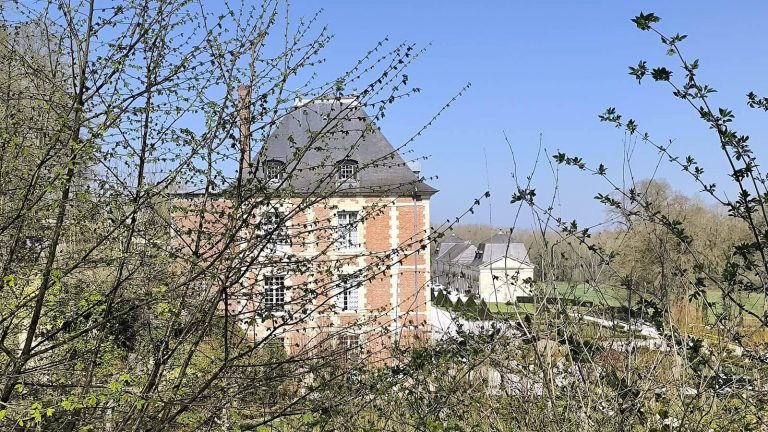
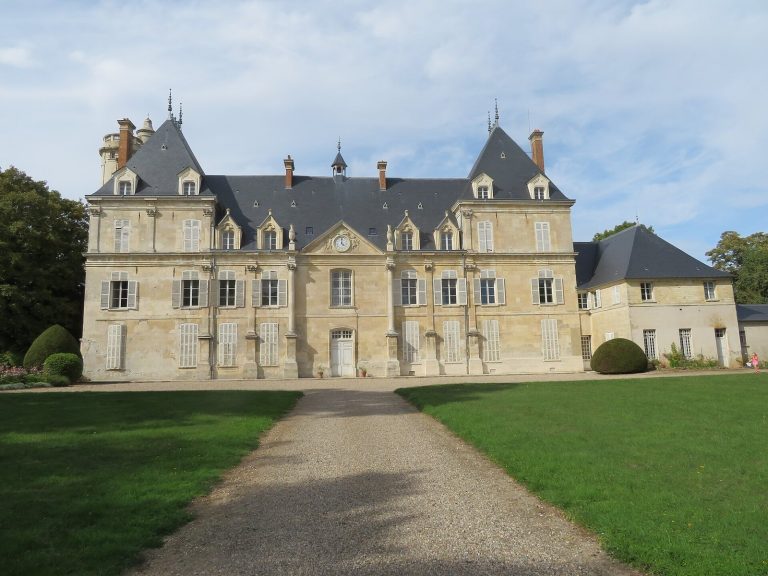
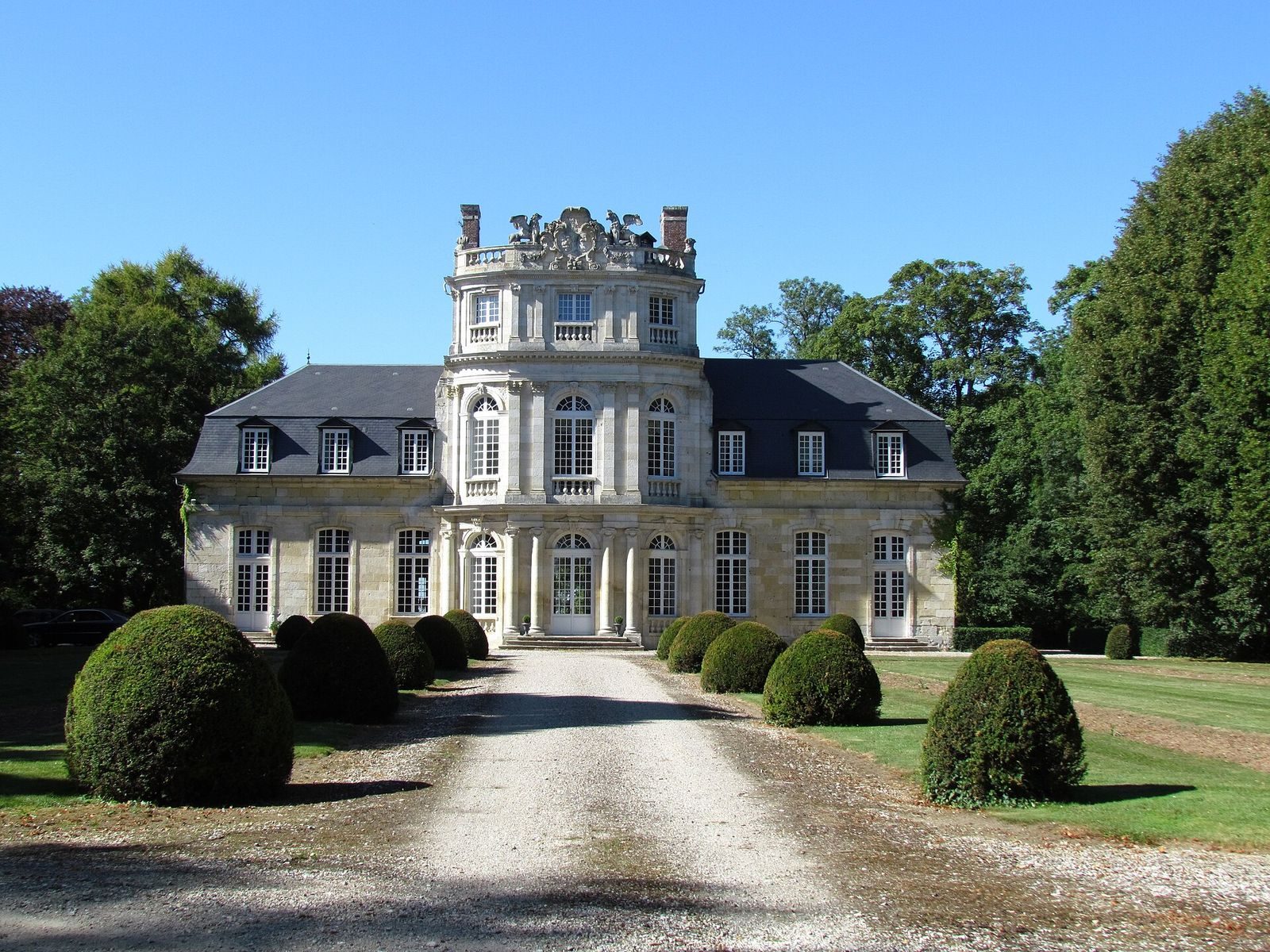
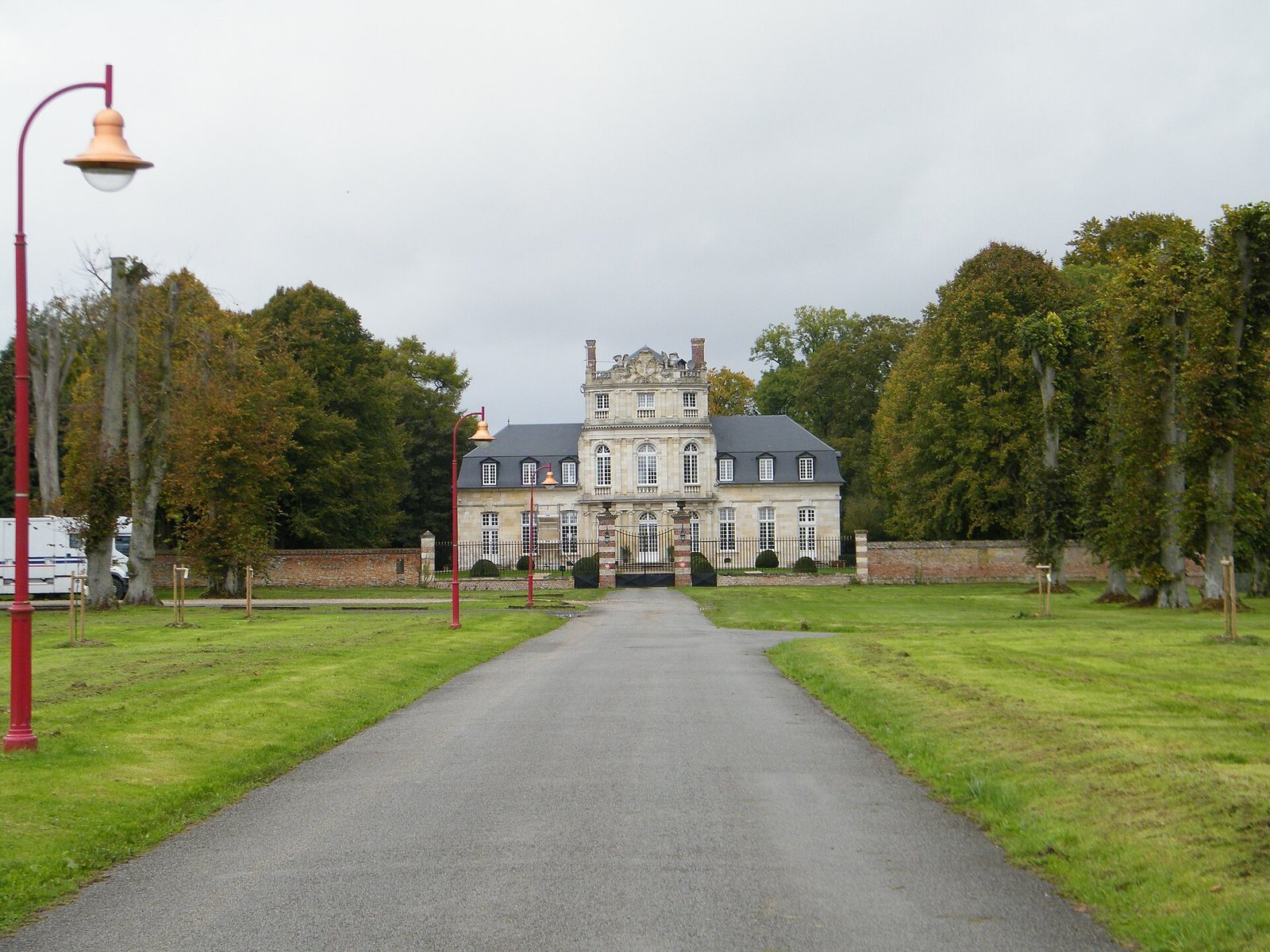
The château was arranged as a large rectangular stone residence flanked by low wings. At its center, a richly ornamented section projected from the main block and rose through three levels. Following the 1826 sale, the two ends were demolished, leaving the central portion as the surviving château.