Espérausses Castle: Seat of a Lordship in France
Site at a Glance
- Rating
- 5
- Popularity
- Very Low
- Country
- France
- Primary era
- Medieval
- Eras represented
- Medieval, Early Modern
- Civilizations
- French
- Site type
- Domestic
- Remains
- Castle
On this page8 sections
History
Espérausses Castle is a fortified residence in the village of Espérausses, France. It served as the seat of the lordship, a territorial estate or jurisdiction held by a lord. Construction probably began in the fourteenth century, likely under the Vendôme family, and continued into the seventeenth century.
The lordship and its successive holders
The lordship of Espérausses existed before the castle. It first belonged to the Counts of Toulouse, then passed to the Viscounts of Albi, members of the Trencavel family, and later to the Viscounts of Lautrec. From the twelfth century, the lords and, later, the counts of Castres also held Espérausses. During the Albigensian Crusade, a Catholic campaign against Catharism and its supporters in southern France, the Lautrecs were compelled to surrender the lordship to the Montfort family. It passed to Philippe I de Montfort, lord of Castres.
In 1300, Jean de Montfort, lord of both Castres and Espérausses, died without an heir. His lands went to Count Jean V de Vendôme, who was married to Jean’s sister, Éléonore de Montfort. The lordship remained with Jean V’s descendants before passing to the House of Bourbon through the 1364 marriage of Catherine de Vendôme to Jean I de Bourbon-La Marche. In 1429, Éléonore de Bourbon’s marriage to Bernard VIII d’Armagnac brought another change of ownership.
Castle construction and religious conflict
A fortified residence may have occupied the site before the present castle. The castle’s construction probably started in the fourteenth century and continued through the seventeenth.
During the French Wars of Religion, conflicts between Catholics and Protestants, most inhabitants of Espérausses were Protestant. Catholic troops led by the Marshal of Thémines, a senior military officer, burned the town before attacking Viane. Most houses in Espérausses were destroyed, and the castle suffered severe damage and required extensive rebuilding. It is now privately owned and used as a residence.
Remains
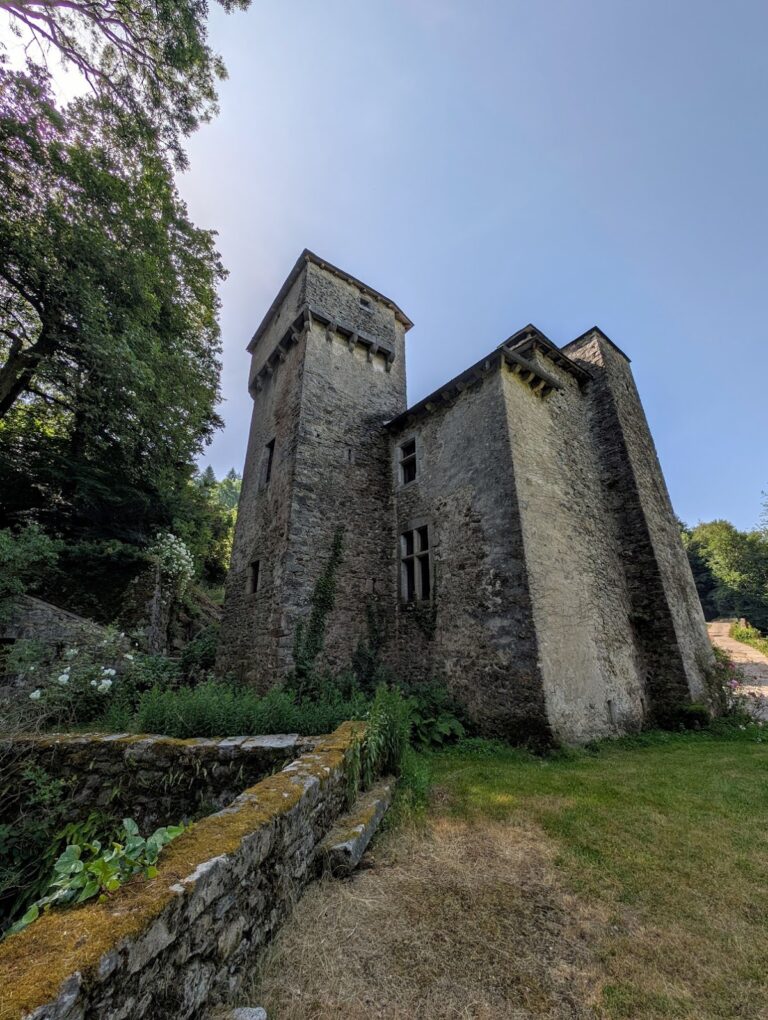
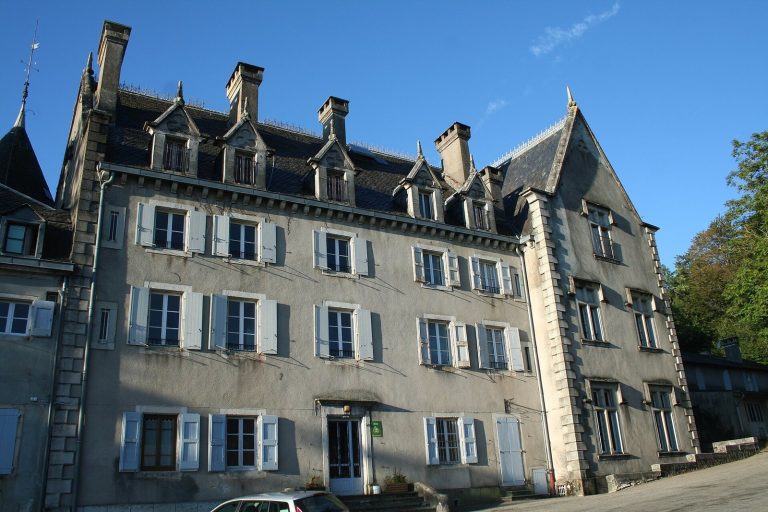
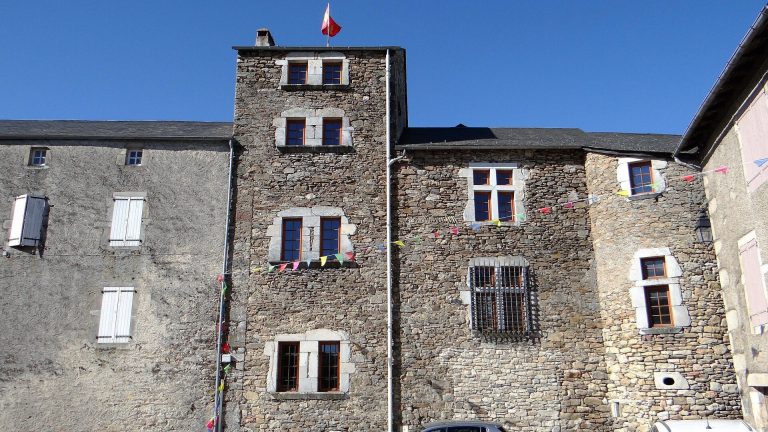
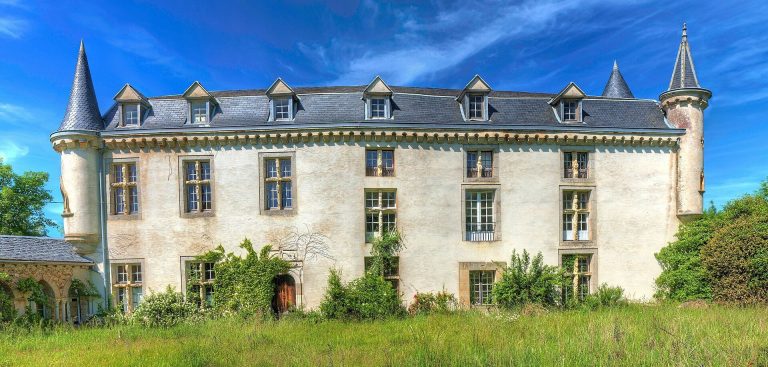
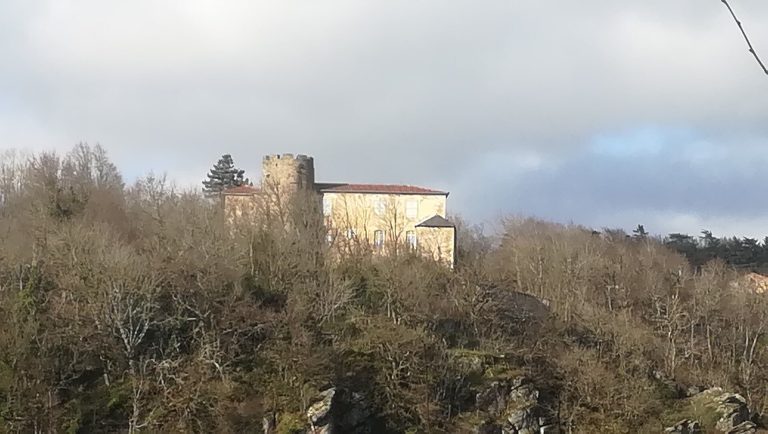
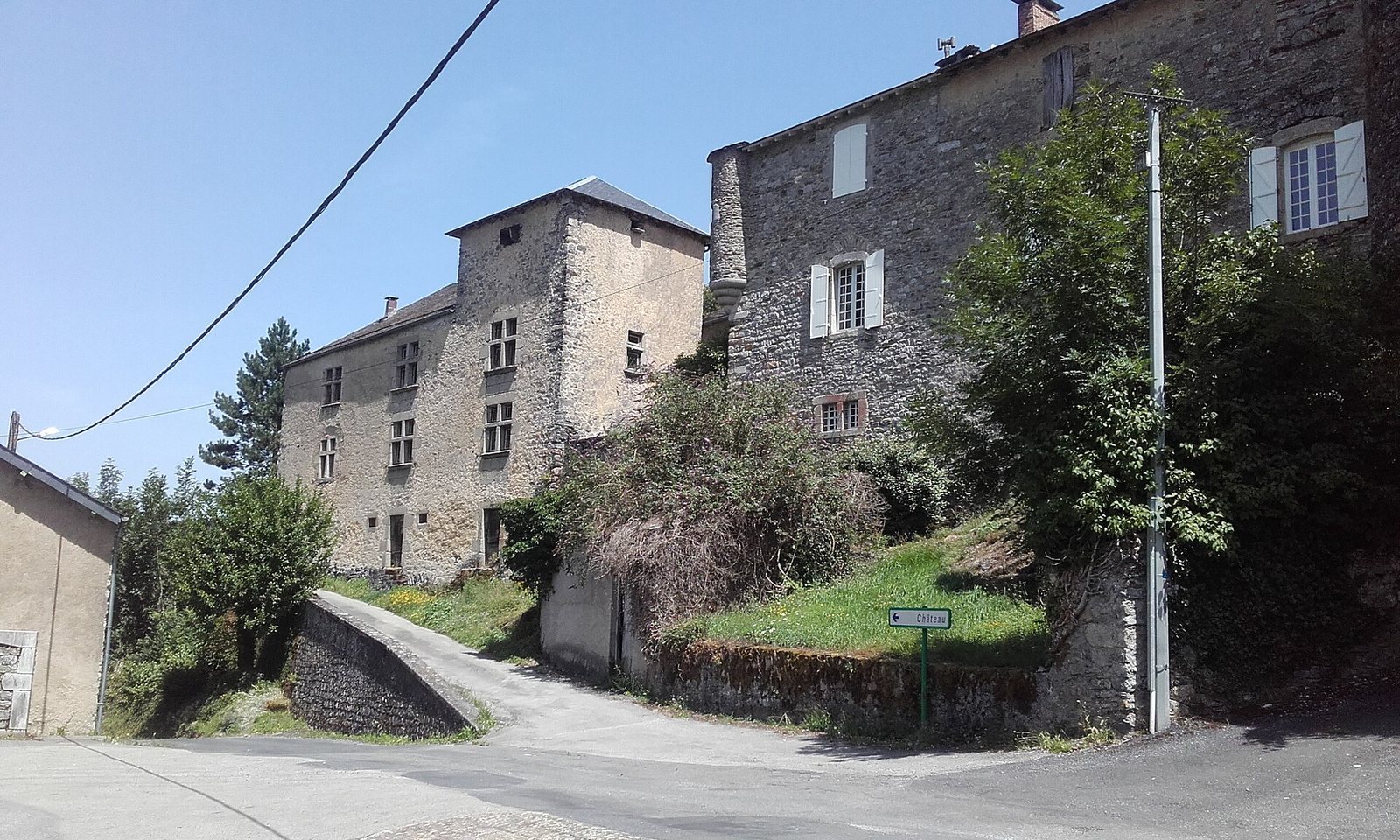
Set on Barbacane Rock above the village, the castle comprises three separate residential blocks aligned north to south. Their materials and construction differ. The surviving buildings include towers and windows with divisions formed by vertical members.
Residential buildings and towers
Northern block
The northern block is a two-storey rectangle. A broad square tower adjoins it on the south. The tower has lost its upper part and probably once had battlements. The block retains numerous windows divided by vertical stone members.
Southern block
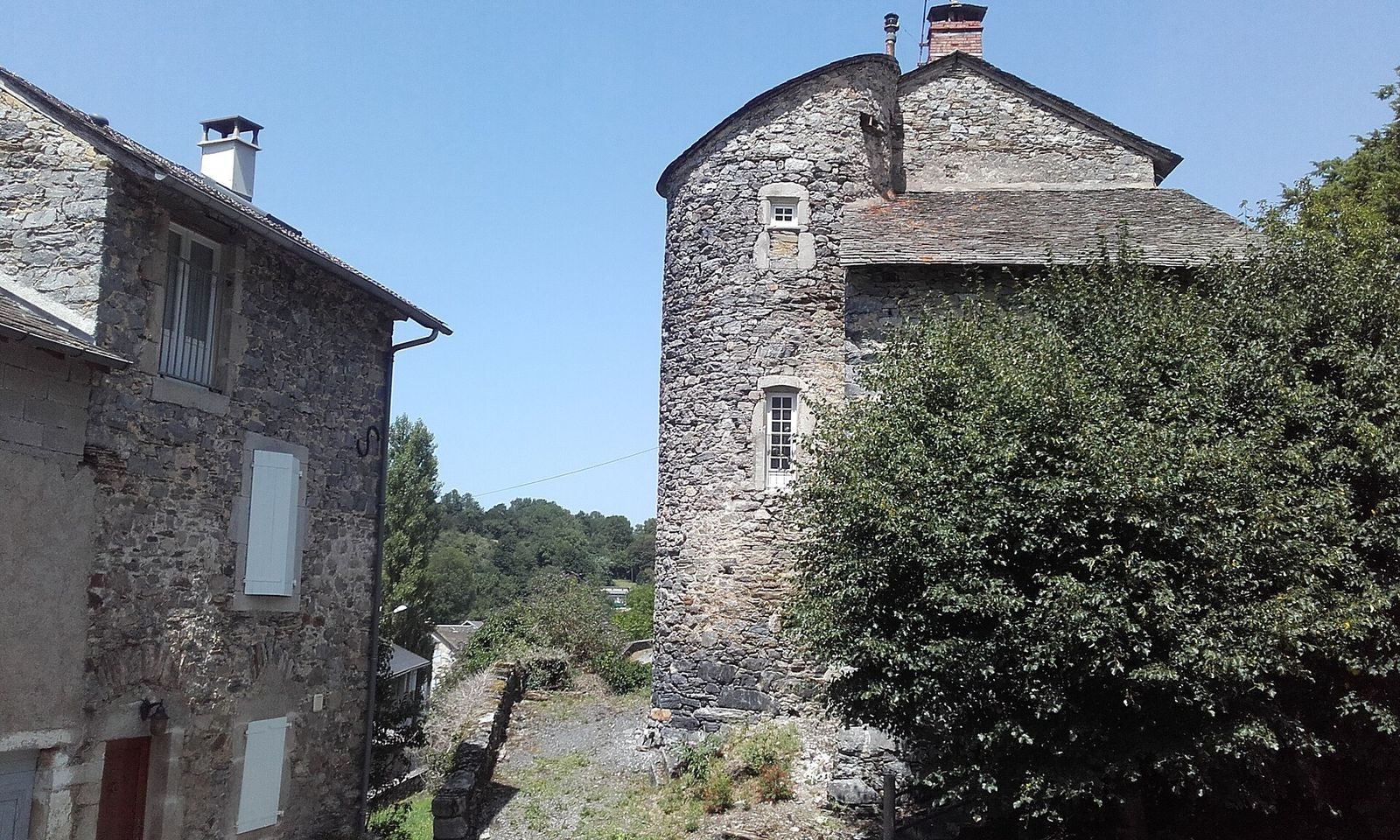
A visible joint in the façade marks the two distinct building phases of the southern block. Its round tower on the south side has been reduced to roof level. On the north side, a small projecting turret rests on corbels, supports built into the wall; the turret has also been lowered.
Rear block and entrance
A third residential block is attached behind the southern one. It has a monumental entrance door dating to the seventeenth century that opens toward Barbacane Rock.