Château Batailley: A Fifth Growth Wine Estate in Pauillac, France
Site at a Glance
- Rating
- 4.4
- Popularity
- Low
- Country
- France
- Primary era
- Unclassified
- Eras represented
- Unclassified
- Civilizations
- Unclassified
- Site type
- Economic
- Remains
- Production Complex
On this page7 sections
History
Château Batailley is a wine estate near Pauillac in France, known by its present name by the late eighteenth century and ranked among the Fifth Growth estates in the 1855 Bordeaux Wine Official Classification. The classification placed Bordeaux estates into growth categories, and Batailley was one of eighteen properties in the Fifth Growth group.
Origins and eighteenth-century ownership
The estate’s beginnings and name are uncertain. One possibility is that its land formed part of Bordeaux’s defenses during the Hundred Years’ War, the prolonged conflict between the English and French crowns conventionally dated from 1337 to 1453. Other explanations link the name to a winegrower or merchant called Batailley. A proposed connection to a nineteenth-century battle between French and English forces remains unverified.
Eighteenth-century records mention the estate, and the name Château Batailley was in use by the century’s end, when the Saint-Martin family owned the property. An inheritance divided it among three children. In 1791, the daughters, Marianne and Marthe, sold their shares to Jean-Guillaume Pécholier.
Guestier and the wine classifications
After Pécholier’s death in 1816, a public sale transferred a large part of the estate to Daniel Guestier, a Bordeaux wine merchant associated with Barton & Guestier. Admiral Jaques de Bédout, a French naval officer, lived at Château Batailley after retiring from service and remained there until his death in 1818. Guestier acquired further parcels and invested in the estate’s land, wine cellar, and residence. By the time he died in 1847, Batailley had built a strong reputation.
Wine classifiers recognized the estate before the 1855 classification. Abraham Lawton placed it in the fifth-growth category in 1815 under the name Bedou; Charles Cocks listed it in 1846 under Guestier’s ownership. By 1847, its Fifth Growth standing was established. The 1855 Bordeaux Wine Official Classification confirmed Château Batailley as a Cinquième Grand Cru Classé, or Fifth Growth.
Division and later ownership
Brothers François and Marcel Borie purchased the estate in 1932. In 1942, they divided it into the properties now called Château Batailley and Château Haut-Batailley to avoid future inheritance difficulties. After Marcel Borie died in 1961, his daughter Denise and her husband, Émile Castéja, inherited his property. The Castéja family remains the owner of Château Batailley.
The estate produces about 300,000 bottles in an average year. Its principal wine is also reported at around 22,000 cases, or 2,000 hectolitres, annually. The second wine, Lions de Batailley, was introduced in 2016, and Pauillac de Batailley is also among the estate’s wines. Depending on the vintage, barrel aging lasts 16 to 18 months, with about 55 percent of the barrels new each year.
Remains
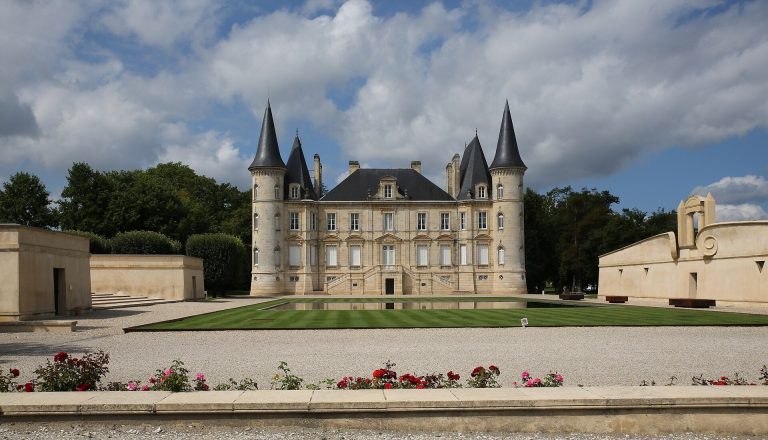
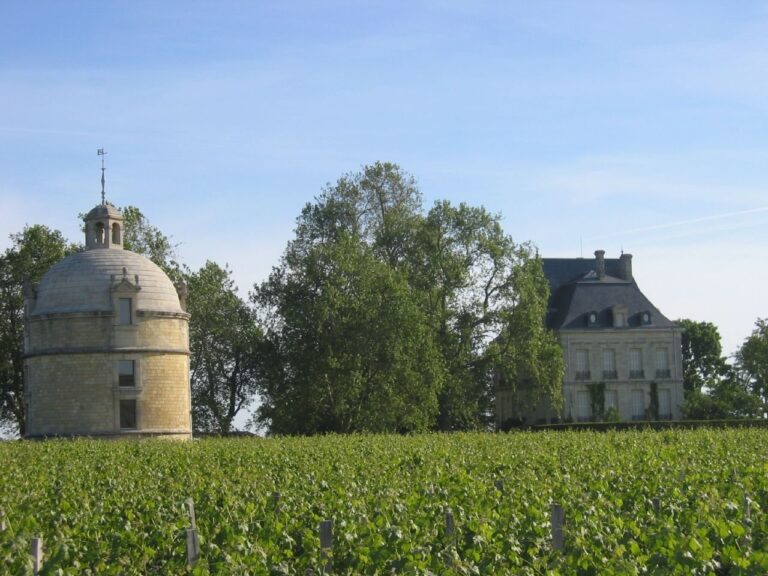
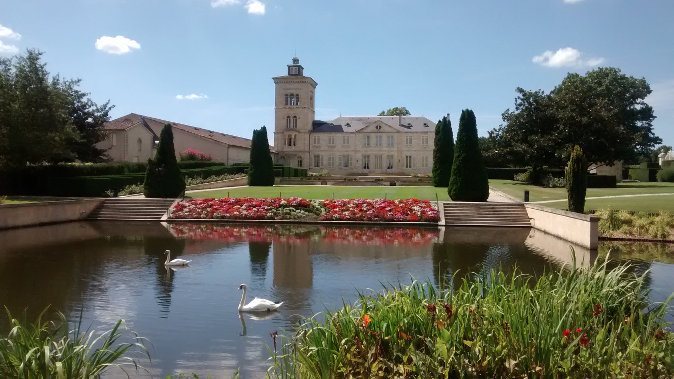
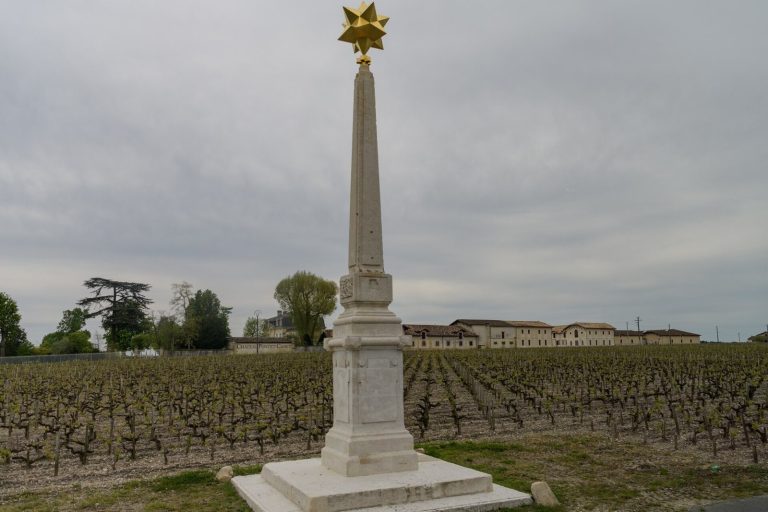
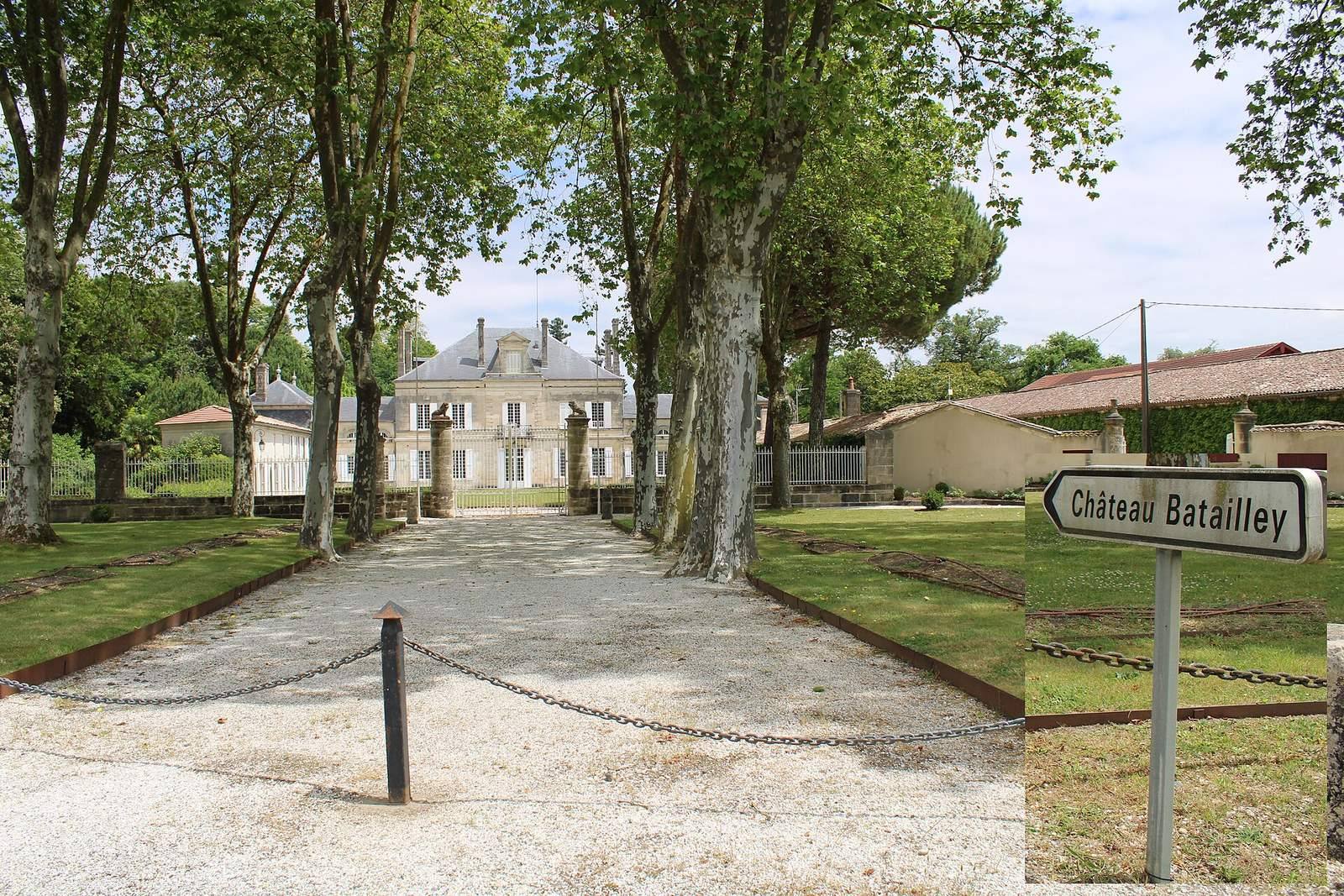
The estate includes vineyard land, a wine cellar, a residential house, and the château. Its vineyard occupies about 57 hectares at the southwestern edge of the Pauillac appellation, a geographically defined area for wine production, a few kilometres from the town of Pauillac.
Vineyard
The vineyard’s soils include deep ancient Günz gravels, deposits associated with an early Pleistocene glacial stage, as well as silica and sand. Cabernet Sauvignon makes up 70 percent of the plantings, Merlot 25 percent, Cabernet Franc 3 percent, and Petit Verdot 2 percent. The vines average about 40 years of age, with a planting density of 8,500 vines per hectare.
Château and estate buildings
The wine cellar and residential house formed part of the estate’s built facilities. In the 1942 division, the château was included in the larger portion assigned to Marcel Borie. The available details do not specify the buildings’ construction materials, architectural style, or present condition.