Chapel of Saint Roch: A Renaissance Place of Worship near Sot de Chera, Spain
Site at a Glance
- Popularity
- Very Low
- Country
- Spain
- Primary era
- Early Modern
- Eras represented
- Early Modern, Modern
- Civilizations
- Spanish
- Site type
- Religious
- Remains
- Chapel
On this page8 sections
History
Foundation and Local Devotion
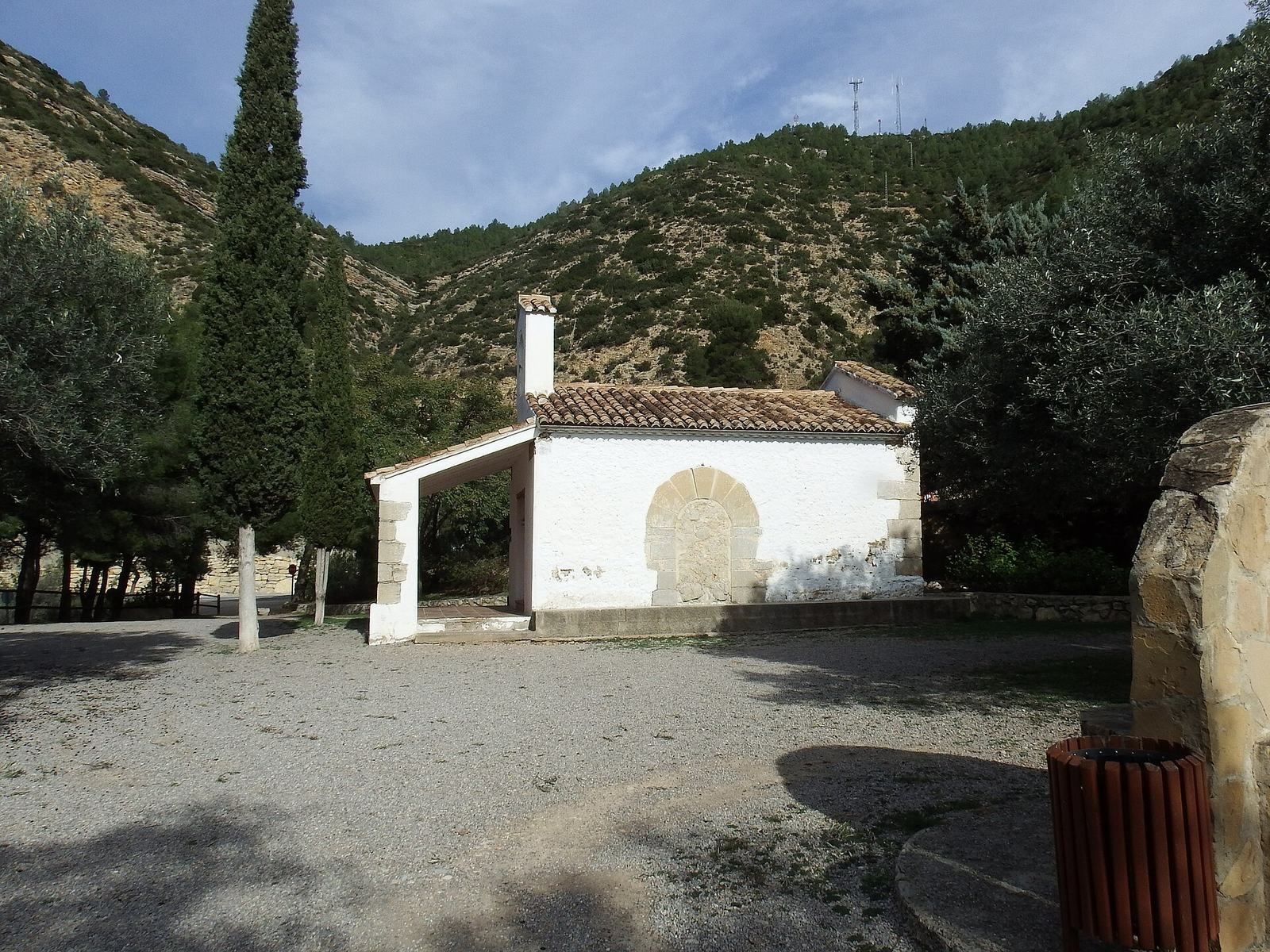
The Chapel of Saint Roch stands on a promontory near Sot de Chera, Spain. Built in 1592 in the Renaissance style, it was dedicated to Saint Roch, traditionally invoked for protection against plague and the patron of Sot de Chera. The chapel belongs to the Diocese of Valencia, an area administered by a bishop. Its festival is observed on 16 August, and the grounds have also hosted pilgrimages and local celebrations.
The Lamp Tradition
A long-standing custom called for a woman from Sot de Chera to climb to the chapel each day carrying oil for its votive lamp, a light kept burning as an act of religious devotion. The chapel key passed from woman to woman, and any extra oil may have been kept in a large jar nearby. The custom was interrupted during the Spanish Civil War, the conflict fought in Spain from 1936 to 1939.
After the war, an oil flame was kept burning continuously, with a local woman checking the lamp and replenishing it each day. Candles later replaced the oil lamp and are still kept alight. The key now passes from house to house daily and is available to local residents.
Remains
The chapel is a compact building with a single rectangular nave, measuring about 7 metres long by 5 metres wide. Its stone masonry is bound with lime mortar. A gabled roof covers the chapel, while the entrance porch has a single-pitched roof.
Exterior and Doorways
The chapel stands at an elevation of 405 metres beside a regional road, about 500 metres from Sot de Chera in the direction of Xulilla. Its front porch is reached by two steps, and the facade rises to a pediment ending in a bell gable, a wall-top opening for a bell. The entrance is a wooden door beneath a horizontal support. A second doorway on the right side is now blocked. Its rounded Romanesque-style arch, characteristic of a medieval architectural tradition, is formed from irregular wedge-shaped stones; the central stone at the arch’s crown bears the date 1591.
Bell
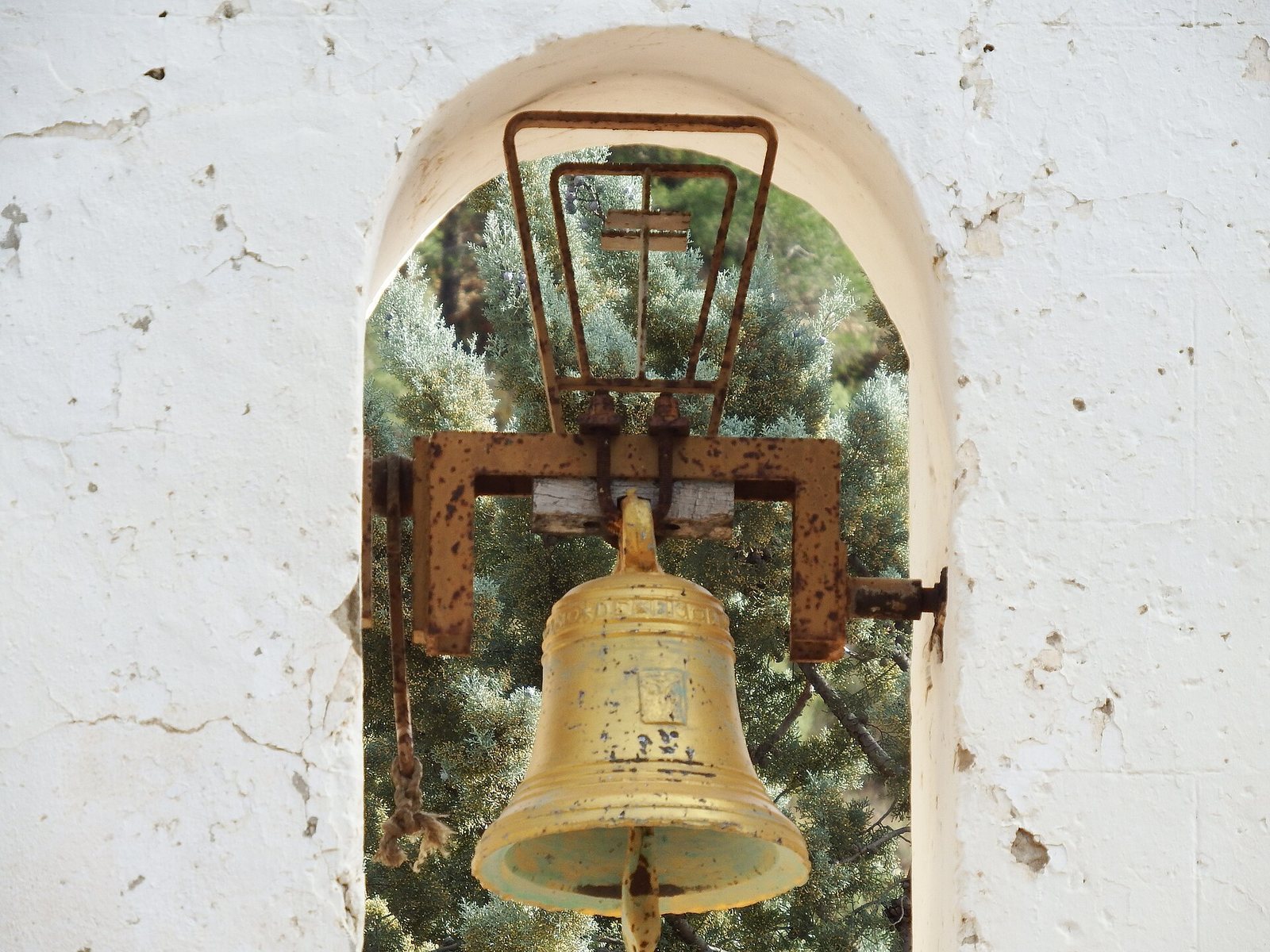
The small bell, known locally as “the little bell,” is dedicated to Saint Roch and bears the year 1802. It carries a scene of Christ’s crucifixion and an image of Saint Michael, an archangel commonly depicted defeating the devil. These designs are characteristic of bells from the fifteenth to seventeenth centuries, although this bell is dated 1802. It stopped being used before the beginning of the twenty-first century.
Interior
The interior is plain. At one end, the presbytery, the area around the altar, is raised on a platform. A small, unornamented niche there holds an image of Saint Roch.
Path and Grounds
A steep path climbs from the town to the chapel in the manner of a Calvary route, a devotional path associated with Christ’s Passion. An open esplanade around the building accommodates visits and gatherings. The surrounding recreational area includes landscaped gardens, lighting, trees of several varieties and a fountain, with views across the Sot de Chera valley.