Chaman Mahal: An 18th-Century Palace in India
Site at a Glance
- Rating
- 4.2
- Popularity
- Medium
- Country
- India
- Primary era
- Early Modern
- Eras represented
- Early Modern
- Civilizations
- Unclassified
- Site type
- Domestic
- Remains
- Palace
History
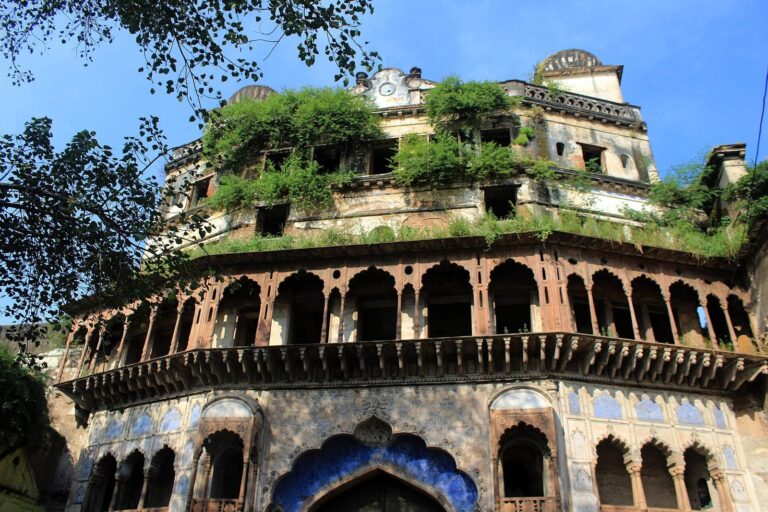
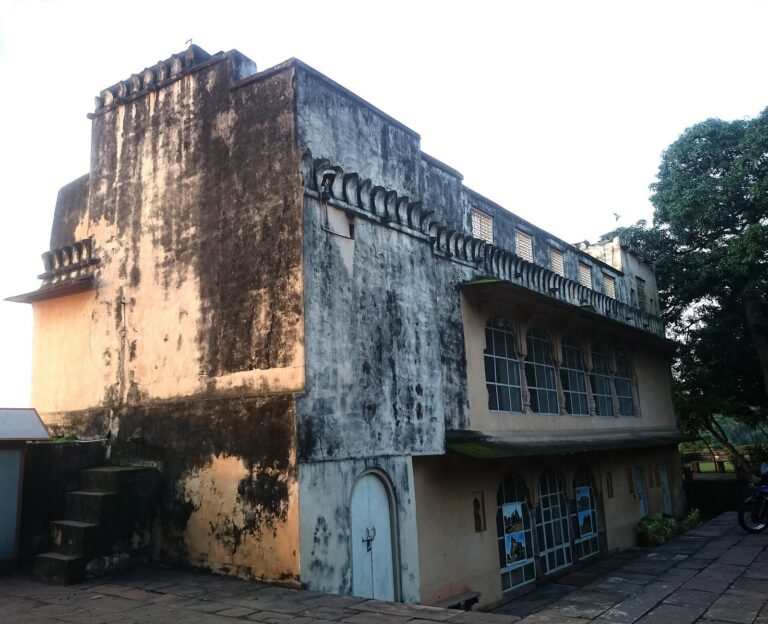
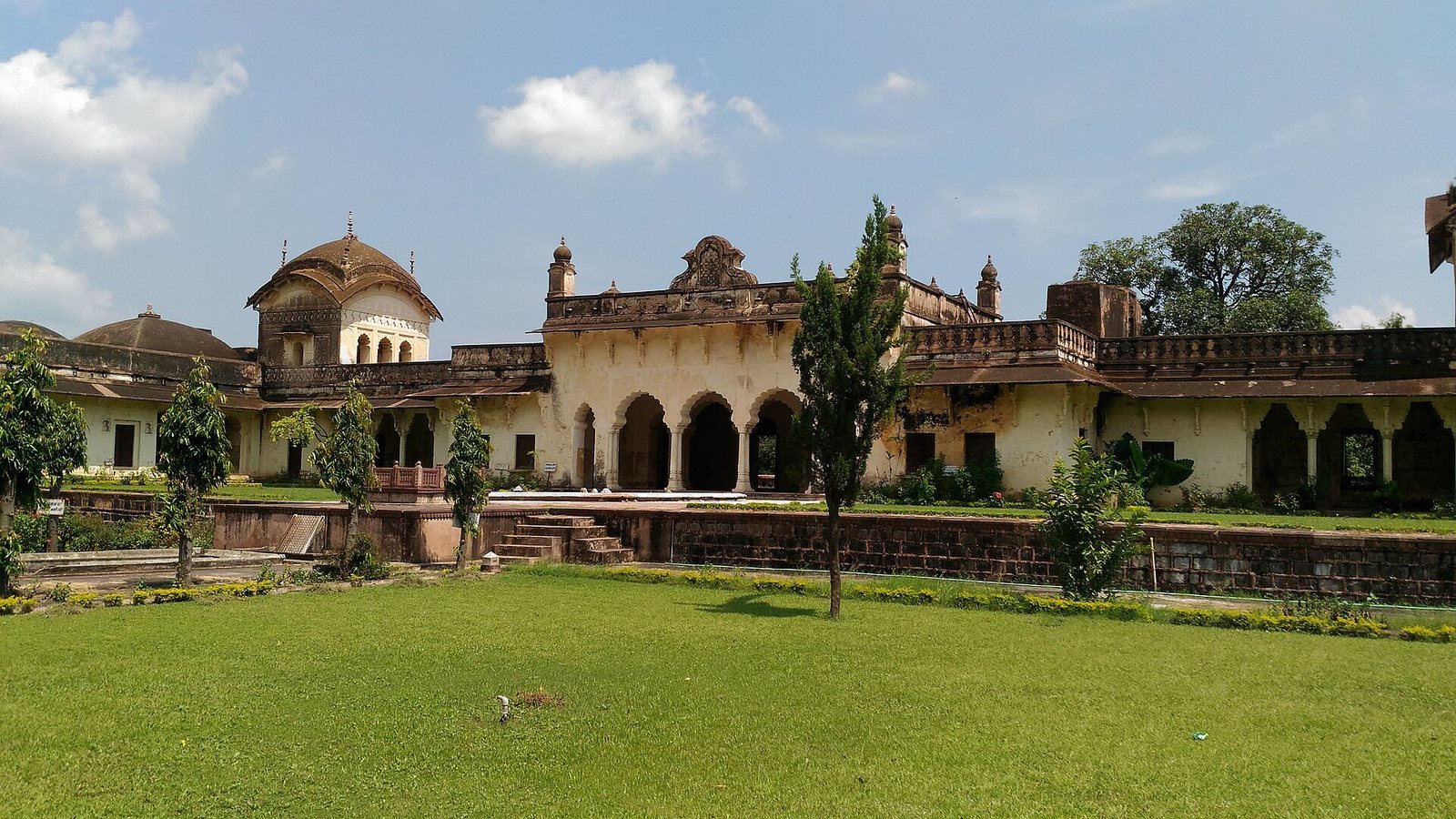
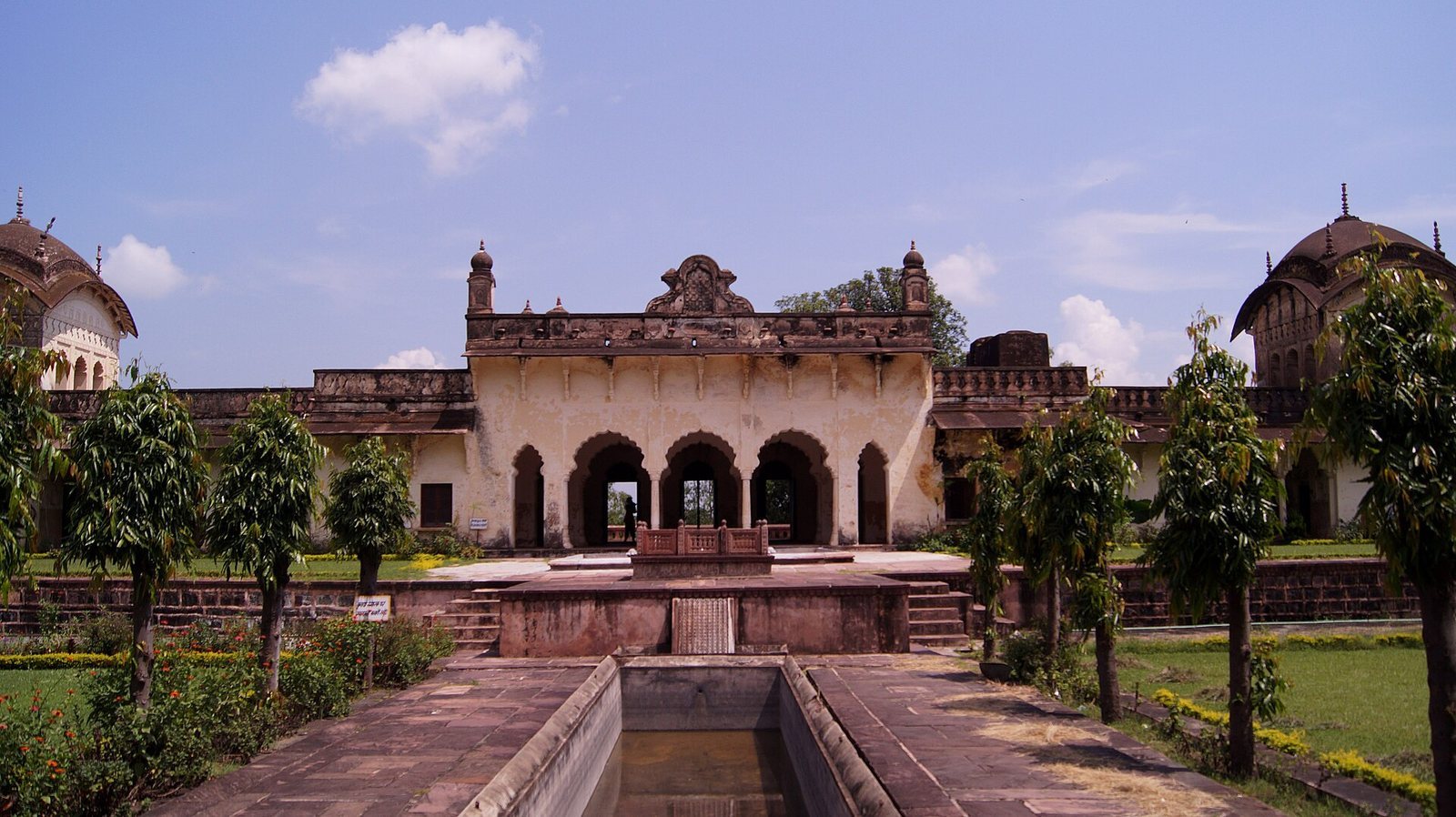
Chaman Mahal is a palace in India, built in 1715 by Afghan commander Dost Mohammad Khan while he ruled Islamnagar. Khan founded the Bhopal state.
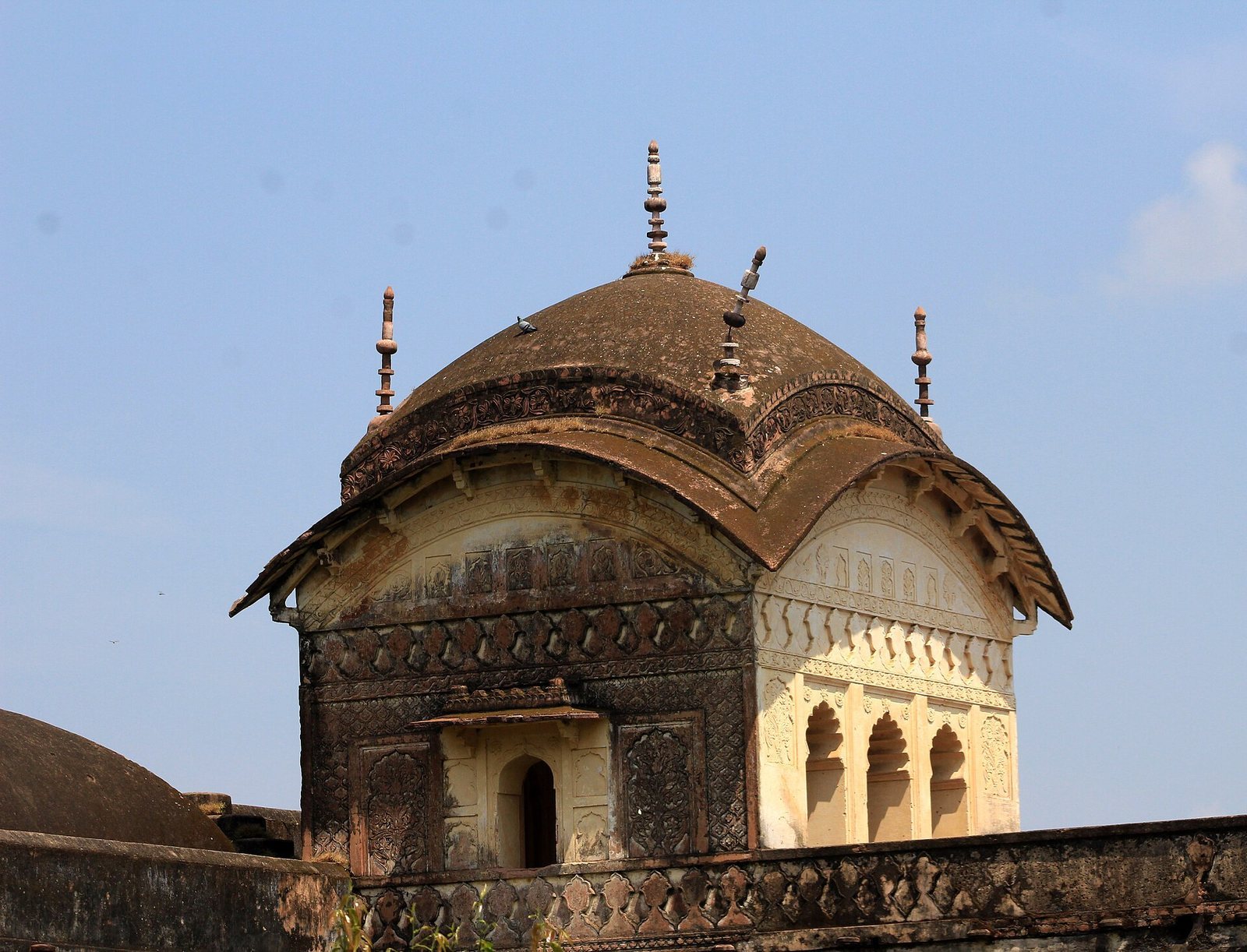
Also known as the Garden Palace and Islamnagar Fort, the palace is made of red sandstone and combines Mughal architecture, associated with a major South Asian empire, and the style of Malwa, a historic region in central India. Its entrance has 12 gates, with drooping eaves influenced by Bengali architecture, and floral motifs ornament the building.
A formal garden divided into four parts, known as a charbagh, occupies the palace’s central area and includes multiple fountains. Gardens and fountains also surround the palace, which includes a Mughal water garden and a hamam, or Turkish bathhouse. The palace now stands in ruins.