Bhojpur Stupas: A Buddhist Reliquary Settlement in Madhya Pradesh
Site at a Glance
- Rating
- 4.1
- Popularity
- Very Low
- Country
- India
- Primary era
- Classical
- Eras represented
- Classical
- Civilizations
- Unclassified
- Site type
- Religious
- Remains
- Stupa
On this page6 sections
History
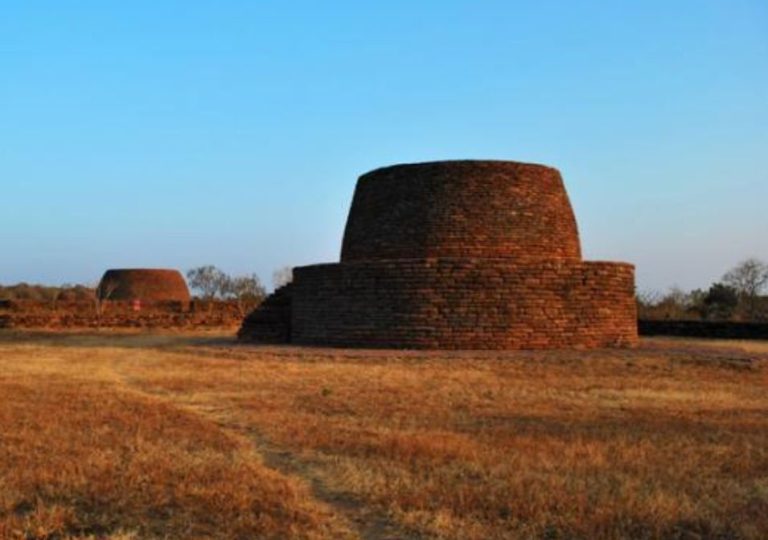
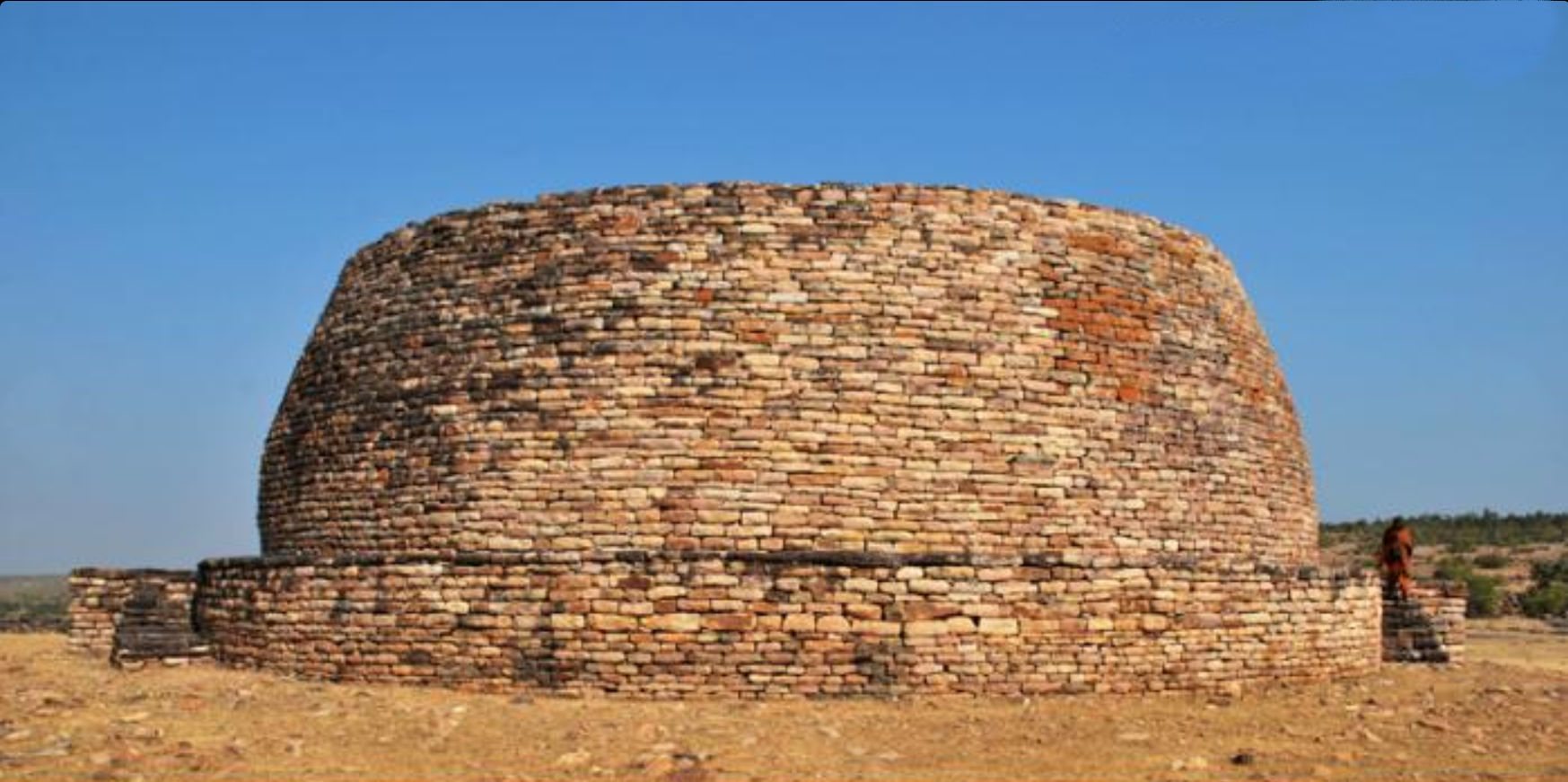
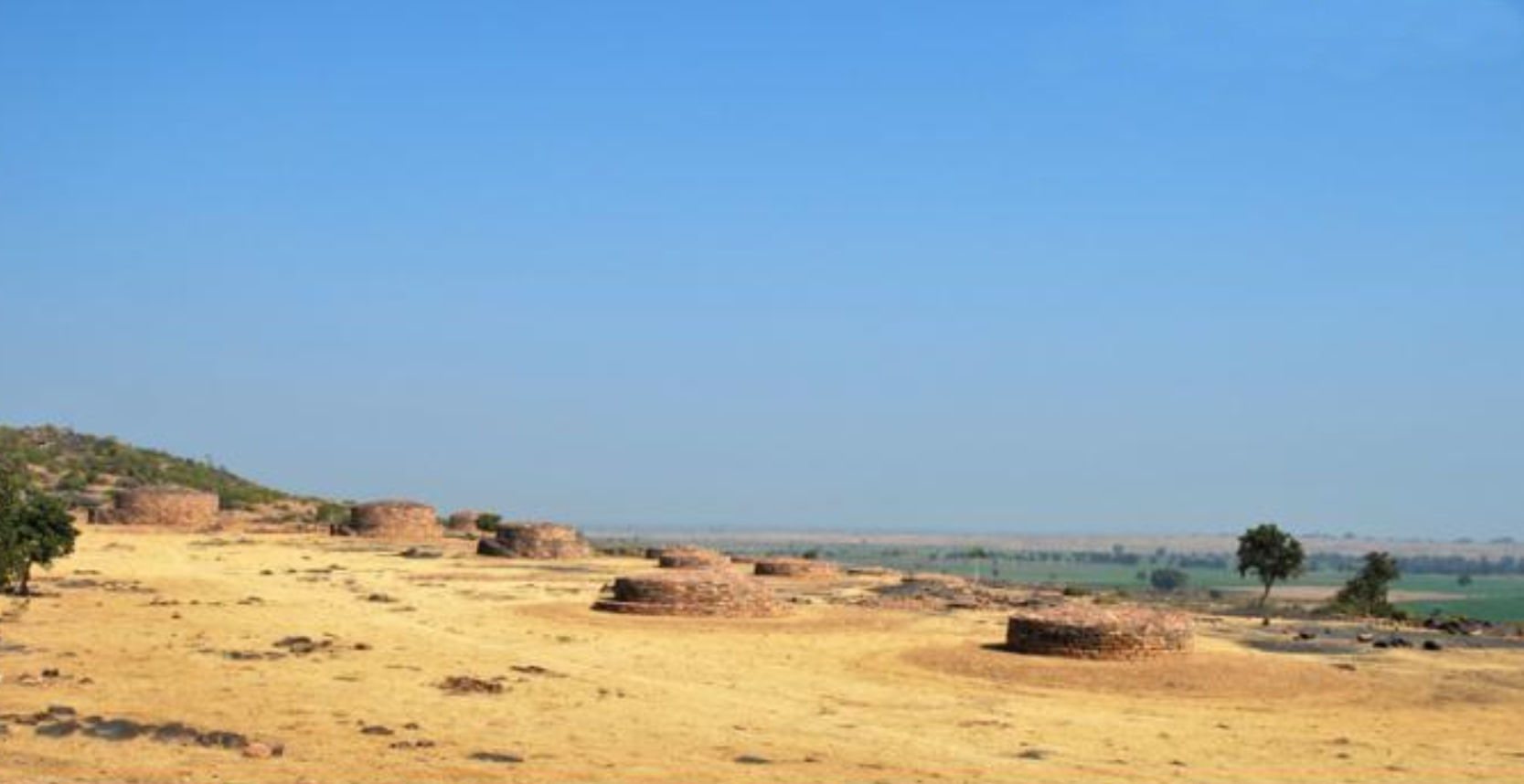
The Bhojpur Stupas, also known as the Murelkhurd or Morel Khurd Stupas, are a Buddhist settlement near Murel Khurd in Madhya Pradesh, India. Built by a Buddhist community probably during the first century BCE, the group consists of about thirty stupas, monuments associated with Buddhist relics and commemoration. Their location southeast of Sanchi places them within a wider concentration of Buddhist stupa sites in the region.
The Bhojpur group is one of four clusters situated within about 20 kilometres of Sanchi. The other groups are at Andher to the southeast, Sonari to the southwest, and Satdhara to the west, while Saru Maru lies about 100 kilometres farther south. The names Murelkhurd and Morel Khurd help distinguish this settlement from the village and archaeological site of Bhojpur approximately 45 kilometres to the southwest.
Nineteenth-century excavation
Major Alexander Cunningham investigated and excavated the stupas during the nineteenth century. Cunningham was a British army officer and archaeologist who later founded the Archaeological Survey of India. In 1851, he and F. C. Maisey, a British surveyor and archaeologist, opened the relic chamber of Stupa 2 and found a reliquary made of rock crystal. In most cases, the reliquaries recovered from the excavations were taken to England.
Remains
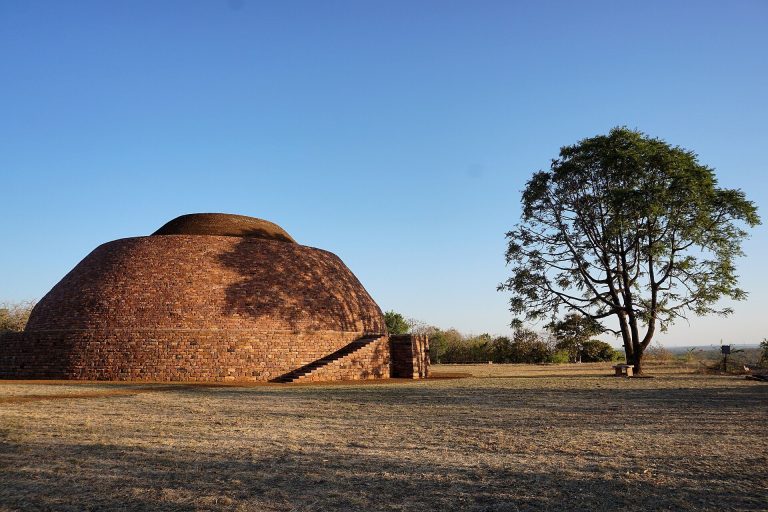
The site is formed by a group of approximately thirty Buddhist stupas. These monuments contained hollow central chambers intended to hold small relics, sacred remains associated with Buddhist devotion. Relics were found when the chambers were opened, although they are now lost. The stupas probably carried umbrellas, traditional markers of high rank, above their domed forms.
Stupas and relic deposits
The stupa group
The surviving remains represent a settlement organized around numerous small stupa monuments rather than a single structure. Their central hollow chambers provided spaces for relic deposits, while the probable presence of umbrellas added a recognized Buddhist sign of rank to the monuments.
Stupa 2 reliquary
The reliquary found in Stupa 2 is carved from rock crystal, a material valued for its purity in sacred containers. It is shaped as a small Buddhist stupa and measures about 11 centimetres high and 8 centimetres wide. The object is now held by the Victoria and Albert Museum.