Certosa della Losa: A Twelfth-Century Carthusian Monastery in Italy
Site at a Glance
- Rating
- 4.8
- Popularity
- Very Low
- Country
- Italy
- Primary era
- Medieval
- Eras represented
- Medieval
- Civilizations
- Holy Roman Empire
- Site type
- Religious
- Remains
- Chapel
On this page5 sections
History
Certosa della Losa is a former Catholic Carthusian monastery in Italy, founded in 1189 in the Susa Valley. Built in the Romanesque tradition during the twelfth century, it was the first Carthusian monastery in the valley and belonged to the Lombardy Carthusian province, in connection with the dioceses of Turin and Susa. The Carthusians followed a strongly contemplative form of monastic life that combined communal worship with extensive solitude.
Foundation at Losa
Thomas I, Count of Savoy, founded the monastery in the Dora Riparia valley, although the foundation may have involved an existing group of hermits that adopted the Carthusian rule. The community was established at Losa by 1191, on or near an older monastic settlement associated with abandonment during the Saracen invasions. Its creation came about a century after the Grande Chartreuse, the motherhouse of the Carthusian order, was founded in 1084.
In 1189 Thomas I granted the Carthusians Orgevallis, an alpine territory extending from the area of Menone, or Menusio, now Mattie, to Chaumont. In 1191 he granted the lands around the church at Losa, authorized the recovery of usurped property, and exempted the community from tolls. Two years later, Saint-Just Abbey of Susa transferred all its rights over the mountain of Losa to the Carthusians. The institutions formed a mutual pact of prayer and assistance and permitted their members to pass between them, while the Losa community was expected to number twelve monks.
Privileges and Lands
Emperor Henry VI exempted the Carthusians of Losa from the oath of calumny, allowed them to appoint a sindaco, a local representative authorized to act for the community, and freed them from tolls. He also asked the municipality of Turin to defend and protect the church of Losa. Arduin, Bishop of Turin, and his successors likewise protected the community. Further toll exemptions covered lands in Dauphiné, Maurienne, and Monferrat.
The monks cultivated and administered the properties donated by Thomas I, which consisted largely of pastures supporting numerous herds. In 1197 the count granted them the Orsiera valley and Montebenedetto after they found Losa unsuitable. Difficulties in securing the land needed to create the secluded territory required by Carthusian life contributed to the move, and the community transferred its residence to Montebenedetto in the late twelfth century.
Later Relocations
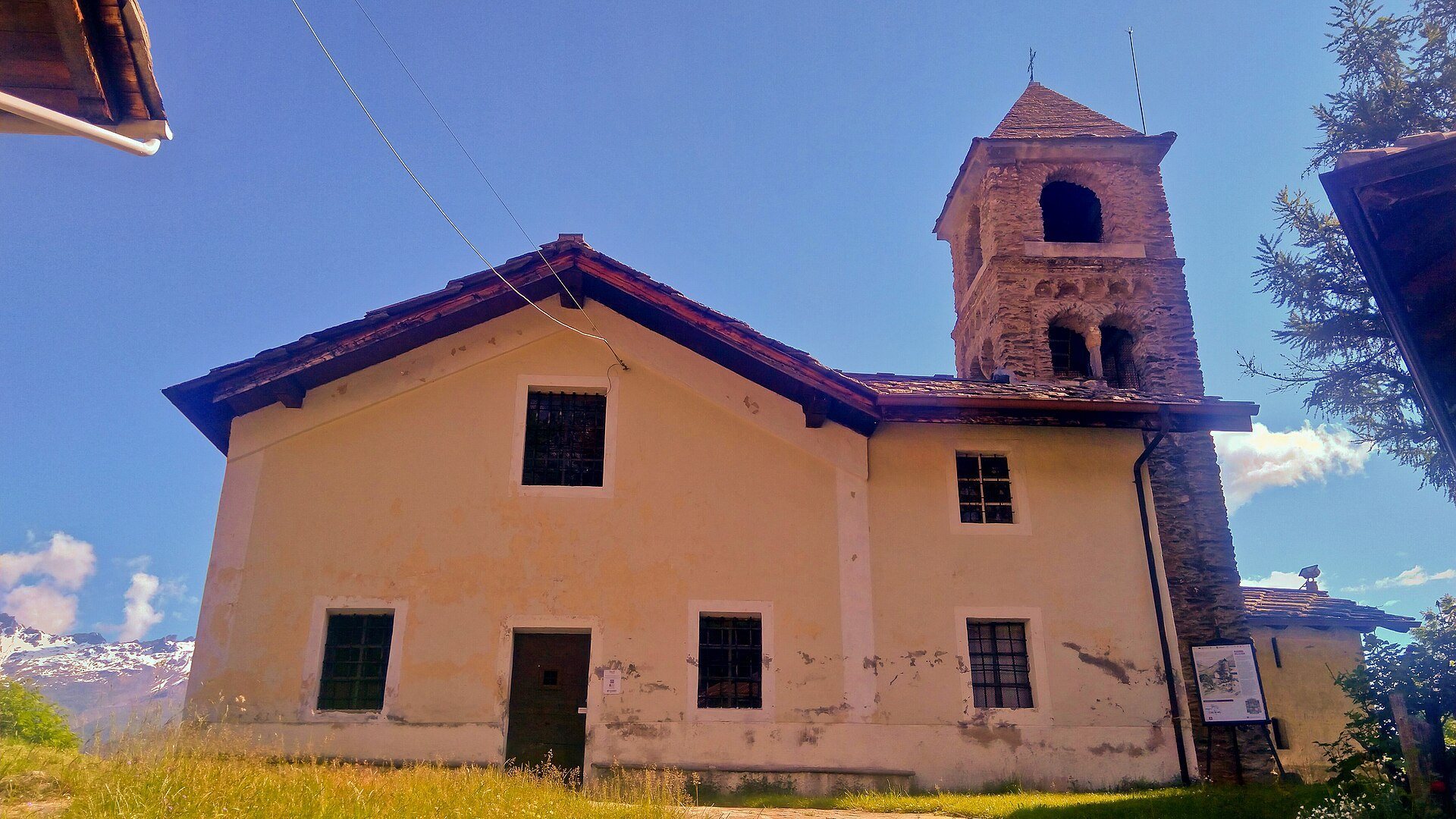
After leaving Losa, the community moved successively to Banda from 1498 to 1598, Avigliana from 1598 to 1630, Montebenedetto or Banda from 1630 to 1642, and Turin from 1642 to 1855. The former monastery at Losa was later converted into a chapel, and the site no longer functions as a monastery.
Remains
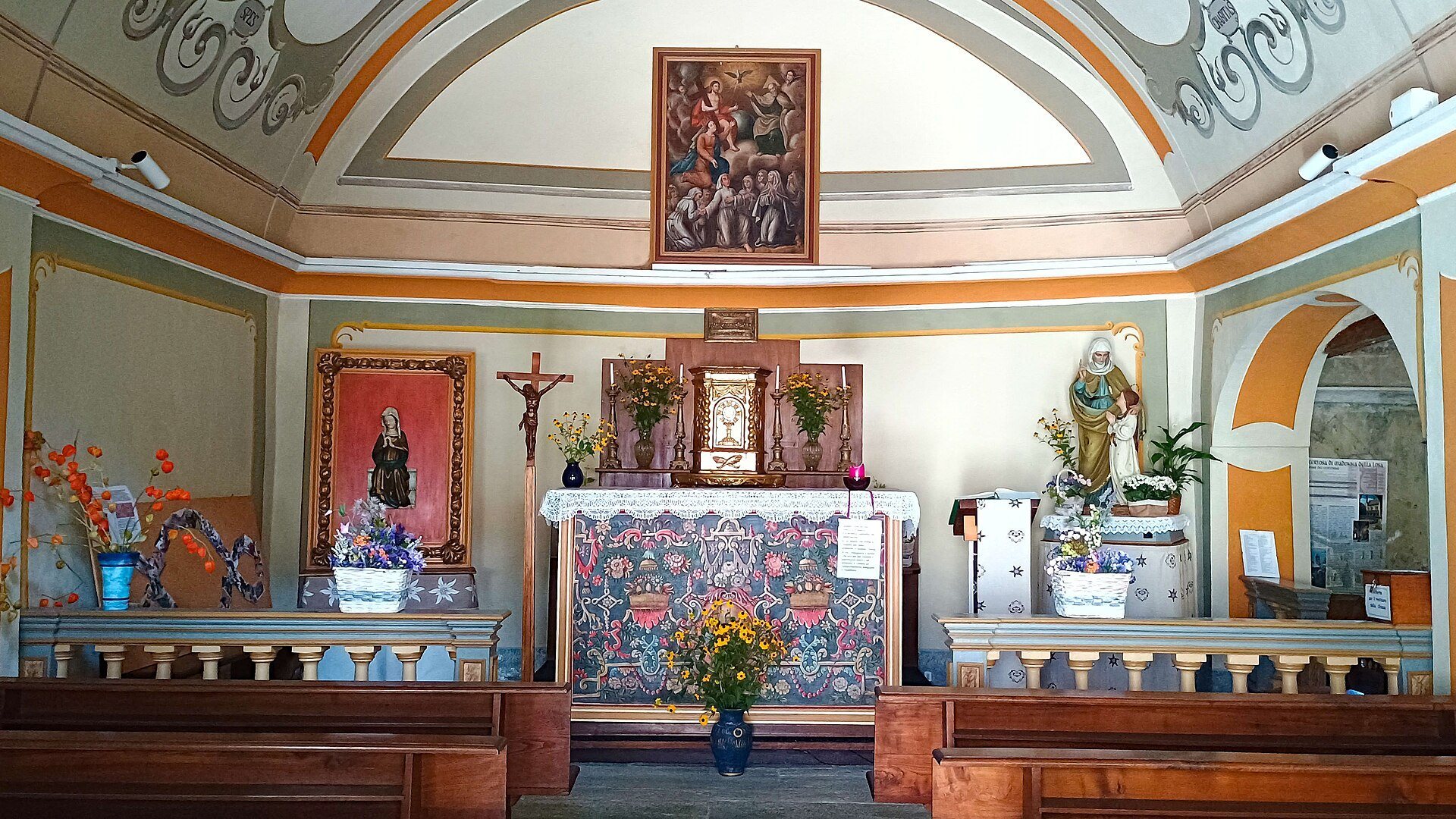
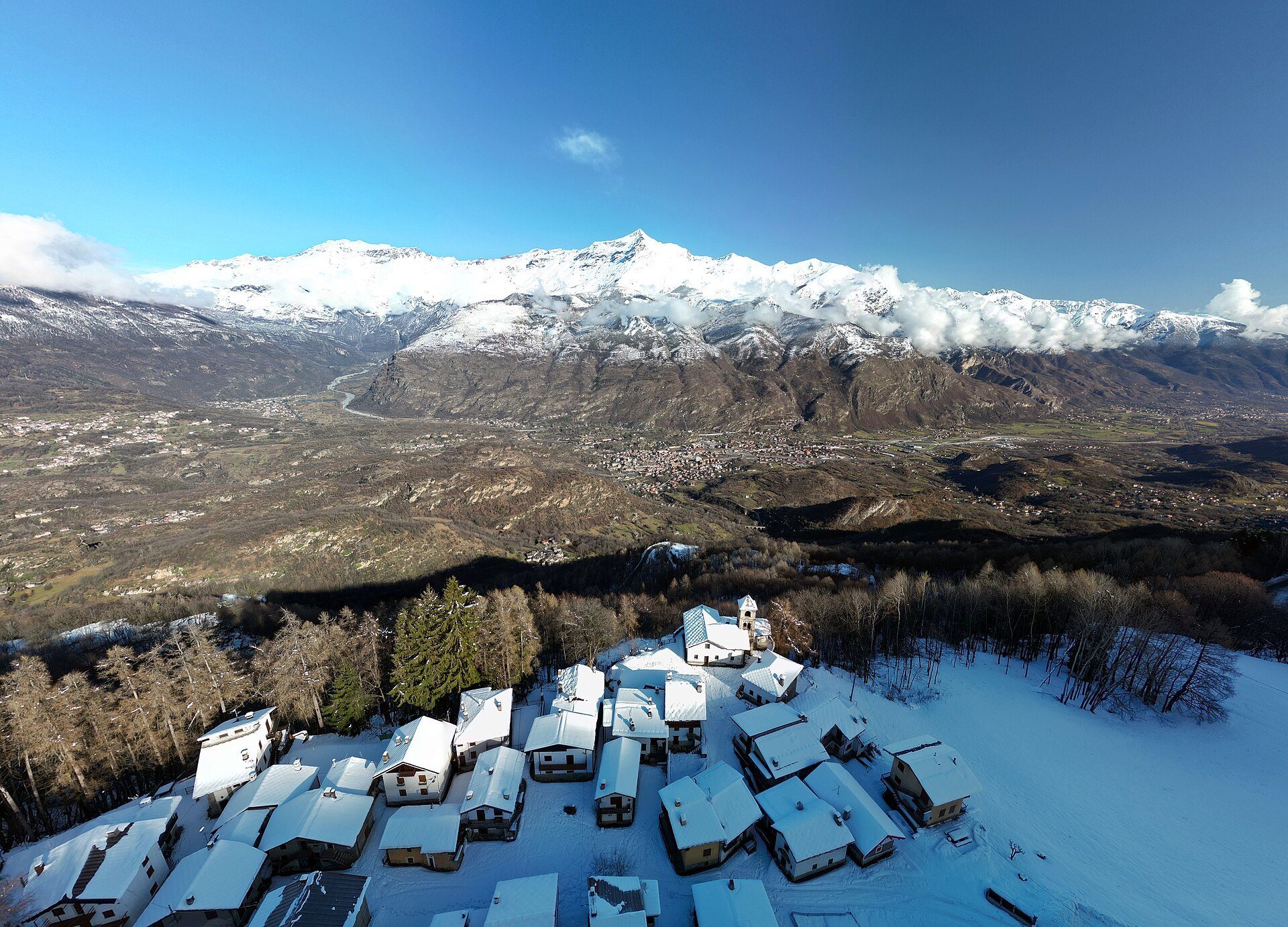
Certosa della Losa stands near Losa, upstream from Gravere, at an elevation of about 1,200 metres in the Susa Valley. The complex was Romanesque and was completed during the twelfth century. Its surviving church is a small building from the original Carthusian foundation. It is now dedicated to Saint Anne and was rebuilt at public expense in 1817, preserving the site as a chapel rather than as an active monastic complex.