Château du Cros: A Ruined Fortress Overlooking the Garonne


Site at a Glance
- Rating
- 4.9
- Popularity
- Very Low
- Country
- France
- Primary era
- Medieval
- External website
- Open
- Eras represented
- Medieval, Early Modern
- Civilizations
- English, French
- Site type
- Military
- Remains
- Castle
On this page10 sections
History
Château du Cros is a ruined fortress in Loupiac, France, associated with the historic region of Gascony. Originally a strategic defensive structure, it also monitored river traffic on the Garonne. The castle was Romanesque in its first form, with work beginning in 1155, and its construction continued from the late twelfth to the mid-fourteenth centuries.
Medieval origins and development
The beginning of construction is recorded in the Cartulary of La Sauve-Majeure, a medieval collection of legal and property documents from the former Benedictine abbey of La Sauve-Majeure. Repeated remodelling altered the fortress over time. Its overall plan took shape between the fourteenth and seventeenth centuries, reflecting a long period of adaptation rather than a single building phase.
The Hundred Years’ War and later occupation
During the Hundred Years’ War, a prolonged conflict fought mainly between the English and French crowns in the fourteenth and fifteenth centuries, Château du Cros remained in the English camp. Its defenders fiercely repelled the lords of Benauge. The castle later passed through several families, but it remained continuously inhabited until the Second World War.
Wartime destruction and preservation
During the Second World War, the German army requisitioned the castle because of its commanding viewpoint and used it for military firing practice. Shortly before withdrawing, the occupying forces completed its destruction with explosives. The castle was abandoned at the end of the war.
After abandonment, the loss of the roofs exposed the ruins to weather, theft, and vandalism, leading to rapid deterioration. An order dated 31 December 1993 placed Château du Cros on the supplementary inventory of historical monuments. In 2008, responsibility for the Vieux Château du Cros passed to the association Les Amis du Vieux Château du Cros through a long-term emphyteutic lease, an arrangement that grants responsibility for using and maintaining property while ownership remains with another party. Substantial restoration began in 2010, and the privately owned ruins remain under renovation. Since that year, the association has organized recurring medieval-themed and heritage events, including the Journées Médiévales du Cros and guided activities during the European Heritage Days.
Remains
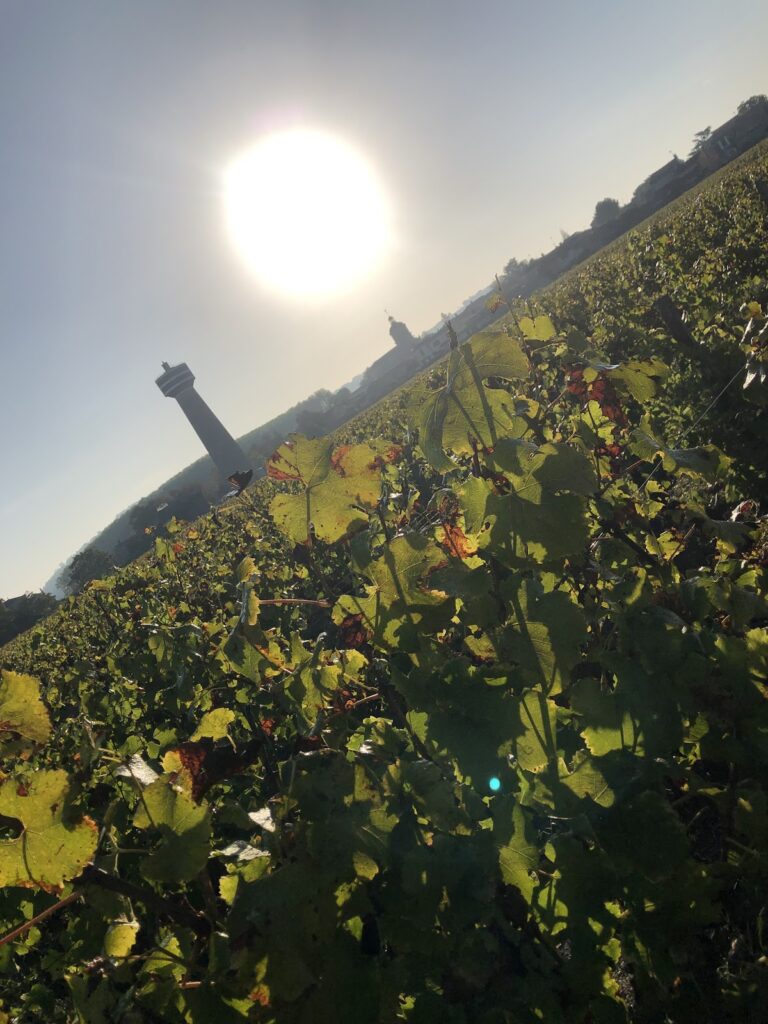
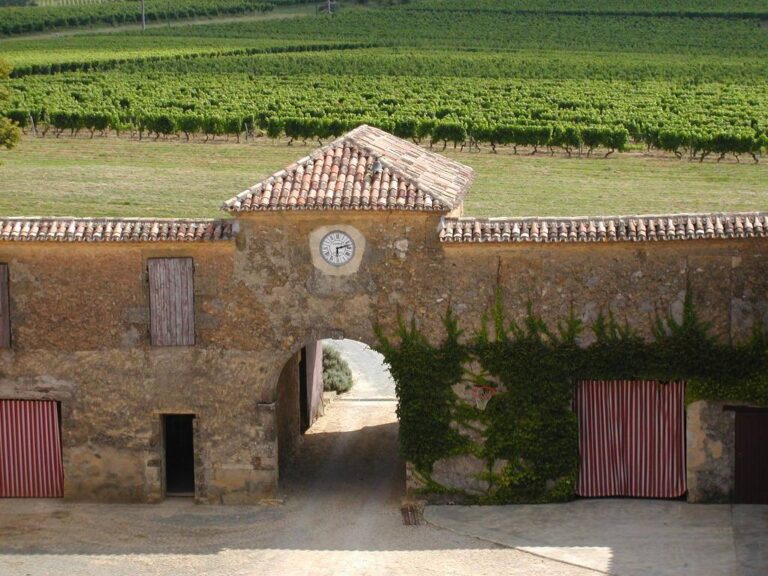
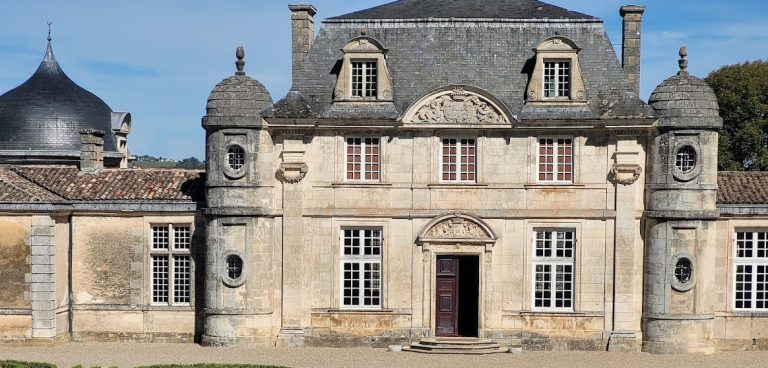
Château du Cros occupies a rocky spur and hill overlooking the Garonne and the departmental road D10. The fortress lies about 500 metres south of Loupiac, while the buildings of the associated Château du Cros wine estate stand below it beside the road. The surviving complex comprises a roofed tower, a second altered tower, a seventeenth-century pavilion, and sections of wall, forming the remains of a plan developed through repeated remodelling between the fourteenth and seventeenth centuries.
Surviving towers and pavilion
Roofed tower
One tower retains its roof and was restored in 1993. Restoration has also included waterproofing the tops of the walls, repairing windows and some chimneys, and addressing parts of the stair tower.
Altered tower
A second tower survives with its upper part removed. Together with the remaining wall sections, it preserves part of the fortress’s defensive fabric after the wartime destruction and subsequent deterioration.
Seventeenth-century pavilion
A pavilion dating from the seventeenth century forms another surviving element of the complex. Its presence reflects the later architectural phases that shaped the castle’s overall plan.
Restored architectural details
Repair work has restored the stair tower and its Flamboyant Gothic doorway. Flamboyant Gothic is a late Gothic style known for elaborate, flame-like tracery and ornament. The restoration programme has also repaired selected windows and chimneys while protecting the exposed wall tops from water damage.
Nearby sites