Castle of Trevejo: A Medieval Fortress in Cáceres, Spain
Site at a Glance
- Rating
- 4.6
- Popularity
- High
- Country
- Spain
- Primary era
- Medieval
- Eras represented
- Medieval
- Civilizations
- Crown of Castile
- Site type
- Military
- Remains
- Castle
On this page7 sections
History
The Castle of Trevejo is a 15th-century fortress in Trevejo, a village in Villamiel municipality in Cáceres province, Spain. It was built on the site of an earlier Muslim fortress.
Medieval fortress and changing ownership
Before the 12th century, a Muslim fortress stood here. Alfonso VII of León conquered it and ceded it to the Order of the Temple, a religious-military order. In 1184, Fernando II of León transferred the fortress to the Order of St John of Jerusalem, also known as the Hospitallers. In 1186, he gave it to the Order of Santiago, an Iberian religious-military order. The Order of Alcántara, another Iberian order, also held the fortress in a later period.
Fifteenth-century castle and later history
The earlier stronghold provided the basis for construction of the castle in the 15th century. During the French invasion of the Iberian Peninsula, the castle was destroyed to prevent Spanish guerrillas from using it as shelter.
The castle is privately owned by the Navarra family of Trevejo, specifically Haran Trevejo. It is protected under the general declaration established by a decree of 22 April 1949 and Spain’s 1985 Historical Heritage Act. It is also catalogued as an Asset of Cultural Interest, a formal Spanish heritage-protection category, and included on the Heritage Red List.
Remains
The surviving features lie within the ruined castle enclosure and at its foot. The enclosure includes the remains of the fortress and part of the municipal cemetery.
Castle structures and burials
Keep and enclosure
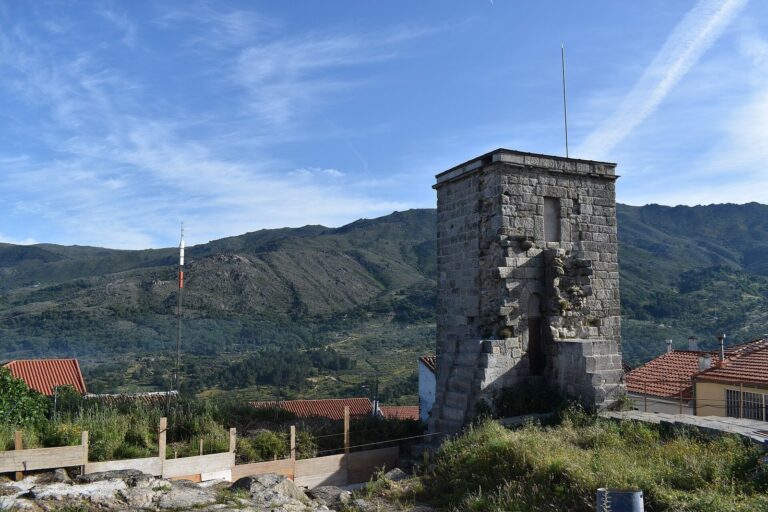
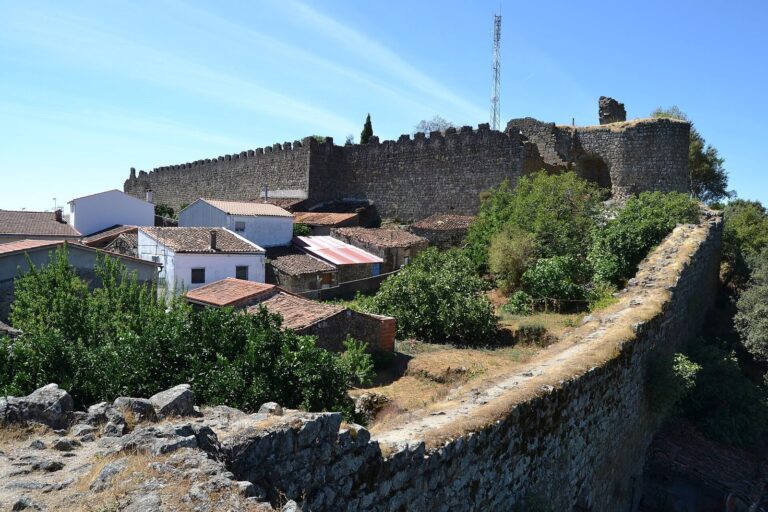
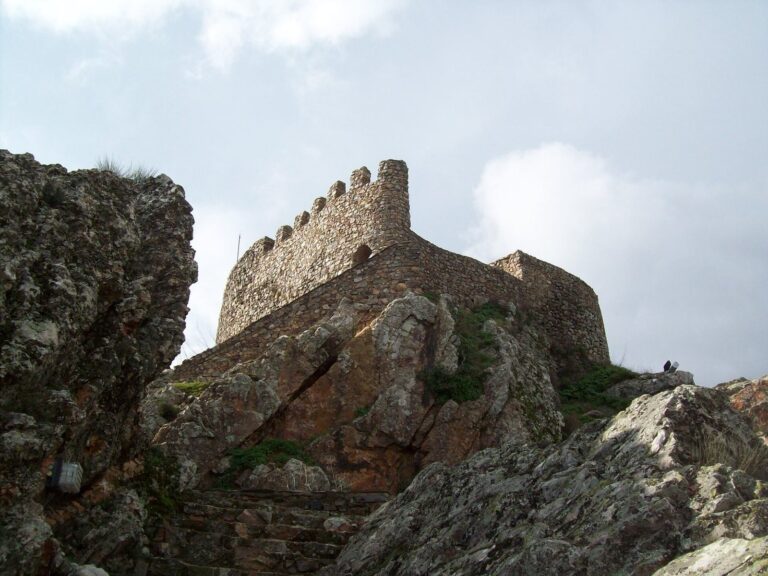
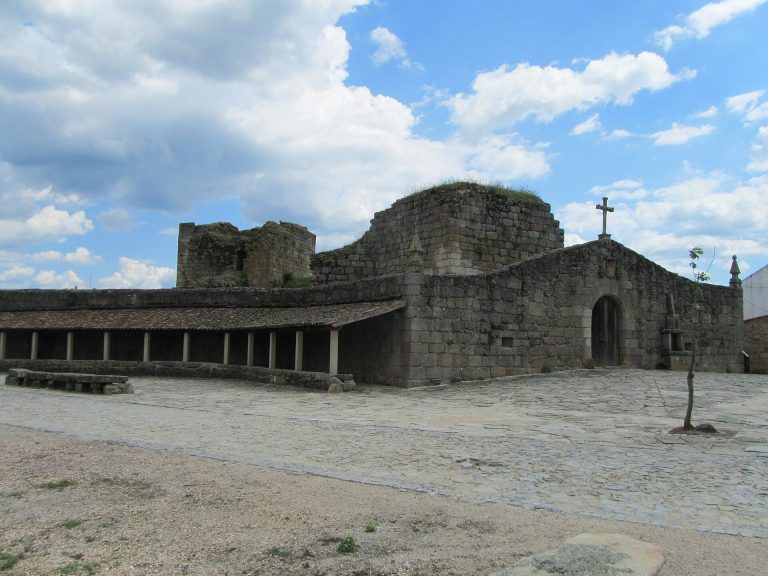
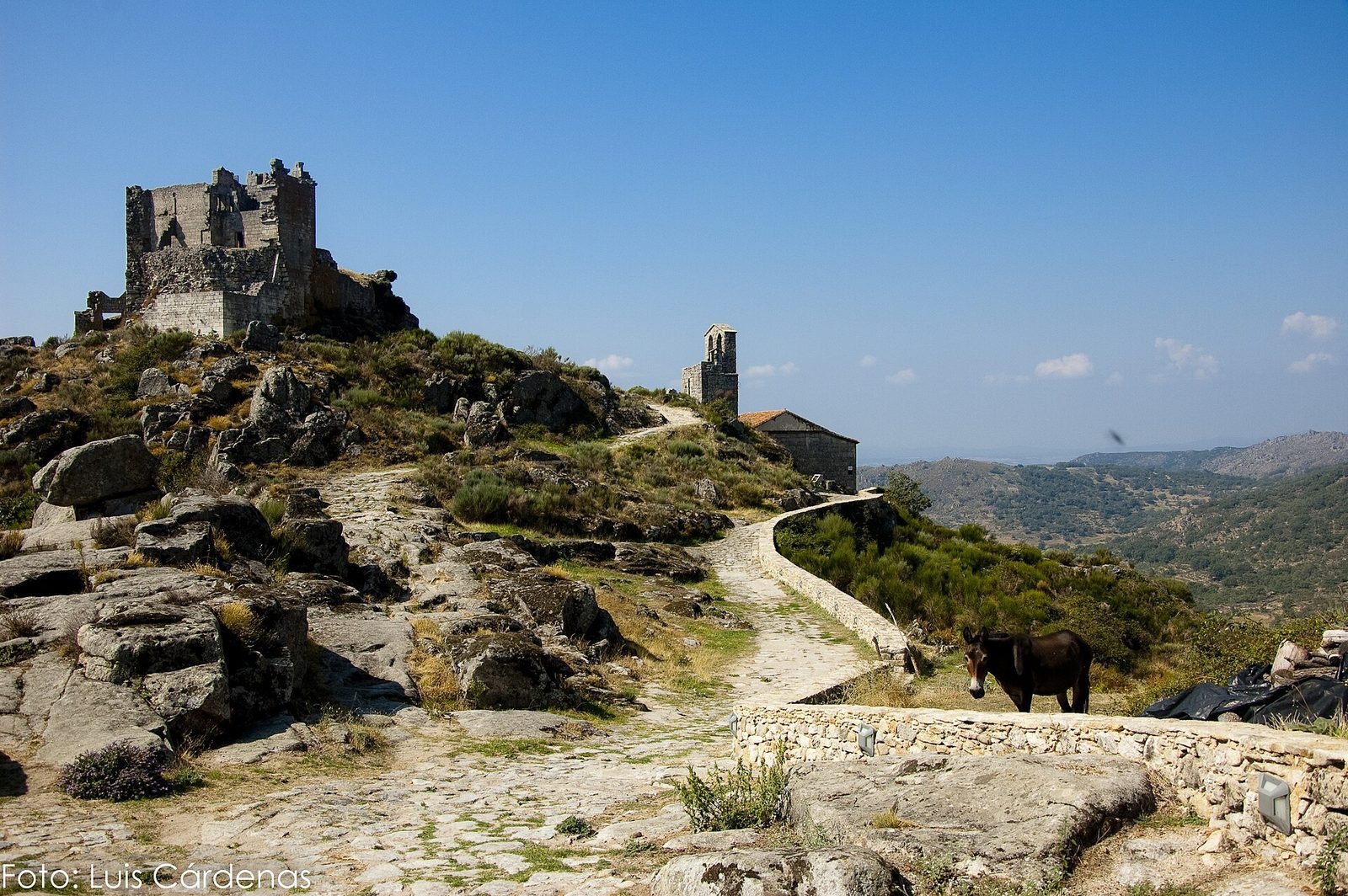
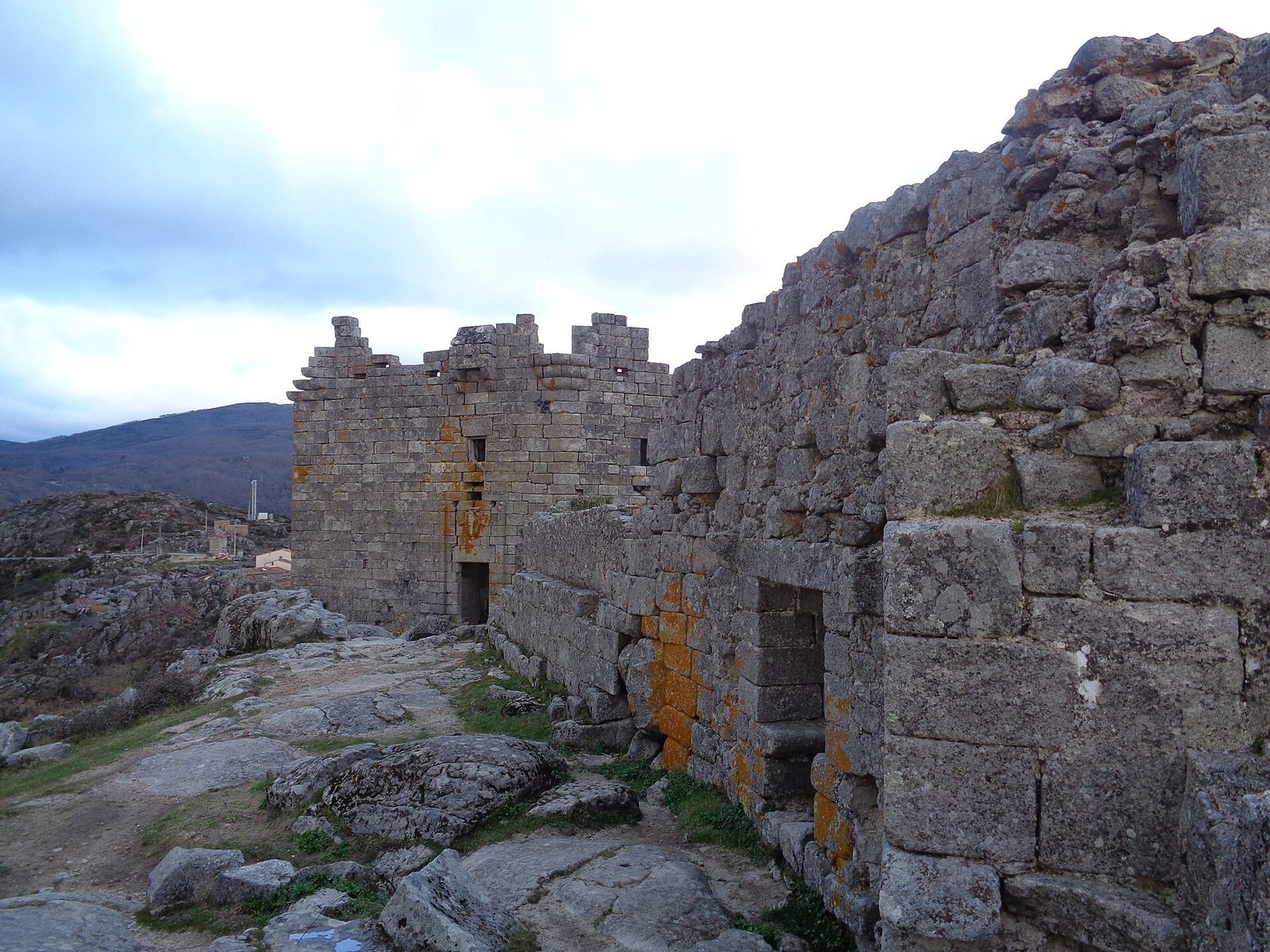
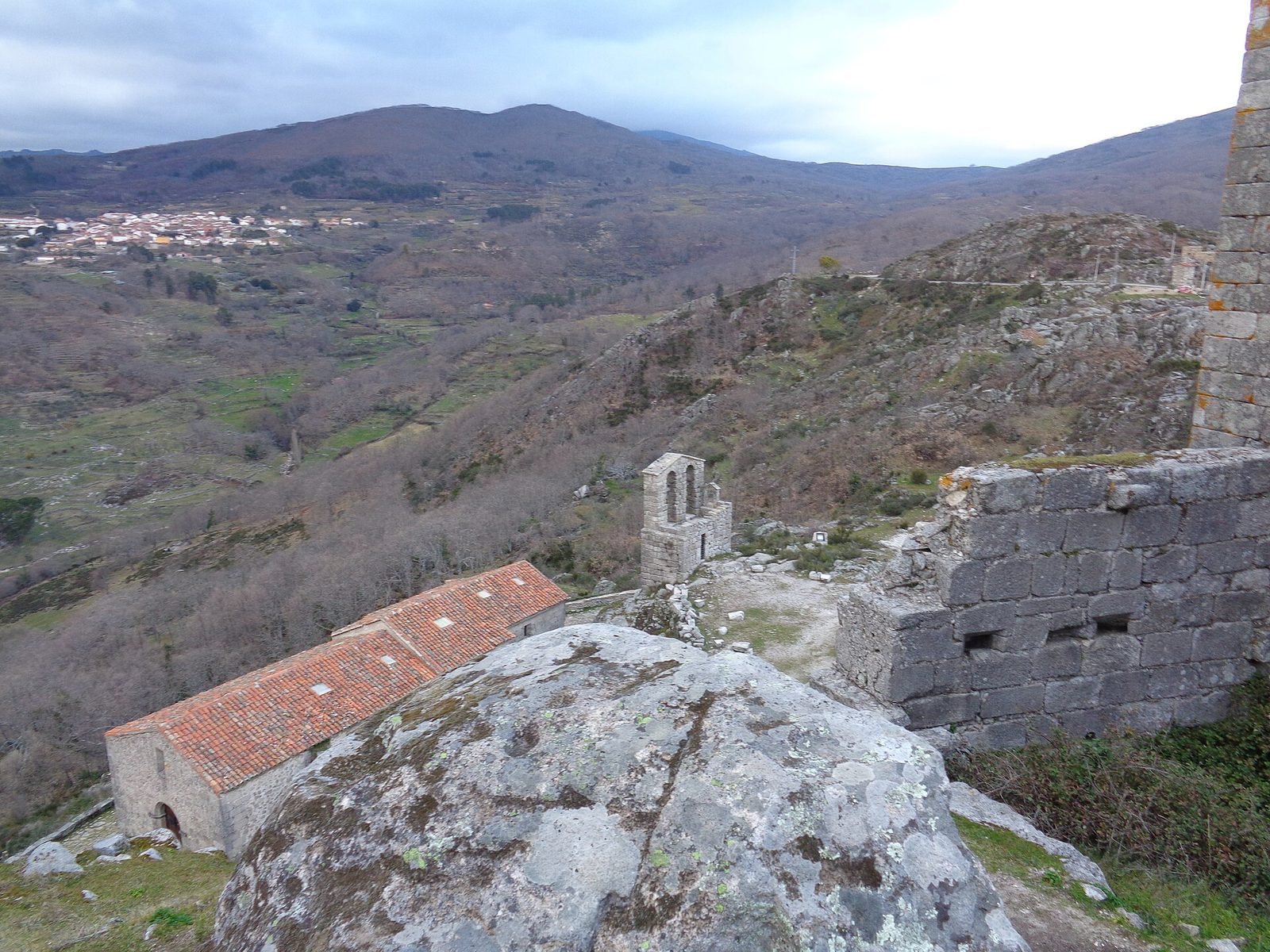
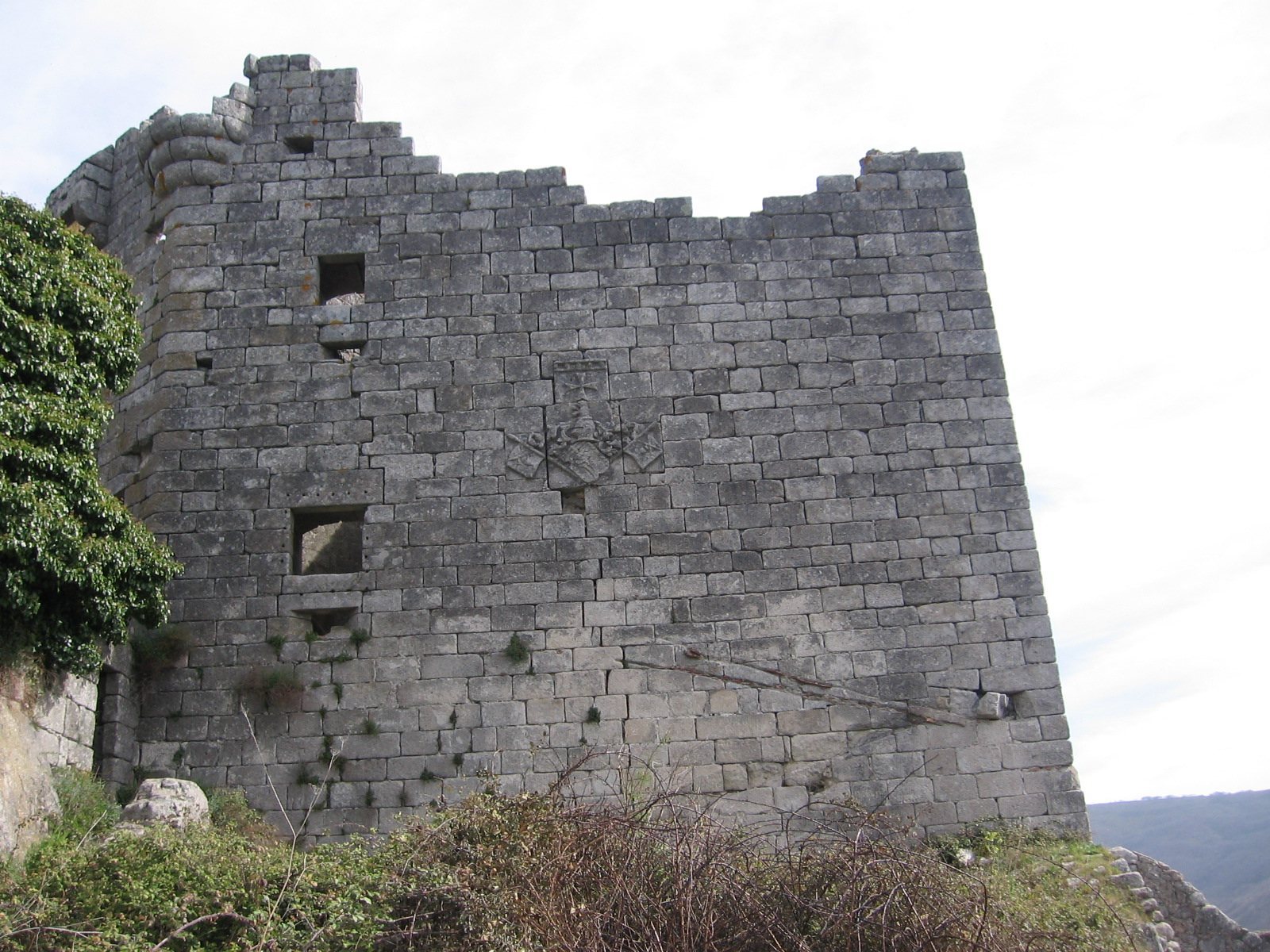
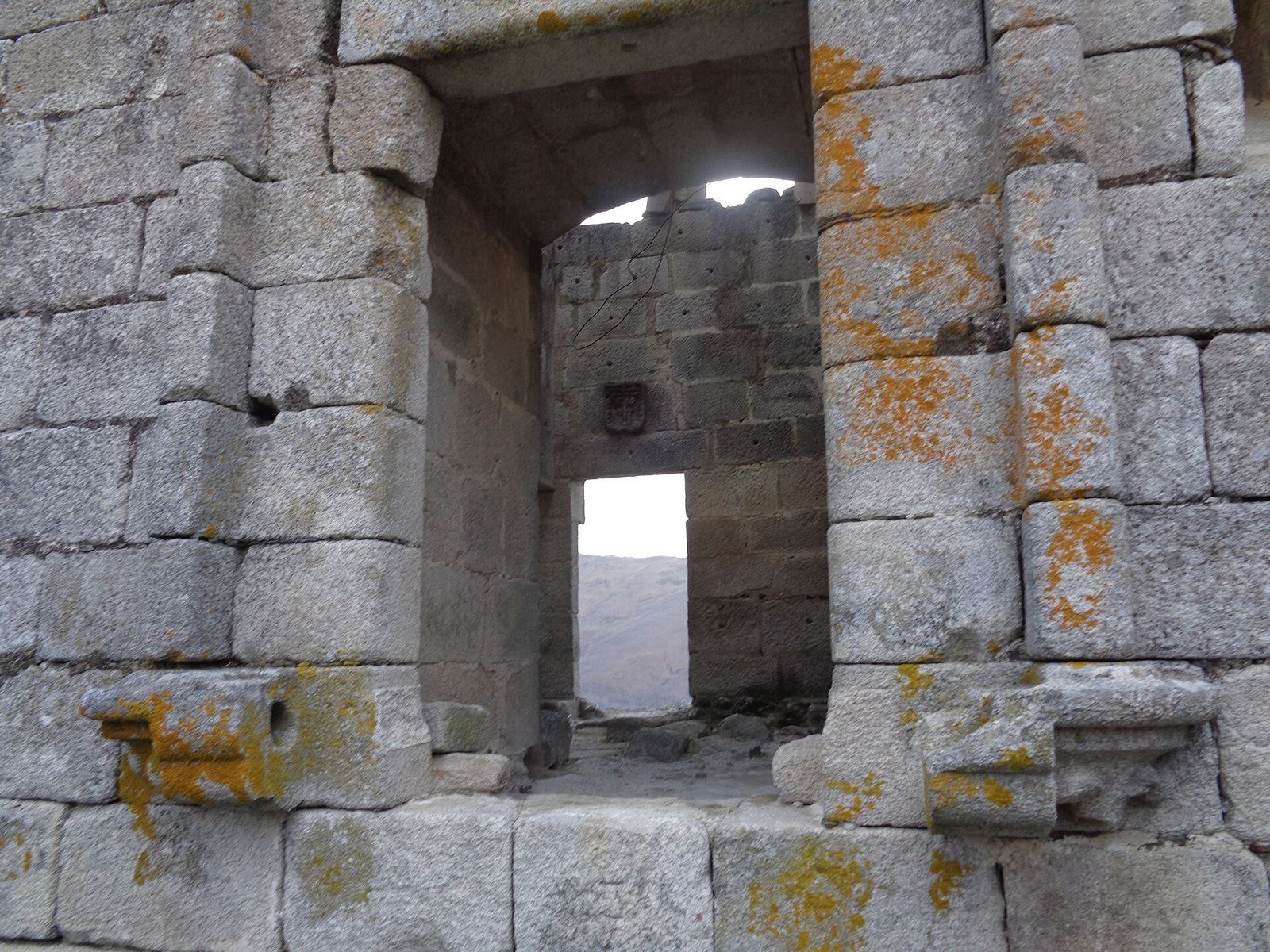
The castle is in poor overall condition, but its keep, the principal fortified tower, and much of its defensive wall survive. Part of the enclosure is used as the municipal cemetery.
Stone graves
At the foot of the castle are human-shaped stone graves. They appear to be burials of some of the warrior monks who were among the fortress’s earliest owners.