Castle of Santo Stefano d’Aveto: A Medieval Fortress and Noble Residence in Italy


Site at a Glance
- Rating
- 4.3
- Popularity
- Low
- Country
- Italy
- Primary era
- Early Modern
- Eras represented
- Medieval, Early Modern
- Civilizations
- Holy Roman Empire
- Site type
- Military
- Remains
- Castle
On this page8 sections
History
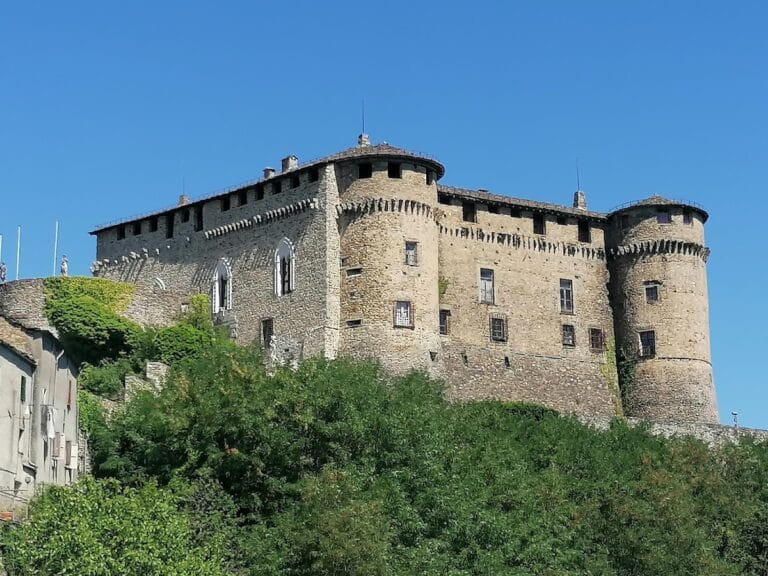
Castle of Santo Stefano d’Aveto is a medieval fortress and noble residence in Santo Stefano d’Aveto, Italy. Positioned to control routes crossing the Apennine passes toward Emilia, it acquired its present defensive character through major alterations in the sixteenth century.
Medieval Origins and the Malaspina
The castle may predate the twelfth century, but its first recorded appearance is in an act of transfer from 1164. In that document, Emperor Frederick Barbarossa, the medieval Holy Roman Emperor who ruled from 1155 to 1190, assigned the fief of Santo Stefano and its castle to the Malaspina family. The Malaspina held extensive feudal possessions in Lunigiana and eastern Liguria. The territory later became a marquisate, and the family is associated with the construction of a defensive castle at Santo Stefano.
The Fieschi Possession
In 1495, Francesco Malaspina sold the fortress to Giannetto Fieschi, Count of Lavagna. The Fieschi were a powerful Ligurian noble family associated with Lavagna. Francesco’s sons challenged the sale and received compensation of 28,000 contemporary lire, while Emperor Maximilian I formally confirmed Fieschi’s possession in the same year.
During the first half of the sixteenth century, Giovanni Filippo Platoni served as castellan and procurator of Santo Stefano d’Aveto. He maintained commercial connections with Giovanni Luigi Fieschi and close ties with the Fieschi family, reflecting the castle’s place within the political and economic network of the period.
Doria Rule and the End of the Fortress’s Strategic Role
After Gerolamo Fieschi died without children in 1547, Charles V transferred the castle to Andrea Doria. Charles V was both Holy Roman Emperor and, as Charles I, king of Spain, while Andrea Doria was a Genoese admiral and political leader. The fortress then remained with the Doria family, later known as the Fieschi Doria and subsequently the Doria Pamphili, until the Imperial Fiefs were abolished in 1797 under Napoleon Bonaparte. These were territories held directly from the Holy Roman Empire rather than incorporated into a neighboring state. The castle’s strategic function ended in 1797.
The most extensive changes had taken place during the sixteenth century, when the castle became an important control point on routes leading toward the Po Valley. The Municipality of Santo Stefano d’Aveto now owns the complex. During the twentieth century and afterward, it was used for cultural events, and conservation-restoration work has continued across the site.
Remains
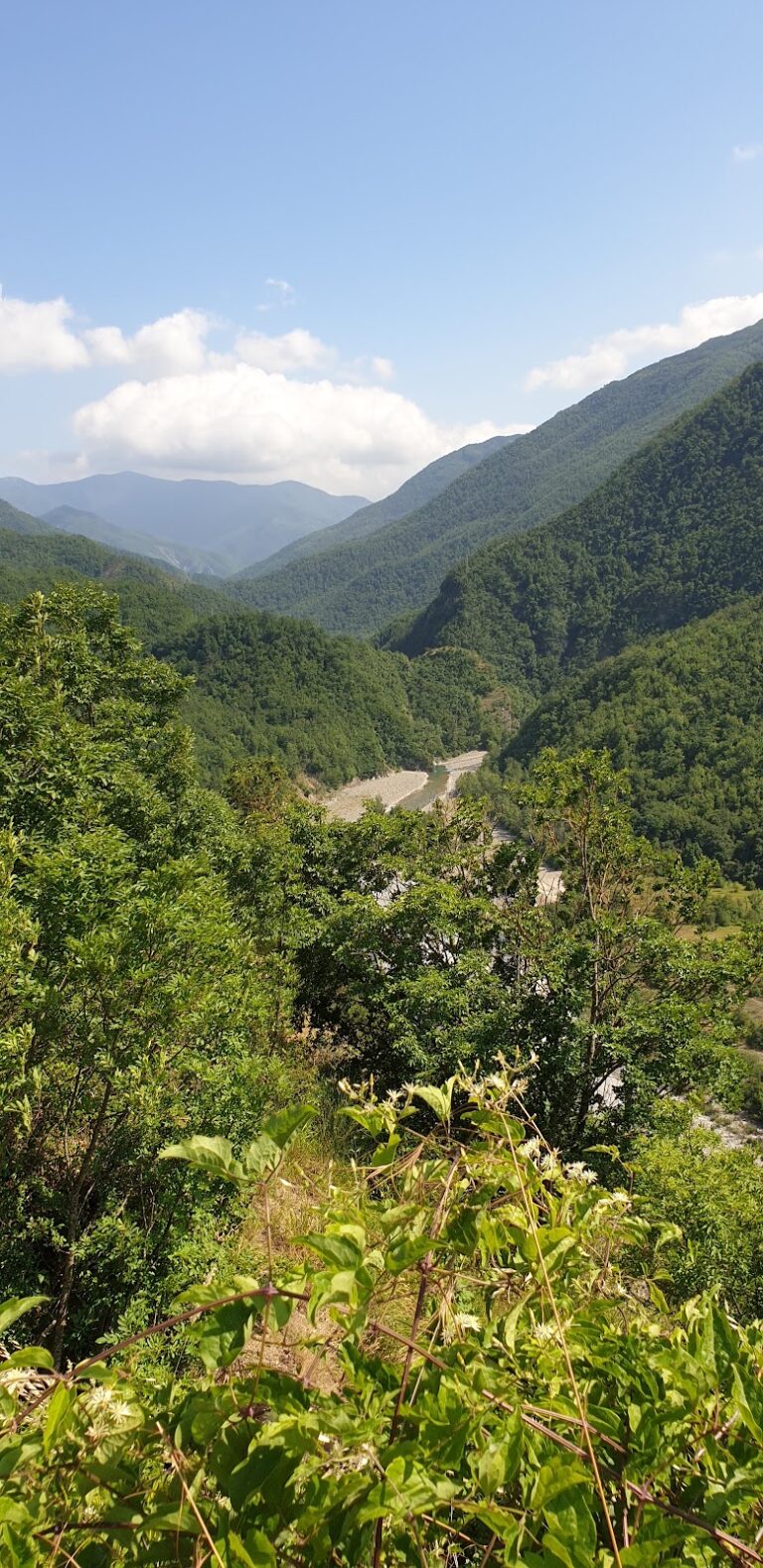
The castle occupies the center of the broad basin beneath Mount Maggiorasca, within or immediately beside the present settlement and almost entirely surrounded by meadows. Its irregular pentagonal plan reflects the transformation of an earlier castle or noble residence into a fortified complex adapted to artillery warfare.
Defensive Walls and Bastions
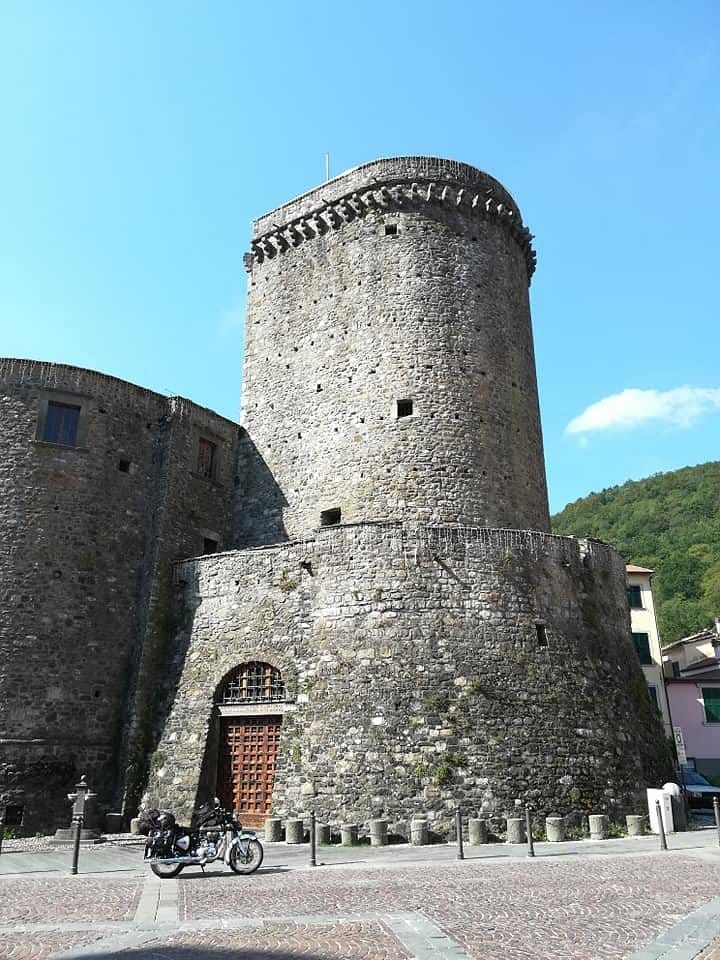
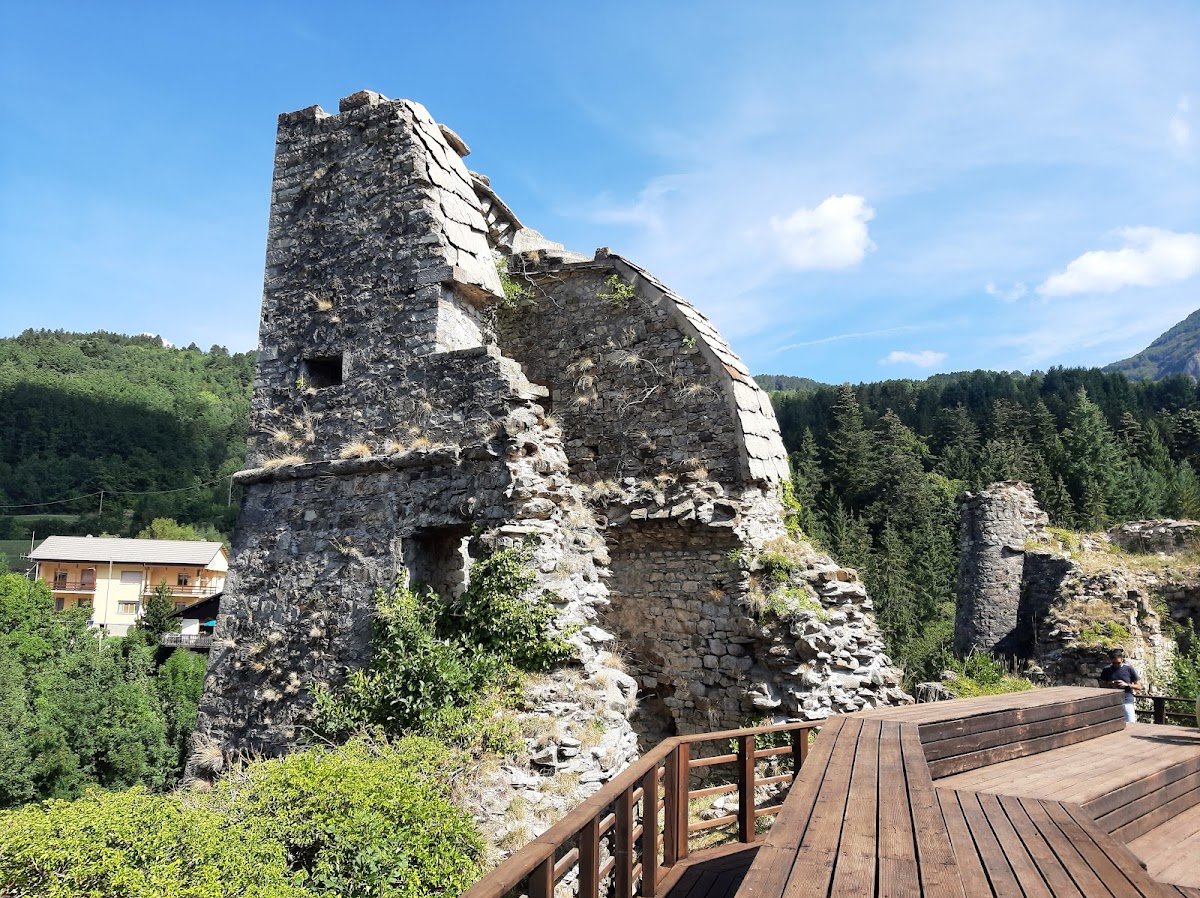
Four of the five angles contain narrow, wedge-shaped bastions with re-entrant flanks. The walls and towers were enlarged with additional bastions to improve resistance to artillery fire. Together, these projecting fortifications provided positions for flanking fire and strengthened the perimeter during the sixteenth-century renewal.
Entrance and Interior Courtyard
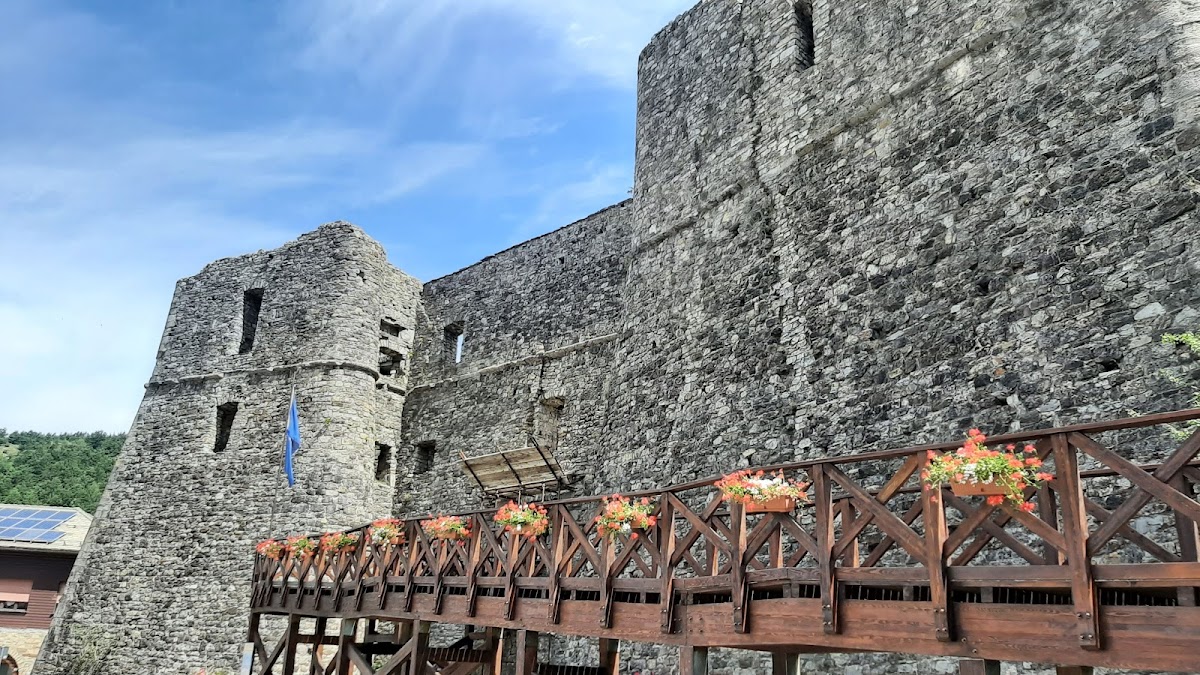
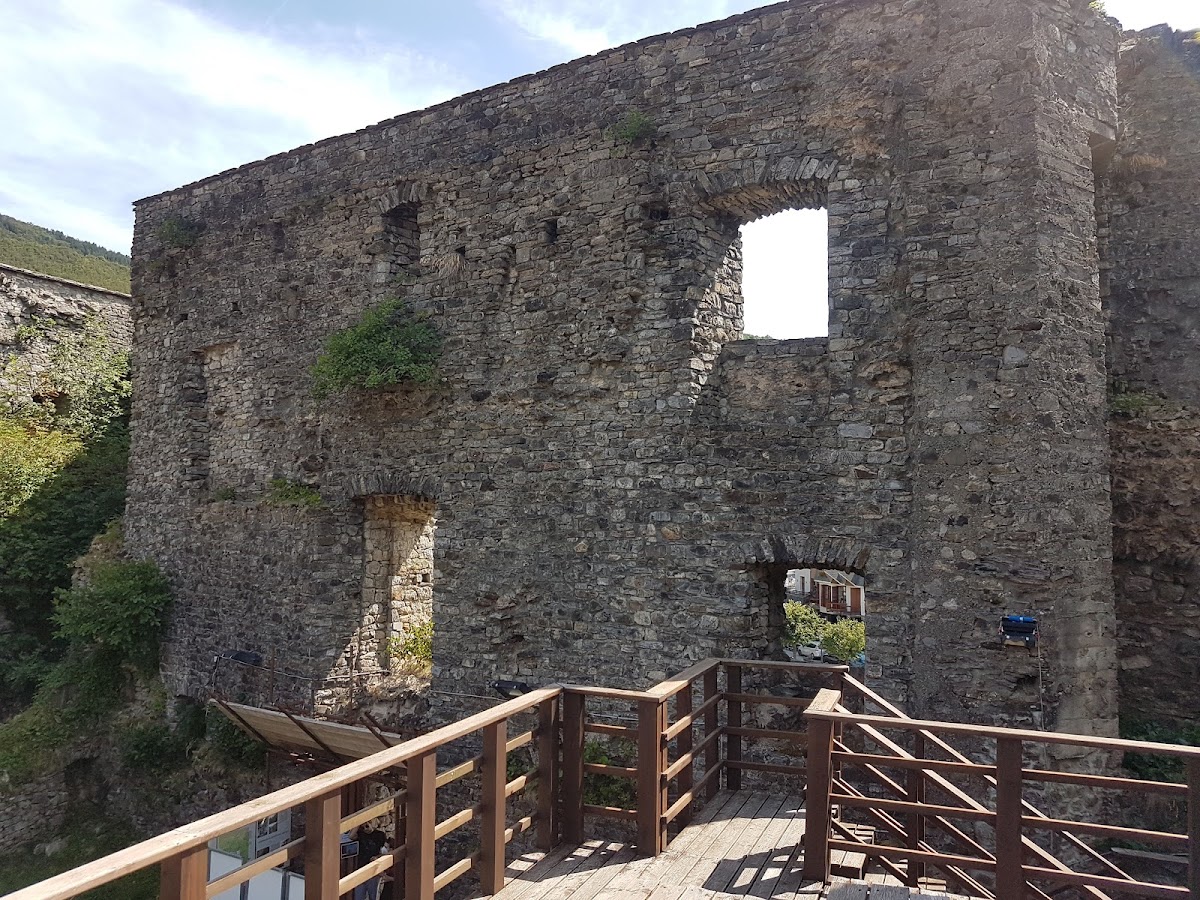
The principal entrance is approached by a rising wooden ramp. Earlier access involved movable bridges. Inside, a small central parade ground remains intact. This open area was used for military assembly and movement, while rooms were arranged around it and connected by galleries supported on columns.
Earlier Medieval Fabric
Clearance and recovery work uncovered traces of the earlier medieval construction that survived the sixteenth-century rebuilding. These remains have helped reconstruct the castle’s successive building and alteration phases. The earliest complex is interpreted in some studies as a simple castle or noble residence that was later converted into a fully bastioned defensive fortress. The castle is now considered reasonably well preserved, although the wider complex has required delicate conservation-restoration work.