Castle of Compiano: A Medieval Hilltop Fortification in Italy



Site at a Glance
- Rating
- 4.5
- Popularity
- Medium
- Country
- Italy
- Primary era
- Medieval
- External website
- Open
- Eras represented
- Medieval
- Civilizations
- Lombard
- Site type
- Military
- Remains
- Castle
On this page8 sections
History
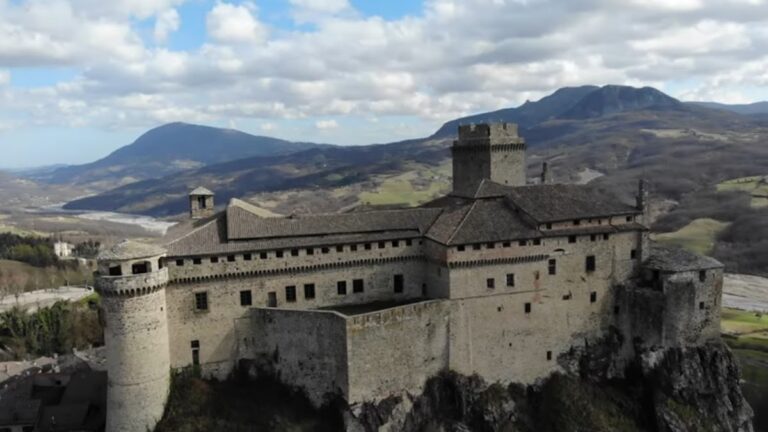
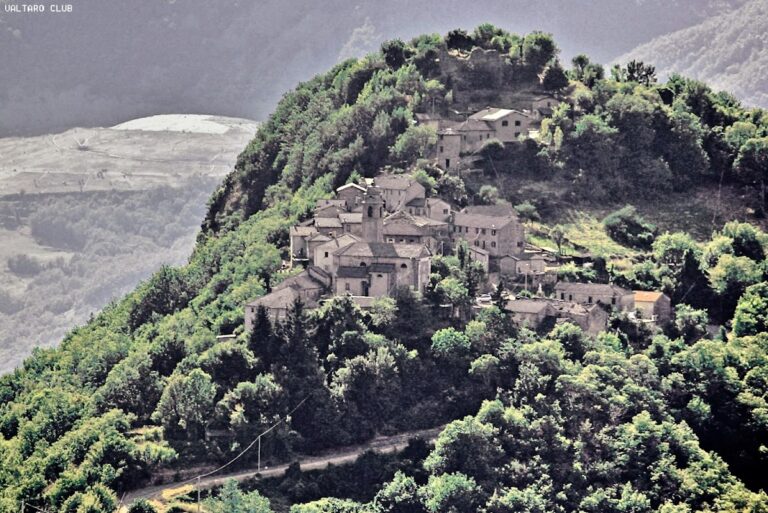
Castle of Compiano is a medieval hilltop fortification in Italy, closely associated with the village of Compiano in the upper Taro Valley. Believed to have been built in the early Middle Ages, possibly by the Lombards, it probably existed by the ninth century. Its position lay along a route linking Emilia and Liguria, giving the stronghold an enduring role in the history of the surrounding valleys.
From the Malaspina to the Landi
The castle enters written history in 1141, when it belonged to the Malaspina family and was ceded to the Commune of Piacenza. Between 1200 and 1257, the Landi family seized the territory. After the conflicts between the Guelfs, who broadly supported the papacy, and the Ghibellines, who broadly supported the Holy Roman Empire, the Landi consolidated control over neighboring valleys through their lordship of Borgo Val di Taro and Bardi Castle.
Their rule continued for 425 consecutive years and developed into the Landi State, a small independent principality formed under the family’s authority. Filippo Maria Visconti, the fifteenth-century duke of Milan, later accused the Landi of rebellion. The fief then passed to the Piccinino family, but returned to the Landi after Piccinino’s death.
Farnese, Bourbon, and Austrian Parma
In 1682, Castle of Compiano and the fief of Bardi passed to the Farnese family. During the eighteenth century, the territory moved from the Farnese to the Bourbon family and was later annexed to the realm of Maria Luigia of Austria, Duchess of Parma. In 1821, Maria Luigia used the castle as a state prison for Carbonari captives. The Carbonari were members of a secret Italian movement associated with liberal and national political opposition in the early nineteenth century.
From institution to museum
Before the Second World War, the castle served as a girls’ orphanage. The school operating there closed after the war. Marchioness Lina Raimondi Gambarotta subsequently purchased the castle. Following her death in 1987, she left it to the Municipality of Compiano, which remains its owner.
Since July 2002, the castle has housed the International Masonic Museum Orizzonti Massonici, described as the only museum of its kind in Italy. The village of Compiano is particularly well preserved and belongs to the circuit of I Borghi più belli d’Italia.
Remains
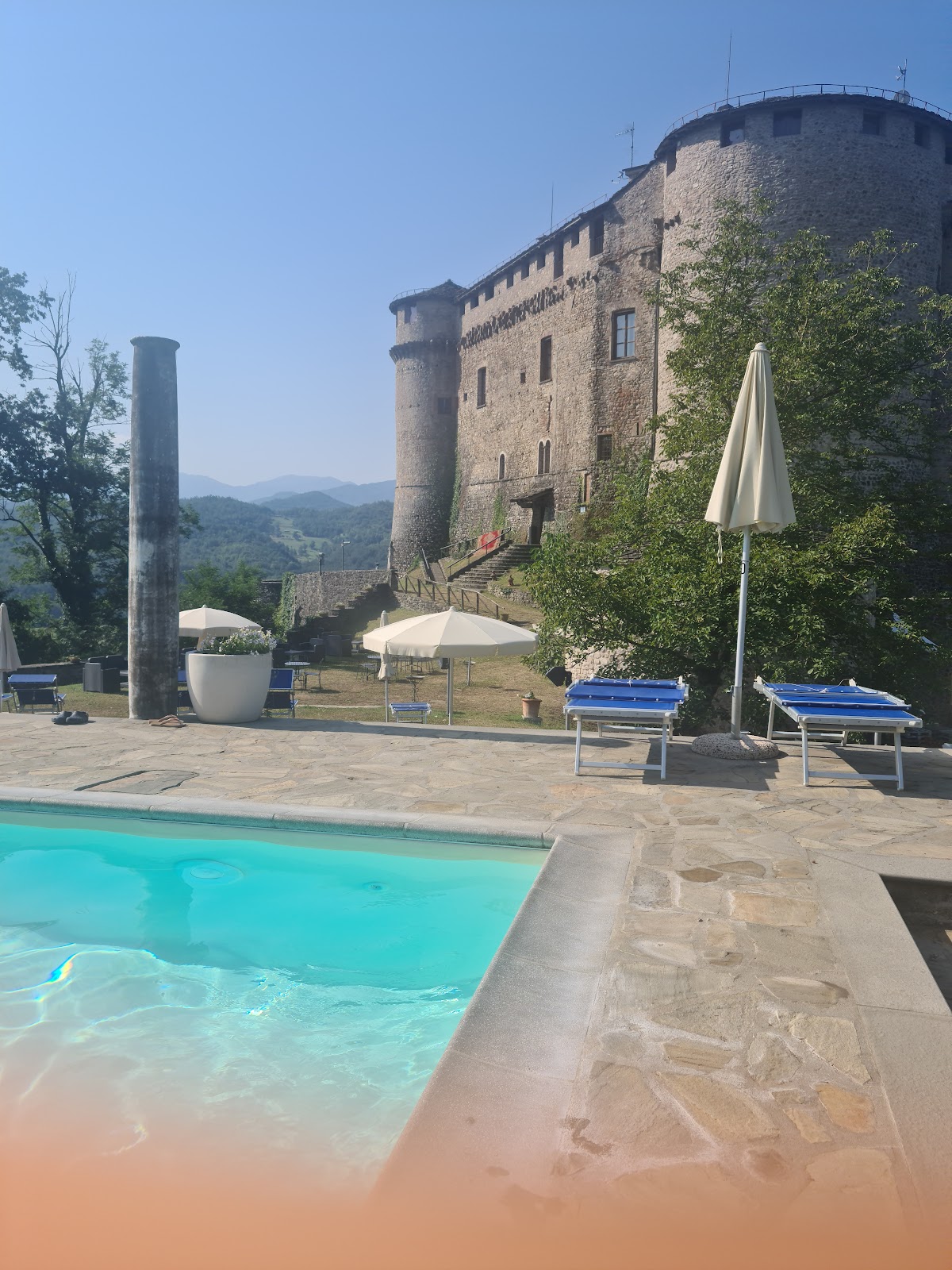
Castle of Compiano occupies the summit of Compiano’s hill on a rocky spur above the Taro River, at an elevation of 531 metres. Built of rubble stone, it forms part of the surrounding fortified walls while projecting from them. The structure has an irregular quadrilateral plan arranged around an internal courtyard, with three projecting corner towers that differ in form: one semicircular, one square, and one circular.
Fortified castle
The castle has a single entrance reached by a masonry bridge. Before the entrance stands a distinctive semicircular ravelin, a detached fortification placed outside the main defensive wall to protect the approach. Inside, richly decorated halls contain luxurious antique furniture, preserving the character of the castle’s later interiors alongside its medieval defensive framework.
Masonic museum
Three rooms accommodate the International Masonic Museum Orizzonti Massonici. They contain medallions, paintings, and honors associated with British Masonic symbolism of the eighteenth and nineteenth centuries. Room 33 contains Italian Masonic relics and objects displayed by the Italian Masonic association Grande Oriente d’Italia, Palazzo Giustiniani.
Walled settlement
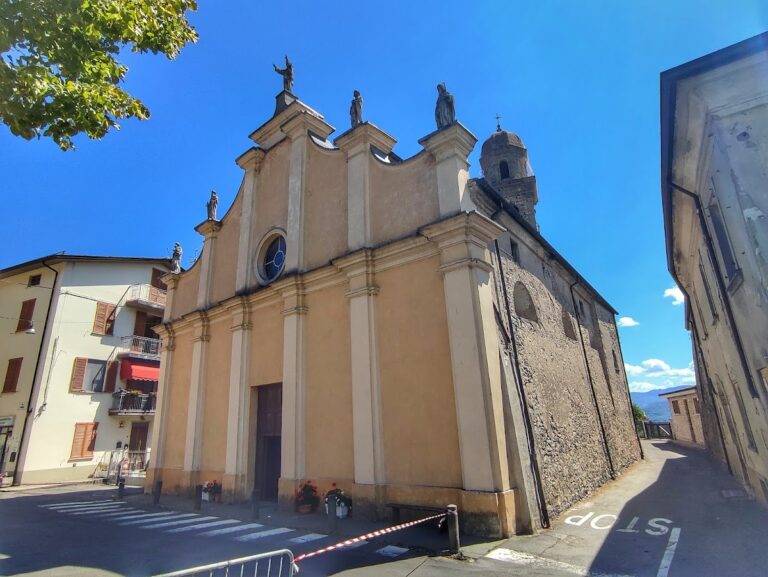
The associated settlement of Compiano has a triangular plan and is enclosed by walls equipped with turrets and bastions of various forms. Narrow streets cross the settlement, while the castle and the church occupy its two highest extremities. The castle and village are both in excellent condition, allowing their defensive relationship and compact hilltop organization to remain clearly legible.