Castle of Pécs: Medieval Fortifications in Hungary
Site at a Glance
- Popularity
- Medium
- Country
- Hungary
- Primary era
- Medieval
- Eras represented
- Medieval
- Civilizations
- Hungarian
- Site type
- Military
- Remains
- Wall
On this page11 sections
History
The Castle of Pécs is a medieval fortified precinct in Pécs, Hungary, whose construction began in the second half of the thirteenth century. The settlement of Sopianae, in the Roman province of Pannonia, had grown on the southern slopes of the Mecsek from the second century, benefiting from trade routes that met there.
Sopianae and the bishopric
In 1009, Hungary’s first king, Stephen I, established the bishopric of Pécs, a church district governed by a bishop. Strong stone defenses protected its cathedral and the nearby residences of the bishop and cathedral clergy. A fire destroyed the buildings in 1064, but they were soon rebuilt on a grander scale, supported by the city’s substantial revenues.
Medieval defenses and conflict
The castle’s construction began in the second half of the thirteenth century. In 1284, the Kőszegi, a powerful Hungarian noble clan, besieged it. Later that century, Mizse, a senior royal official known as a palatine, set fire to the city.
Pécs began to recover under Hungary’s Anjou rulers. In 1387, Baron János Horváti, who supported Charles the Short’s claim to the Hungarian throne, seized the city with an armed force. The attack caused widespread damage, including assaults on churches and monasteries. In the fifteenth century, as the Ottoman threat increased, Hungarian commander Pál Kinizsi assessed the defenses and recommended a circular barbican, an outer defense protecting an entrance, for the castle approach.
Ottoman rule and later change
The 1526 Battle of Mohács, fought between Hungarian and Ottoman forces, brought severe disruption to Pécs. The bishop died in the battle, along with most of his retinue. Although the city had extensive defenses, it was judged militarily outdated. In 1543, the remaining inhabitants surrendered to advancing Ottoman forces. During roughly 150 years of Ottoman rule, the city took on the character of an Ottoman town.
In 1664, the army of Hungarian nobleman and commander Miklós Zrínyi plundered Pécs but failed to capture its strong stone castle. The city was finally liberated in October 1686. The castle lost its military importance during the eighteenth century, and sections that impeded urban expansion were demolished. Work to uncover the walls began in 1967.
Remains
The surviving stone fortifications form connected stretches around the historic center, particularly on its northern and western sides. The defensive system also included the cathedral precinct and a protected entrance. Within the wider urban walls, the enclosed area reached 67.5 hectares in the fourteenth century, making Pécs the largest Hungarian city by area at that time.
Walls and entrance defenses
City walls
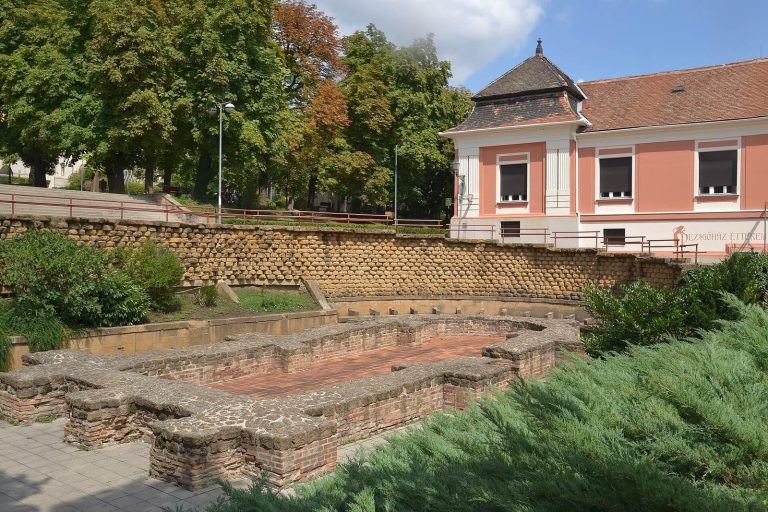
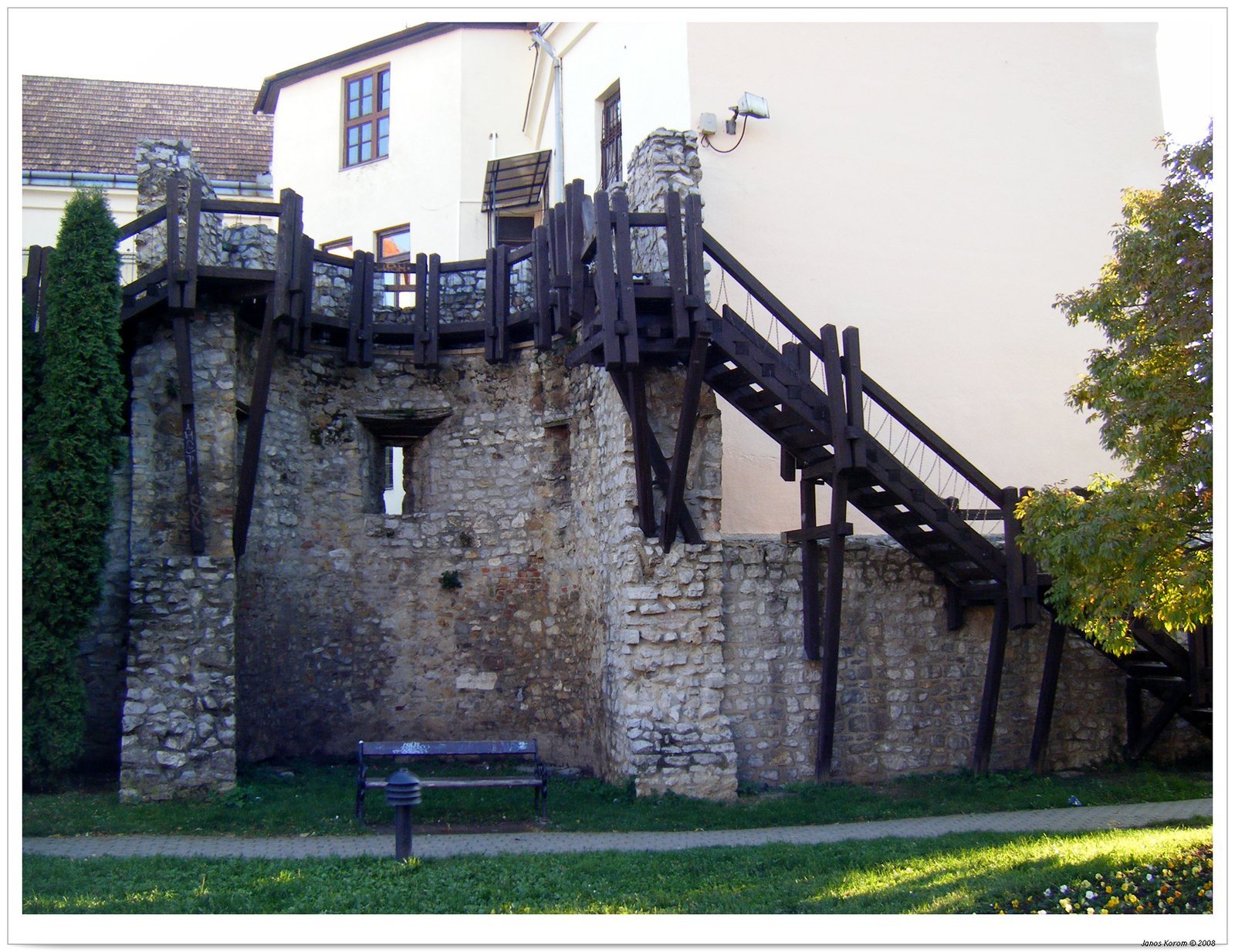
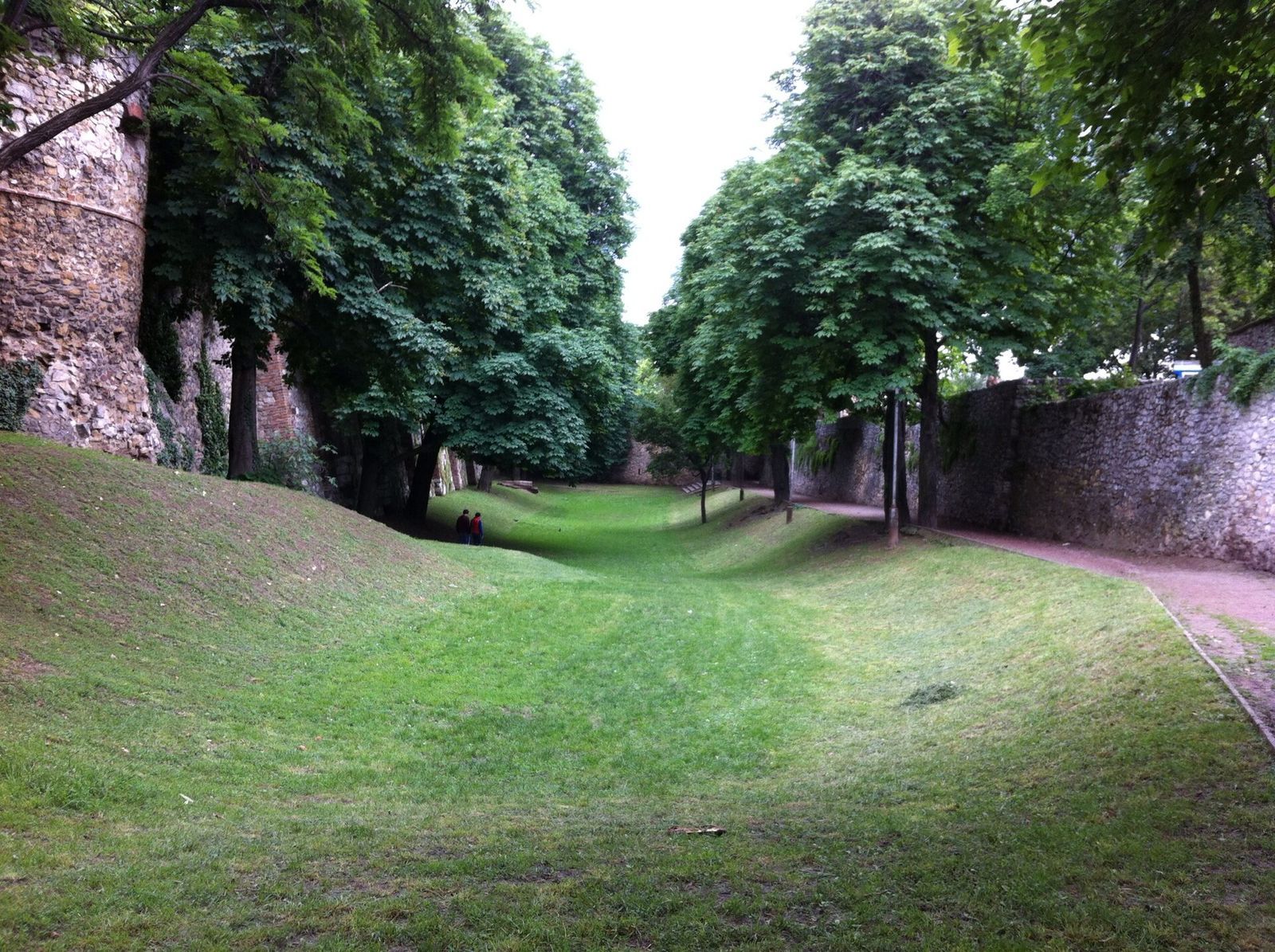
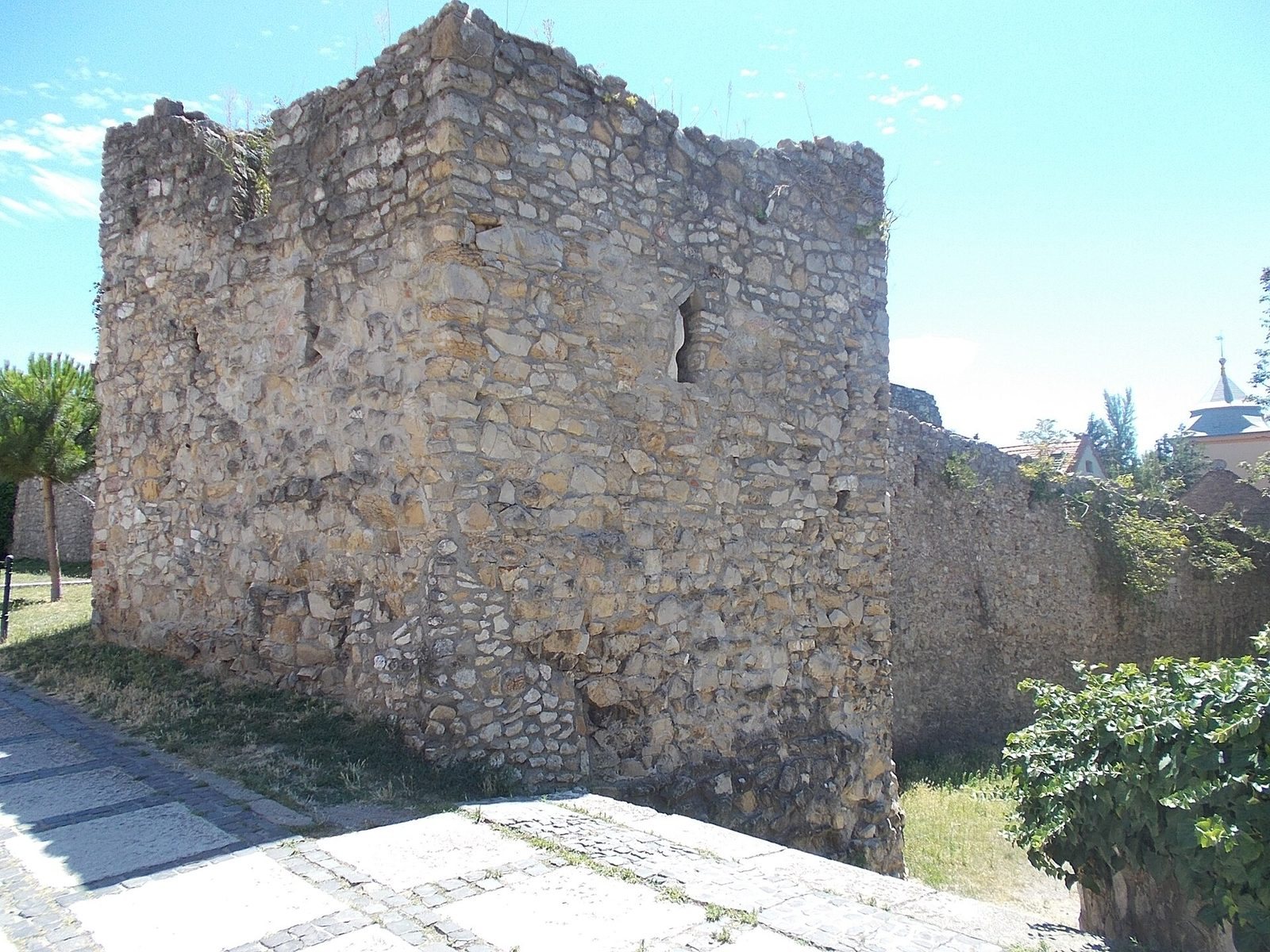
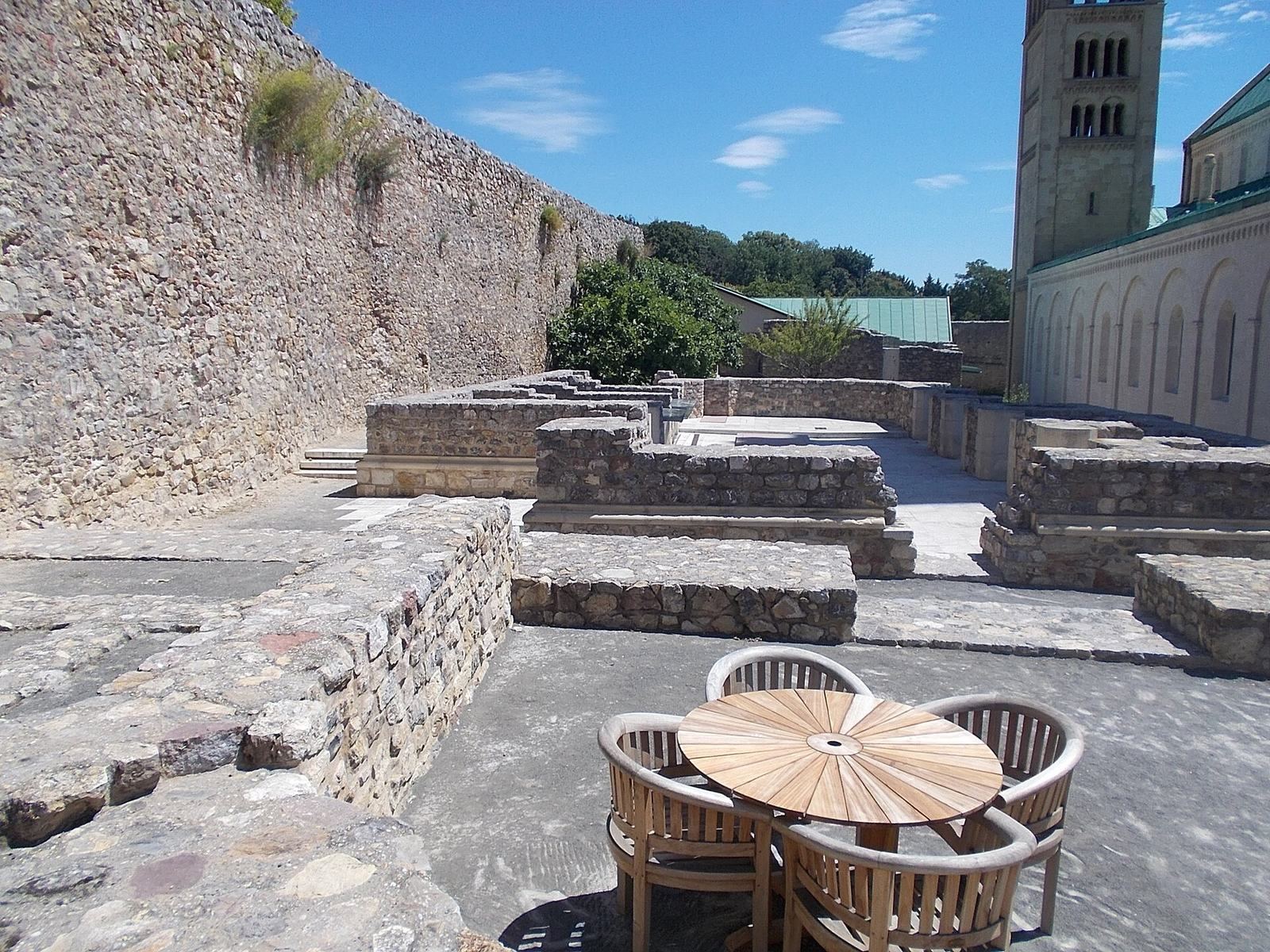
From the establishment of the bishopric, stone walls protected the cathedral and the adjoining residences of the bishop and cathedral chapter. By the fourteenth century, a double wall defended the city. Connected sections remain on the north and west sides, and the surviving wall still encloses parts of the historic center. After uncovering work began in 1967, the remaining sections were repaired.
Barbican
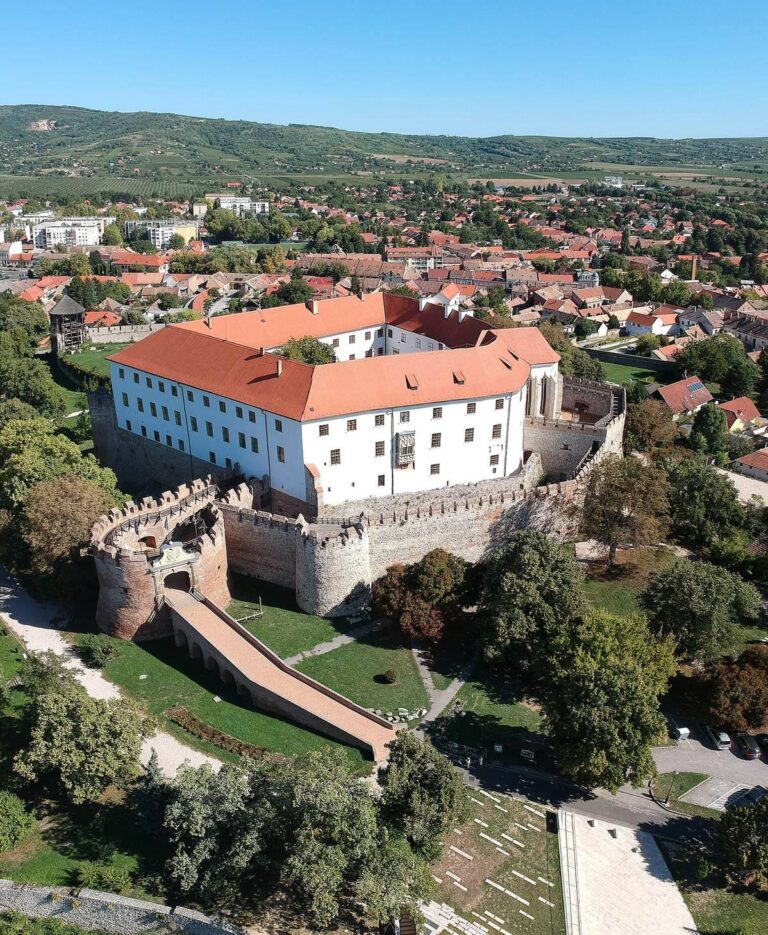
The circular barbican protected the castle entrance. It had narrow openings through which defenders could fire, and a drawbridge provided access. Its form reflects Kinizsi’s recommendation for strengthening the approach as the Ottoman threat grew.
Buildings and streets within the walls
Cathedral precinct
The four-towered cathedral stood within the stone defenses, beside the residences of the bishop and cathedral chapter. These buildings formed the ecclesiastical center that the walls were built to protect.
Ottoman-period town
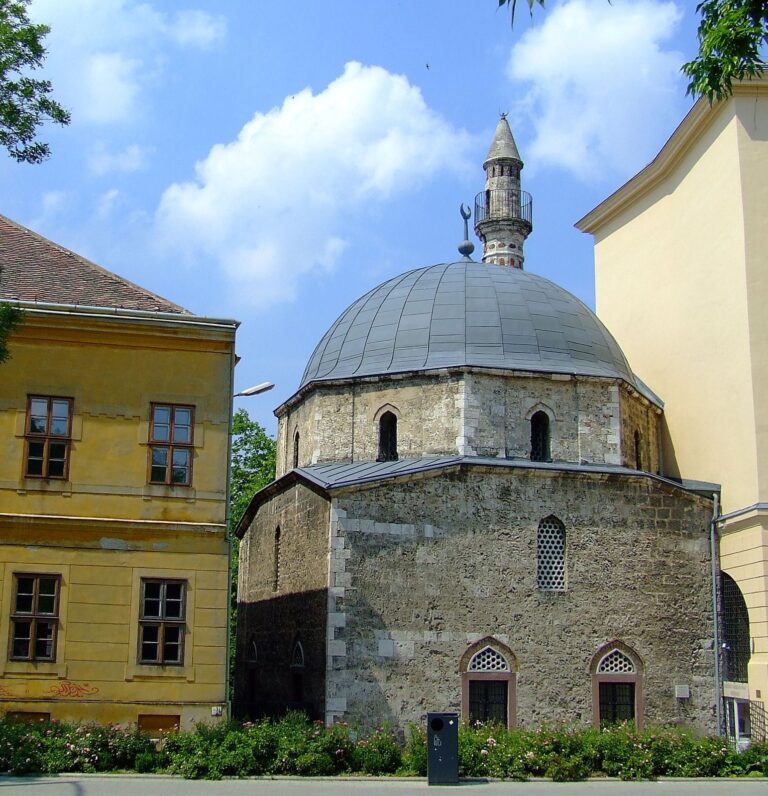
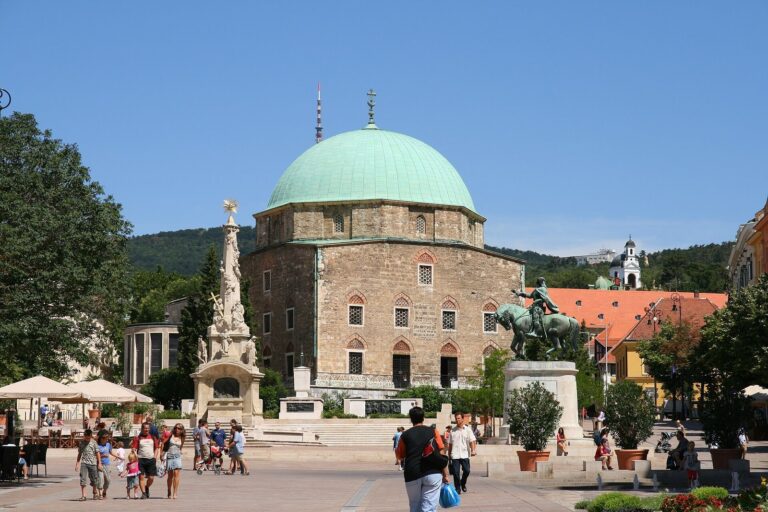
During Ottoman rule, public buildings, mosques, and baths were built within the walls. Narrow streets and a busy market formed part of the town’s urban character.