Castle of Idanha-a-Nova: A Templar Frontier Fortress in Portugal


Site at a Glance
- Rating
- 4.2
- Popularity
- Low
- Country
- Portugal
- Primary era
- Medieval
- Eras represented
- Medieval
- Civilizations
- Crusader, Knights Templar, Portuguese
- Site type
- Military
- Remains
- Castle
On this page6 sections
History
Templar foundation
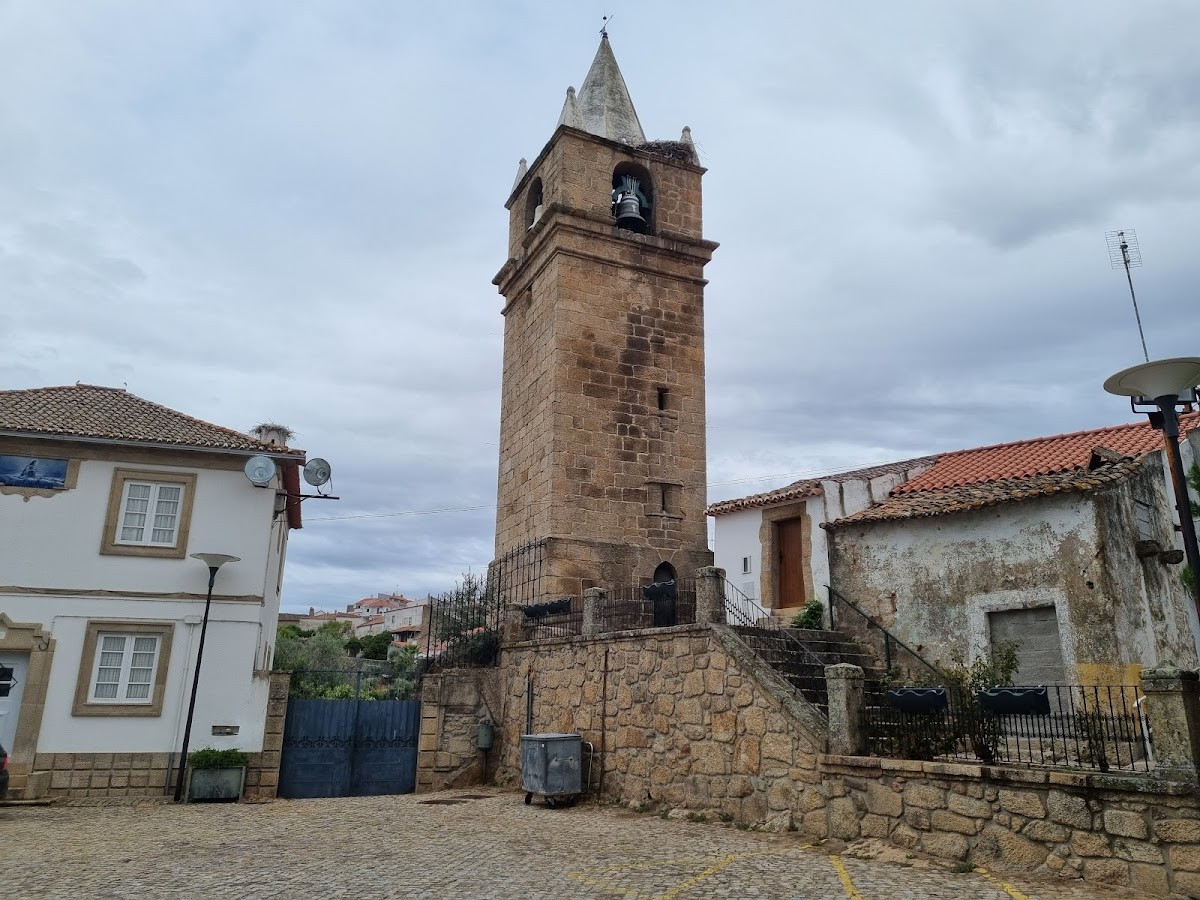
The Castle of Idanha-a-Nova is a ruined medieval fortress in Portugal, built by the Knights Templar from 1187 during the reign of Afonso Henriques. The Knights Templar were a medieval military-religious order whose Portuguese branch held frontier territories and built or controlled fortified sites. Under the direction of Gualdim Pais, the order’s sixth master in Portugal, the castle was constructed to defend this section of the frontier.
The castle formed part of a wider expansion of Templar authority in the region. In 1165, Afonso Henriques donated Idanha-a-Velha and Monsanto to Gualdim Pais. Sancho I confirmed the donation of Idanha-a-Velha to Lopo Fernandes, the order’s seventh Portuguese master, in 1197, and added the estate of Açafa in 1199. These grants created a broad Templar domain extending from Idanha to Belver.
Idanha-a-Nova and the older Idanha
Sancho I granted Idanha-a-Nova a municipal charter in 1201 and donated its domains to the Templar Order. A municipal charter was a legal grant defining a settlement’s rights, duties, and administrative privileges. Afonso II confirmed both the donation and the charter in 1229, while giving the settlement the name Idanha-a-Nova, meaning “New Idanha,” to distinguish it from the older Idanha, later known as Idanha-a-Velha.
Idanha-a-Velha lies about 18 kilometres away and had been the Roman city of Civitas Igaeditanorum. It later became known as Egitânia under Suevi and Visigothic rule and as Eydaiá during Muslim rule. As Idanha-a-Nova grew, Idanha-a-Velha entered a gradual decline, establishing the historical contrast between the two settlements.
Growth and early modern recognition
By 1496, Manuel I noted the different development of the two Idanhas. In June 1510, recognizing the progress of Idanha-a-Nova, he granted the settlement a new municipal charter, replacing or revising its earlier charter. Around 1509, Duarte de Armas depicted the settlement and its castle in the Book of Fortresses.
The castle was classified as a National Monument of Portugal under a decree published in 1997. This status preserves its place within the country’s recognized architectural heritage, while the surviving medieval structure remains in ruins.
Remains
Escarpment fortress
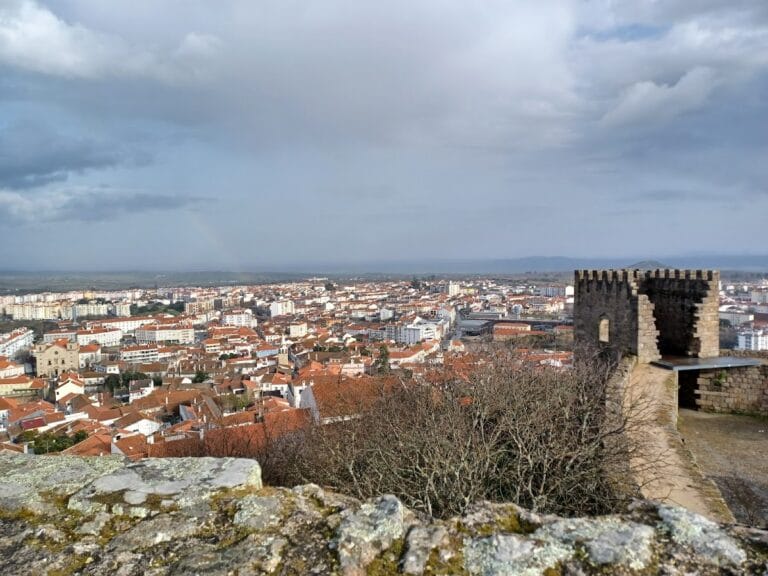
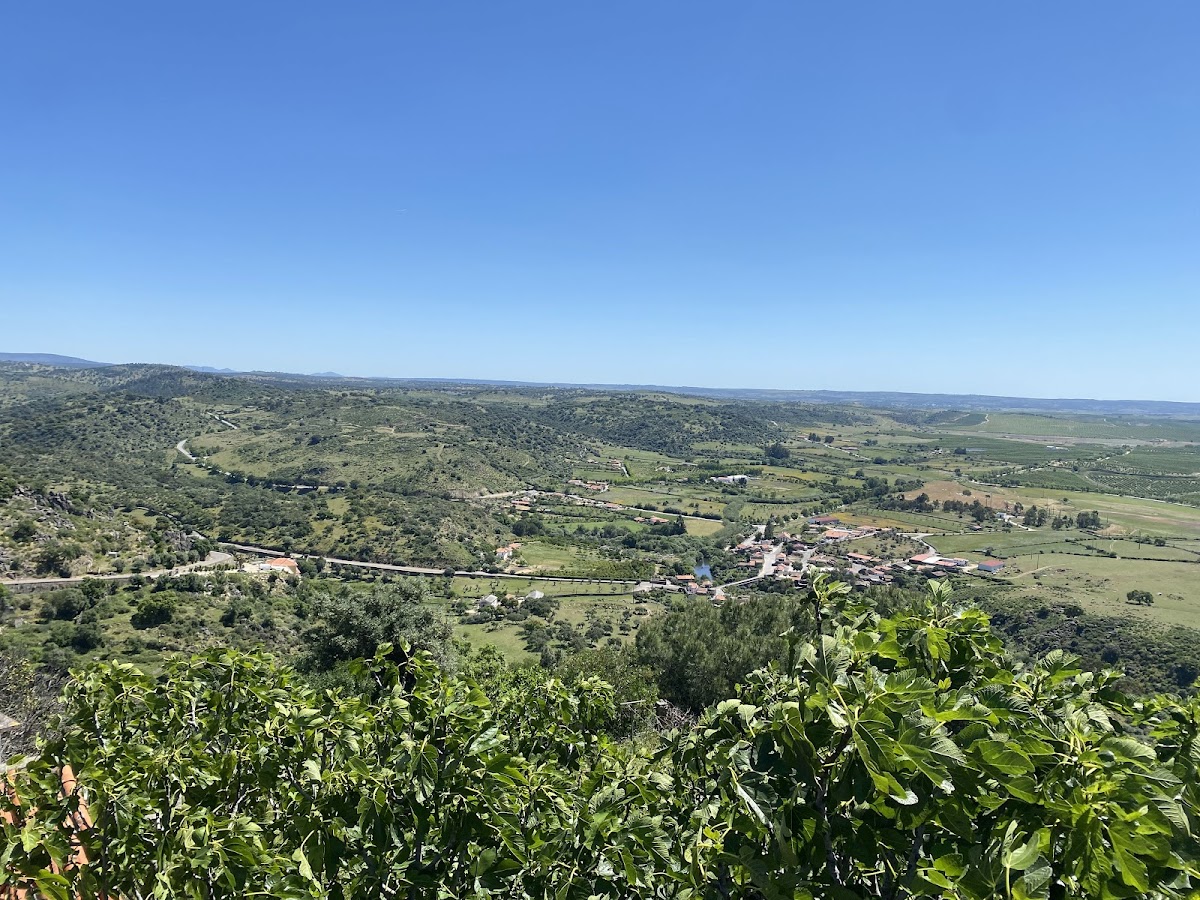
The castle stands on an escarpment on the right bank of the Pônsul River, below Idanha-a-Nova, which occupies a hill above it. Its plan and construction follow characteristic Templar architectural lines also found in the contemporary castles of Almourol, Monsanto, Pombal, Tomar, and Zêzere. The medieval fortress survives as ruins, retaining its physical connection with the elevated settlement and the river landscape that formed its defensive setting.