Castle of Castellar de la Frontera: A Fortified Settlement in Spain
Site at a Glance
- Popularity
- High
- Country
- Spain
- Primary era
- Medieval
- Eras represented
- Medieval
- Civilizations
- Unclassified
- Site type
- Military
- Remains
- Fortified Town
On this page6 sections
History
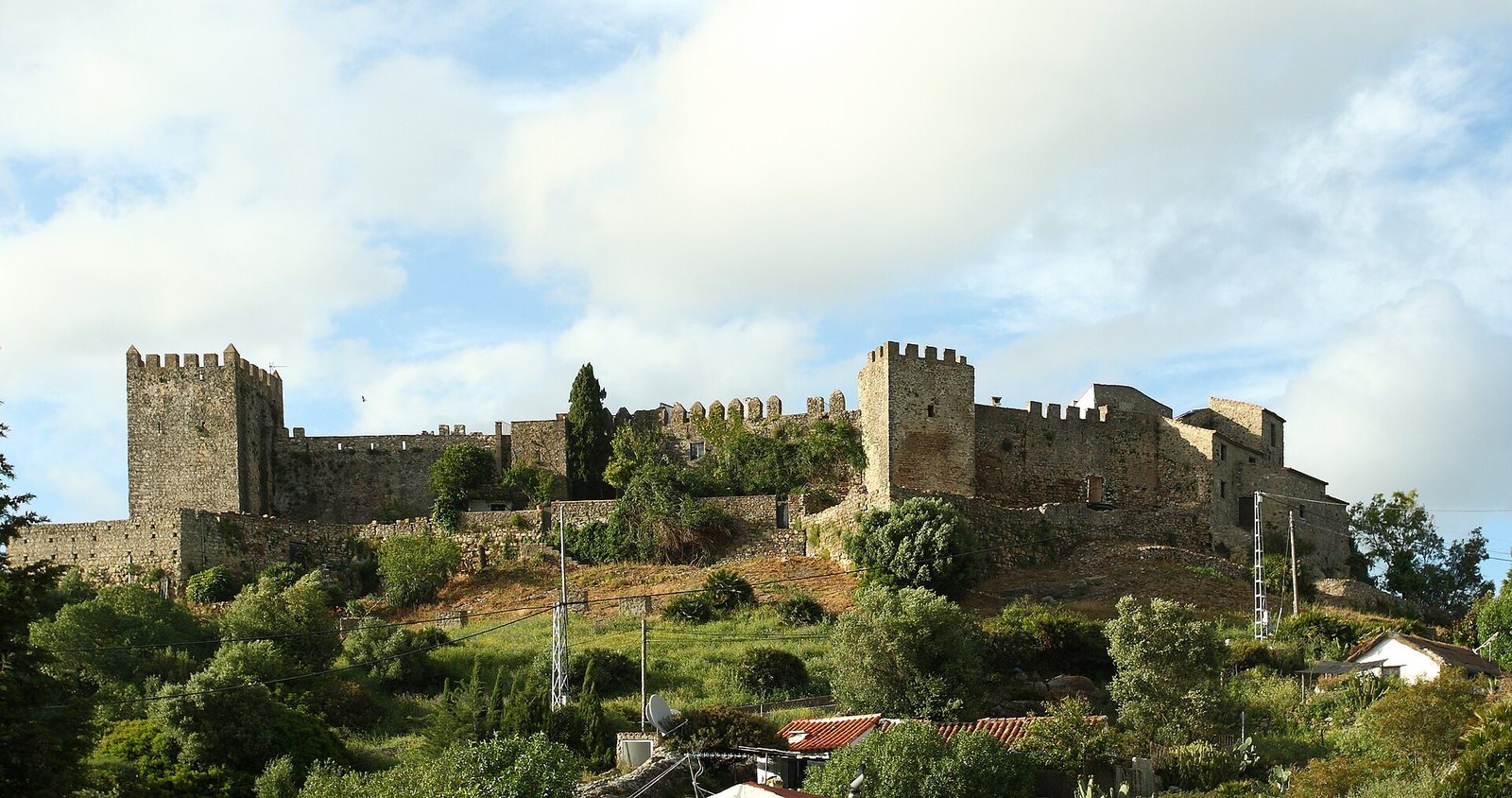
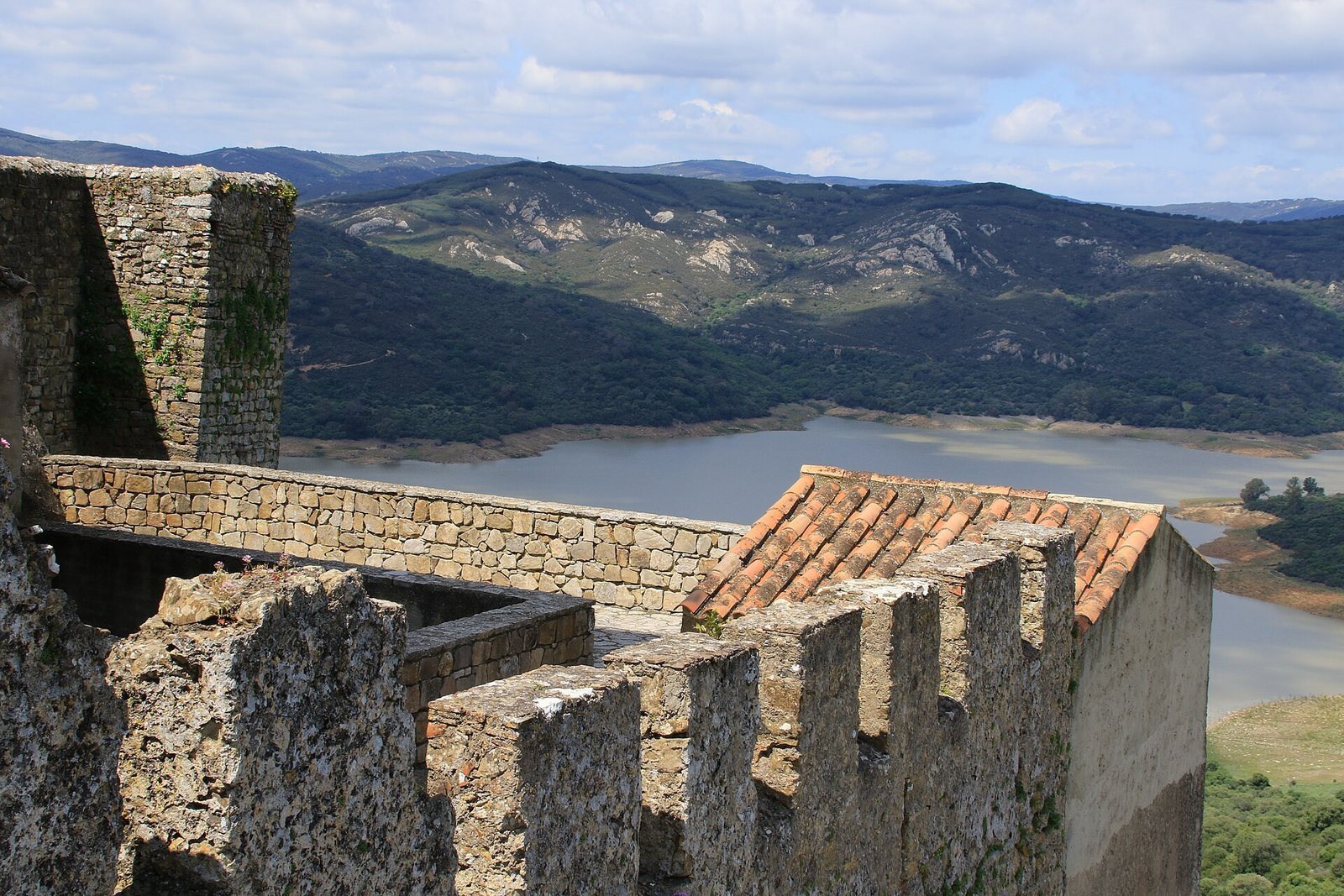
The Castle of Castellar de la Frontera is a fortified settlement on a rocky promontory in Spain, at an altitude of 248 metres within Los Alcornocales Natural Park. Its origins are placed in the seventh century, although its precise construction chronology is uncertain; it is also described as a thirteenth-century fortified settlement. Muslim forces, broadly called Moors in European historical writing, used the stronghold before AD 800 during their conquest of Iberia through Gibraltar.
Relocation and Reuse
In 1963, the site was declared a Historic-Artistic Monument, a former Spanish designation for protected monuments. It is also designated an Asset of Cultural Interest, Spain’s formal heritage-protection category. In the 1960s, after the castle had been abandoned and lacked water, it became a retreat for artists, including musicians and painters.
Castellar Nuevo was built in the late 1960s, and in 1971 residents moved from the old settlement in large numbers. Beginning in 2005, the fortress was adapted as a hotel complex. The Alcázar, a fortified palace or citadel, was rehabilitated for hotel use, while eleven small village houses became holiday apartments managed by the hotel. The former church was converted into an exhibition and sales space, and artists continued to live in the village.
Remains
The Walled Settlement
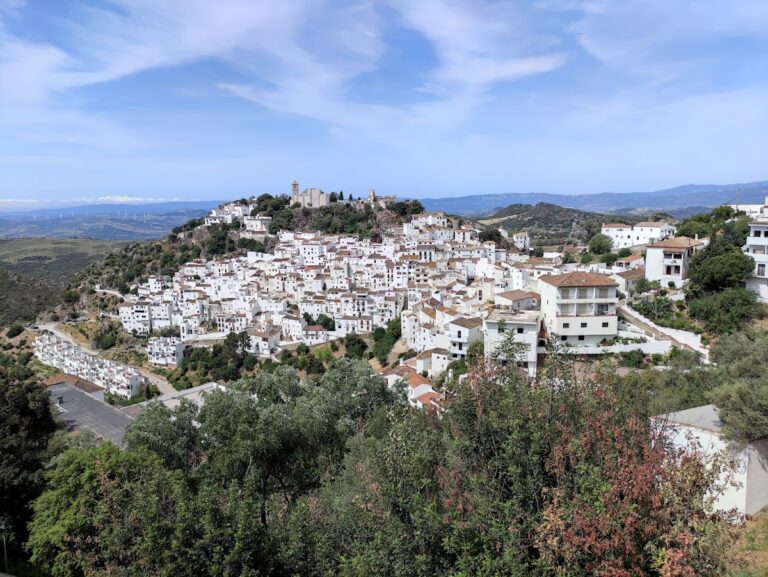
The historic core, Castellar Viejo, lies inside the walled fortress. The settlement occupies a rocky promontory, and its enclosed area brings together the Alcázar and a village of houses and other buildings. Winding lanes pass through the village, where white buildings are decorated with flowerpots and planted beds.
Alcázar and Village
The Alcázar forms one part of the walled precinct, alongside the village. The former church remains among the buildings, and eleven small houses are part of the group adapted for accommodation. These structures sit within the settlement’s network of narrow, winding lanes.
Defensive Wall
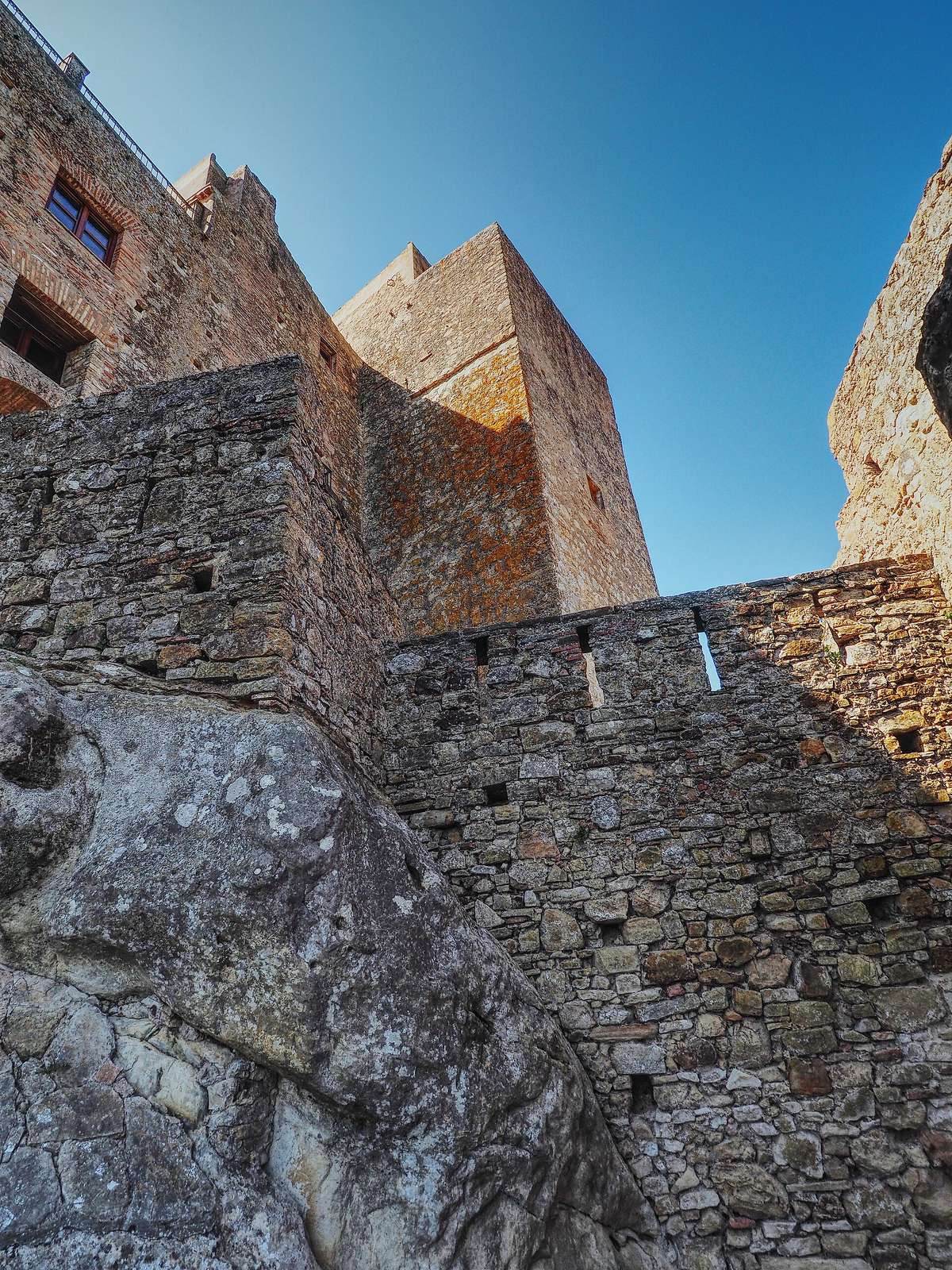
The wall encloses the historic settlement. A section collapsed in 2010, damaging part of the defensive perimeter.