Castle of Atienza: A Medieval Fortress in Spain
Site at a Glance
- Rating
- 4.5
- Popularity
- Medium
- Country
- Spain
- Primary era
- Medieval
- External website
- Open
- Eras represented
- Medieval
- Civilizations
- Umayyad
- Site type
- Military
- Remains
- Castle
On this page13 sections
History
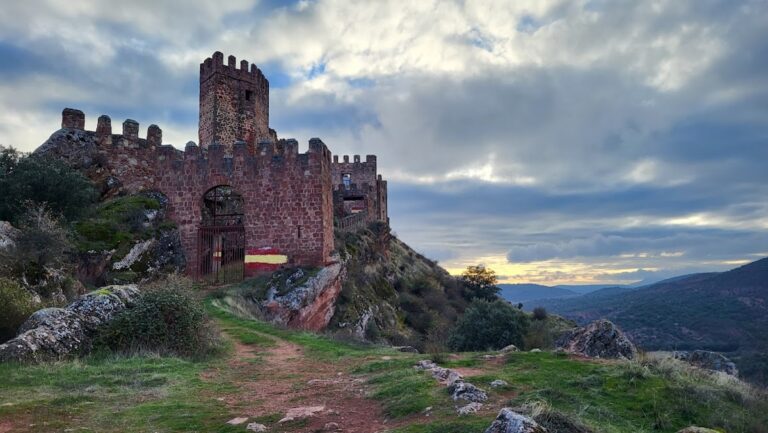
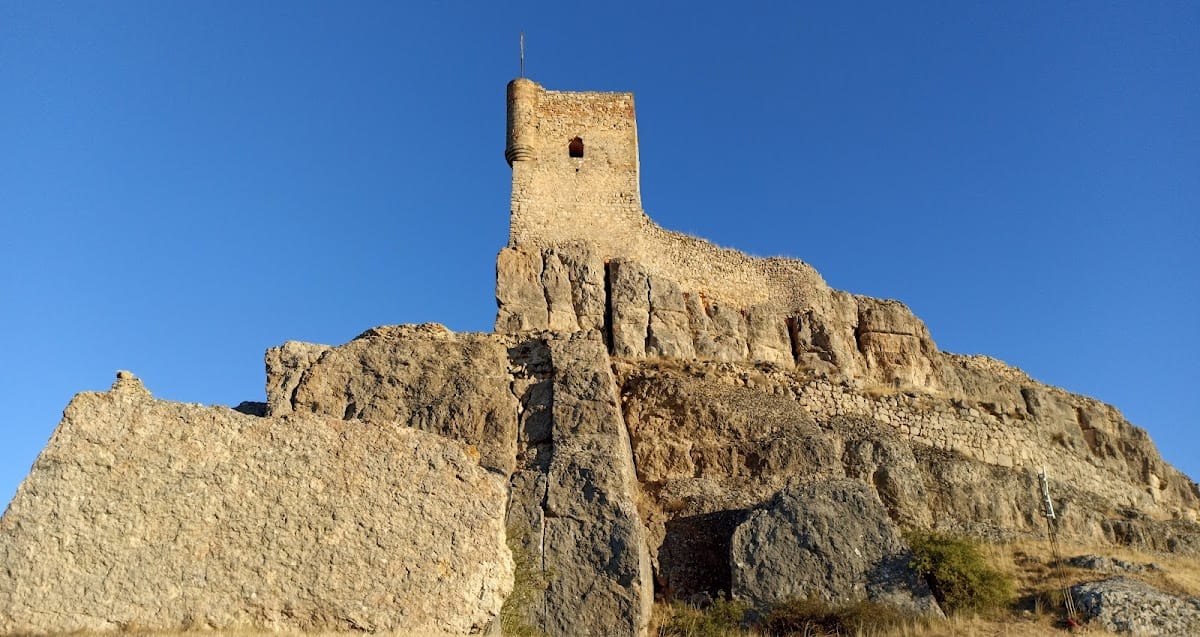
The Castle of Atienza is a medieval fortress of Muslim origin at Atienza in Guadalajara, Spain. Built on a rocky summit, it formed part of the Muslim defensive lines south of the Duero River from the ninth to the eleventh century before being captured and enlarged by the Kingdom of Castile.
Earlier Fortifications and Muslim Rule
The summit had already been fortified during the Roman and Visigothic periods. Atienza was associated with the ancient Celtiberian settlement of Thytia, and Roman forces took the site after the fall of Numantia and Termancia, establishing a watchtower there.
Muslim forces incorporated the position into their frontier defenses. Alfonso III of Asturias captured Atienza briefly between 870 and 874, but Muslim forces soon recovered it. In 967, the site came under Al-Hakam II, the tenth-century Umayyad caliph of Córdoba. García Fernández, count of Castile, later regained it, but it returned to Muslim control after Almanzor, the powerful military leader of the late tenth-century Córdoba caliphate, arrived in the region.
During the eleventh century, Atienza served as an important Muslim defensive position along the Duero frontier. Alfonso VI definitively captured the town and castle in 1085, following his conquest of Toledo. Castile then used and expanded the fortress as Christian control advanced across the Iberian Peninsula during the Reconquista, the centuries-long Christian expansion into territories ruled by Muslim dynasties.
Castilian Expansion
In 1149, Alfonso VII granted Atienza an extensive communal territory. Under Alfonso VIII, the town prospered and the castle reached its definitive form, including a second and more extensive circuit of walls.
Alfonso VIII held a particular connection with Atienza. During his childhood, the town’s inhabitants rescued him from persecution by his uncle and regent, Ferdinand of León. Tradition regards this event as the origin of the Caballada of Atienza, an ancient festival that continues to be celebrated.
The fortress was considered difficult to attack because of its steep rocky position. Rodrigo Díaz de Vivar, the prominent eleventh-century Castilian military leader also known as El Cid, avoided attacking the Muslim castle for this reason. Despite its natural strength, Atienza remained involved in military conflicts throughout the Middle Ages.
Late Medieval Conflict and Decline
Military actions in the fifteenth century caused major damage to Atienza and its castle. Navarrese troops occupied the position, after which Castilian forces under John II of Castile, assisted by his constable and chief political adviser Álvaro de Luna, besieged and captured the town. The fighting included hand-to-hand combat, and much of the settlement was destroyed and burned during the effort to expel the Navarrese.
After the castle lost its strategic importance, it was used as a prison, including for noble prisoners. Later uses reportedly included residence by Philip V, the first Bourbon king of Spain. In 1487, Garcí Bravo de Medrano became its perpetual governor, or alcaide, the official responsible for commanding a castle or fortress.
French troops devastated or sacked the castle during the War of Independence, the conflict in which Spain resisted French occupation. The fortress was also damaged during the Spanish Civil War of 1936 to 1939. Deterioration and ruin began in 1811, and the castle has remained ruined into the modern period. It is municipally owned and unused because of its poor condition. The site was declared a National Monument and a Bien de Interés Cultural in 1931.
Remains
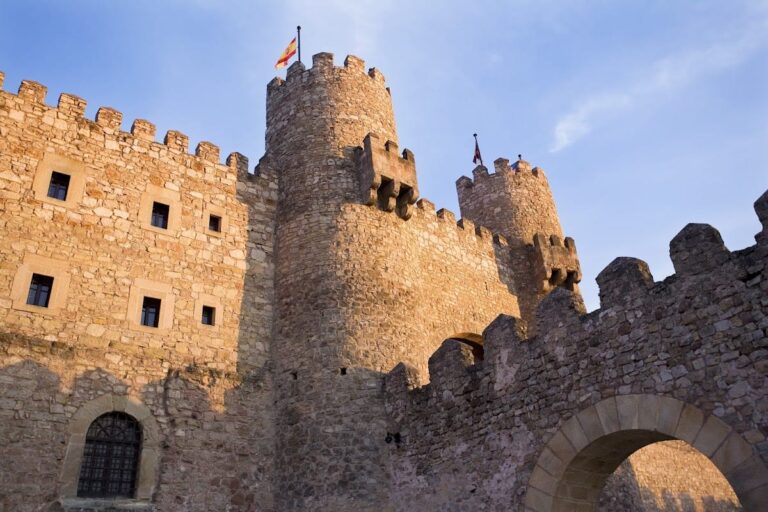
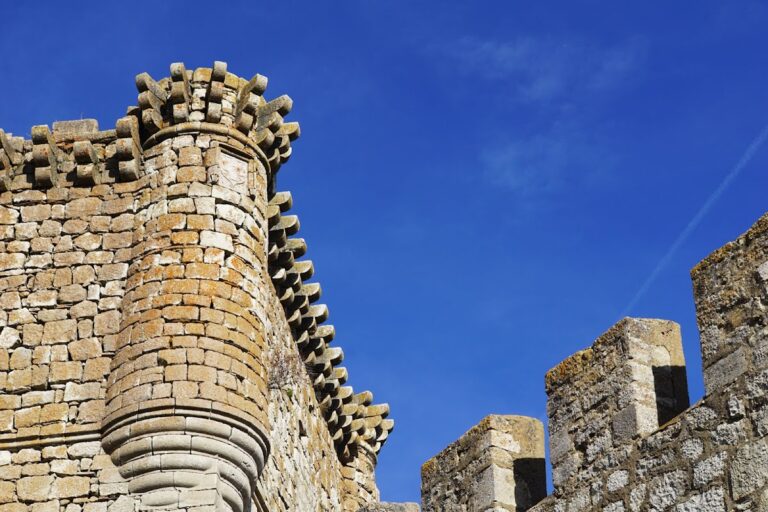
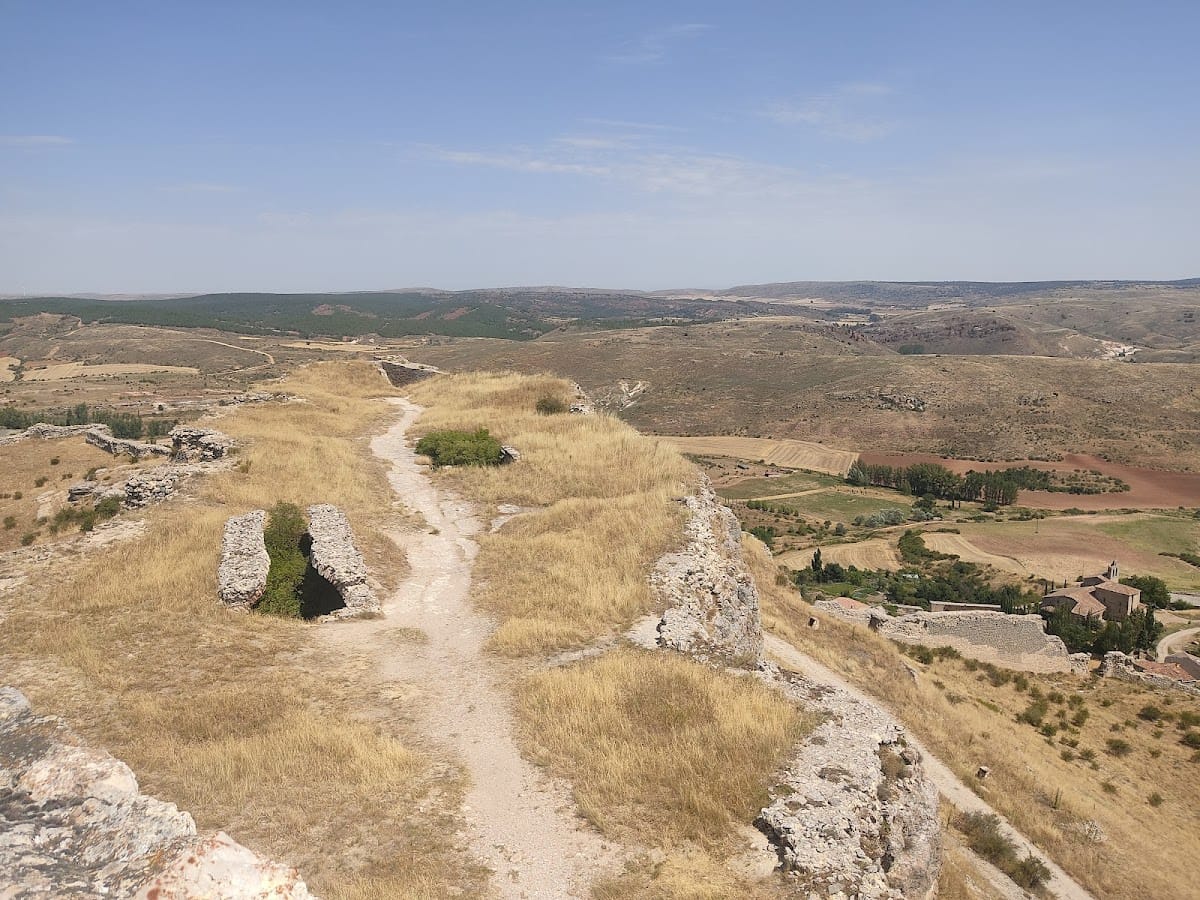
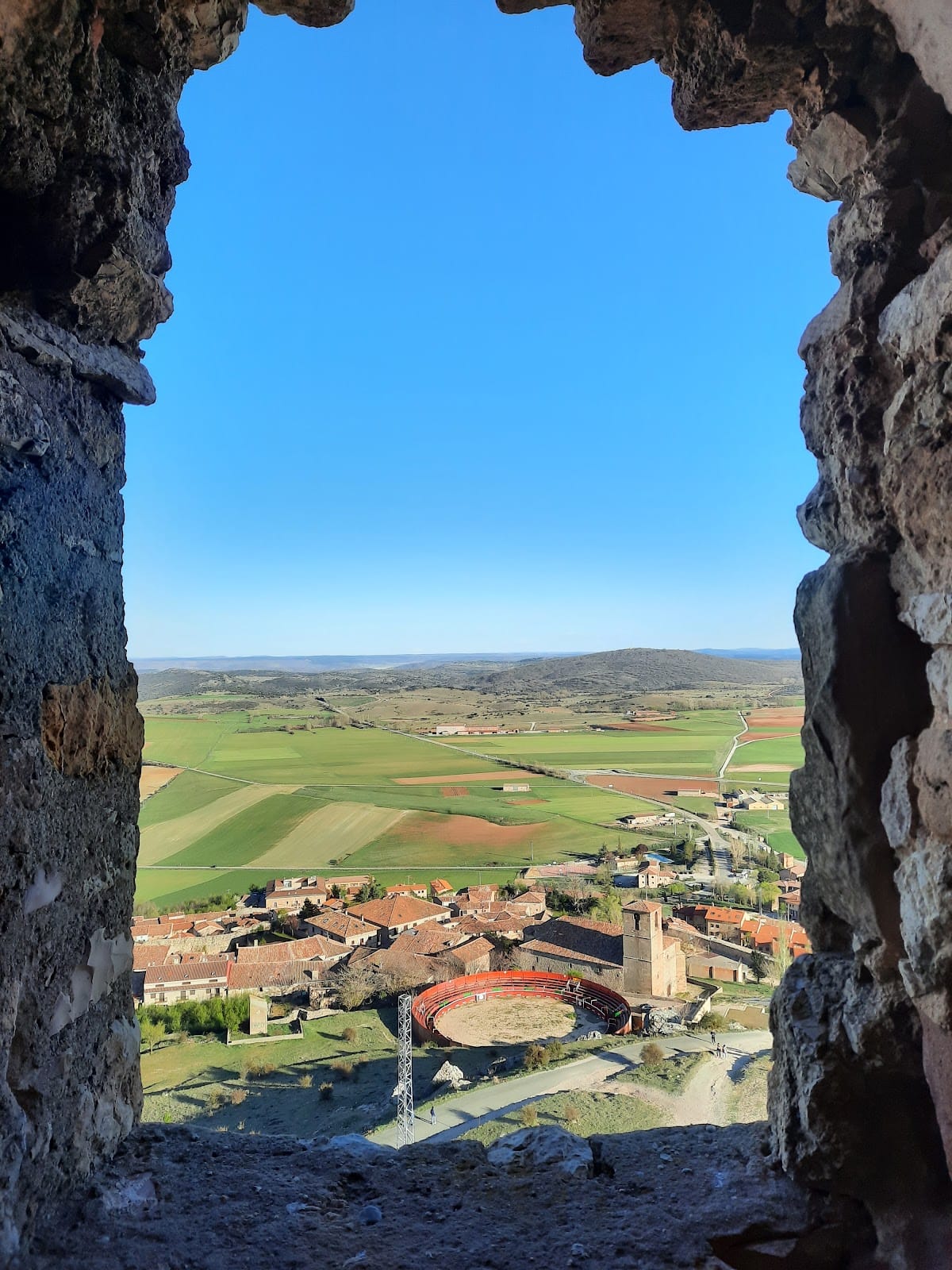
The surviving fortress occupies a high, capped rocky promontory with a narrow, elongated summit. Its remains include the former Muslim and Christian citadel, a keep, sections of two wall circuits, and the Arrebatacapas Gate. Dressed stone is the principal construction material, while parts of the first enclosure use roughly dressed masonry, made from less regularly finished stones.
Citadel and Keep
Inner Enclosure
The inner enclosure measures approximately 130 by 30 metres. Two deep, covered cisterns occupy its central area. These underground reservoirs collected rainwater for use within the fortress. The enclosure represents the citadel, or principal fortified area, of the castle and combines the earlier Muslim defenses with later Christian work.
Keep
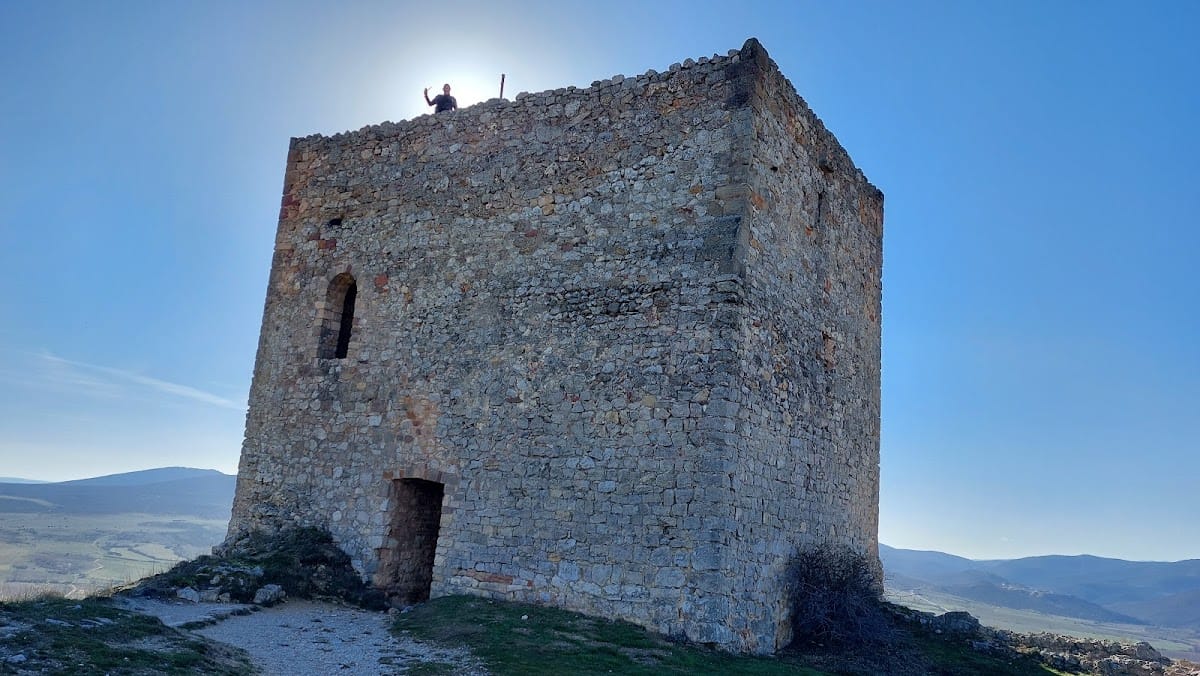
The keep, the castle’s principal fortified tower, stands at the southern corner. It has a simple square plan, an entrance at ground level, interior rooms, and a staircase built into the wall. The stair rises through the upper floors to the roof terrace, while the upper floor contains a fireplace. The tower originally had four storeys.
A single projecting guard turret occupies the keep’s southernmost corner. This small defensive structure extends outward from the tower. Tunnels reportedly connected the castle with churches in the town, adding to the complex’s traditional subterranean associations.
Summit Entrance
The entrance survives at the summit. A doorway is flanked by two square towers and approached from the wall-walk. One line of the fortress walls connected the keep with this entrance, while the other protected the rocky outcrop itself.
Walls and Urban Gates
First Wall Circuit
The fortress had two lines of walls adapted to the shape of the terrain. The wall circuits were built or extended during the twelfth and thirteenth centuries. The first enclosure contained the core of the early town and survives in numerous fragments of strongly built, roughly dressed masonry.
Arrebatacapas Gate
The Arrebatacapas Gate, also called the Gate of San Juan, is the most representative surviving gate of the first wall circuit. It provides passage between Town Hall Square and Plaza del Trigo, the principal urban centre of the medieval town.
Outer Wall
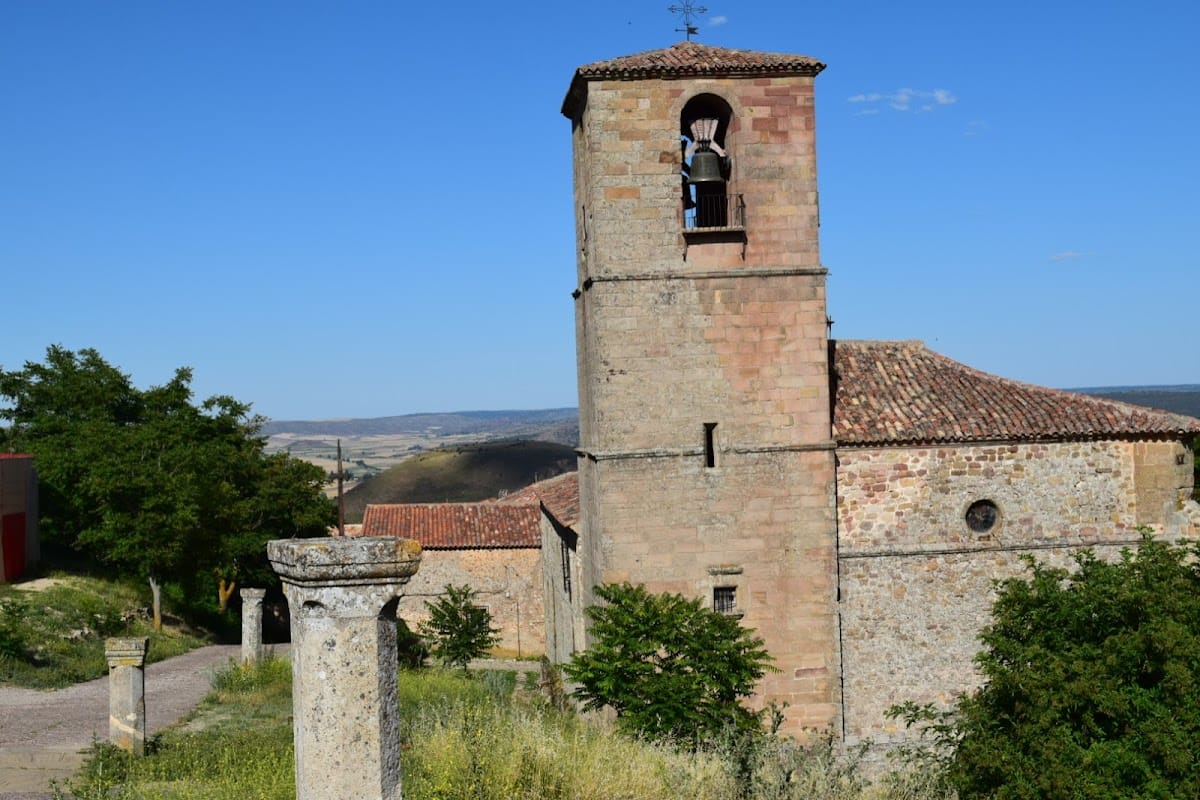
The wider outer wall enclosed the expanded town, including the Puertacaballos district and the Jewish quarter. Atienza reached its greatest medieval prosperity in the fourteenth century, when it had approximately 7,000 inhabitants and about fourteen Romanesque parish churches. Long sections of the outer wall and several gates accompanied by towers survive in the urban area and surrounding landscape.