Castle of Arcos de la Frontera: An Andalusi Fortress
Site at a Glance
- Popularity
- Medium
- Country
- Spain
- Primary era
- Medieval
- Eras represented
- Medieval
- Civilizations
- Crown of Castile
- Site type
- Military
- Remains
- Castle
On this page7 sections
History
Andalusi foundation
The Castle of Arcos de la Frontera is an eleventh-century fortress in Spain, built under Andalusi rule, the Muslim-ruled society of medieval Iberia. It was also known as the Castle of the Dukes of Arcos and the old alcázar, a fortified palace or citadel.
Later reforms and protection
Reforms in the fourteenth and fifteenth centuries substantially changed the castle. Spain’s 1949 decree on the protection of castles applies to it, and in 1985 it was designated an Asset of Cultural Interest, a Spanish status for protected cultural property.
Remains
Plan and setting
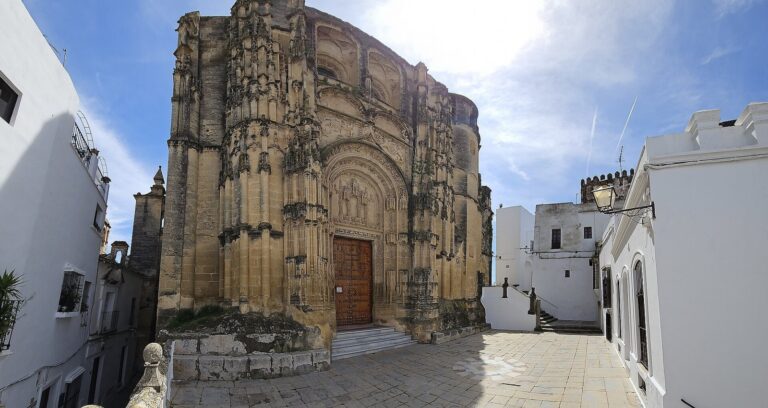
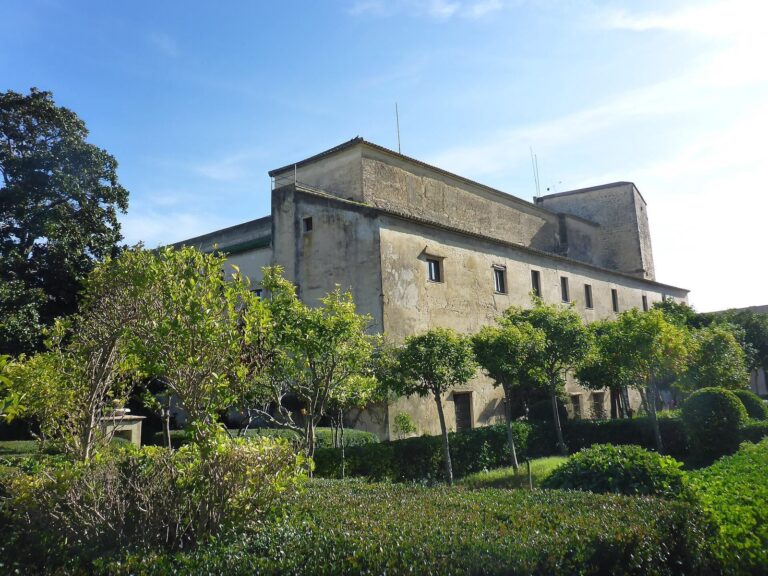
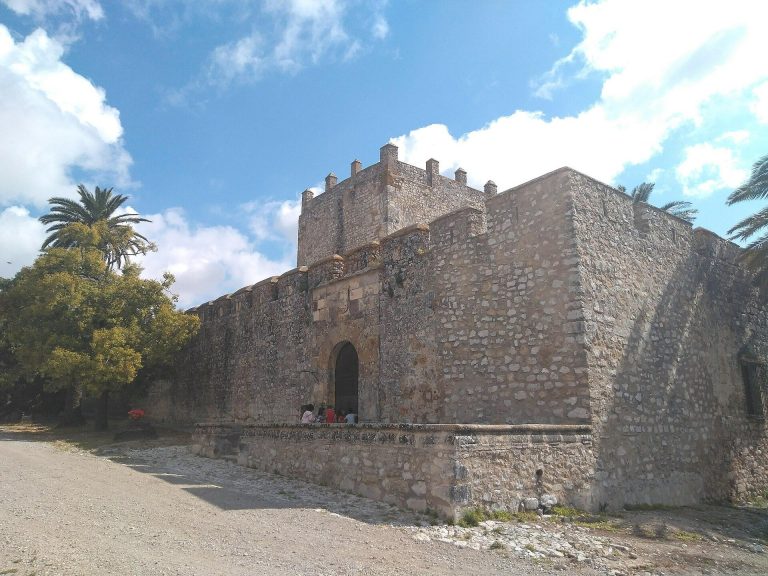
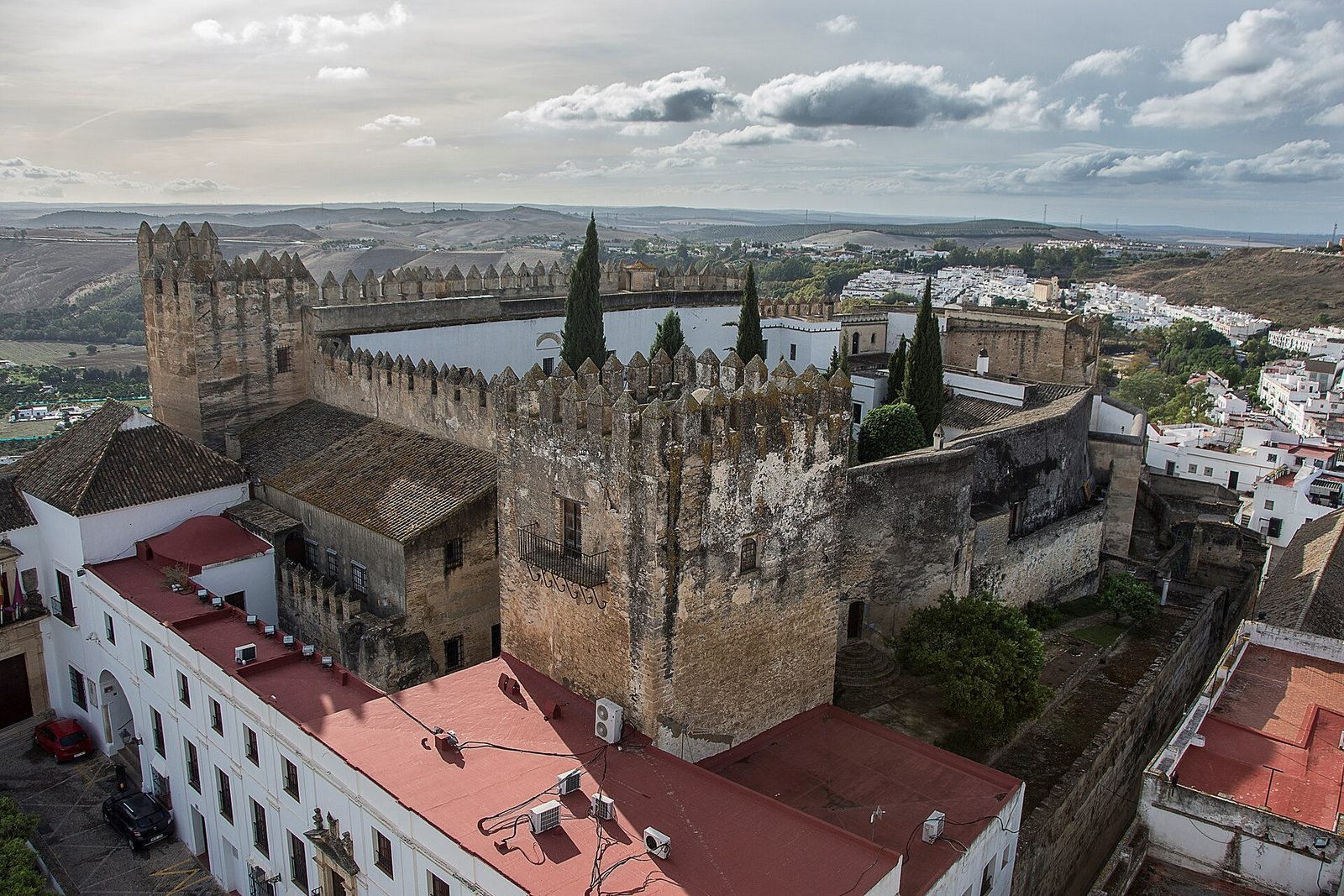
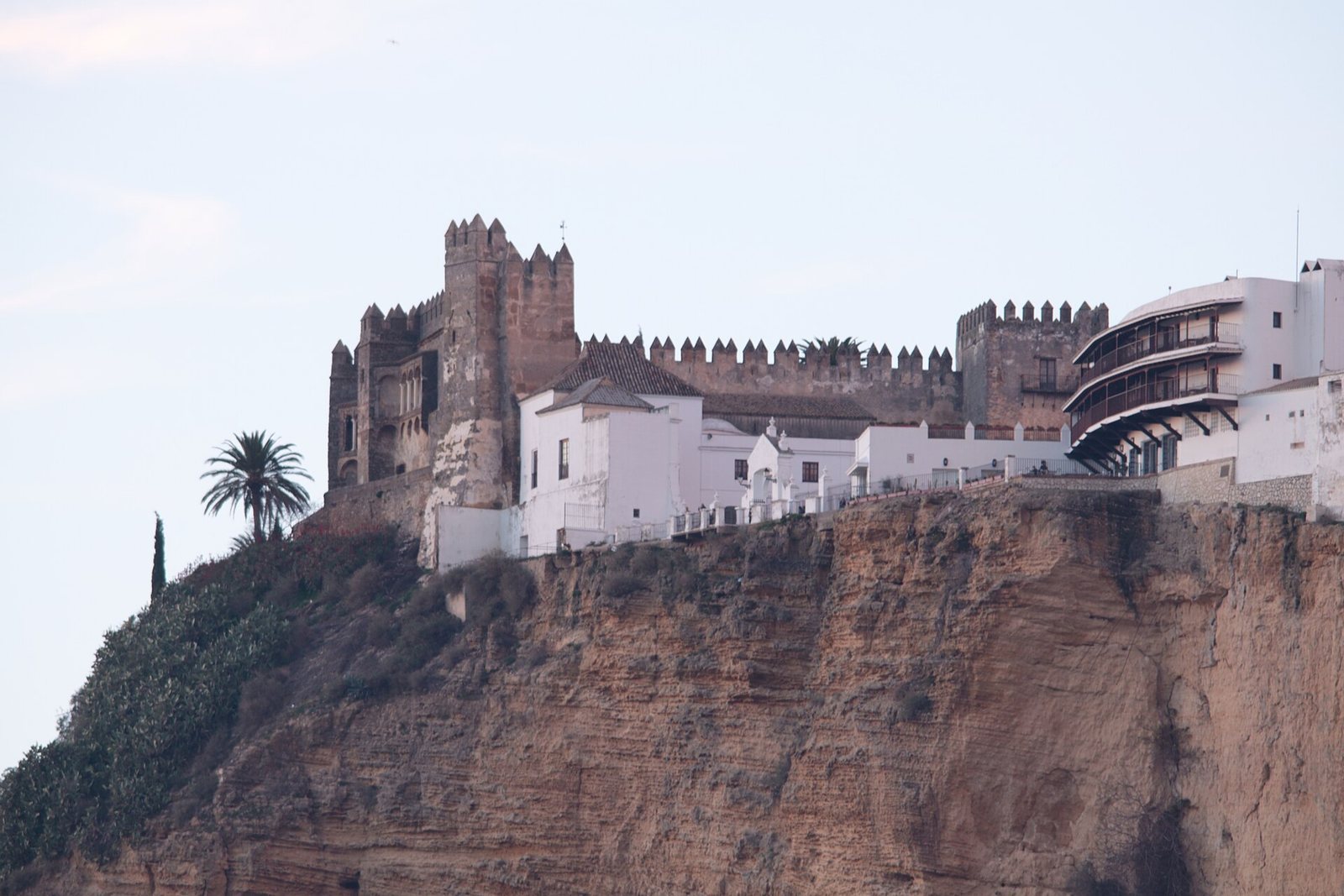
The present fortress has a quadrangular plan and four crenellated corner towers, although it has been completely transformed. It stands in Plaza del Cabildo, on the highest part of a rocky promontory that rises sharply above the town center. The square also contains the Church of Santa María de la Asunción, a Parador hotel in Spain’s state-run network, and the Balcón de la Peña Nueva.
Earlier remains and entrance
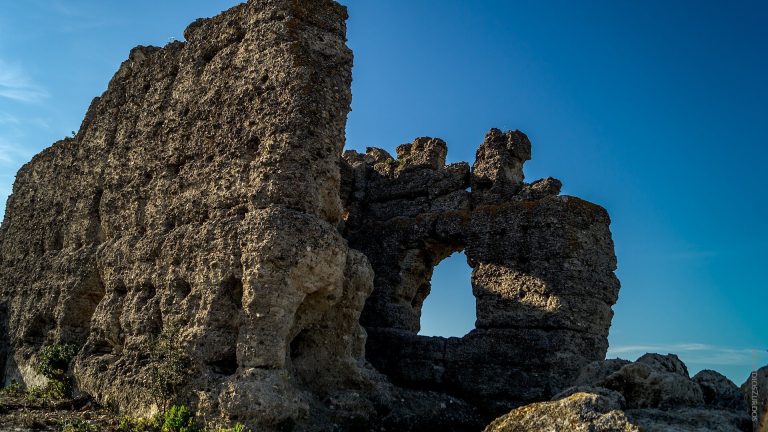
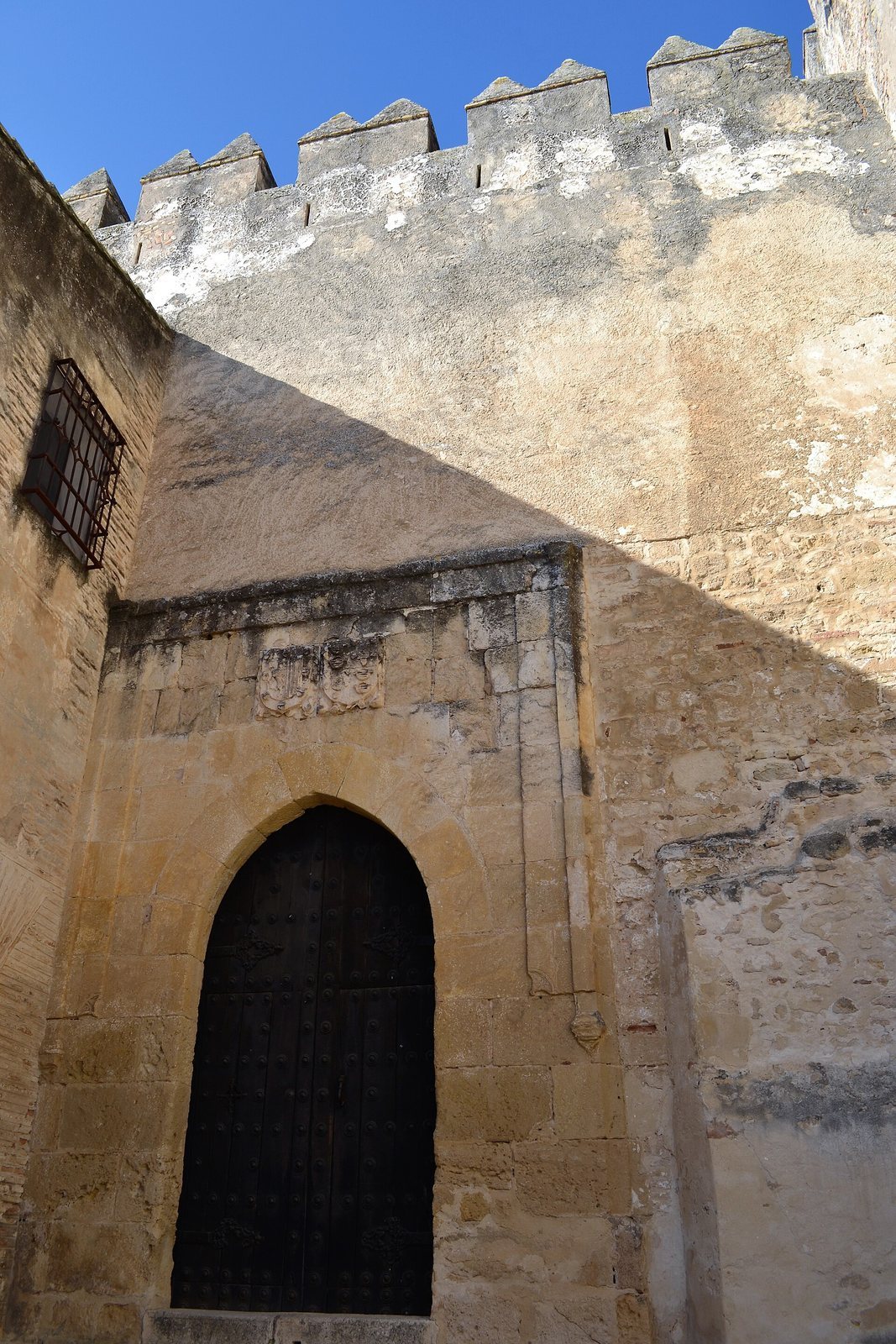
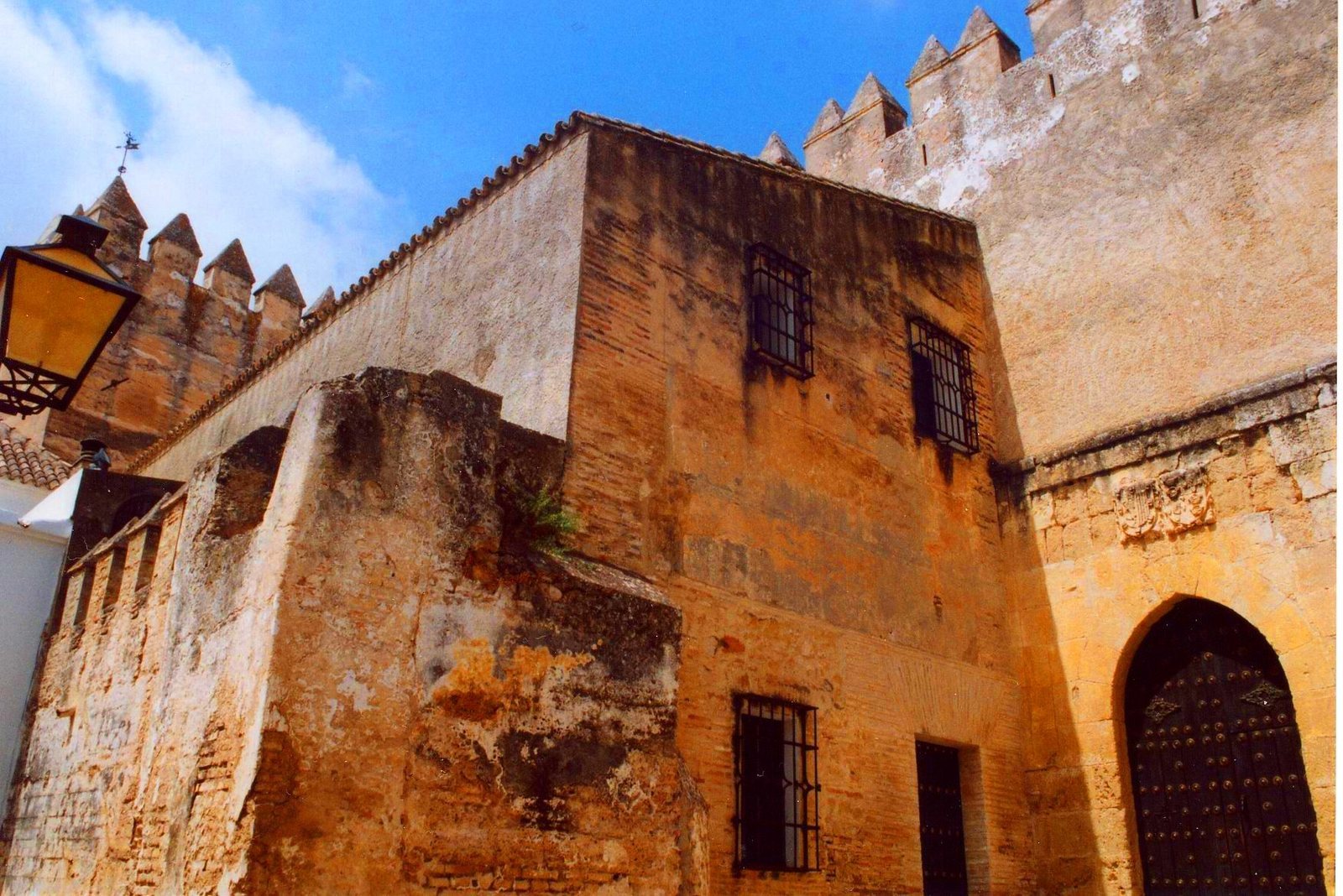
Parts of the original fortress survive in a large horseshoe arch at the former western entrance and a stretch of wall on the southwest side. The current entrance lies beneath an arch where the town hall’s prayer room once stood. Its portal is topped by the coat of arms of the Dukes of Arcos.
Fourteenth- and fifteenth-century features
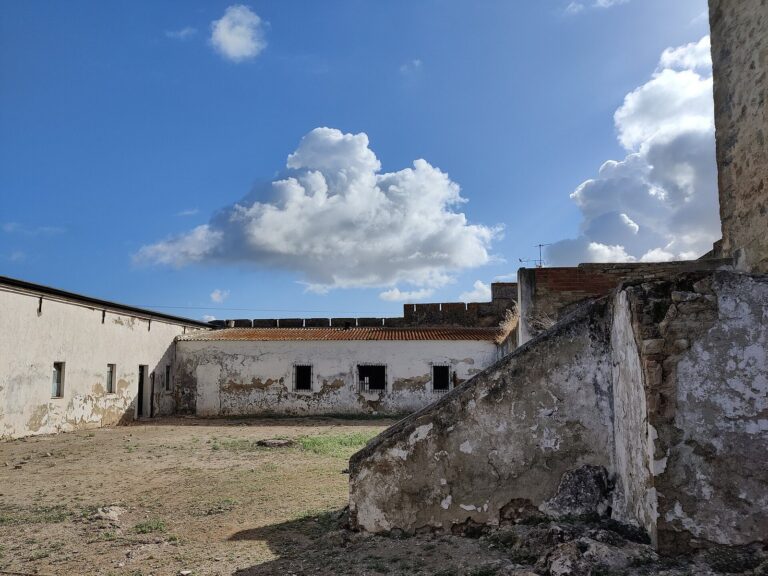
Features from the castle’s later reforms include the Tower of the Secret, a wall-walk along the eastern side, and flanking towers to the south. A large cistern occupies the courtyard. The defensive parapets include merlons, raised sections of the wall, capped with pyramidal tops.