Castle of Alfeizerão: A Twelfth-Century Coastal Stronghold in Portugal
Site at a Glance
- Rating
- 3
- Popularity
- Very Low
- Country
- Portugal
- Primary era
- Medieval
- Eras represented
- Medieval
- Civilizations
- Portuguese
- Site type
- Military
- Remains
- Castle
On this page5 sections
History
Rebuilding and coastal defense
The Castle of Alfeizerão, in Portugal, is a twelfth-century defensive stronghold whose position between Peniche and Nazaré helped protect a small port during Portugal’s southward expansion. In 1147, after the conquest of an Arab stronghold, troops loyal to Afonso Henriques, also known as Afonso I and Portugal’s first king, rebuilt its fortifications. Its coastal defenses operated alongside those of the Fort of São Miguel and the Fortress of Peniche.
The site’s greatest activity is associated with the early Middle Ages, conventionally dated from about the fifth to tenth centuries. In the sixteenth century, the port functioned as a maritime entrepôt, a trading harbor where goods were stored or transferred for onward trade, and could shelter 80 ships. The port gradually eroded over the following centuries, and the castle declined with it.
Decline and destruction
The Lisbon earthquake of 1 November 1755 destroyed the castle. Little effort was made to rebuild the military outpost, and a prolonged period of deterioration and abandonment followed.
Investigation and protection
By 1951, the property belonged to Júlio Ferraz of Caldas da Rainha; the Portuguese Republic owns the castle today. A 1973 proposal called for clearing the site, consolidating the ruins, and beginning archaeological investigation. The following year, a proposal developed with the local National Board of Education sought to classify the abandoned walls as a Property of Public Interest, a category in Portugal’s cultural-heritage system.
In 2007, the regional cultural authority for Lisbon and the Tagus Valley proposed a Special Protection Zone, an area intended to safeguard a heritage site and its surroundings. The proposed zone included the castle ruins and Alfeizerão’s pillory, a column associated with civic authority and sometimes public punishment. The proposal was accepted by Portugal’s Institute of Archaeology and the advisory council of its Institute for the Management of Architectural and Archaeological Heritage. In 2012, the National Council on Culture accepted a further proposal to add the castle walls to the zone. That November, a decision classified the castle as a Site of Public Interest, another category in Portugal’s cultural-heritage system.
Remains
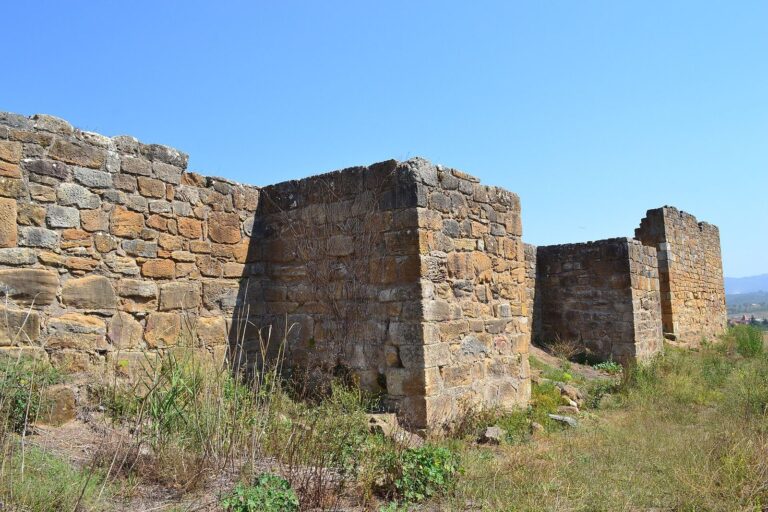
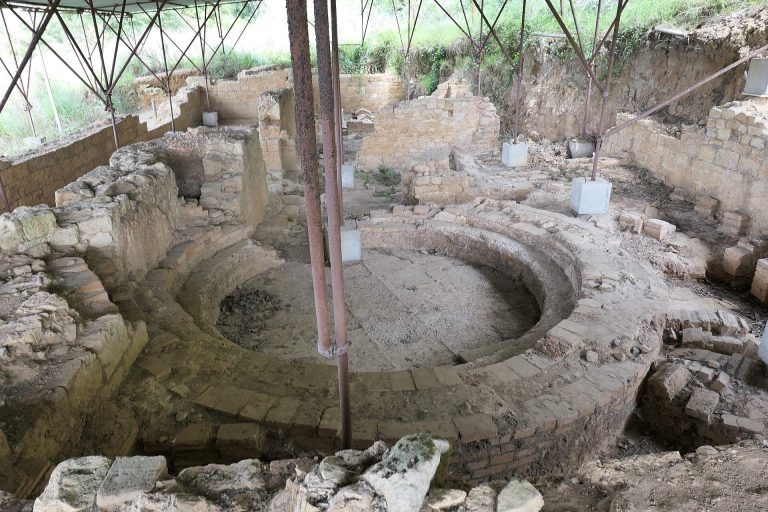
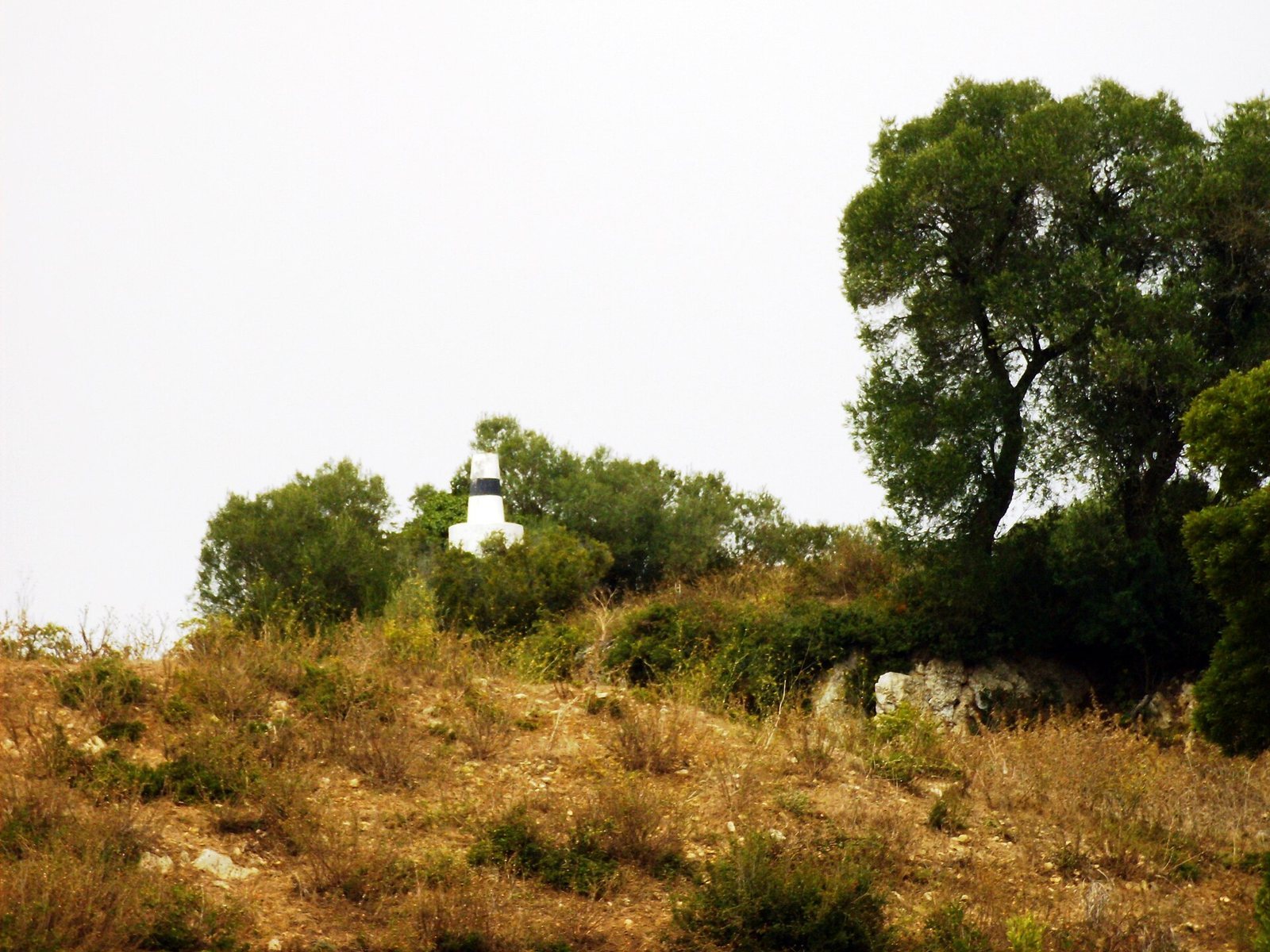
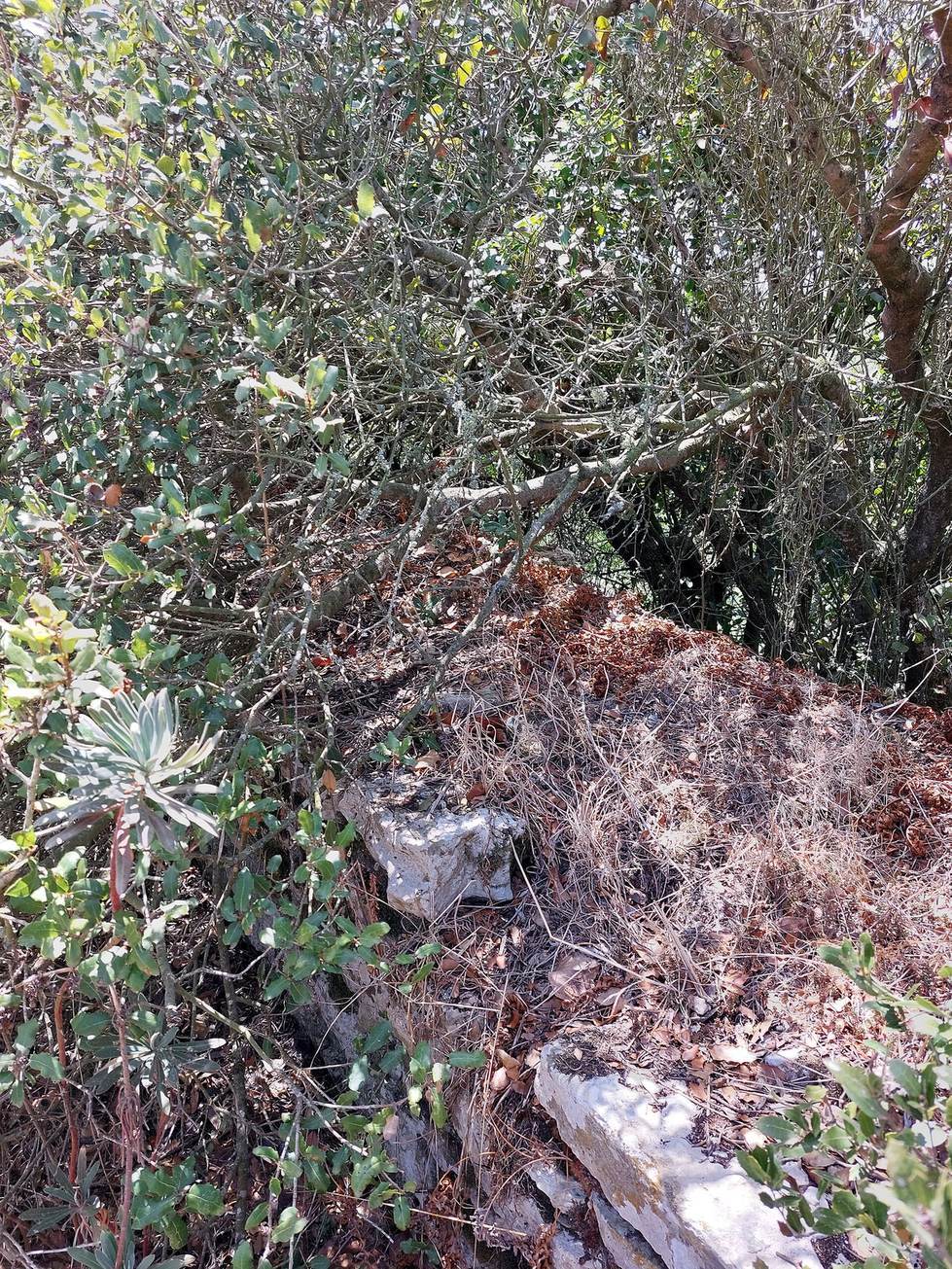
The probable plan included a rectangular courtyard with eight defensive towers. A separate keep, the castle’s principal fortified tower and stronghold, stood slightly off-centre near the eastern edge, facing inland. Surviving wall sections are built from regularly shaped blocks of equal height, laid in even courses, and connect semicircular towers. One surviving feature incorporates a geodetic marker, a fixed point used in surveying and mapping.
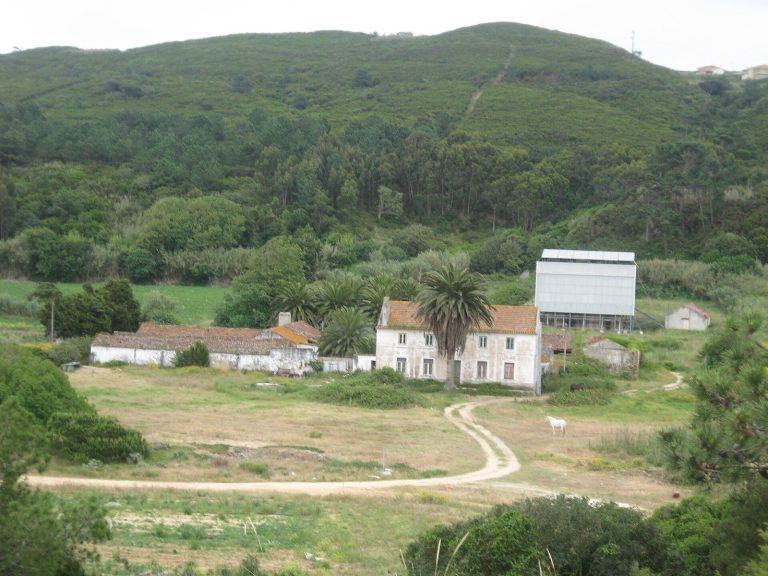
The remains occupy a hilltop about 45 metres above sea level, with a view toward São Martinho do Porto, approximately 3 kilometres away. The town of Alfeizerão borders the site to the east and west, while fertile plain surrounds it elsewhere. Dense vegetation covers the remains.