Castello di Sestola: A Sixteenth-Century Fortress in Italy


Site at a Glance
- Rating
- 4.4
- Popularity
- Low
- Country
- Italy
- Primary era
- Early Modern
- External website
- Open
- Eras represented
- Early Modern
- Civilizations
- Holy Roman Empire
- Site type
- Military
- Remains
- Castle
On this page17 sections
History
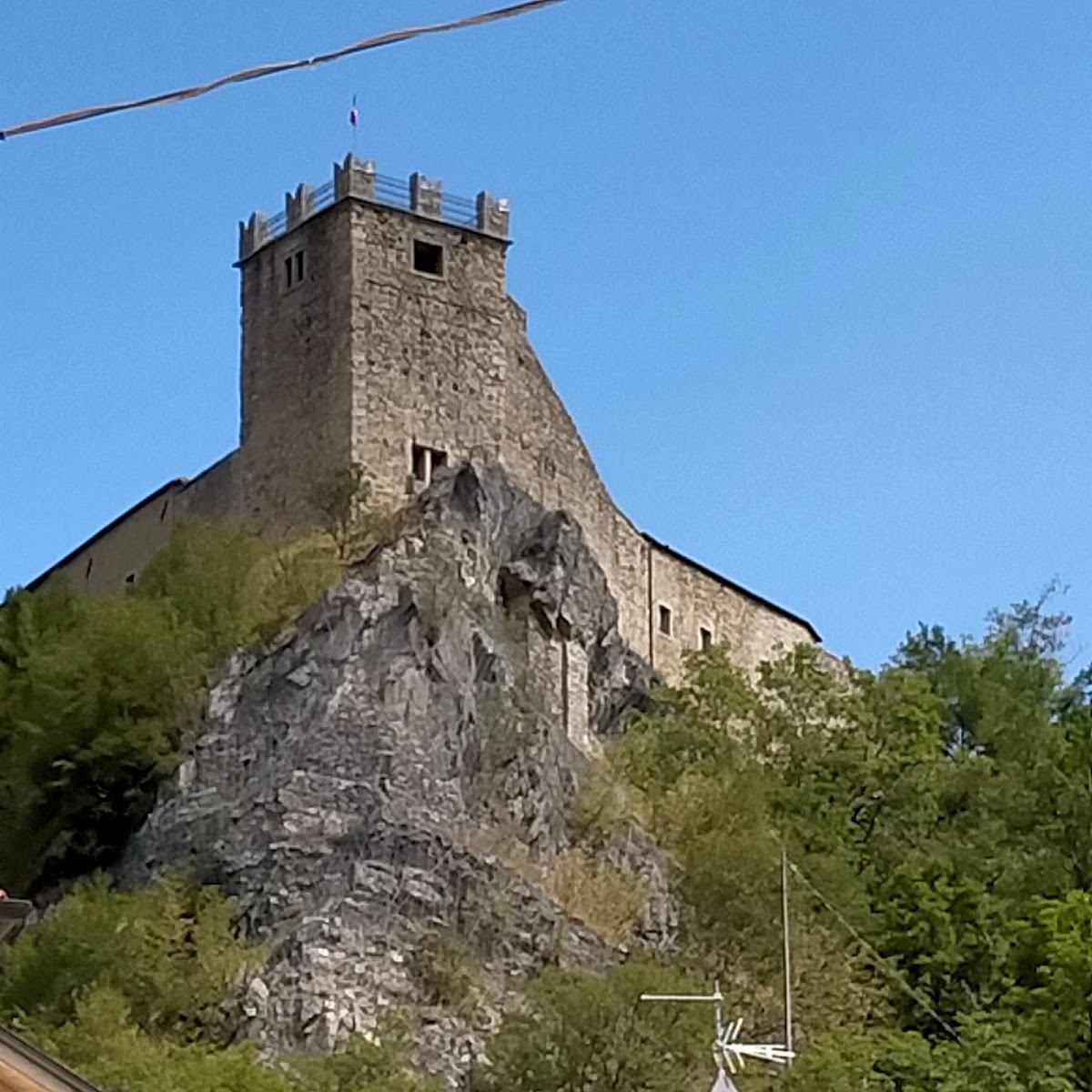
Castello di Sestola, also called Rocca di Sestola, is a sixteenth-century hilltop fortress in Sestola, Italy, built to defend a strategic route through the mountain territory of Frignano. Human settlement on the rocky site dates back to the Bronze Age, while the present defensive complex was constructed between 1563 and the end of the sixteenth century.
Early settlement and Lombard rule
The rock of Sestola was occupied from the Bronze Age. The first written reference to a fortification appears in the 753 Diploma of Astolfo, which names the site Castrum Sextulae. Astolfo, the Lombard king, granted the fortification and its surrounding lands to his brother-in-law Anselm, an abbot and the founder of Nonantola Abbey.
Conflicts between Modena and Bologna
From the thirteenth century, the fortress became involved in the struggles between Modena and Bologna for control of the area. Sestola entered the sphere of the Este dynasty, the ruling house of the Duchy of Modena and Reggio, through acts of submission in 1288 under Obizzo II and in 1336 under Obizzo III.
From 1337, the fortress served as the seat of the Governor of Frignano. This official, appointed by the Este rulers, administered Frignano, a historic mountain territory in the northern Apennines. Papal troops occupied Sestola in 1521, but the fortress returned to Este control after two months, following the death of Pope Leo X.
The sixteenth-century fortress
Continuing territorial conflicts destroyed the medieval fortress. Its strategic position led Duke Alfonso II d’Este to order the remaining structures demolished and commission a new defensive complex adapted to warfare with firearms. The architect and cartographer Marco Antonio Pasi designed the new Este fortress, whose construction began in 1563 and was completed almost twenty years later, toward the end of the sixteenth century.
Changing uses after Este rule
As Frignano’s political importance declined, the Rocca was converted into a prison in 1816. It remained in use for this purpose until 1866. In 1824, Duke Francesco IV ordered the creation of the Fratta pine forest beside the fortress.
At the end of the nineteenth century, the Rocca housed a military meteorological observatory because of its position between the plain and the observatory on Monte Cimone. Buildings within the fortress settlement also accommodated children from Modena’s Umberto I institute for children with rickets. In 1964, the complex became an elementary school with a boarding facility for children from northern Italy supported by the Associazione Nazionale Enti Assistenziali. It later accommodated a weather station and a children’s summer camp, bringing further changes to the complex.
Restoration and heritage
Modern restoration has returned the sixteenth-century fortress to a restored condition. The complex is recognized as part of Italy’s national heritage, preserving the site’s long transition from fortified stronghold to a group of cultural and educational spaces.
Remains
Fortress setting and defensive structure
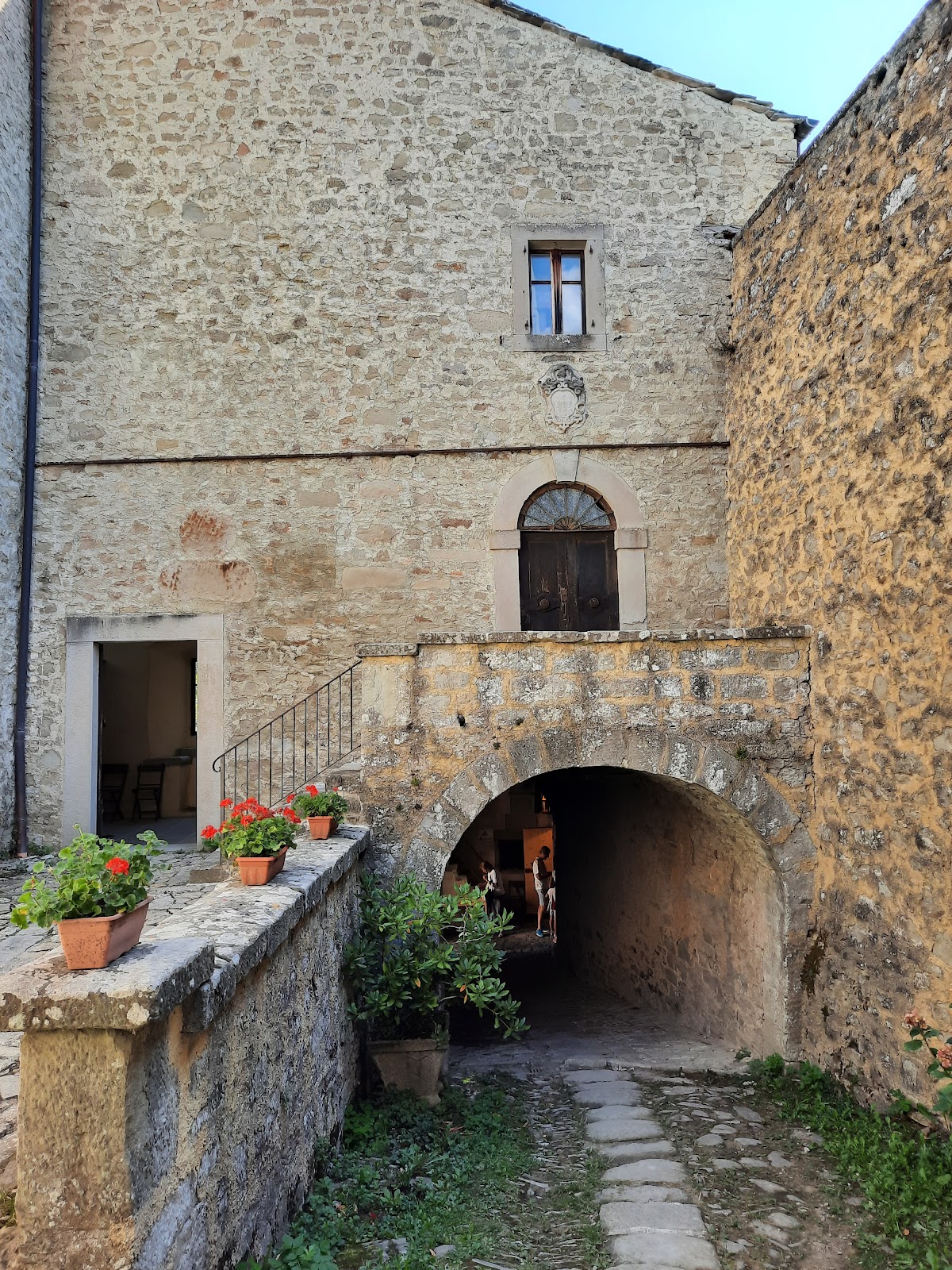
The Rocca occupies a rocky spur at approximately 1,000 metres above sea level in the municipality of Sestola. Its position overlooks the valleys of the Scoltenna and Leo and controls access to southern Frignano, while the oldest hamlets of the settlement lie close to the rock. The surviving complex is a sixteenth-century defensive work built in rubble stone, designed to adapt the earlier medieval stronghold to the military demands created by firearms.
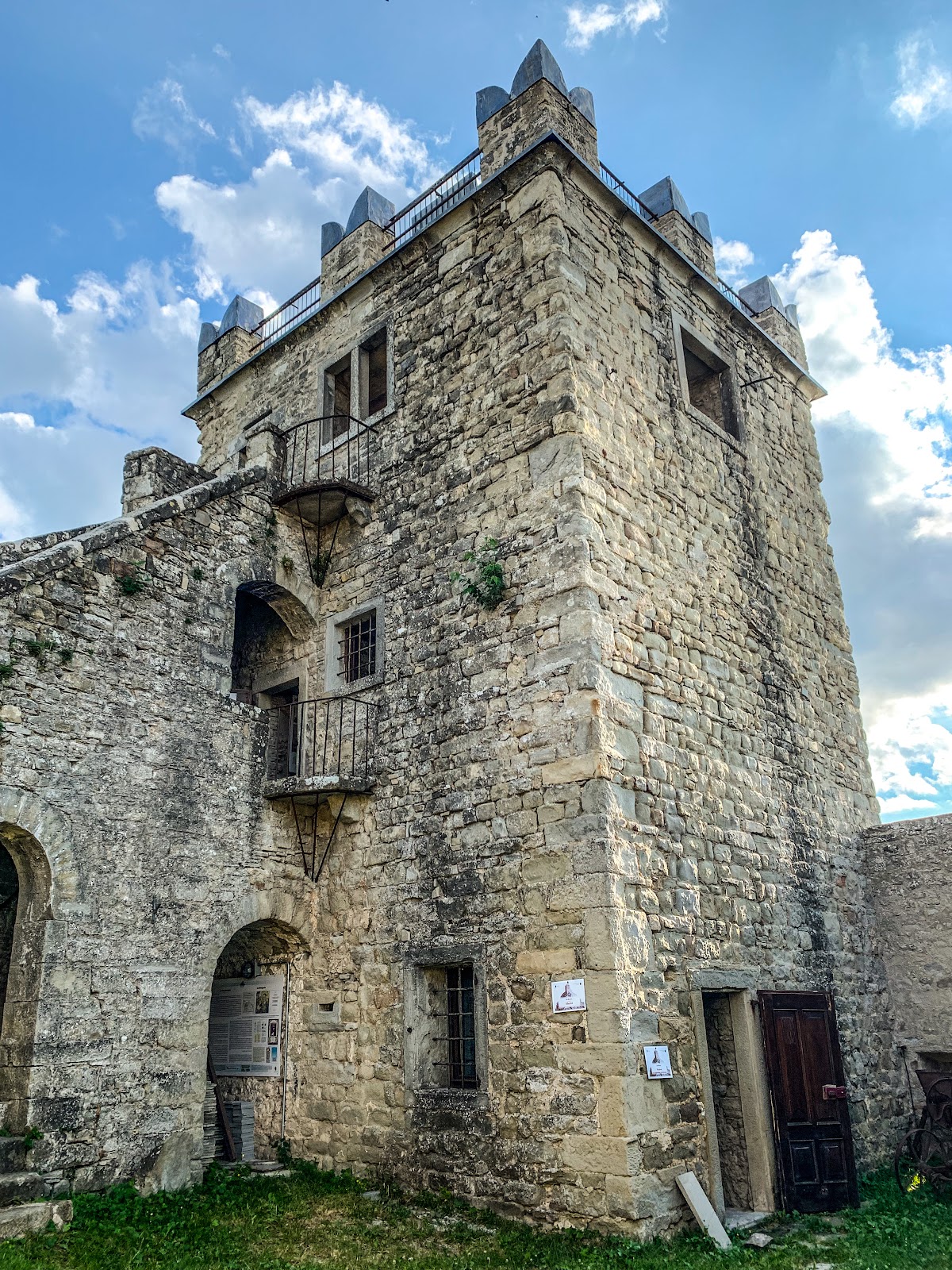
Rocca tower
The fortress tower has a terrace with a 360-degree view of the surrounding area and information panels. On the ground floor, the small rotating exhibition Un angolo d’arte occupies part of the restored structure.
Collections in the fortress buildings
Former governor’s apartment
The former governor’s apartment houses the Museum of Mechanical Musical Instruments, installed there in 1995. The museum presents 120 objects from Edward Thoenes’s private collection and traces the development of mechanical musical instruments from 1600 to the present.
Former stables and archive
The former stables and former archive contain the Museum of Mountain Civilization. Its displays bring together tools and materials associated with life in the mountains.
Stanza dei ricordi
The permanent Stanza dei ricordi exhibition is devoted to Teresina Burchi Reiter, an Italian operatic soprano from Sestola who performed internationally from the beginning of the twentieth century through the 1930s. Stage objects, clothing, documents, and photographs form the exhibition.
Sala del Camino
The Sala del Camino is used for temporary exhibitions, which are generally installed there throughout the year.
Prison and religious remains
Castle prisons
The castle prisons contain inscriptions, memorial stones, columns, and other artefacts connected with the history of the fortress. These features preserve material traces of the building’s period as a prison.
Frescoes of Saint John the Baptist
A cycle of frescoes dedicated to Saint John the Baptist is preserved in the Rocca. The paintings were transferred from the church of Roncoscaglia, a hamlet of Sestola, and now form part of the fortress’s surviving interior heritage.