Castello di Levizzano Rangone: A Fortified Castle in Italy
Site at a Glance
- Rating
- 4.3
- Popularity
- Medium
- Country
- Italy
- Primary era
- Medieval
- External website
- Open
- Eras represented
- Medieval
- Civilizations
- Holy Roman Empire
- Site type
- Military
- Remains
- Castle
On this page6 sections
History
Castello di Levizzano Rangone is a fortified site in Italy that probably originated in the late ninth century, when defensive enclosures with surrounding walls were established in the Po Valley to shelter local communities from Hungarian raids. The castle has Italian national-heritage status. Its inception is also recorded as dating to the sixteenth century, although the relationship between that date and its probably ninth-century fortified origins is not specified.
Early Fortification and Medieval Ownership
The first documented reference to Levizzano appears in an 890 record of Nonantola Abbey, a major Benedictine abbey in the Modena area. The record mentions the Garbuga of Levizzano, probably an early fortified site. In 1038, Viberto, Bishop of Modena, granted the castle to Boniface, Marquis of Tuscany, through an emphyteutic lease. This was a long-term landholding arrangement that gave use of property in return for obligations such as improvement or payment, while ultimate ownership remained with the granting authority. The grant included two chapels and houses enclosed within the walls.
Over the following centuries, the castle passed successively to the Levizzani family, the Da Savignano, the Bonacolsi, and the Levizzani again. In 1342 it came to the Rangone family, whose name was added to that of the settlement and produced the present name, Levizzano Rangone.
Later Changes and Present Use
The Rangone family carried out restoration work in the eighteenth century, during the period when the church inside the castle was rebuilt. In the nineteenth century, the complex became property of the Municipality of Castelvetro. Part of the castle is now used by the Rosso Graspa Museum of rural society and viticulture, while an acetaia, a facility for aging traditional balsamic vinegar, is associated with the complex.
Remains
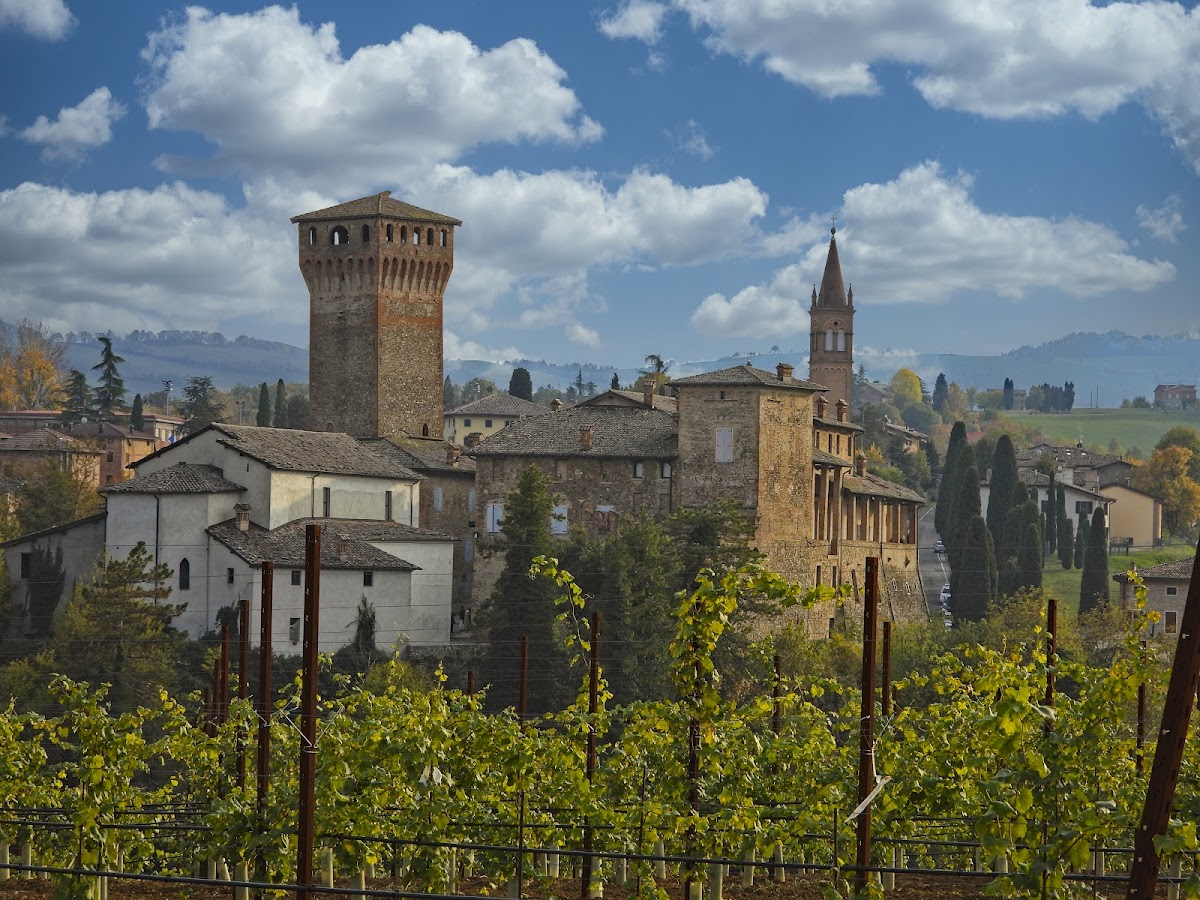
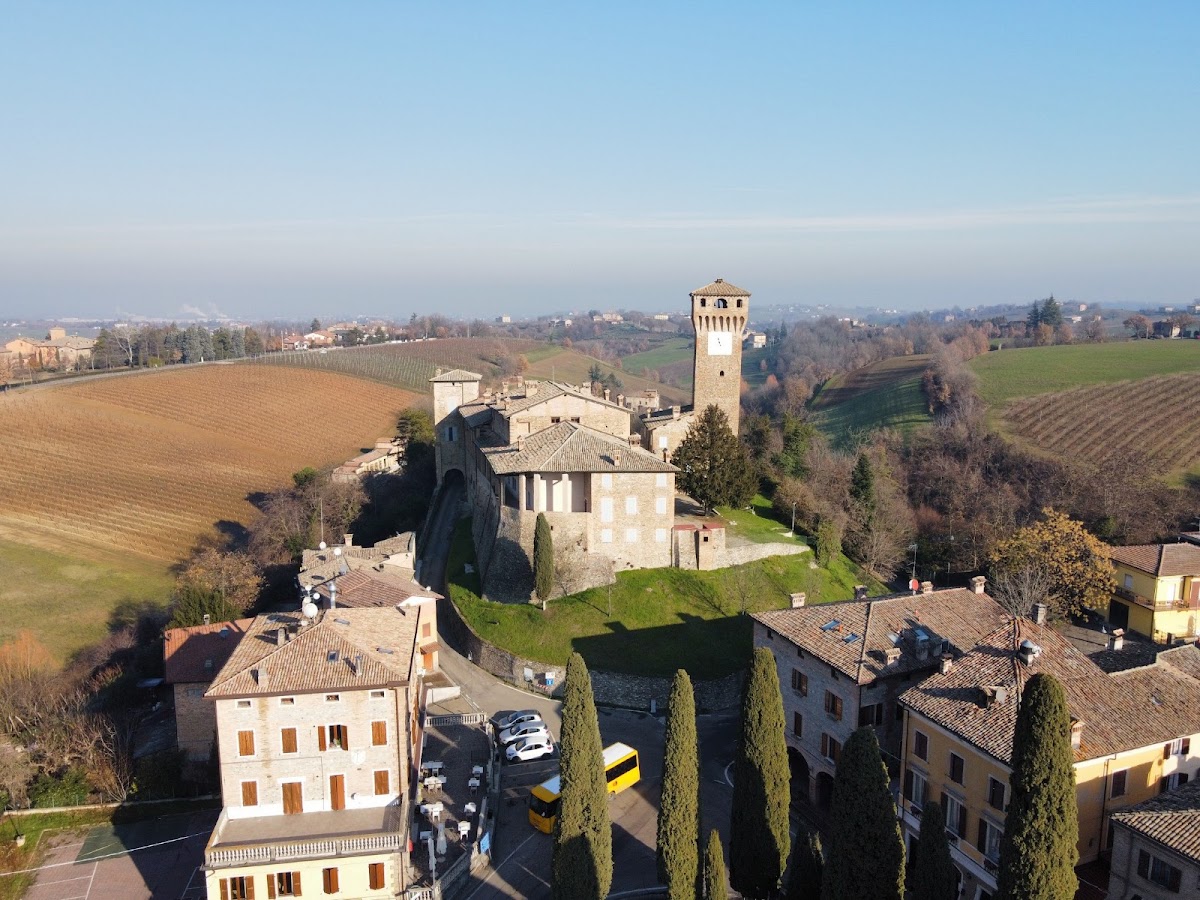
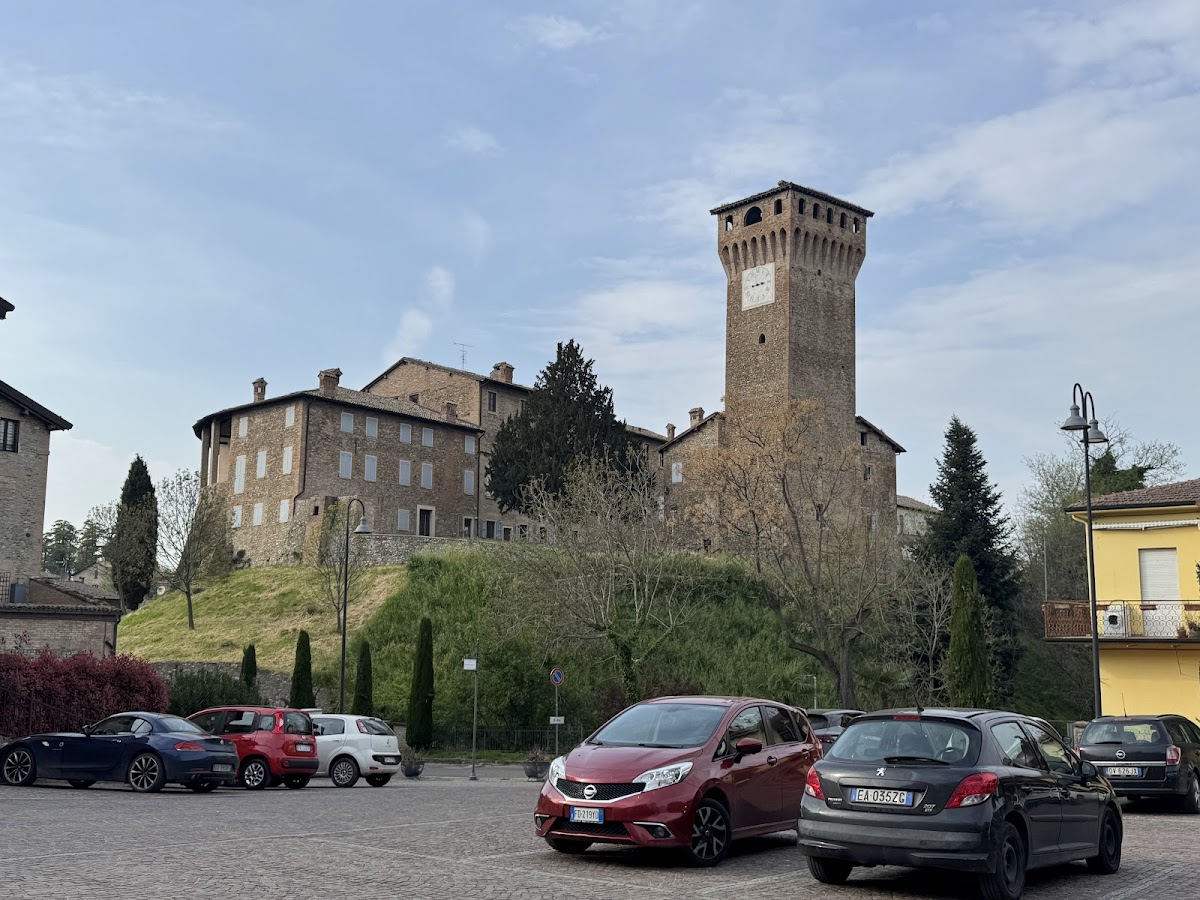
Fortified Enclosure and Tower
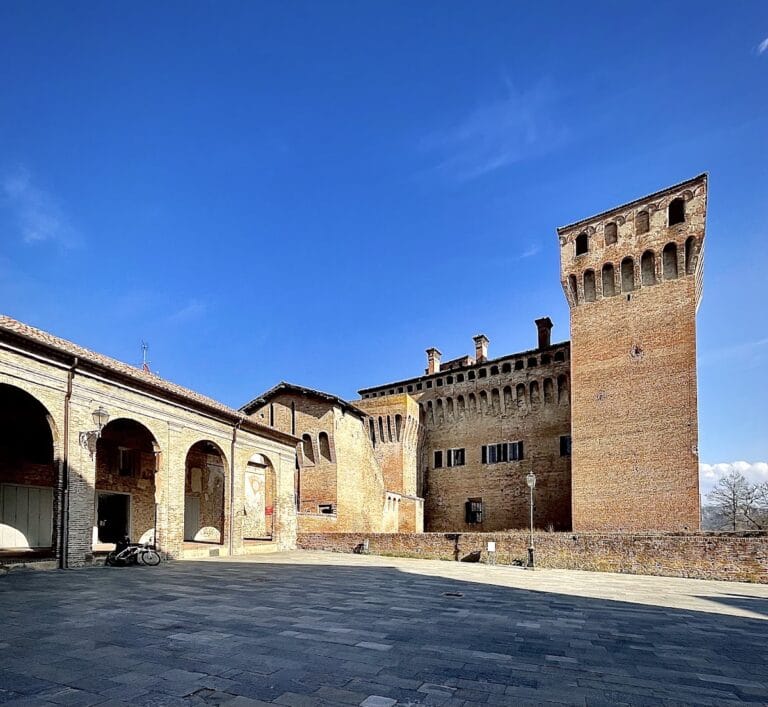
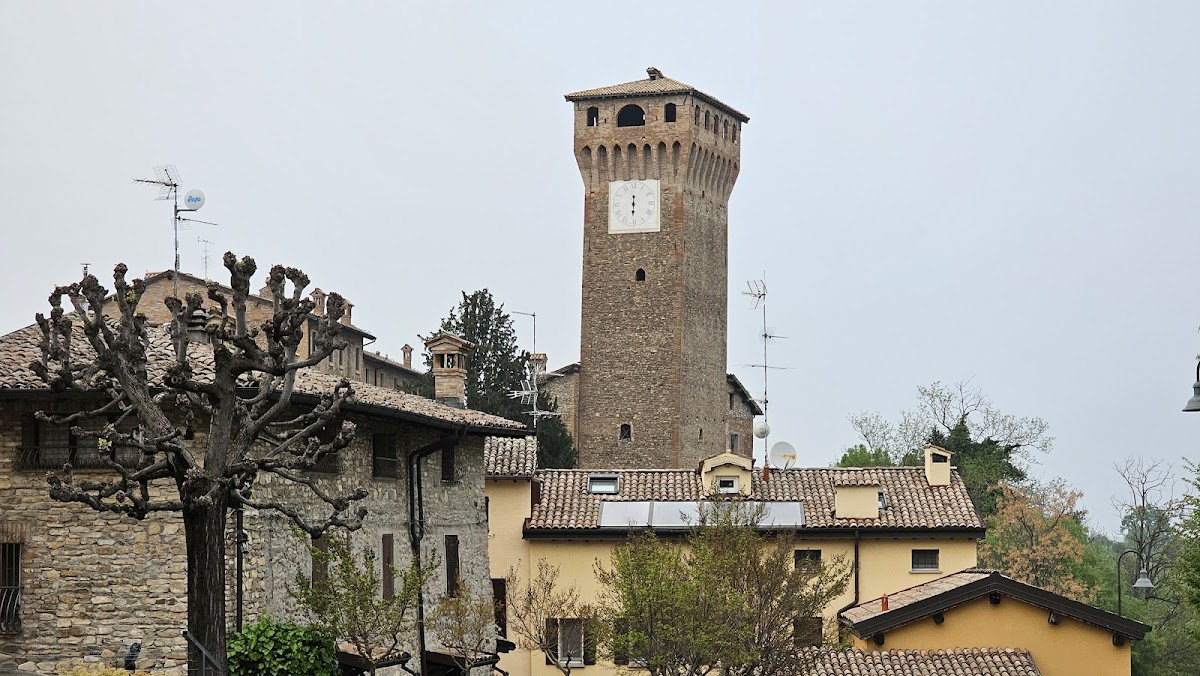
The castle is organized around a walled enclosure containing houses, a church, and two chapels. Its historic defensive character was dominated by a square-plan tower known as the Matildic Tower. The term refers to the fortified legacy associated with Matilda of Canossa, an influential eleventh-century noblewoman whose territories included much of northern and central Italy. The present tower cannot be identified with the original structure unless it was extensively transformed.
Church and Rural Heritage Museum
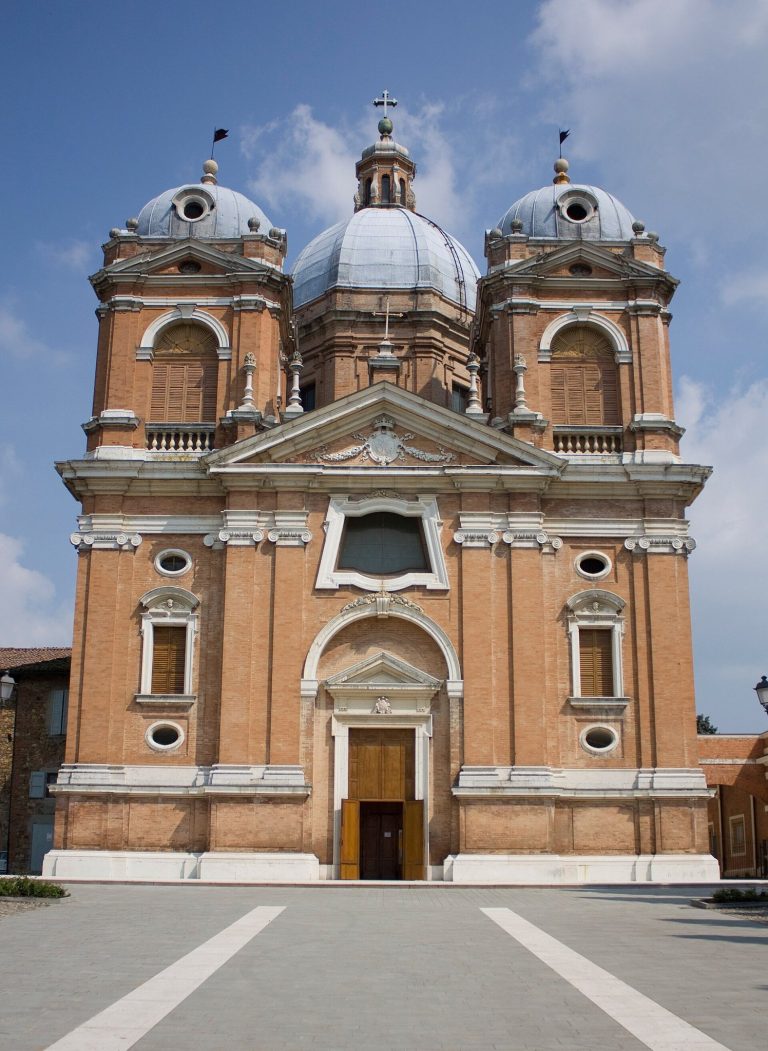
The church forms part of the castle complex and was rebuilt during the eighteenth-century restoration period. On the ground floor, the Rosso Graspa Museum presents agricultural tools and historical photographs of rural work. Its displays include historical reconstructions accompanied by a soundscape of rural-life sounds, together with recordings of testimonies in the local dialect. The associated acetaia connects the complex with the production and aging of traditional balsamic vinegar.