Castello del Conte Verde: A Former Military and Administrative Seat in Italy


Site at a Glance
- Rating
- 4.2
- Popularity
- Low
- Country
- Italy
- Primary era
- Medieval
- External website
- Open
- Eras represented
- Medieval, Early Modern
- Civilizations
- Duchy of Savoy, Holy Roman Empire
- Site type
- Military
- Remains
- Castle
On this page4 sections
History
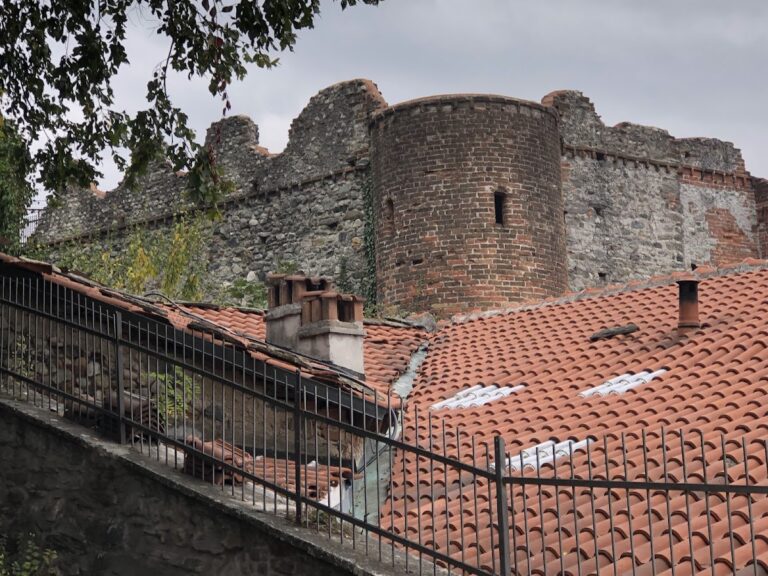
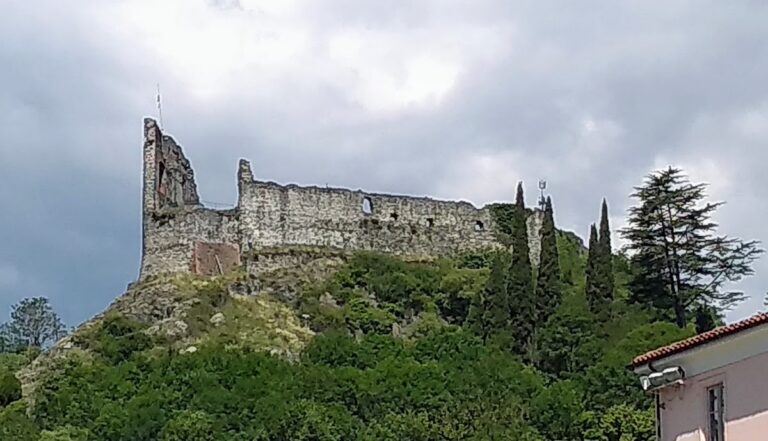
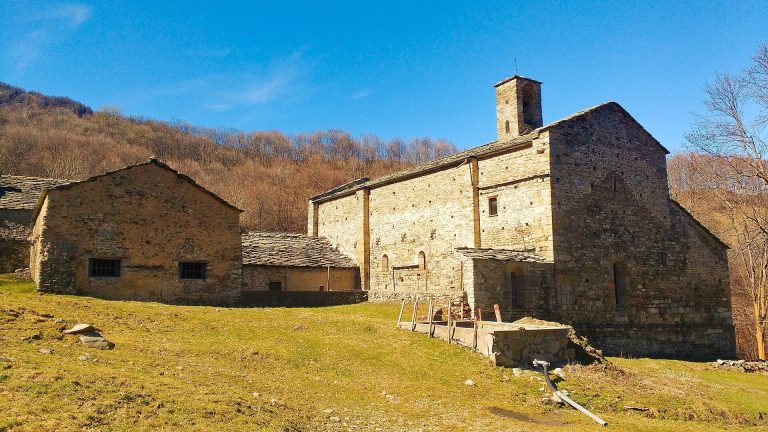
Castello del Conte Verde, also known as Castellazzo, is a ruined former military building in Condove, Italy, dated to the fourteenth century and associated with the strategic control of the lower Susa Valley frontier near the Sacra di San Michele. The building stands over remains of older structures, and its chronology also includes changes made during the sixteenth century. It is now owned by the Municipality of Condove and is designated Italian national heritage.
Early references and abbey administration
A legend connects the site with the Lombard fortifications called the Chiuse, but the earliest documented references appear in thirteenth-century notarial records. These records name the castle Castrum Capriarum and place it among territories over which the House of Savoy, a European ruling dynasty that later governed territories in Italy, held baronial rights.
The castle itself did not belong to the House of Savoy. It served as the seat of the castellany of the Abbey of San Giusto of Susa. A castellany was a territorial administrative unit centered on a castle or fortified seat, whose castellan commonly exercised judicial, administrative, and military responsibilities. At Castello del Conte Verde, this abbey-controlled center included a court and prison and was guarded by a small number of soldiers.
Later attribution and survival
The traditional association with Amedeo VI of Savoy, known as the Green Count, has no historical confirmation. Amedeo VI was a fourteenth-century count of Savoy, and his title explains the castle’s traditional name without establishing a connection between him and the building. The ruin’s surviving history extends through the sixteenth century before its later decline and present municipal ownership.
Remains
The ruin occupies a small hill in the territory of Condove, between Caprie and Condove in the lower Susa Valley. Its position lies between Mount Pirchiriano, where the Sacra di San Michele abbey complex stands, and Mount Caprasio. The building survives above earlier structures, preserving the physical evidence of a site whose military and administrative role developed over several periods.
At the center of the building, an erratic boulder forms part of the site. This is a large rock transported and deposited by a glacier, and the boulder was shaped by a Quaternary glacier in the Susa Valley. A plaque placed on it claims that Charlemagne, the Frankish ruler later crowned emperor in AD 800, stopped there with his commanders in AD 773 after the Battle of the Italian Alpine Passes. The inscription further claims that the campaign ended the centuries-old Lombard kingdom and began the Holy Roman Empire. These statements express a site-associated tradition, and the plaque alone does not establish that Charlemagne stopped at the castle.