Castel National Park: A Memorial to the 1948 Battle for Jerusalem
Site at a Glance
- Rating
- 4.4
- Popularity
- Medium
- Country
- Israel
- Primary era
- Classical
- External website
- Open
- Eras represented
- Classical, Modern
- Civilizations
- Roman
- Site type
- Military
- Remains
- Fort
On this page13 sections
History
Castel National Park is a historical and battlefield memorial in Israel, near Mevaseret Zion, on the summit of Castel Hill. Established in 1980, it occupies the site of the former Palestinian village of Al-Qastal and covers 15 hectares. The summit’s position above the road between Tel Aviv and Jerusalem gave it strategic importance from antiquity through the fighting of 1948.
Ancient and medieval strongholds
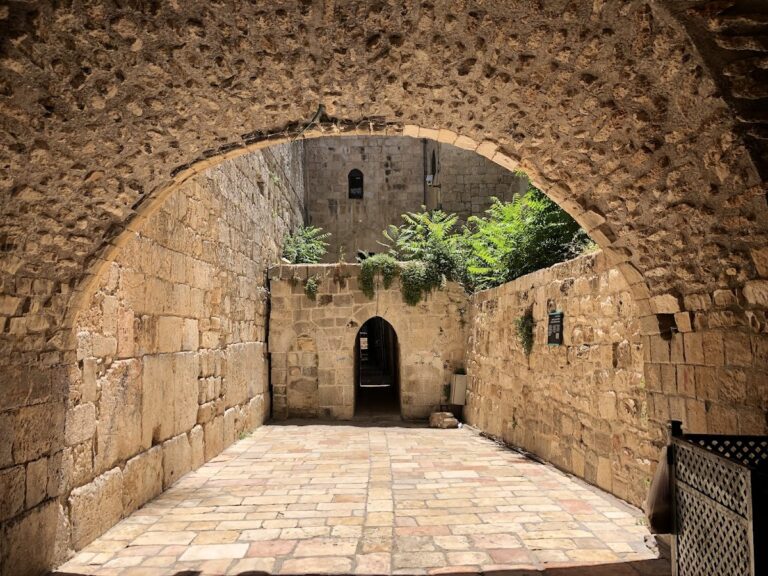
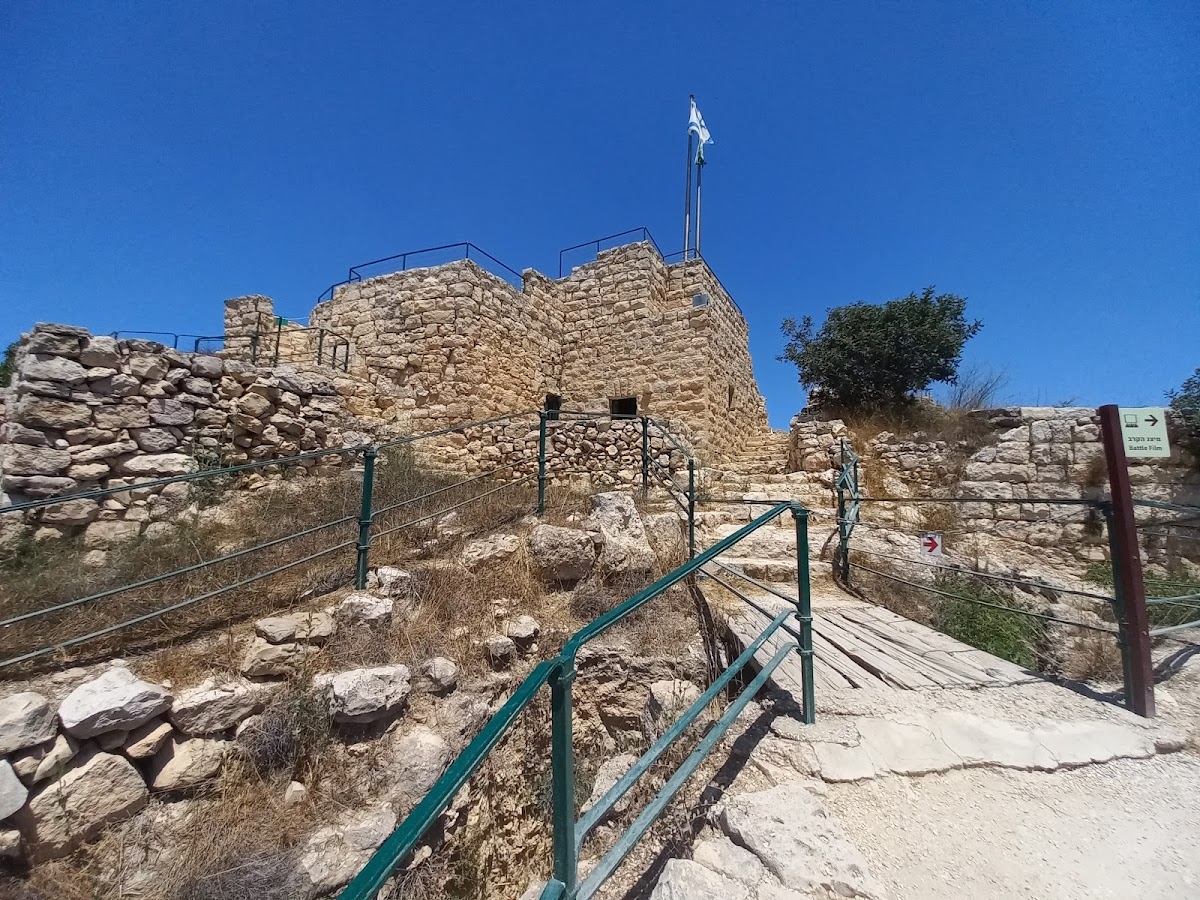
The Romans built a fortress called Castellum on the summit to control the road leading toward Jerusalem. Crusaders later constructed a castle over the Roman stronghold. Medieval chronicles referred to it as Castellum Belveer. After the fall of the Crusader states, Castel disappeared from historical records for centuries.
An Arab village eventually developed around the hill. Its mukhtar, the locally recognized village headman, lived in a house on the summit that may have been built over the ruins of the Crusader castle. During the British Mandate for Palestine, the British referred to the district as “The Castle.”
The 1948 battle
In 1947, the Arab siege of Jerusalem created severe shortages of water and food. Arab fighters positioned at Al-Qastal used the hill’s position beside the main road to attack supply convoys traveling from Tel Aviv toward Jerusalem.
On April 1, 1948, the Palmach, the elite striking force of the Haganah, launched Operation Nachshon. The operation aimed to open the road to besieged Jerusalem and bring in essential supplies. Palmach commandos found Al-Qastal nearly empty and captured the hill with little resistance.
Arab leaders then ordered Abd al-Qadir al-Husayni, an Arab military commander, to retake Castel. Thousands of Arab volunteers attacked for five days. The Jewish defenders eventually ran short of food and ammunition, while reinforcements failed to reach them.
On April 8, Palmach fighters shot at three figures approaching the slopes. Two escaped, but al-Husayni was killed. Arab forces then recaptured Castel in heavy fighting from three directions, and many Jewish fighters died. The following day, many Arab fighters left their positions to attend al-Husayni’s funeral at the Al-Aqsa Mosque, a major Islamic sanctuary in Jerusalem. Palmach commandos found only a few people on the hill and regained control, helping to break the blockade of Jerusalem.
Memorial park
A Jewish village was established at the foot of Castel Hill in 1951. The entire hill later became a memorial to the fighting of 1948. The park includes a monument designed in 1980 by the Israeli architect and designer Yitzhak Yamin for the Israeli soldiers killed at Castel, together with a memorial to the supply convoys that attempted to reach Jerusalem. Bronze plaques across the battlefield describe the course of the April fighting.
Remains
Castel National Park occupies a fortified summit in the Judean Mountains at approximately 781 metres above sea level, about 8 kilometres west of Jerusalem along the modern route toward Tel Aviv. The surviving site combines the summit’s ancient defensive remains with trenches from the 1948 battles and later commemorative structures.
Fortified summit and village remains
Ancient fortress
The summit was formerly occupied by the Roman fortress of Castellum. Its position above the road toward Jerusalem explains the military importance of the hill and forms the ancient defensive core of the site.
Crusader castle
The Crusader castle known as Castellum Belveer was built over the Roman fortress. Medieval accounts preserve its name and place it within the succession of strongholds that occupied the summit.
Headman’s house
The former village headman’s house stood on the hilltop. It may have been constructed over the remains of the Crusader castle, linking the later Arab village to the earlier fortified occupation of the summit.
Battlefield and memorials
1948 trenches
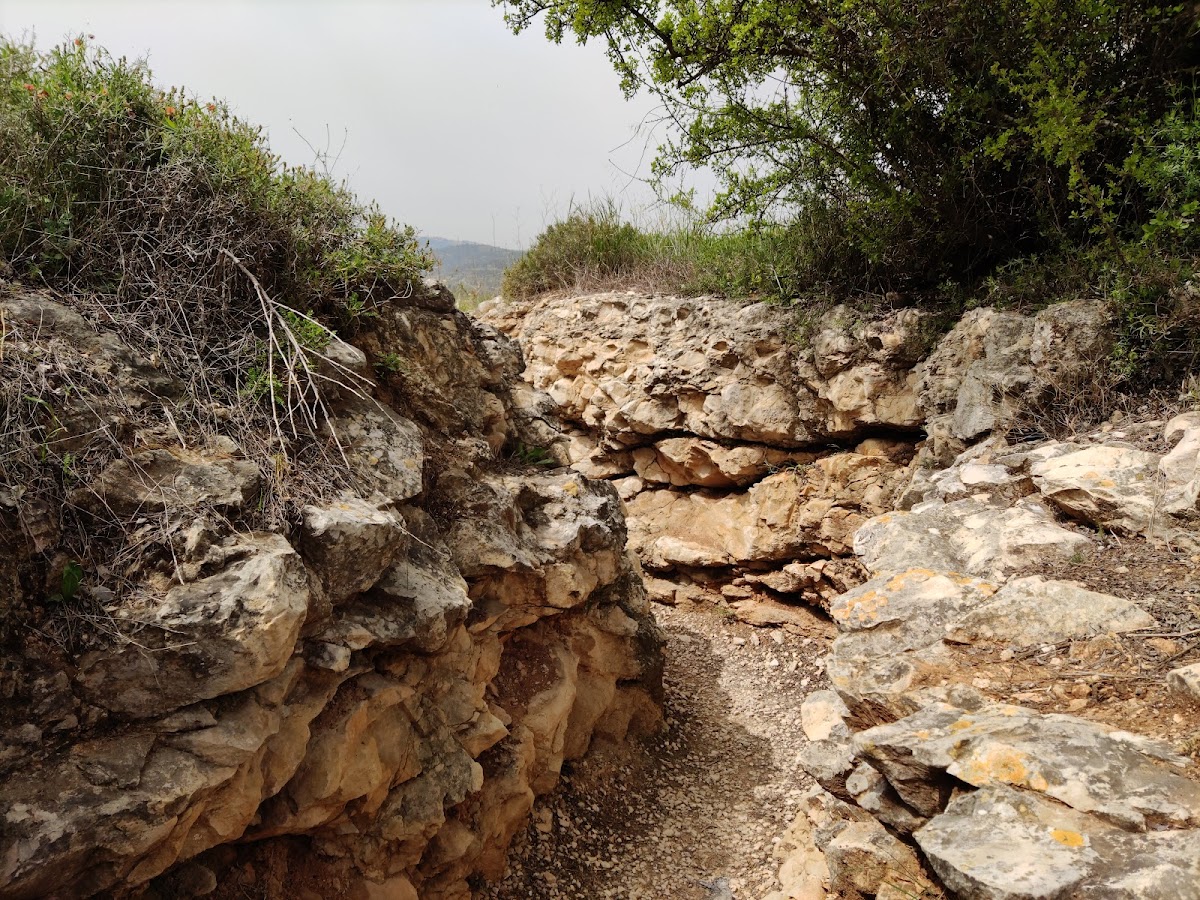
Trenches associated with the April 1948 battles remain on the summit. They form part of the battlefield landscape commemorated across the hill and help define the physical setting of the fighting between the Jewish defenders and Arab forces.
Soldiers’ memorial
A monument designed by Yitzhak Yamin in 1980 commemorates the Israeli soldiers killed at Castel. It stands within the memorial landscape created after the hill became a site dedicated to the battle.
Convoy memorial and bronze plaques
A separate memorial honors the Jerusalem supply convoys that attempted to break through the blockade. Numerous bronze plaques are placed around the hill to describe the movements and major episodes of the fighting in April 1948.