Casa Taddei: A Historic House in Florence
Site at a Glance
- Popularity
- Very Low
- Country
- Italy
- Primary era
- Early Modern
- Eras represented
- Medieval, Early Modern, Modern
- Civilizations
- Italian, Republic of Florence
- Site type
- Domestic
- Remains
- House
On this page8 sections
History
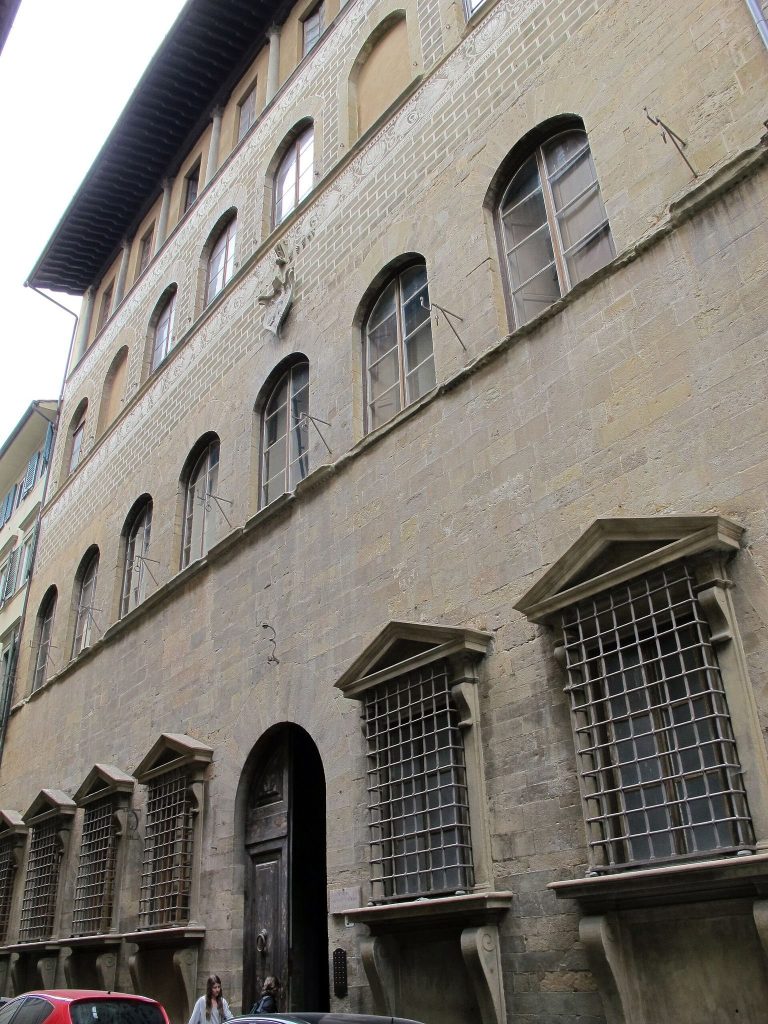
Casa Taddei is a historic building in Florence, Italy, with older origins and sixteenth-century characteristics. Its restrained Mannerist features reflect Mannerism, a late Renaissance style of art and architecture.
Origins and the Alessandri family
Although the building has older origins, its rooms later served as accommodation for people working for the Alessandri family. This use may have been connected with plans to expand the family’s nearby palace.
Riguccio Galluzzi and Carlo Londi
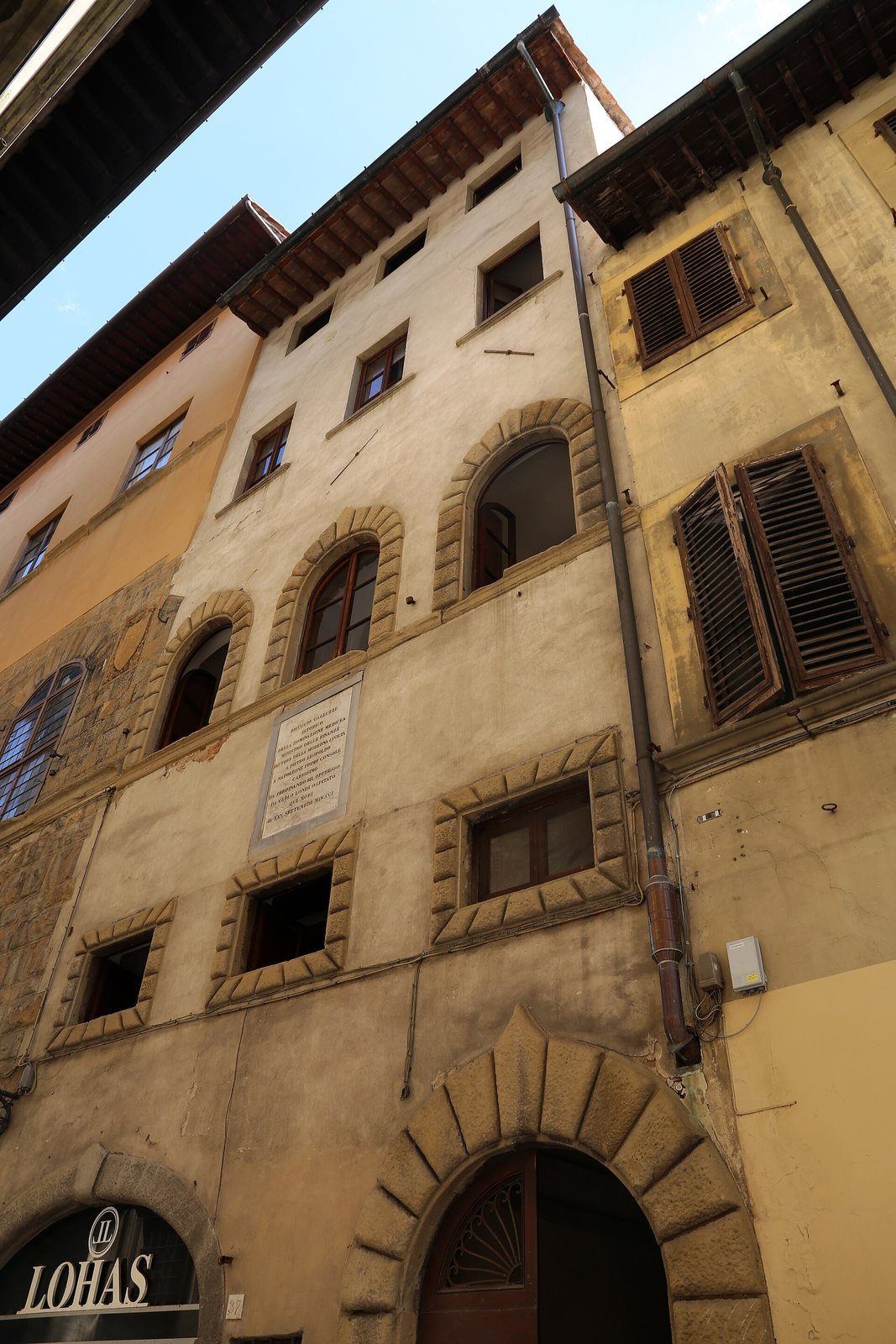
Riguccio Galluzzi died at Casa Taddei on 25 September 1801, when the property belonged to Carlo Londi. Galluzzi had written a history of Tuscany under Medici rule at the direction of Grand Duke Leopold I, also known as Pietro Leopoldo, who ruled Tuscany.
Girolamo Pagliano and later changes
The entrepreneur Girolamo Pagliano, who invented a medicinal syrup, later acquired the premises. In 1905, they were connected internally to his palace on Via de’ Pandolfini, expanding the workspaces of the factory where the syrup was made. Casa Taddei has been under architectural protection since 1963, and its ground-floor rooms were restored between 1994 and 1995.
Remains
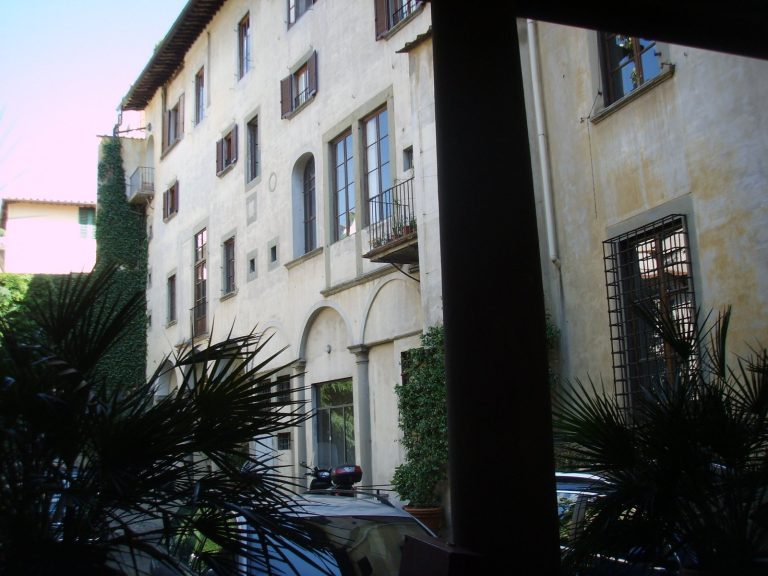
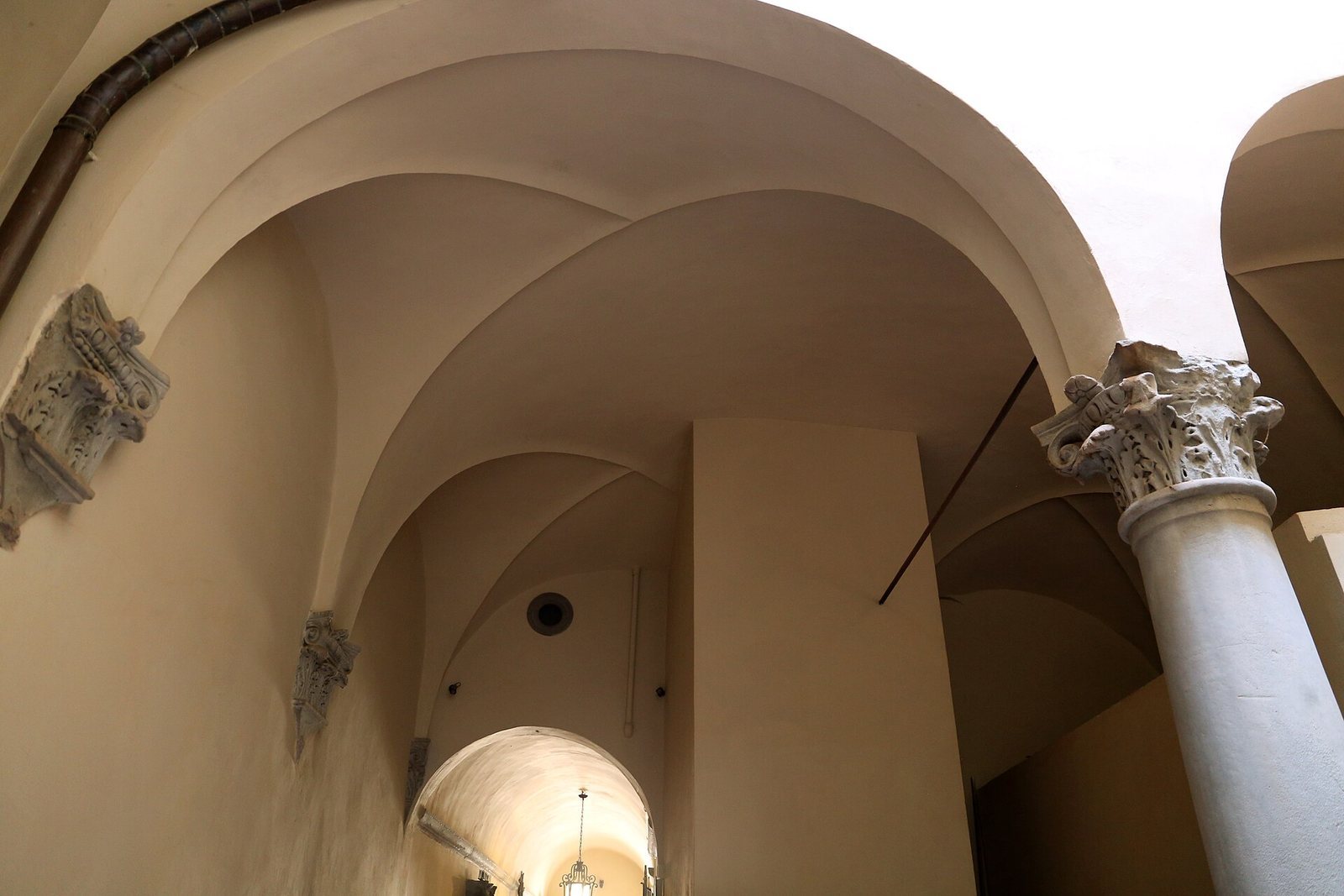
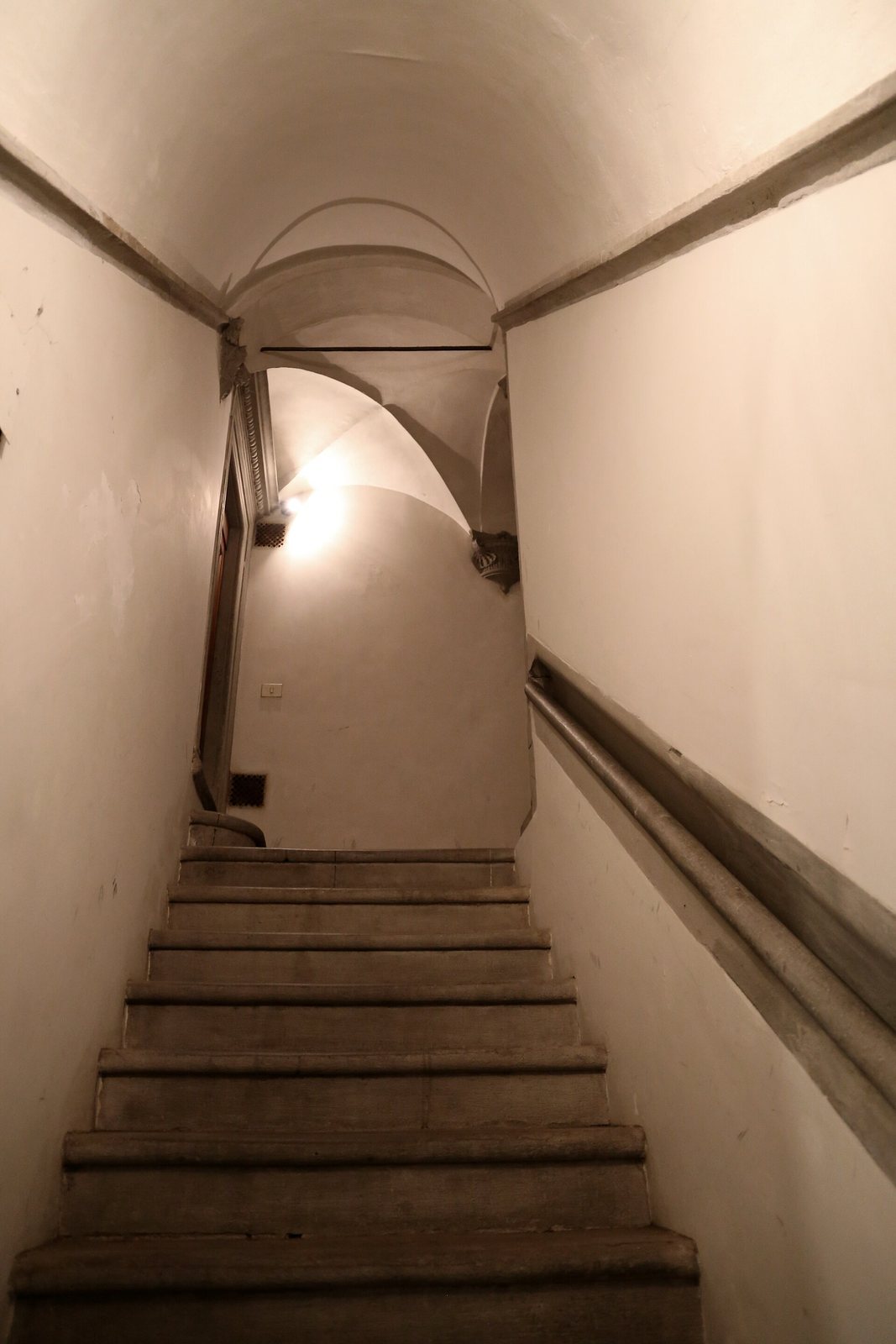
Casa Taddei and the connected Palazzo Niccolini preserve features from several periods, including the layout of an older courtyard house, a late-fifteenth-century courtyard, and later architectural alterations.
Façade
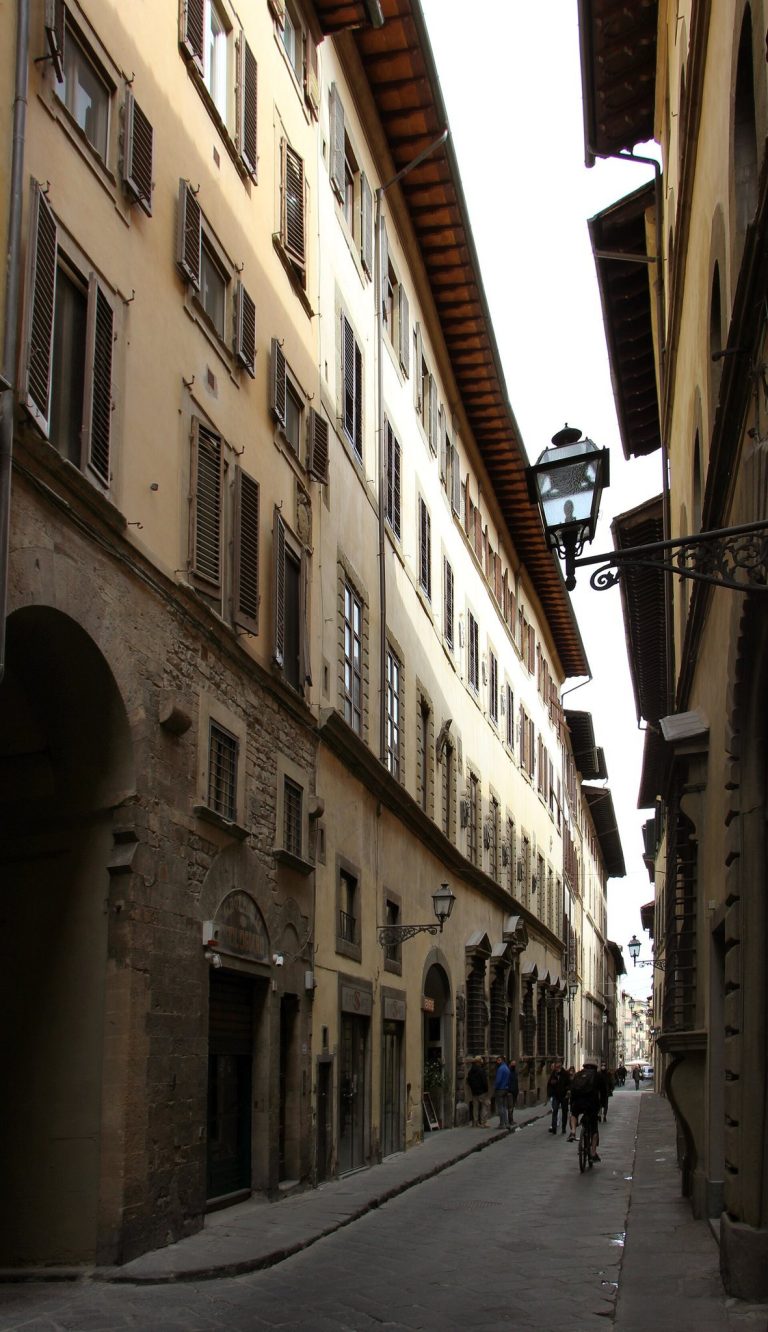
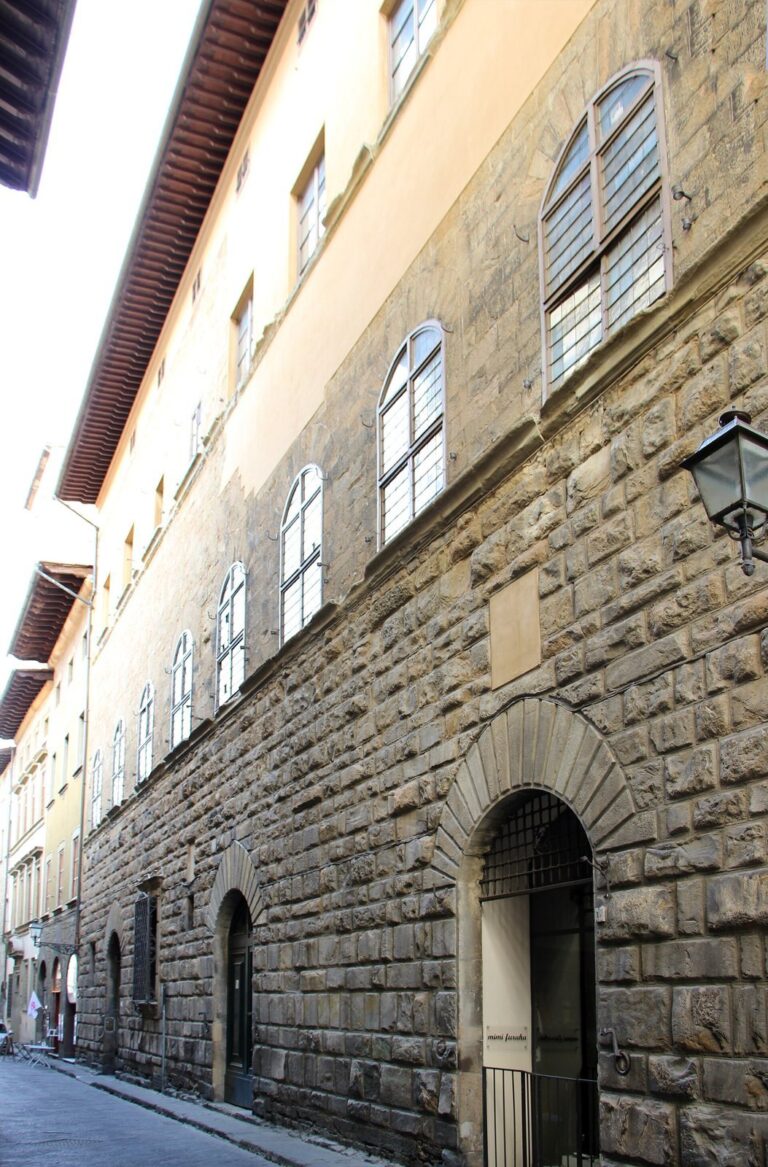
The façade has a restrained Mannerist composition, with relatively small windows and a modest main doorway. Cushion-shaped rustication, masonry with raised, rounded faces, frames these openings without overwhelming the balanced design. A small wine-selling opening, an aperture once used to sell wine, is also set into the front. A commemorative inscription names Galluzzi as a minister of finance and praises his support for modern civilization under Pietro Leopoldo. It describes him as especially esteemed by Napoleon, then First Consul and head of the French government from 1799 to 1804, and as oppressed by Ferdinand III, another Grand Duke of Tuscany. The inscription also says that Carlo Londi hosted Galluzzi at the house.
Courtyard and ground-floor rooms
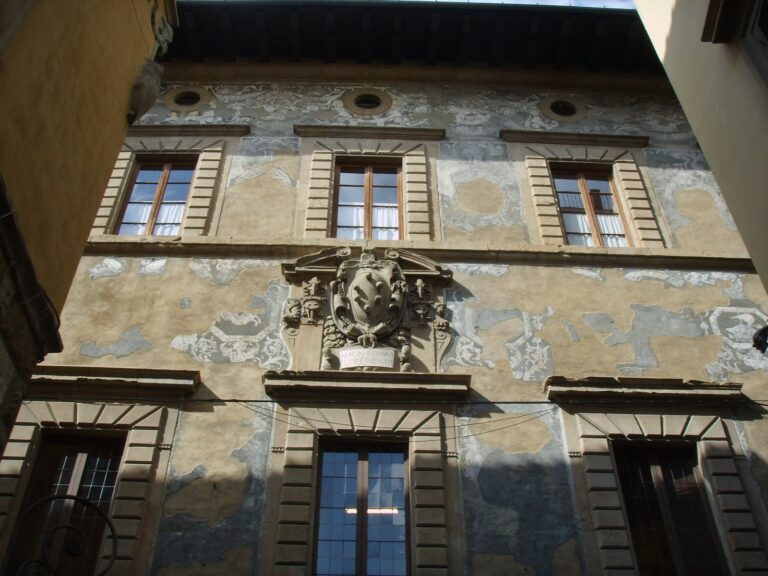
The interior courtyard dates to the late fifteenth century and is covered by a large skylight associated with the 1905 connection to Pagliano’s palace. It contains the coat of arms of the Florentine merchants’ guild, a trade association representing merchants and regulating commercial activity; the emblem may date to the period of the house’s use by the Alessandri family. To the left of the main entrance, ground-floor rooms now used commercially extend far back into the building. Their layout derives from a medieval merchant’s courtyard house, with business and living spaces arranged around a court.
Palazzo Niccolini
The connected building at 14 Via de’ Pandolfini is known as Palazzo Niccolini. It was extensively remodelled in the eighteenth century, and its large doorway with stone rustication is its only surviving sixteenth-century feature. An inscription in the entrance hall recalls Pagliano’s residence there, his death in 1881, and the workshops where his syrup was made. A wine-selling opening in the palace façade is blocked.