Fort of Pessegueiro Island: A Coastal-Defense Fort in Portugal
Site at a Glance
- Popularity
- Medium
- Country
- Portugal
- Primary era
- Early Modern
- Eras represented
- Early Modern
- Civilizations
- Portuguese
- Site type
- Military
- Remains
- Fort
On this page9 sections
History
From early occupation to Roman fish processing
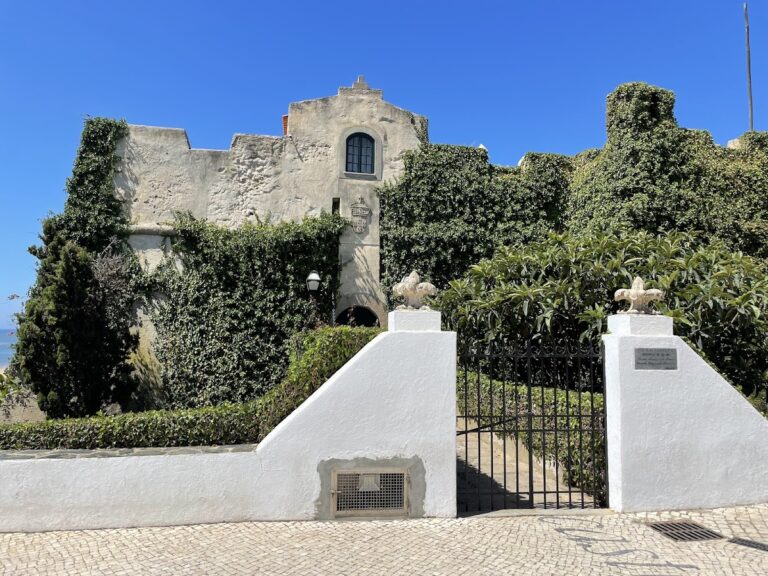
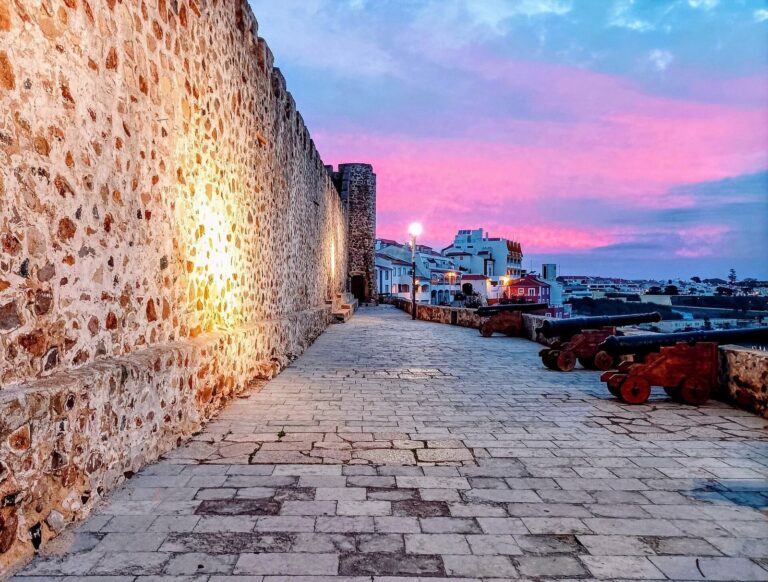
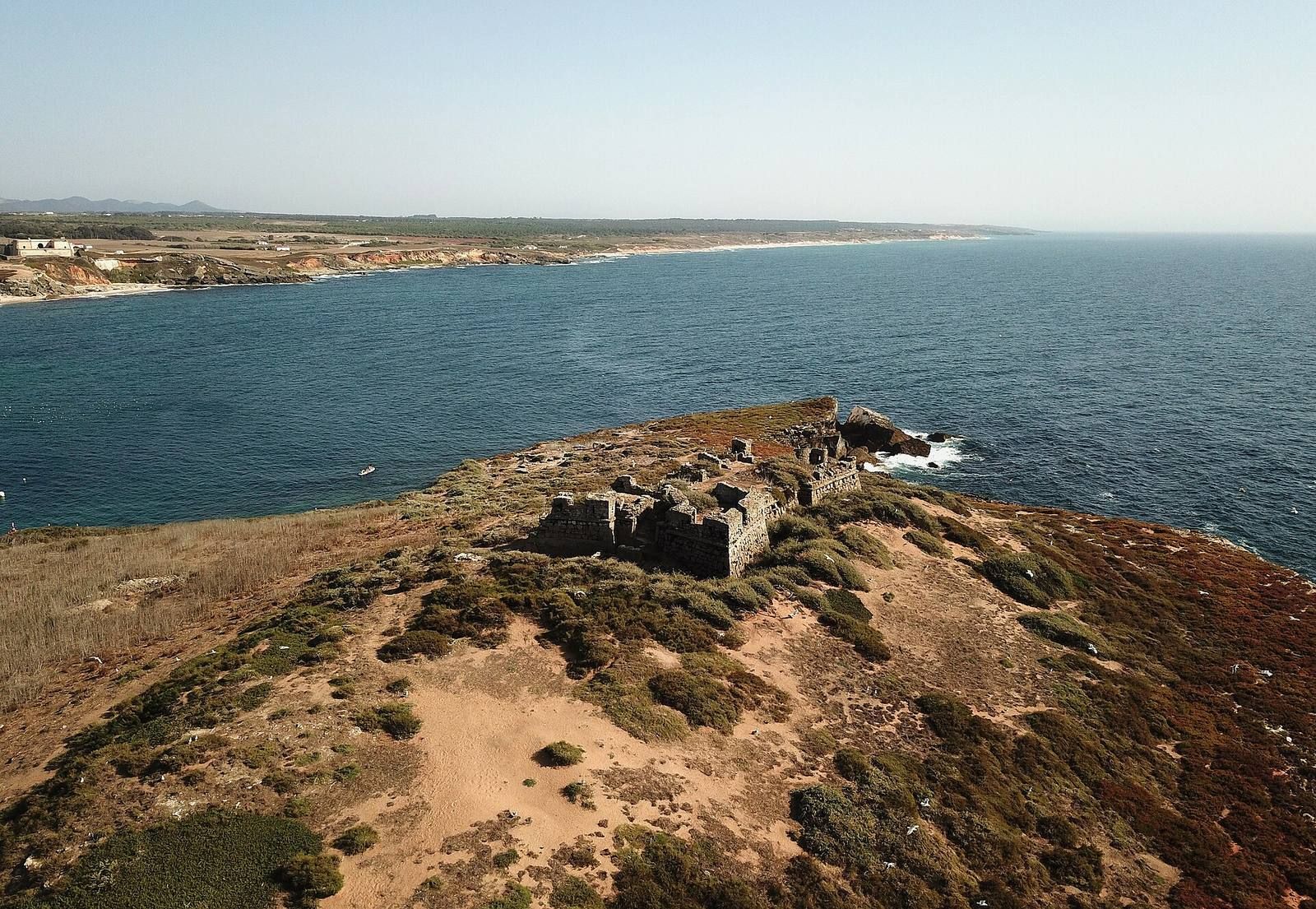
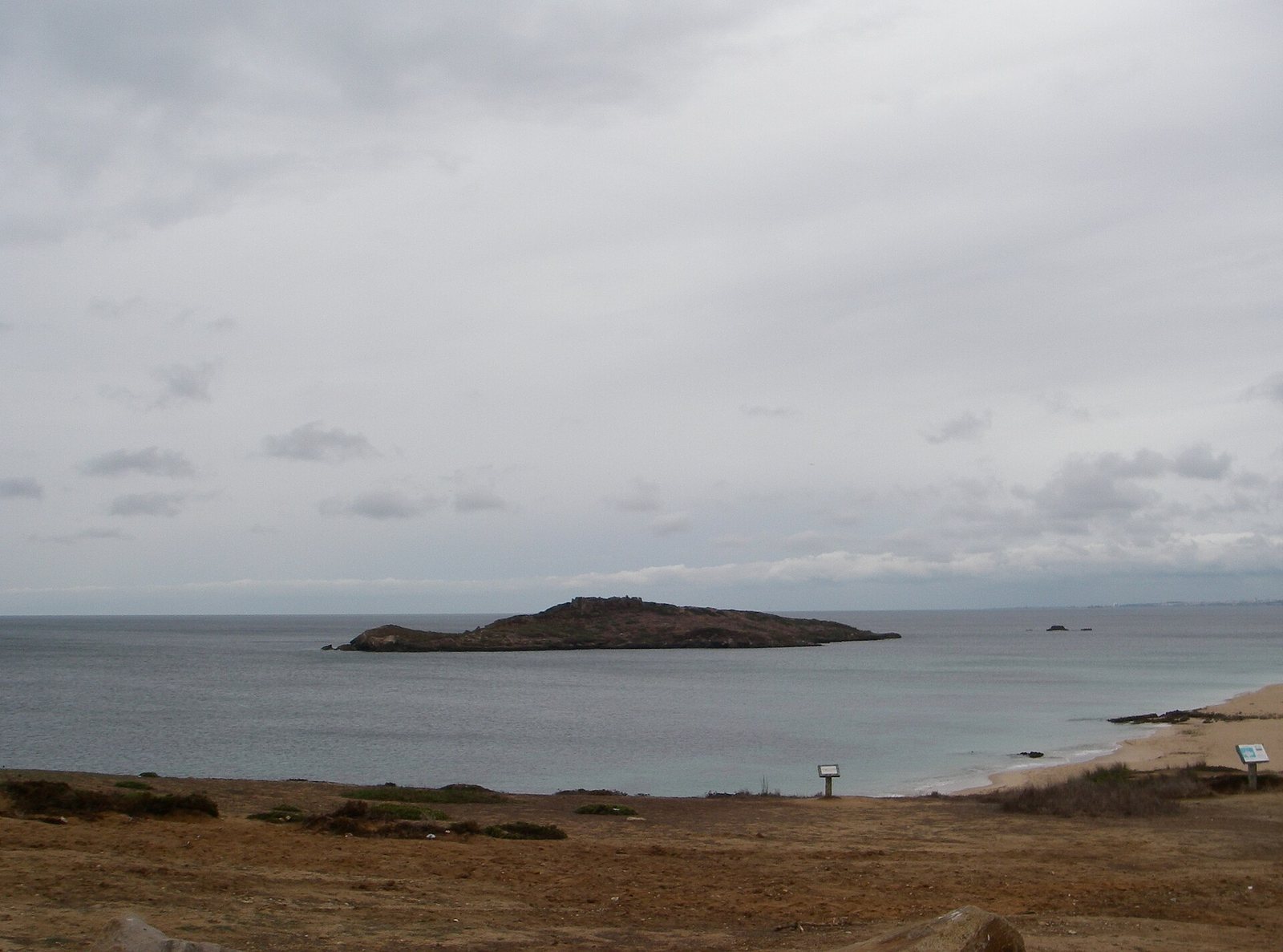
The Fort of Pessegueiro Island is a ruined coastal fort near the island’s centre, about 300 metres off Portugal’s coast. Its construction dates to 1590, as part of a plan to defend the coast and create an artificial harbor linking the island to the mainland. The fort was intended to support a mainland counterpart, with both positioned to direct their fire across the channel.
The island shows evidence of Iron Age activity, and Carthaginians occupied it before the Second Punic War (218–202 BCE), fought between Rome and Carthage. During Rome’s conquest of Hispania, its name for the Iberian Peninsula, the island had a small fish-processing centre. Salted fish from the facility was traded to Rome.
Sixteenth- and seventeenth-century construction
Filipe Terzio, an Italian military engineer, began planning the island fort in 1588 under Cardinal Alberto, the viceroy of Portugal. Construction dates to 1590, the year Alexandre Massai took over from Terzio and started work on the harbor. The coastal defenses were intended to protect against privateers and corsairs, maritime raiders and privateers, from North Africa, France, the Netherlands, and Britain.
Work stopped in 1598 when Massai was transferred to build a fort at Vila Nova de Milfontes. Construction on Pessegueiro Island resumed in 1603 but was interrupted again soon afterward. Work may have continued between 1661 and 1690, but the fort and artificial harbor remained incomplete.
Tradition and later history
A tradition set on the island in the mid-eighteenth century tells of Barbary corsairs from Algeria and Morocco killing a Christian hermit who cared for a chapel dedicated to the Virgin Mary. After looting the chapel and throwing its statue into a fire, the raiders left the hermit dead. People from Porto Covo buried him, then searched for the image and found it unharmed in a burned bush. They carried it to a new chapel on the mainland, about one kilometre away; the chapel became a pilgrimage destination.
The 1755 Lisbon earthquake damaged the fort’s chapel and the gun batteries above its protected chambers. The island and mainland forts have both held Property of Public Interest status since 1957.
Remains
The fort stands north of its mainland counterpart, on an island separated from the coast by a channel. Pessegueiro Island lies within the Southwest Alentejo and Vicentine Coast Natural Park and also serves as a migratory stop and breeding area for marine birds, including gulls, cormorants, and carrion crows; some species are endangered.
Fort and associated remains
The fort and hermitage
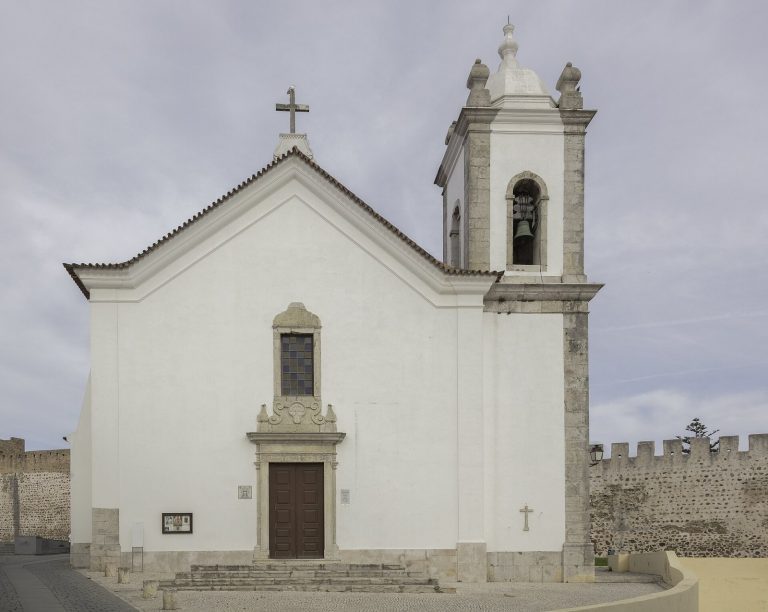
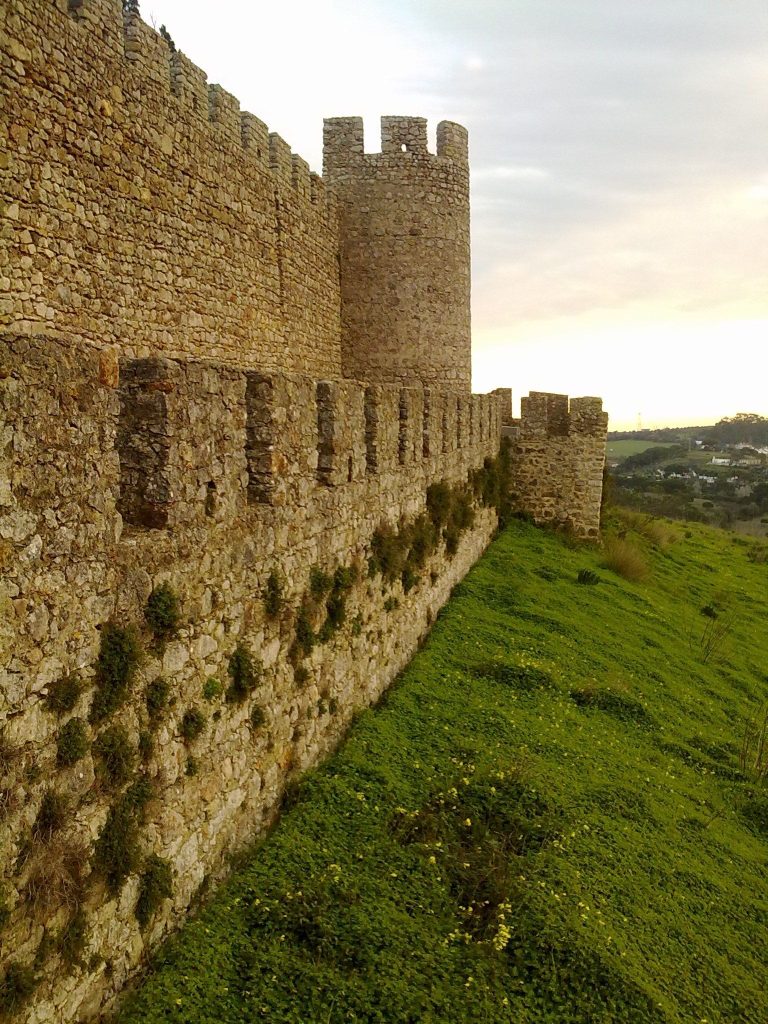
The ruined fort has a star-shaped plan, with four symmetrical triangular bastions, projecting sections designed to defend the walls, around central protected chambers known as casemates. Its stonework is made from carefully cut blocks laid in regular courses. A hermitage dedicated to Saint Albert stands opposite the main entrance.
Planned harbor works
The harbor scheme included a stone barrier intended to link the island to the rocky outcrop of Penedo do Cavalo, then connect the outcrop to the mainland. Large blocks cut from the island’s rock remain visible on land and beneath nearby waters.
Roman fish-processing tanks
Salt-processing tanks along the island’s southern coast belong to its early Roman occupation. They were used to process fish, including the salted product traded to Rome.