Cabo de Rama: A Medieval Hillfort and Portuguese-Era Fort in Goa, India
Site at a Glance
- Popularity
- High
- Country
- India
- Primary era
- Early Modern
- Eras represented
- Medieval, Early Modern
- Civilizations
- Portuguese
- Site type
- Military
- Remains
- Fort
On this page6 sections
History
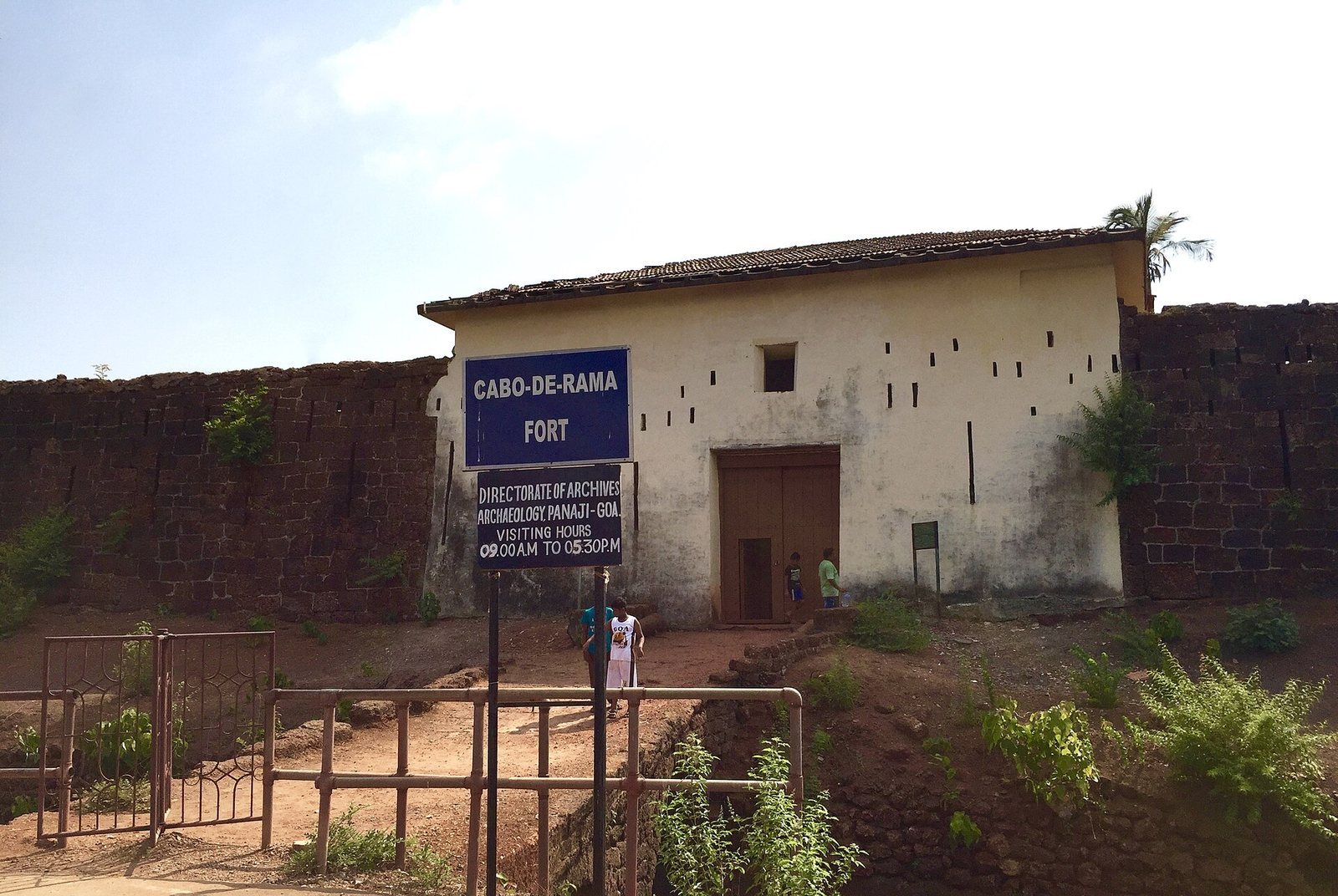
Cabo de Rama is a medieval hillfort in Khola village, on the coast of Canacona, Goa, India. Before Portuguese control, it passed repeatedly between Hindu and Muslim rulers.
Portuguese control and later use
In the 1760s, the Raja of Soonda, a South Asian title for a ruler or prince, surrendered the territory to the Portuguese in return for protection from Hyder Ali, ruler of Mysore in southern India. The Portuguese equipped the fort with 21 guns and installed barracks, a commander’s quarters, and a chapel.
The Fourth Anglo-Mysore War, part of the conflicts between Mysore and the British and their allies, ended in 1799 with the defeat of the Mysore king. After the Portuguese lost their principal regional rival, the fort’s defensive role later shifted to use as a prison. It housed a government prison until 1955, and its chapel remains in use.
Remains
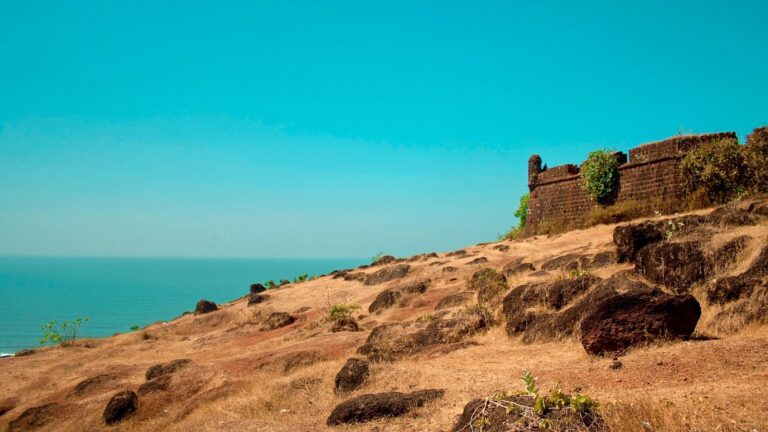
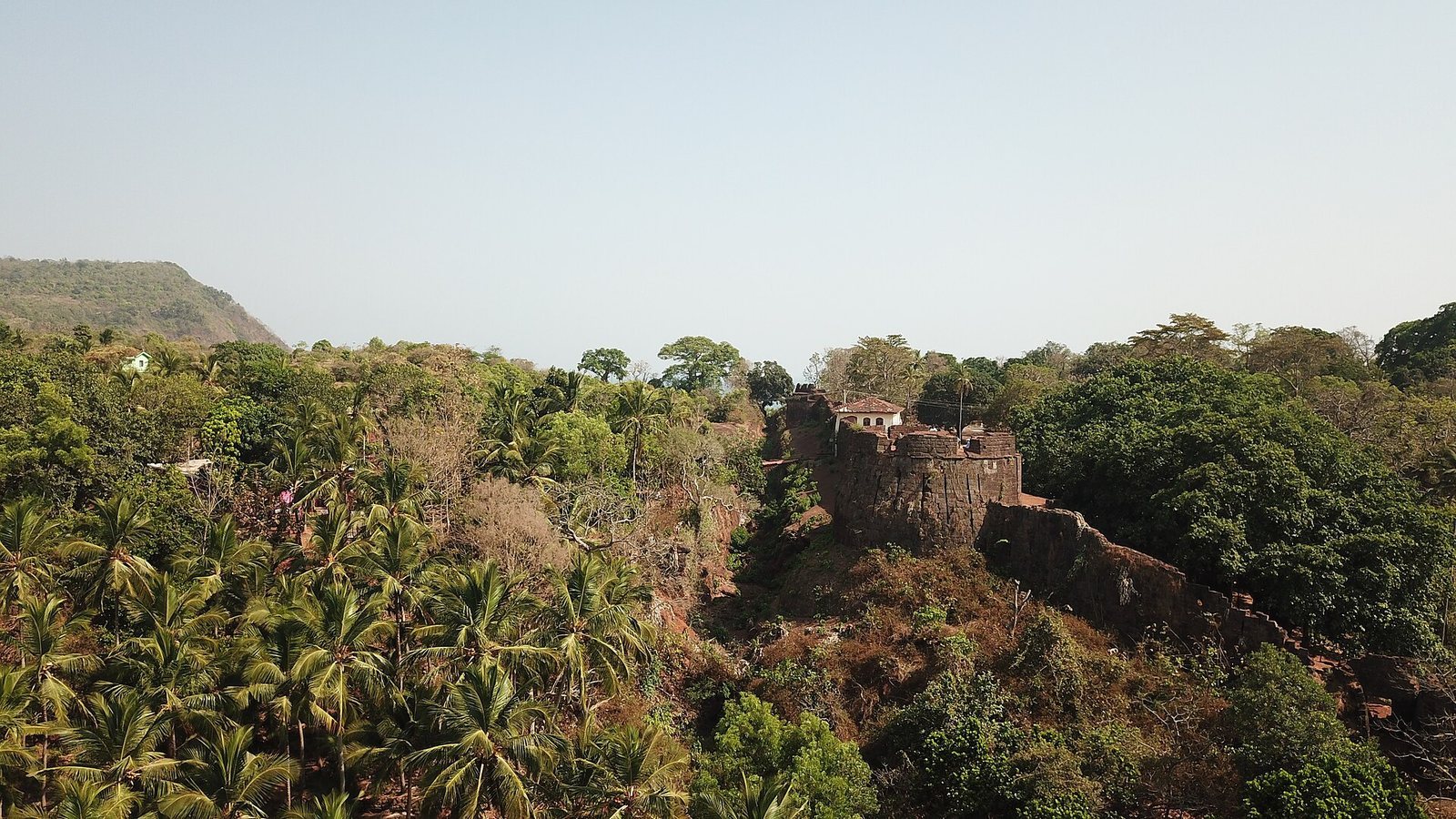
The surviving remains include Portuguese-era defenses and a chapel. The fort stands on the coast of Canacona, where cliffs descend steeply to the sea along its western side. It overlooks the full length of Colva Beach and the Canacona stretch.
Surviving structures
Fortifications
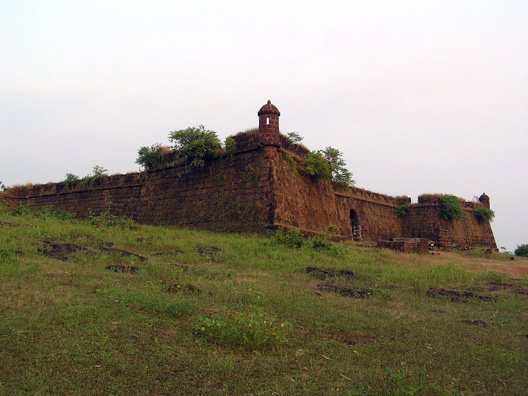
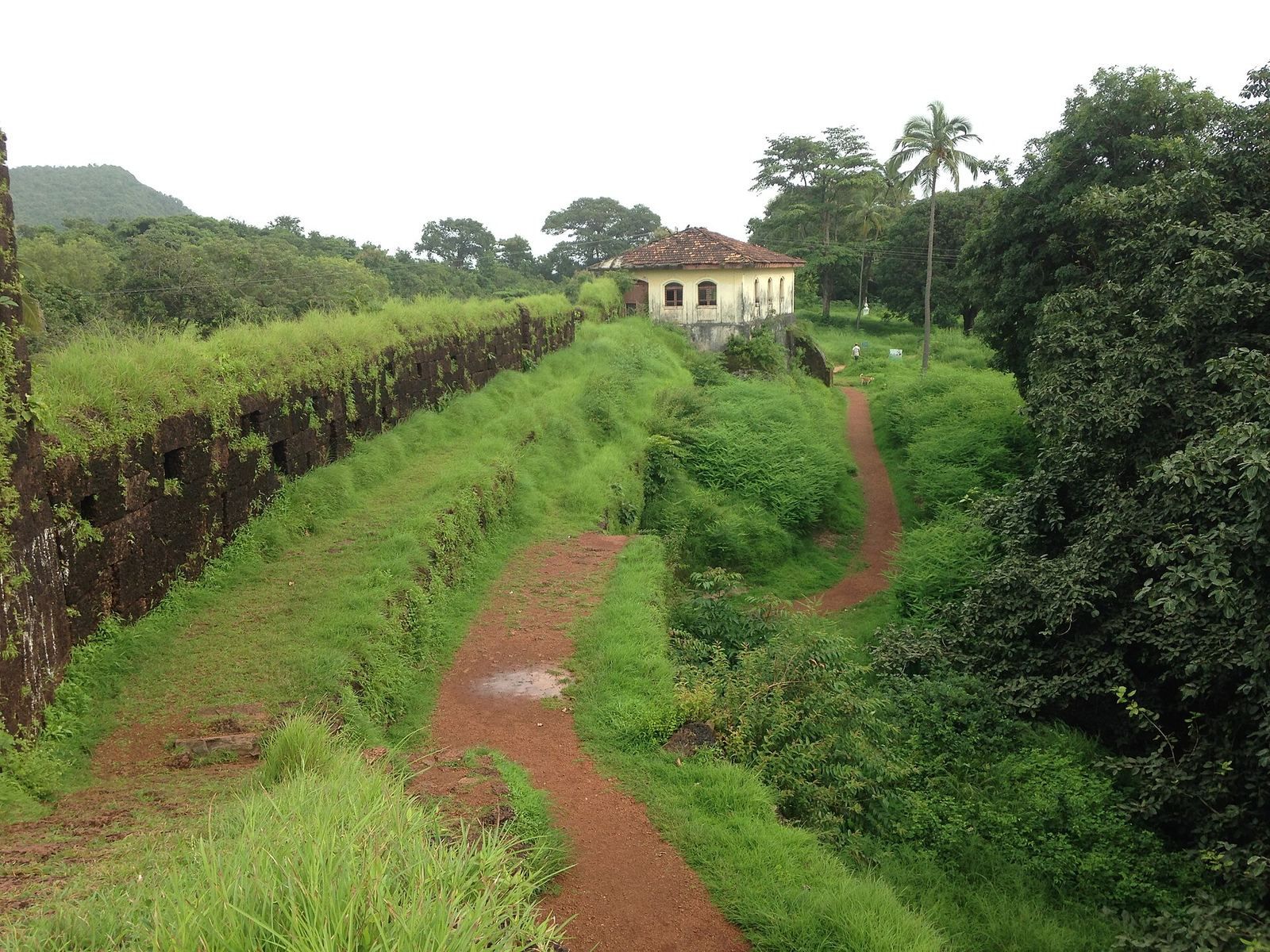
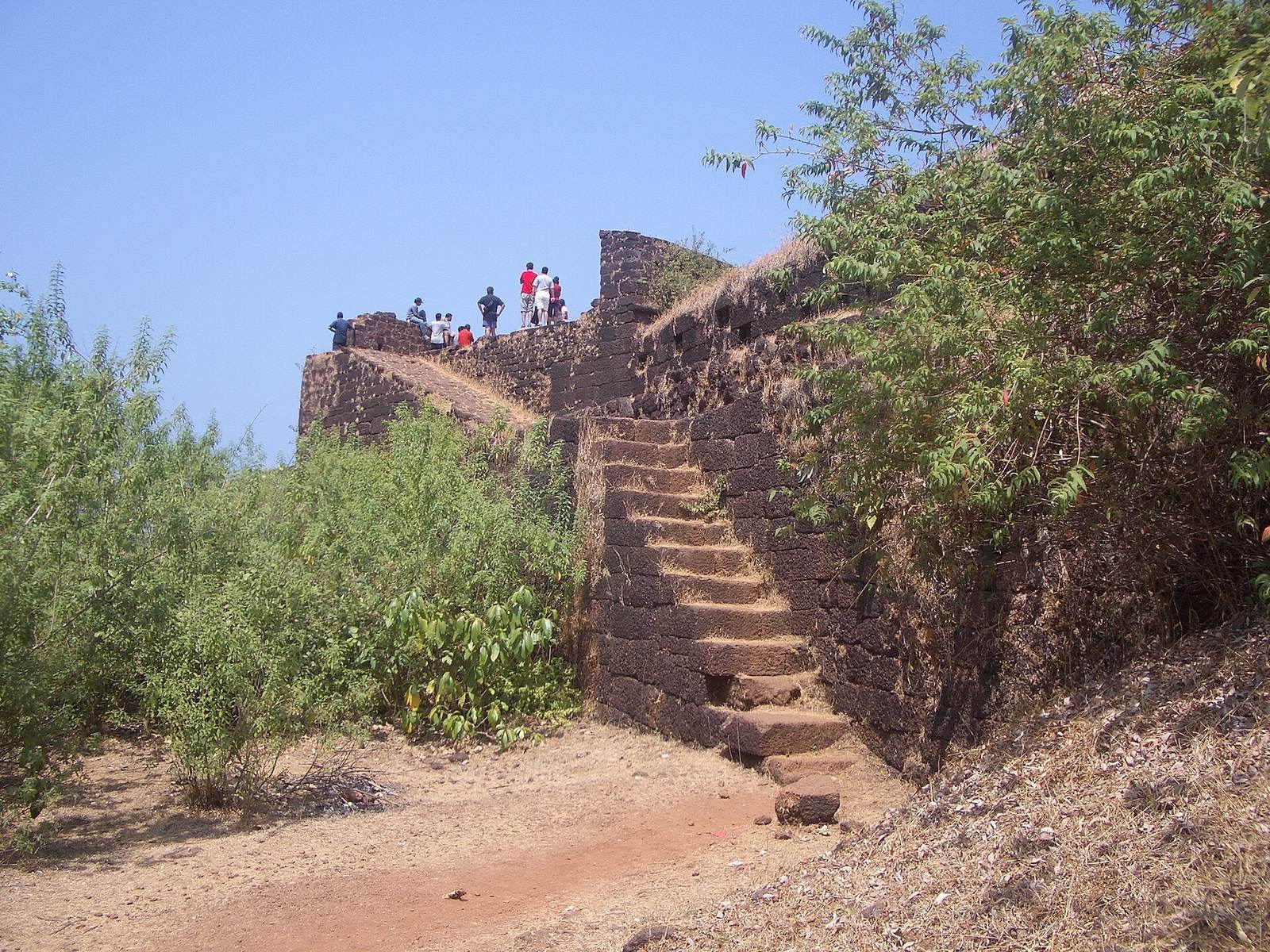
The Portuguese-era defenses include walls, moats, ramparts, and turrets. Cannons also survive within the fort.
Chapel of Saint Anthony
The surviving chapel is the Chapel of Saint Anthony, known as Capela de Santo António.