Cabezo Redondo: A Bronze Age Settlement near Villena, Spain
Site at a Glance
- Rating
- 4.7
- Popularity
- Medium
- Country
- Spain
- Primary era
- Bronze Age
- Eras represented
- Bronze Age
- Civilizations
- Unclassified
- Site type
- Settlement
- Remains
- Town
On this page9 sections
History
Cabezo Redondo is a settlement of the Bronze Age, the prehistoric era when bronze became widely used for tools and other goods, near Villena, Spain. Built in the sixteenth century BC, it probably belonged to the Argaric culture, a society active in southeastern Iberia during the Bronze Age. People lived there from about 1500 to 1100 BC, and the settlement was abandoned in the twelfth century BC.
Regional center and occupation
Cabezo Redondo served as more than a village. It is thought to have drawn people from smaller communities around the ancient Villena Lagoon and supported intensive farming, livestock raising, metalworking, and textile production. Repeated fires led to houses being rebuilt and altered, sometimes changing their size and layout. Combustible materials inside homes, together with fragile walls and roofs, made fires more likely.
The Treasure of Villena was found at Rambla del Panadero, about five kilometres east of Cabezo Redondo, not at the settlement itself. Its date, its resemblance to the Cabezo Redondo treasure, and the vessel in which it was found have prompted the possibility that someone from the settlement concealed it.
Investigation and protection
Juan Vilanova i Piera may have carried out the earliest investigations around 1870. After gold, silver, and copper objects were discovered, José María Soler García began systematic study in 1959. In spring 1963, he uncovered the Cabezo Redondo treasure. By that year, gypsum quarrying had destroyed much of the settlement, and the surviving area became the focus of protection and further study.
More recent excavation and research campaigns have involved the universities of Alicante, Valencia, and Granada, led by archaeologist Mauro S. Hernández Pérez with assistance from Gabriel García Atiénzar and Virginia Barciela. A comprehensive rehabilitation effort began in 2010. In 1968 the site joined Villena’s Historic-Artistic Ensemble, a protected historic area, and was designated land for public use. In 2020 it became an independent Asset of Cultural Interest, Spain’s protected-heritage designation, in the archaeological-zone category.
Remains
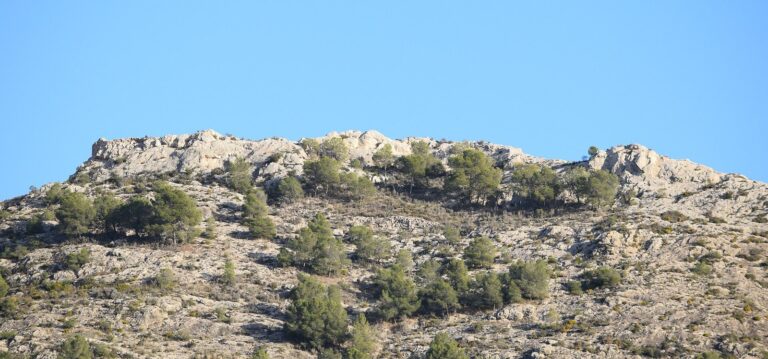
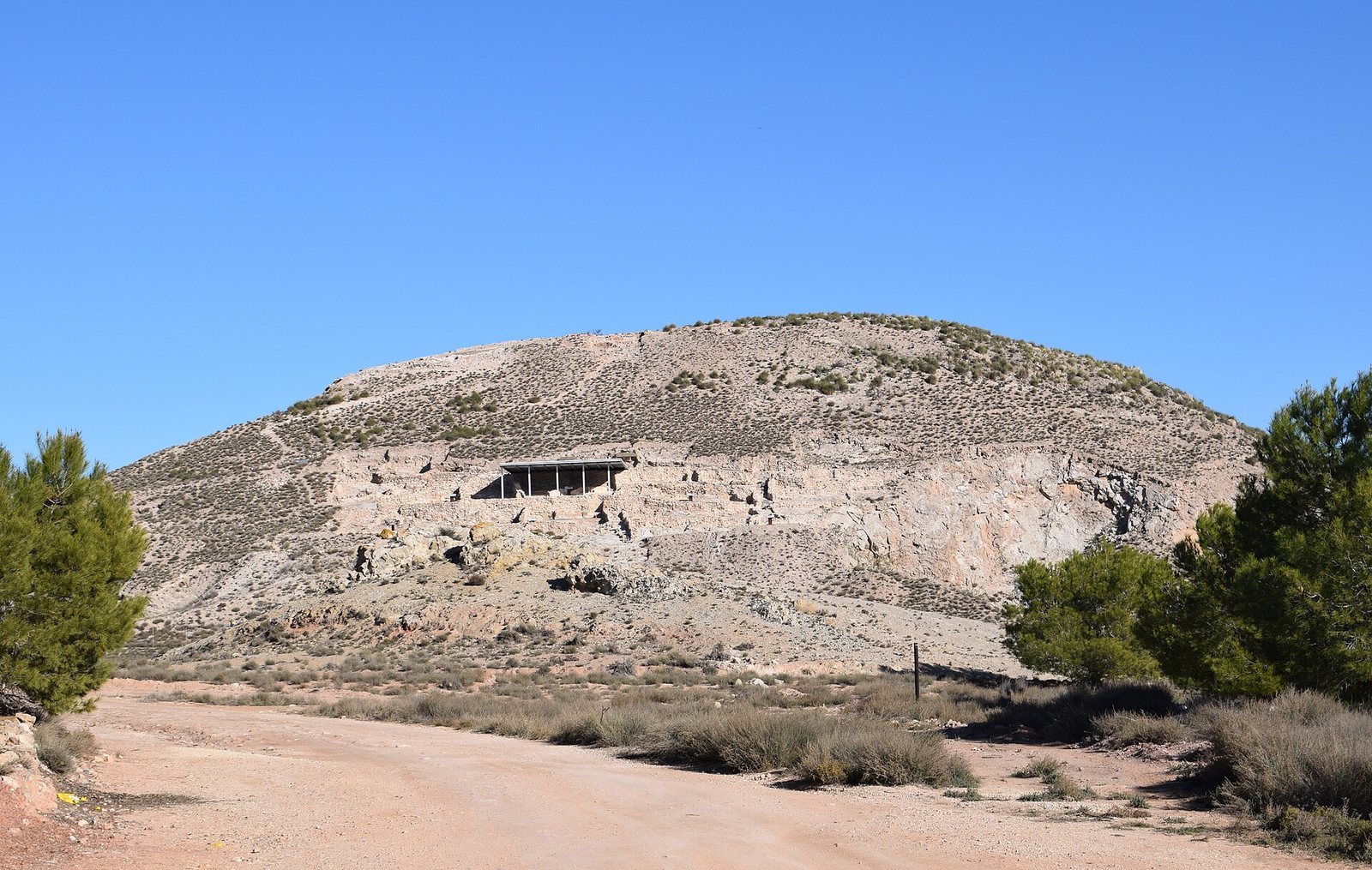
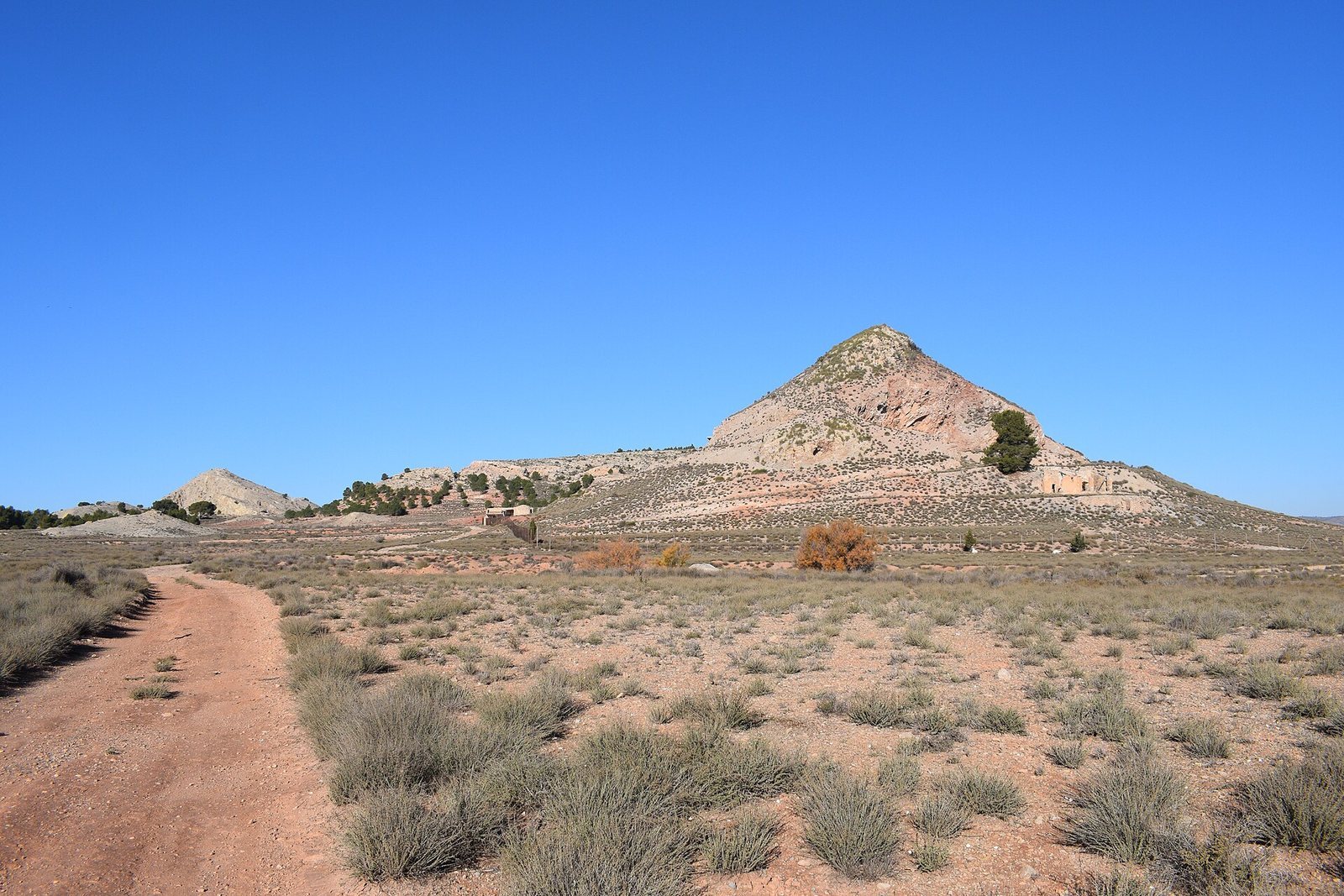
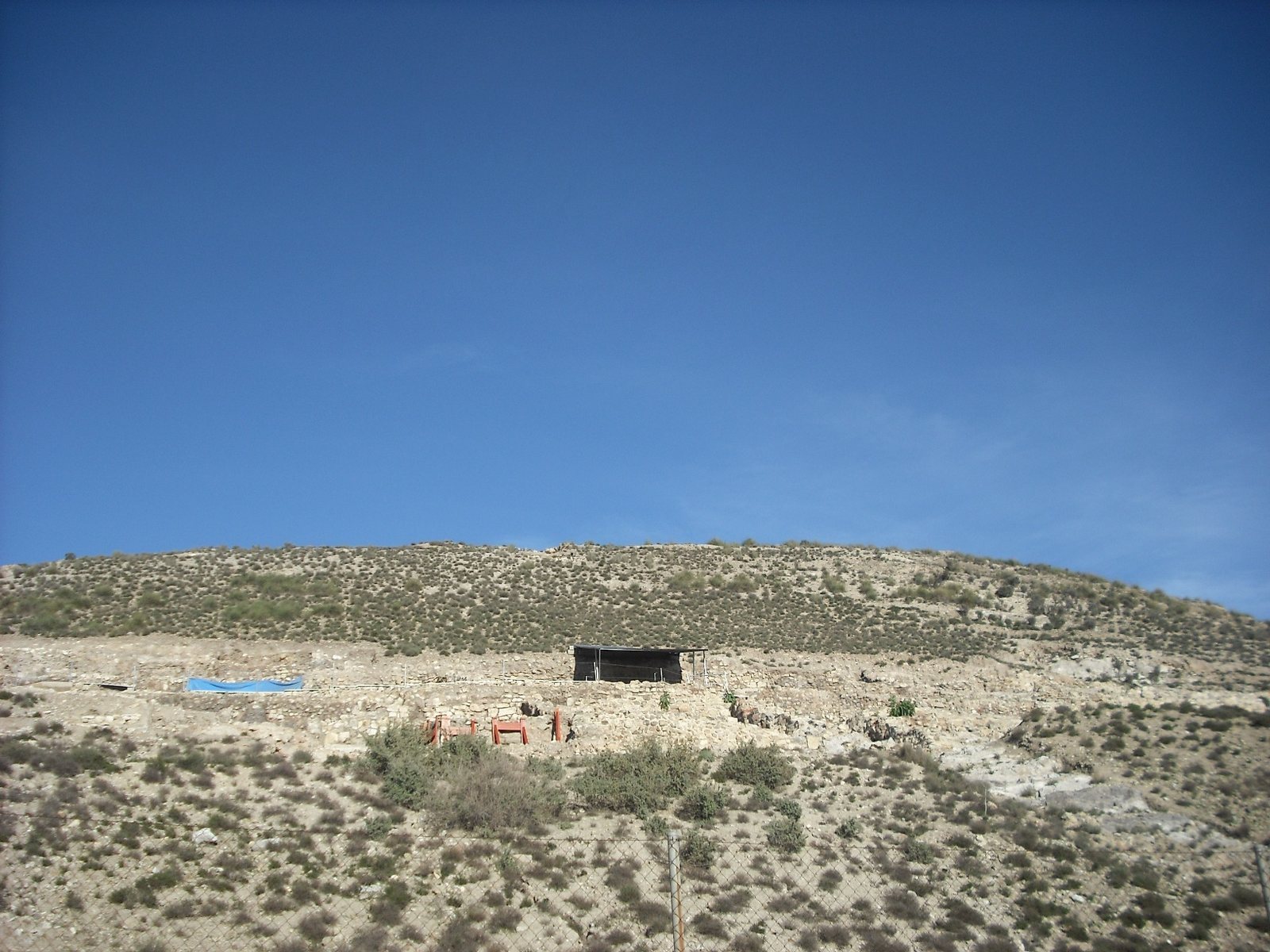
The settlement occupied a hill about two kilometres from Villena and originally spread across the whole hill. Houses stood in adjoining blocks divided by narrow, steep lanes that also carried water. Their flat roofs sloped slightly with the hillside and rested on wooden posts, some of which survive.
Domestic spaces
House walls were commonly coated with red or white plaster. Inside, a bench often stood against one wall, with furnaces for working metal or clay and hearths for cooking nearby. These features give a picture of homes where domestic tasks and craft work took place within the same settlement blocks.
Burials
Burials lay beneath houses and included rich grave goods. The dead were placed in large vessels, in pits sometimes lined with stone, or in small caves.
Finds and textile production
Pottery and personal ornaments
The settlement’s pottery includes finely made vessels, some with complex decoration. Finds also include objects of bone, stone, and metal, such as bronze knives and axes, as well as bronze, gold, and silver ornaments. The Cabezo Redondo treasure consists of 35 personal adornments with a combined weight of 150 grams, including a diadem, rings, bracelets, pendants, necklace beads, spirals, bands, and a small gold ingot. The treasure is held by the Archaeological Museum of Villena.
Weaving equipment
Excavations in 2008 recovered a loom, 48 weights, and fragments of additional weights. These finds indicate the use of upright looms, with weights attached to the lower ends of the vertical threads to keep them taut. A 2026 study used the distribution of the remains and charred timber fragments to reconstruct the form of a loom. Wooden frames and plant-fiber ropes are among the equipment parts that rarely survive, making the reconstruction a source of insight into textile production in the second millennium BC.