Burt Castle: A Sixteenth-Century O’Doherty Stronghold
Site at a Glance
- Popularity
- Medium
- Country
- Ireland
- Primary era
- Early Modern
- Eras represented
- Early Modern
- Civilizations
- Irish
- Site type
- Military
- Remains
- Castle
On this page6 sections
History
Sixteenth-century stronghold
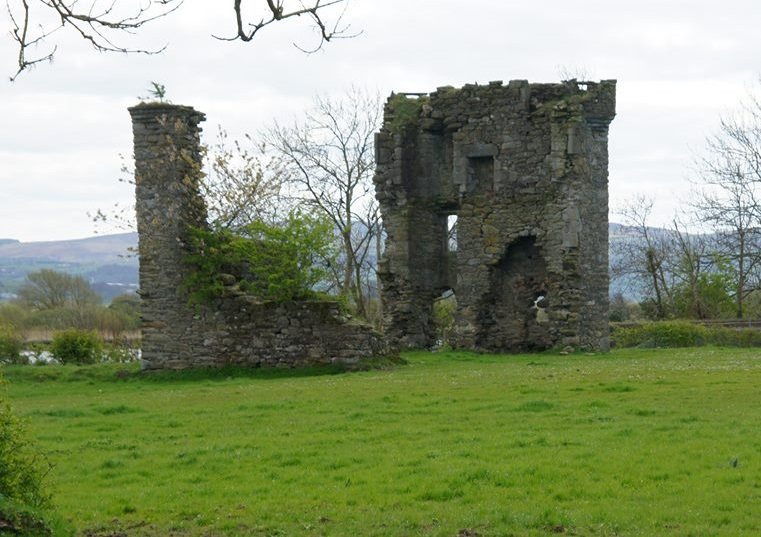
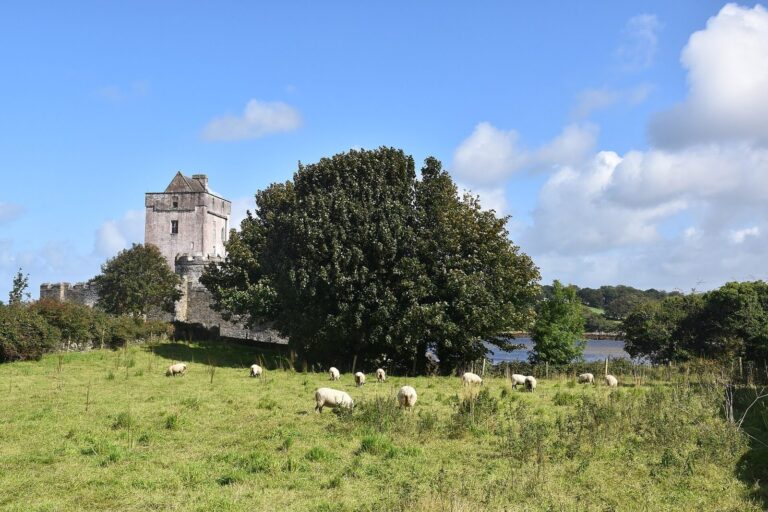
Burt Castle is a ruined sixteenth-century stronghold near Burt and Newtowncunningham in County Donegal, Ireland. Built during the reign of Henry VIII, king of England from 1509 to 1547, it served the O’Doherty family and guarded the southern edge of their Inishowen lordship.
The succession of 1600
During a disputed succession in 1600, Derry’s governor, Sir Henry Docwra, backed fifteen-year-old Cahir O’Doherty as the successful candidate. Cahir, a Gaelic Irish lord, sought release from the overlordship of Red Hugh O’Donnell, ruler of Tyrconnell. He fought for the Crown in the Nine Years’ War, a conflict between the Crown and Irish forces in the late sixteenth and early seventeenth centuries, and was knighted for his bravery.
The castle’s strategic position allowed Docwra to bring in supplies and launch an offensive against O’Donnell. A garrison of 100 men, commanded by Captain John Vaughan, was stationed there.
O’Doherty’s Rebellion
Cahir remained loyal to the Crown after the Nine Years’ War, but rebelled in 1608 after a dispute with Derry’s new governor and made the castle his headquarters. The Burning of Derry in April that year triggered the rising. Dublin authorities sent troops into Cahir’s Inishowen heartland. After a siege, they captured the castle and freed prisoners taken at Derry who were held there. Cahir was killed shortly afterward at the Battle of Kilmacrennan, and the rebellion collapsed.
The Williamite War
A skirmish at the castle took place during the Williamite War, a conflict in Ireland over the Crown between supporters of William III and Jacobite supporters of James II. Jacobite forces fought troops under the overall command of General Percy Kirke, who served William III.
Remains
The ruined castle follows a Z-plan influenced by contemporary Scottish fortifications. This layout has a central block with towers projecting from diagonally opposite corners, forming a Z-shaped outline. The design also anticipated the style of buildings constructed during the following century’s Ulster Plantation, the settlement of parts of Ulster by English and Scottish settlers in the early seventeenth century.