Burg Neidstein: A Medieval Hilltop Castle Ruin in Germany
Site at a Glance
- Rating
- 4.2
- Popularity
- Very Low
- Country
- Germany
- Primary era
- Medieval
- External website
- Open
- Eras represented
- Medieval
- Civilizations
- Holy Roman Empire
- Site type
- Domestic
- Remains
- Castle
On this page10 sections
History
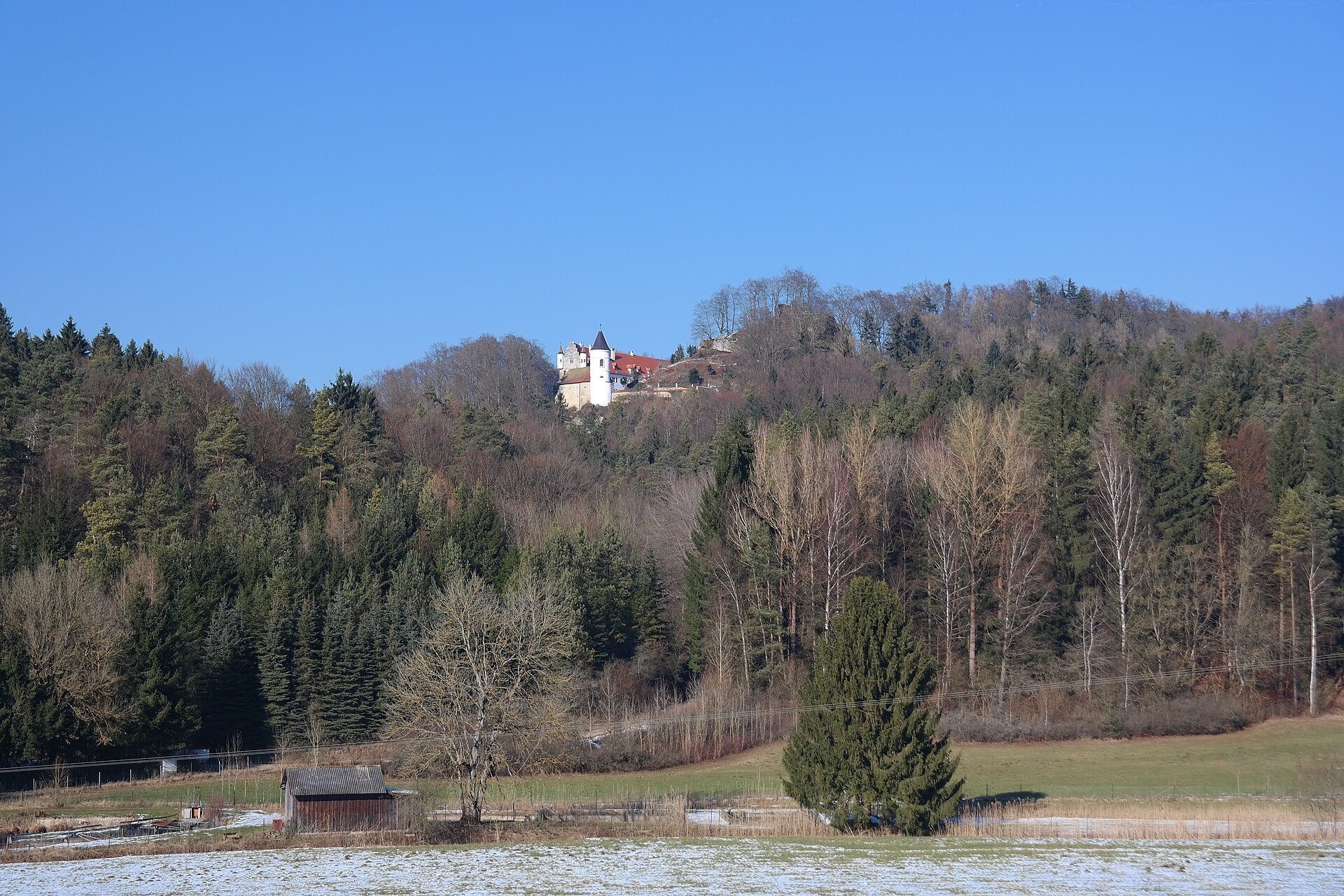
Burg Neidstein is a medieval hilltop castle ruin in Germany, located in the municipality of Etzelwang. It was probably founded around 1100 by the Lords of Neidstein, although the monument is dated more broadly to around 1050. The castle occupied a summit position on the Schlossberg and formed the medieval predecessor to the later Schloss Neidstein.
Medieval Origins and Lordly Administration
Neipert Nitstein was recorded in 1119 as a ministerial of the Counts of Sulzbach. A ministerial was a member of the medieval service nobility who performed administrative or military duties for a ruler or noble lord. Rupertus de Nietstein appears in records from 1240 and 1243 as an imperial ministerial, serving under imperial authority.
After the Neidstein family died out at the end of the thirteenth century, the castle passed through several changes of ownership. It came into the possession of Ludwig the Bavarian in 1326. Ludwig belonged to the Wittelsbach dynasty, Bavaria’s ruling house, and was Holy Roman Emperor from 1328 to 1347.
Destruction and Replacement
Following further pledges of the castle to different noble families, Duke Ludwig pledged it to Hans von Brandt on 10 February 1466. The castle was destroyed in 1504 by Duke Albrecht of Bavaria during the Landshut War of the Succession, a conflict over the inheritance of the Duchy of Bavaria-Landshut that took place in 1503 and 1504.
Jobst von Brandt then built the new Schloss Neidstein, completed in 1513. The palace was constructed partly over the medieval lower castle, linking the later residence physically with the earlier fortified site.
Protection and Archaeological Record
Burg Neidstein and Schloss Neidstein are protected architectural monuments. Archaeological remains from the Middle Ages and the early modern period in the area of the castle and palace are also protected as an archaeological monument.
Remains
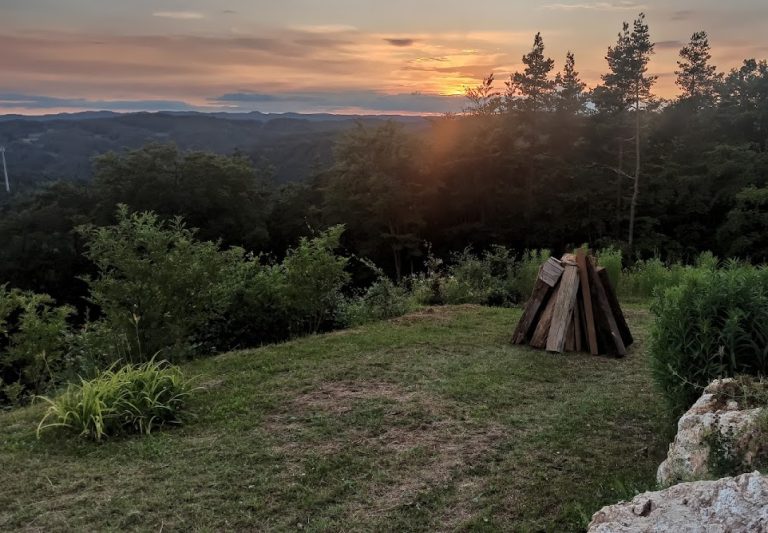
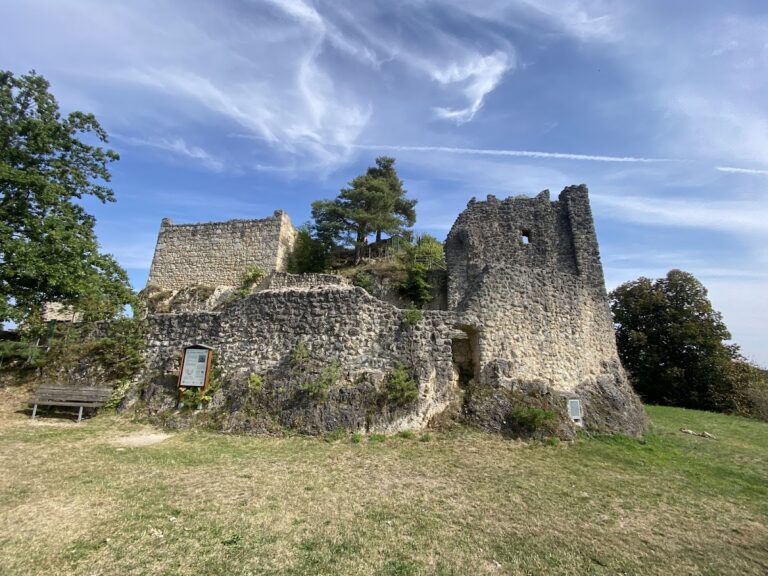
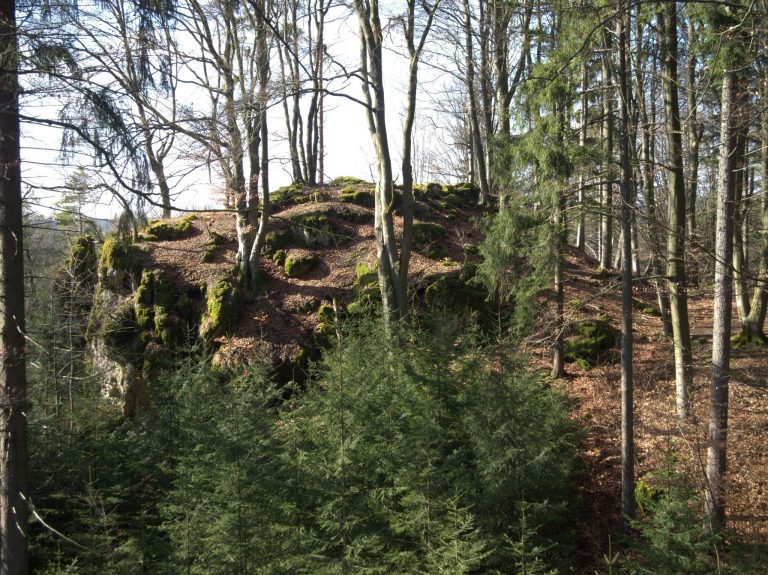
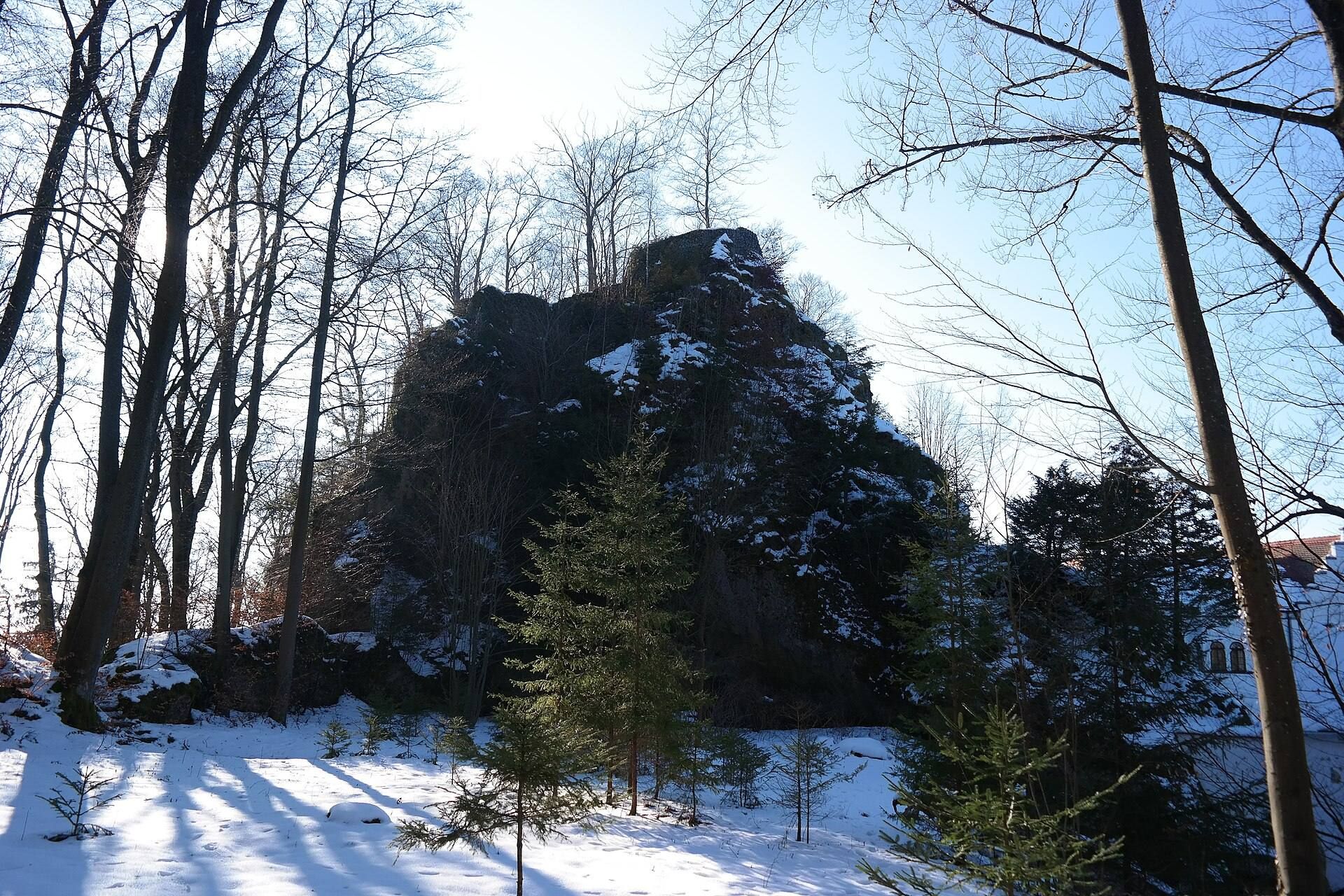
The remains occupy the Schlossberg at 527.5 metres above sea level, immediately behind Schloss Neidstein, south of Tabernackel. The former castle stood in a summit position, and only a few ruins of its complex survive. The adjoining palace occupies part of the medieval lower castle and preserves a group of buildings from the sixteenth century onward, together with later additions.
Palace Core and Associated Buildings
Schloss Neidstein
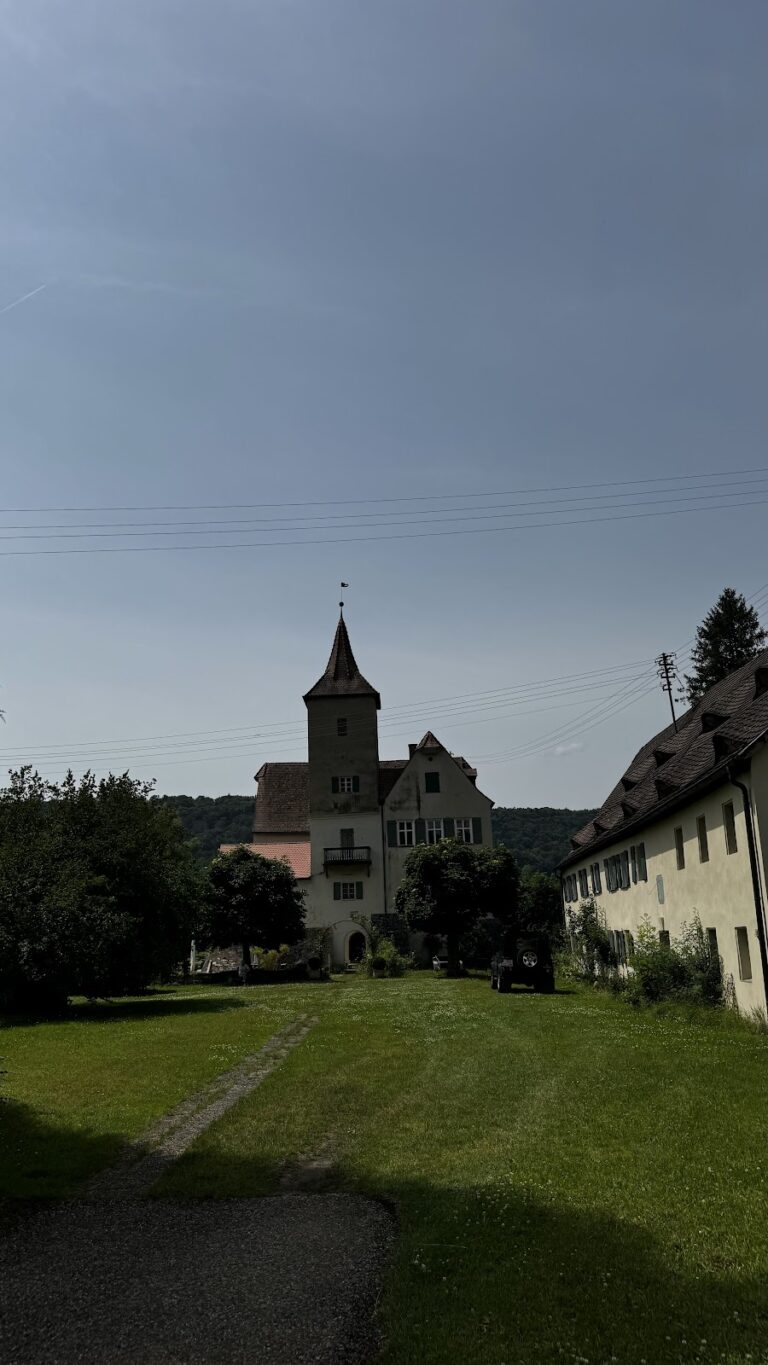
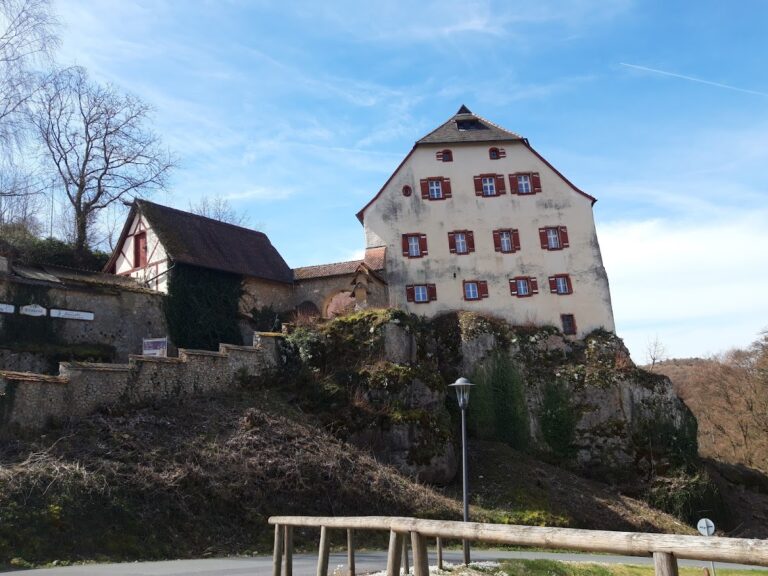
The core of Schloss Neidstein dates to around 1513. It is an elongated, slightly angled, two-storey plastered masonry building with a gabled roof and stepped gables. The so-called Sweden Building is attached to its northeast side. The palace complex also contains a two-winged gate structure with a projecting enclosed window bay, oriel, and stepped gable, alongside a one-storey, slightly angled ancillary building with a gabled roof and half-timbered gable.
Round Tower and Later Extensions
A round tower with a conical roof dates from 1634. Historicizing alterations, which imitate earlier architectural styles, and a southern extension with two small polygonal corner oriels were added between 1855 and 1860. Further alterations followed in the early twentieth century.
Gate Building and Castle Wall
A separate one-storey plastered masonry gate building with a hipped roof dates to the middle of the eighteenth century. The castle wall, which is partly formed with recessed blind niches, is described as contemporary with this gate building. A blind niche is a recessed wall panel that does not open into the interior. The wall also contains a built-in inscription stone dated 1513.
Box Building
The Box Building is a separate two-storey plastered masonry structure with a high gabled roof and openings in its gable. Its construction dates to the sixteenth or seventeenth century.