Bulgarian Volunteers Memorial Chapel in Chișinău: An Orthodox War Memorial
Site at a Glance
- Popularity
- Very Low
- Country
- Moldova
- Primary era
- Modern
- Eras represented
- Modern
- Civilizations
- Russian
- Site type
- Religious
- Remains
- Chapel
On this page11 sections
History
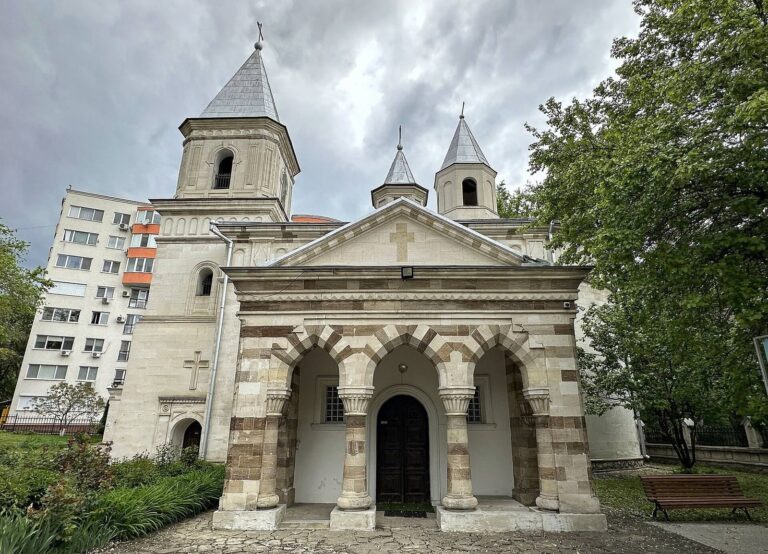
The Bulgarian Volunteers Memorial Chapel in Chișinău, Moldova, is an Orthodox chapel commissioned in 1882 by Emperor Alexander II of the Russian Empire. Its design blends Russian, Neoclassical, and Bulgarian architectural elements. Built to commemorate Russia’s victory in the Russo-Turkish War of 1877–1878, it formed part of a four-building Invalids’ Home, an institution for veterans disabled in war.
War commemoration and foundation
The Russo-Turkish War was fought between the Russian and Ottoman empires. Bulgarian volunteers fought alongside Russian forces in the campaign to end Ottoman rule in Bulgaria. Their organized volunteer corps formed in late 1876 and took part in the advance on Pleven, now in Bulgaria and a major focus of the fighting.
The chapel stands on a former racetrack where Russian troops and Bulgarian and Moldovan volunteers assembled for a military review on 25 April 1877. About 8,000 combatants took part before departing for the Balkans. A local landowner donated 20 hectares for the Invalids’ Home project, and Chișinău municipal architect Leopold Szejdewandt designed the chapel.
Archbishop Pavel of Chișinău and Khotin consecrated the chapel and the Invalids’ Home in 1882. The chapel was dedicated to Saint Alexander Nevsky, a medieval Rus prince and military leader venerated as an Orthodox saint, who was regarded as Alexander II’s heavenly patron.
Changes of use
After the revolutions of 1917, local authorities converted the landscaped square beside the chapel into an airfield, later used by the Red Army Air Force. In 1934, some members of the city council proposed turning the Invalids’ Home into a general shelter for older people.
During the interwar period, the chapel stopped being used for worship. It served first as an airport warehouse and later as a pay office for airport employees. The building was eventually abandoned, and demolition was considered in the 1960s. Following an appeal from local residents, I.I. Bodiul, then the leading Communist Party official in Soviet Moldavia, ordered its restoration and conversion into a memorial museum.
The Bulgarian Volunteers Memorial Museum opened in 1969 as a branch of the History Museum of the Moldavian SSR. The chapel returned to the Moldovan Orthodox Church in the early 1990s and resumed religious services. After the museum branch closed during that decade, its exhibits were transferred to the History Museum.
Return to worship and present status
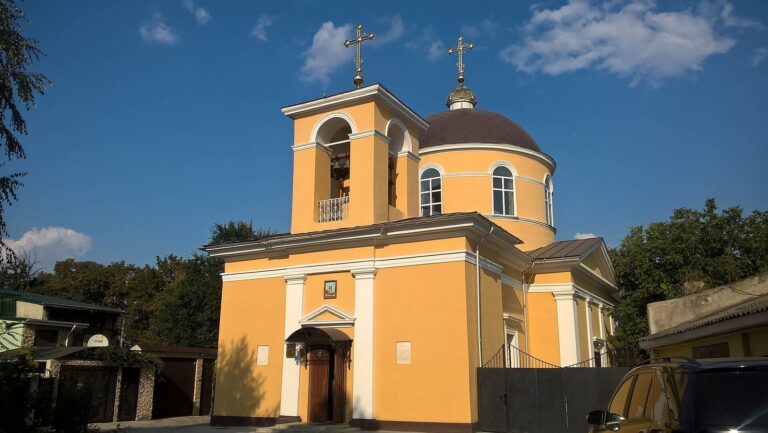
When worship resumed, the chapel’s dedication changed to All Saints Glorified in Moldova. It remains an active Orthodox church within the Chișinău diocese of the Moldovan Orthodox Church. Its feast is observed on the first Sunday after Pentecost, known in the Orthodox calendar as All Saints Sunday.
The chapel is recognized as a national-level architectural monument and is included in Chișinău’s Register of Monuments of History and Culture.
Remains
Chapel architecture
Plan and interior
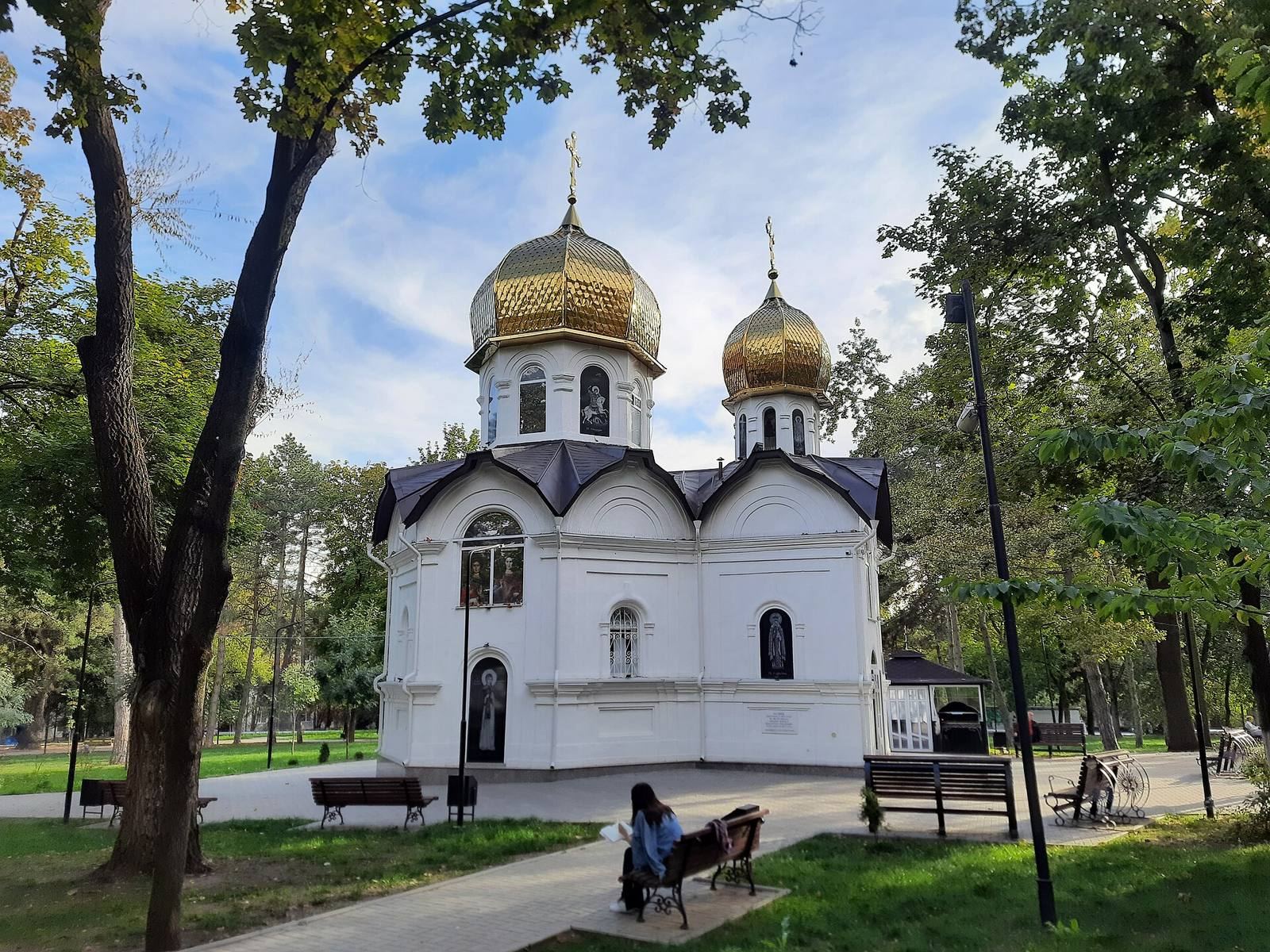
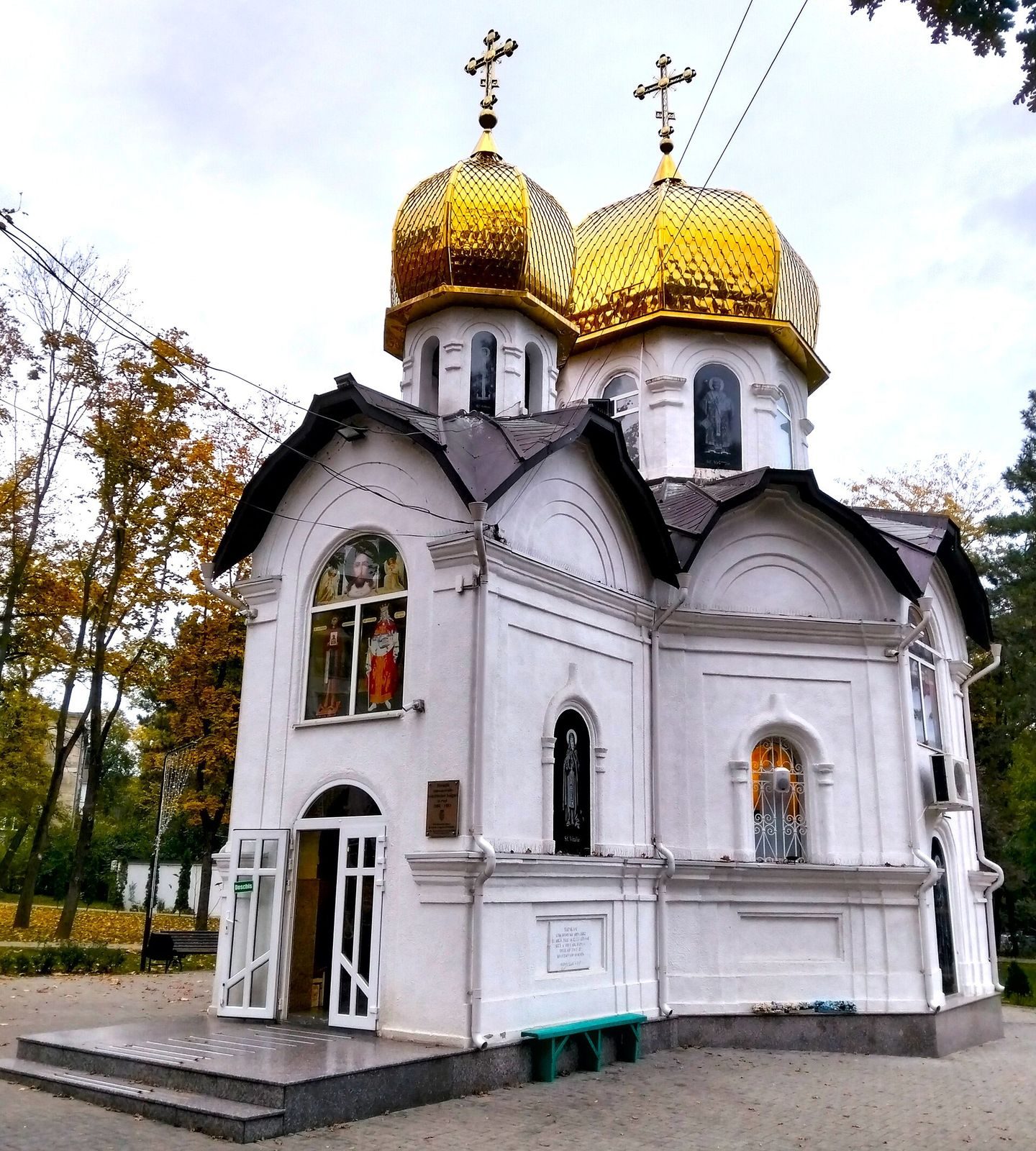
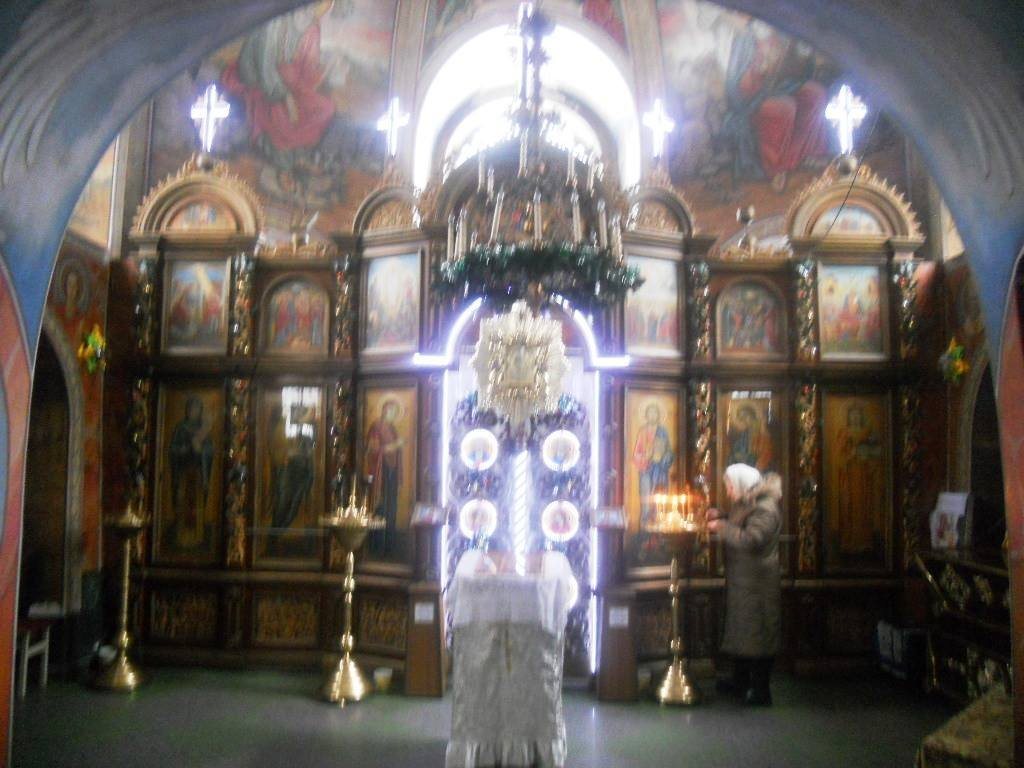
Within Shipka Memorial Park, the chapel has an eight-sided plan and a single worship room. The interior contains one altar and one iconostasis, a screen bearing sacred icons.
Roof and later alterations
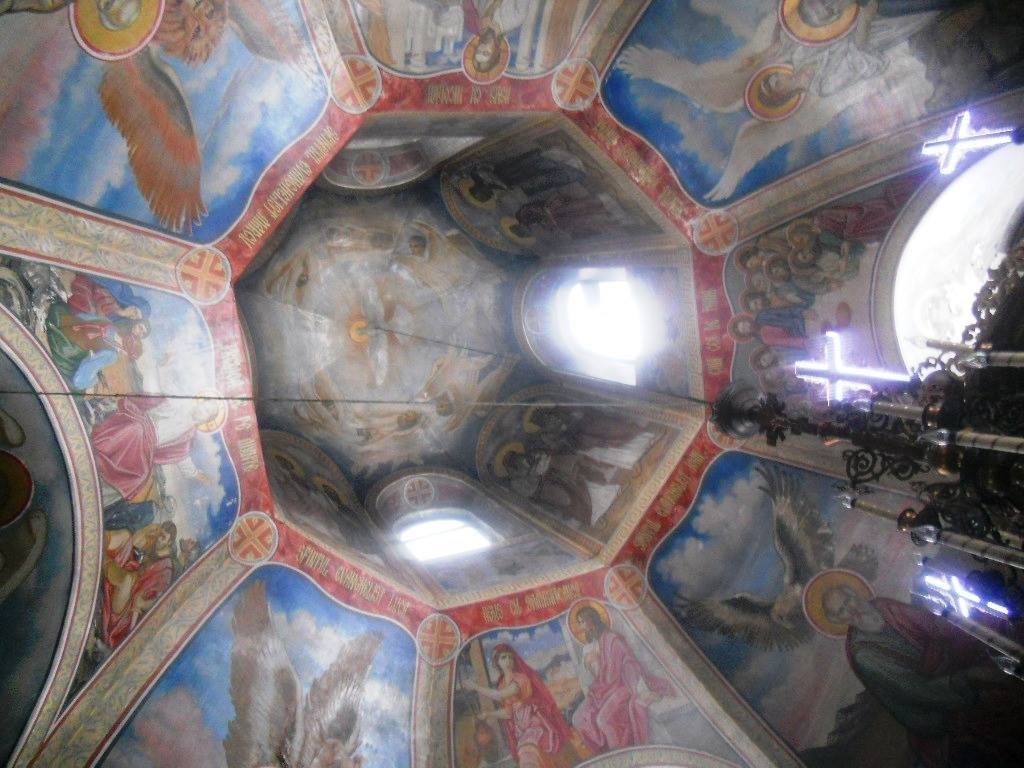
The building has a dome and a helmet-shaped roof crowned by a lantern. An additional section built in front of the entrance during the 1990s repeats the sculpted ornament of the earlier building. The chapel was enlarged again in 2011; both enlargements proceeded without authorization from Moldova’s Ministry of Culture and despite protests by urban activists. Later alterations also introduced new painted interior decoration.
Memorial and museum features
Volunteer obelisk
An obelisk commemorating the Bulgarian volunteers was erected near the chapel in 1966.
Former museum displays
During its museum use, the chapel displayed battle banners from several Russian regiments that fought in the war. The exhibits also included objects from the collection of a war participant whose age was given as 114.