St. Haralambios Church in Chișinău: An Orthodox Church Built in 1836
Site at a Glance
- Popularity
- Very Low
- Country
- Moldova
- Primary era
- Modern
- Eras represented
- Modern
- Civilizations
- Russian
- Site type
- Religious
- Remains
- Church
On this page6 sections
History
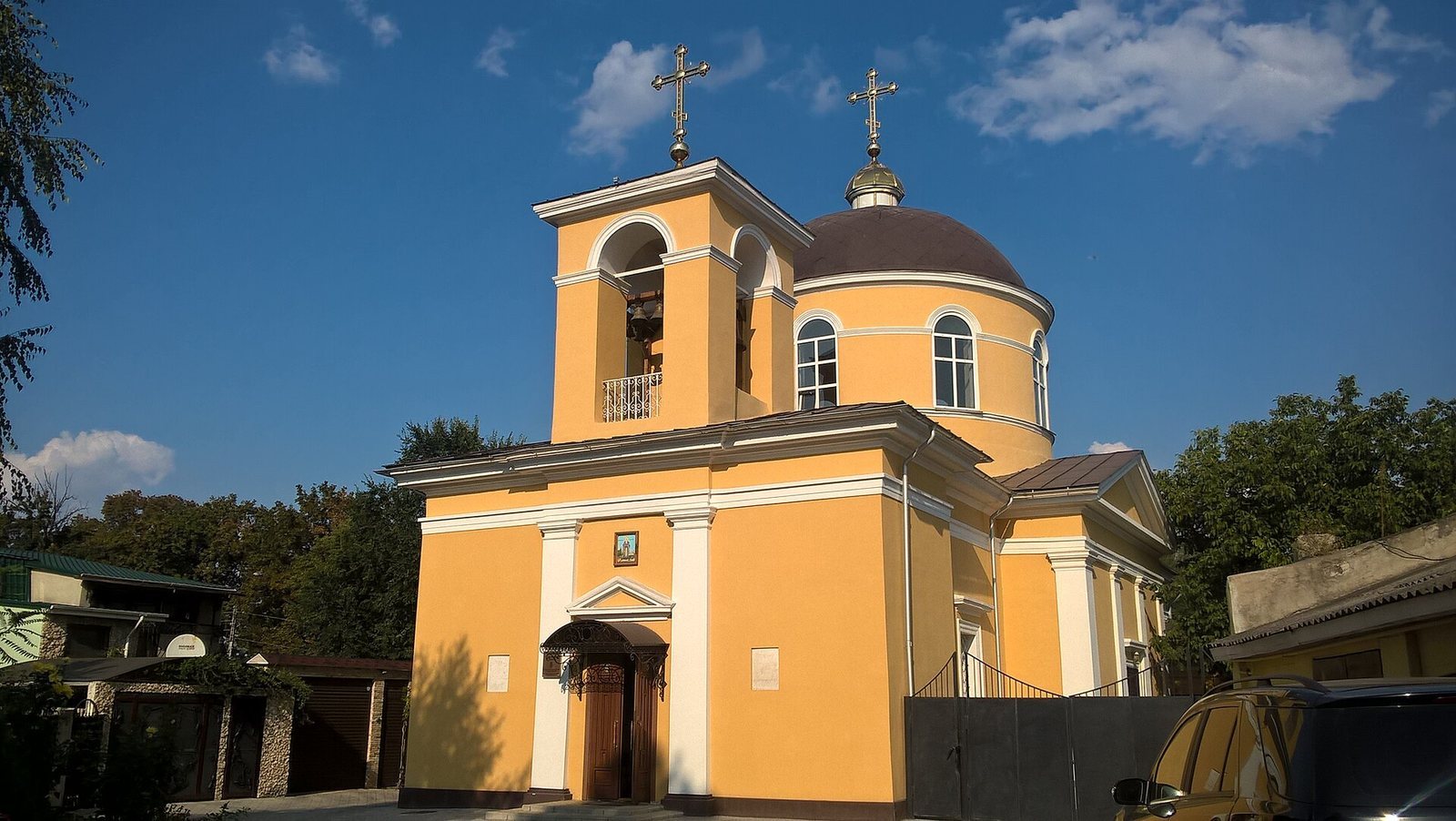
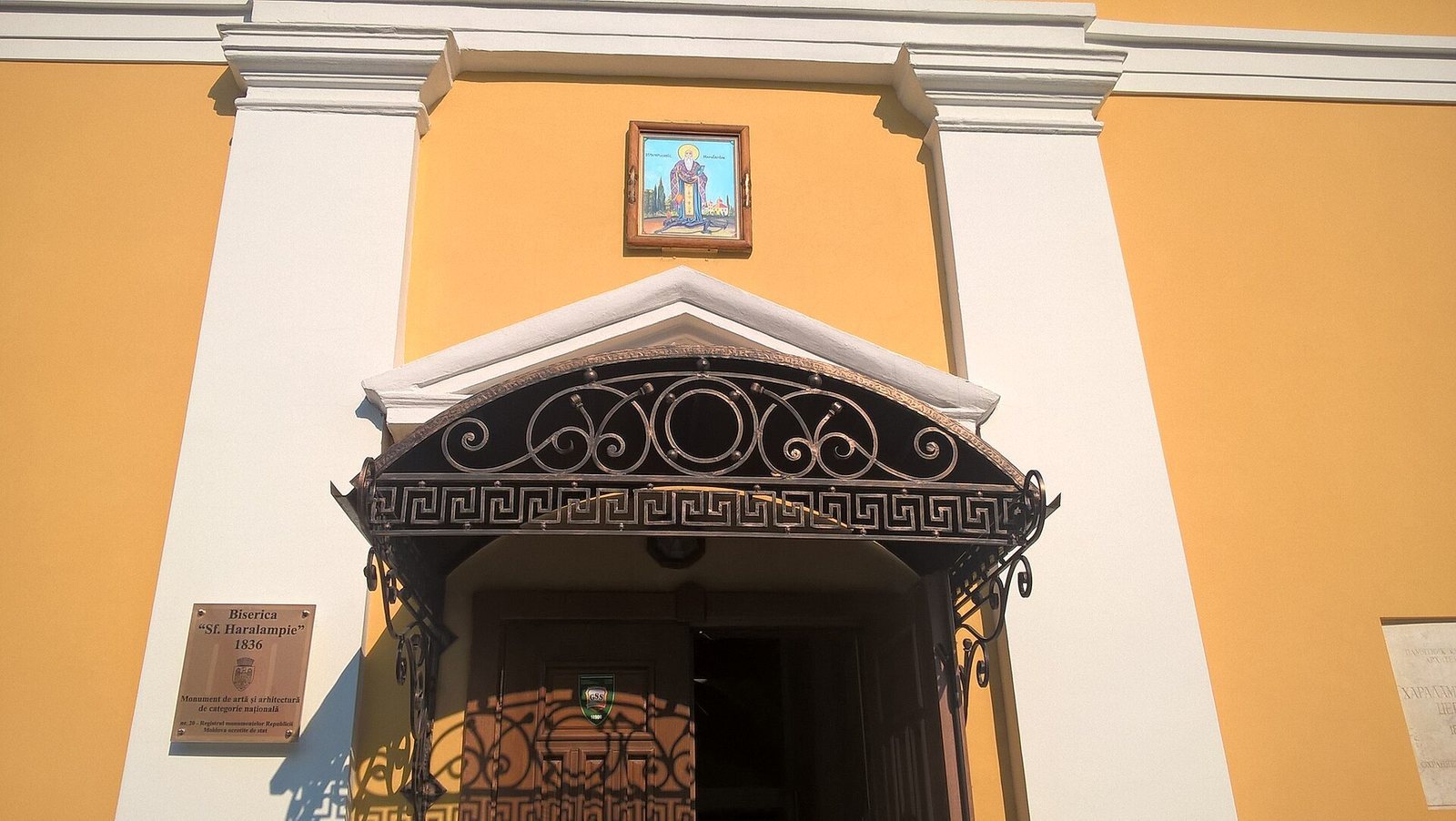
St. Haralambios Church is an Orthodox church in Chișinău, Moldova, built in 1836 in a neoclassical style drawing on ancient Greek and Roman forms. A cemetery occupied the site before the nineteenth century, and a wooden Orthodox church probably stood there before the present building. The merchant Haralambie built the church with private funds from himself and his wife, Maria, and dedicated it to Saint Haralambos, a Christian martyr venerated in Eastern Christianity who was also Haralambie’s patron saint.
Soviet closure and return to Orthodox use
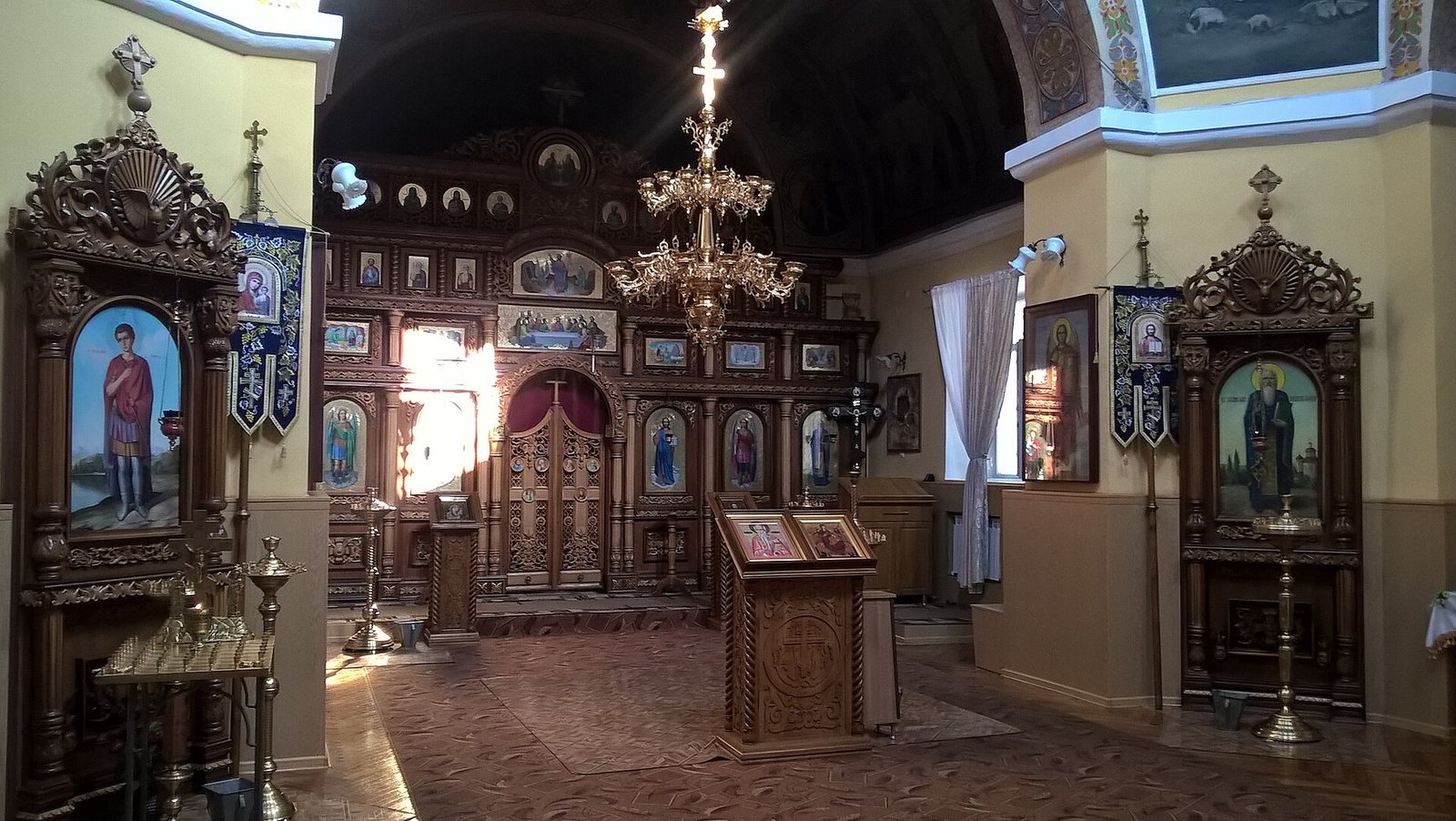
The church was closed during the Soviet period and converted into the Danko Theatre. It was returned to the Orthodox Church in 1993, when repairs and the refurnishing of its interior for worship began under an archpriest. The church belongs to the Chișinău Eparchy, an ecclesiastical district comparable to a diocese, within the Moldovan Orthodox Church, which is part of the Russian Orthodox Church. Saint Haralambos’s religious commemoration falls on 10/23 February. Moldova recognizes the church as both a monument of art and an architectural monument.
Remains
Architecture and layout
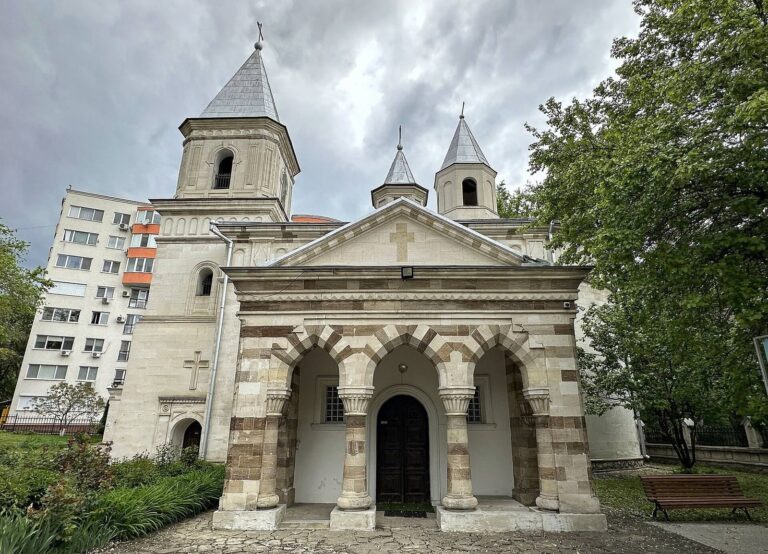
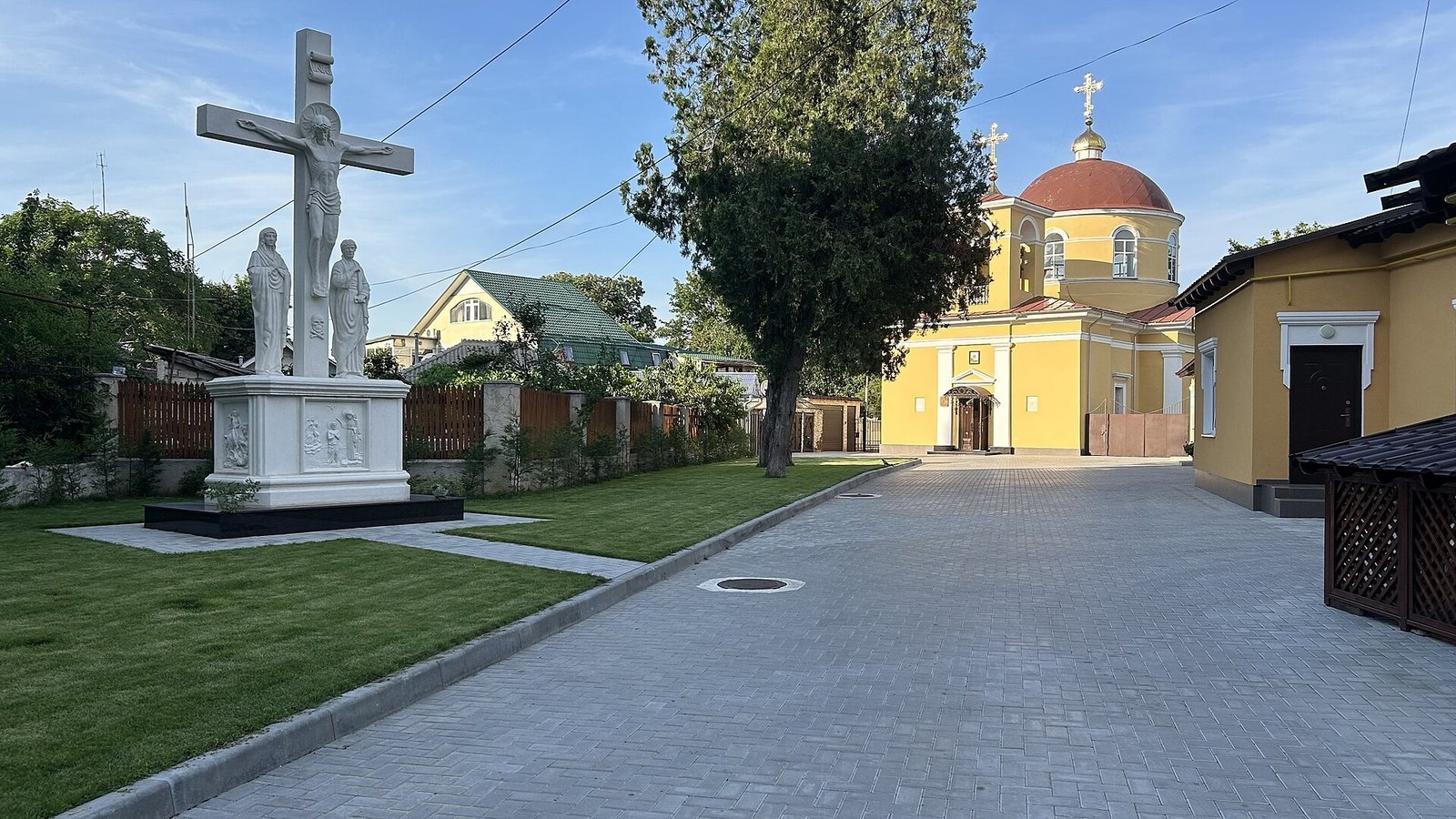
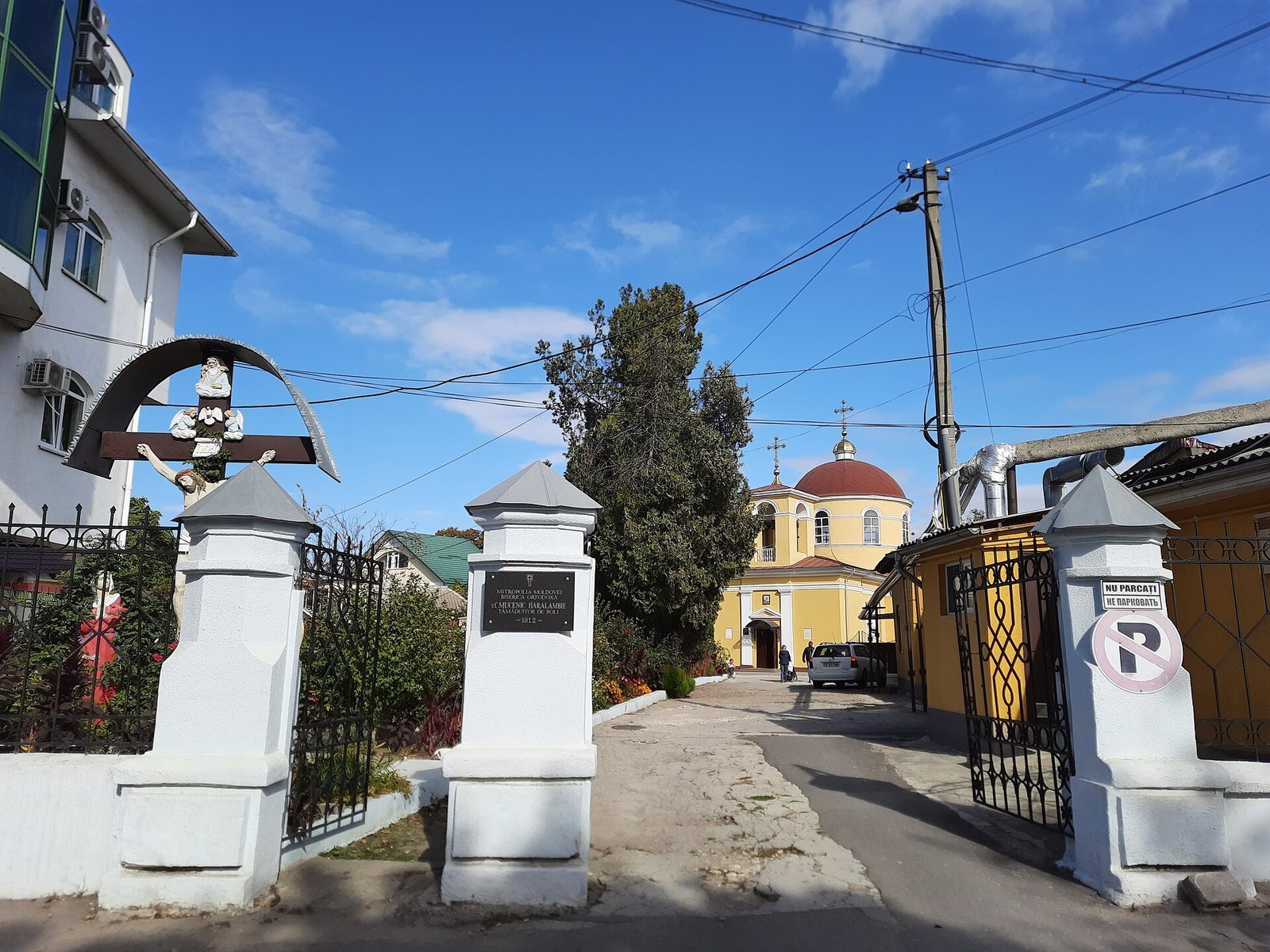
The brick church has a cross-shaped plan, with two naves, or lengthwise divisions of the worship space, and one altar. A single dome rises above the crossing of the main and side naves, supported by a broad circular drum (round support beneath a dome) with arched windows. A bell tower sits above the entrance hall. Pilasters (shallow, column-like features attached to a wall) decorate the exterior, and triangular pediments (features above entrances) crown the side entrances beside the side nave.
Interior inscription
A plaque inside the church bears an inscription stating that an earlier church was completed in 1812.
Grave marker
A grave marker dated 1747 was found buried in the courtyard of a house near the church in March 1899. Its Moldovan inscription identifies Smaragda as the wife of Ștefan Poleitul. The marker was transferred to the museum of the Bessarabian Scientific Archival Commission, a regional learned body concerned with historical and archival material.