Bučovice Chateau: A Mannerist Renaissance Residence in Czechia
Site at a Glance
- Popularity
- Medium
- Country
- Czechia
- Primary era
- Early Modern
- Eras represented
- Early Modern
- Civilizations
- Habsburg, Habsburg Austria, Holy Roman Empire, Margraviate of Moravia
- Site type
- Domestic
- Remains
- Castle
On this page8 sections
History
Construction in the late sixteenth century
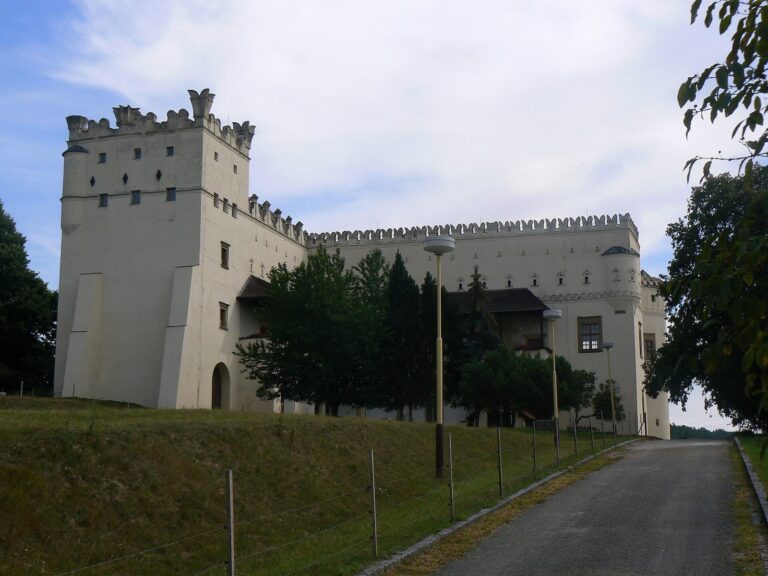
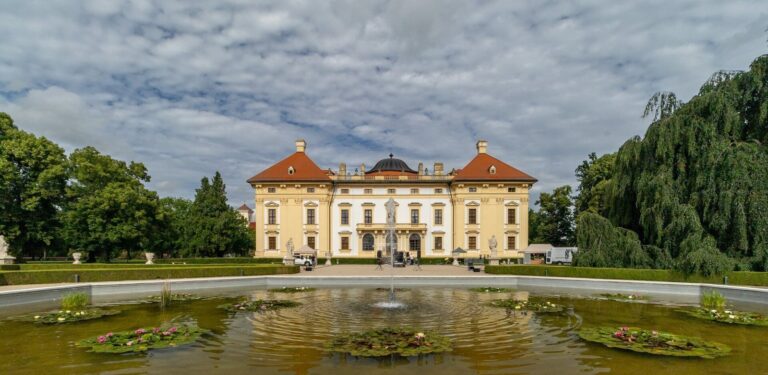
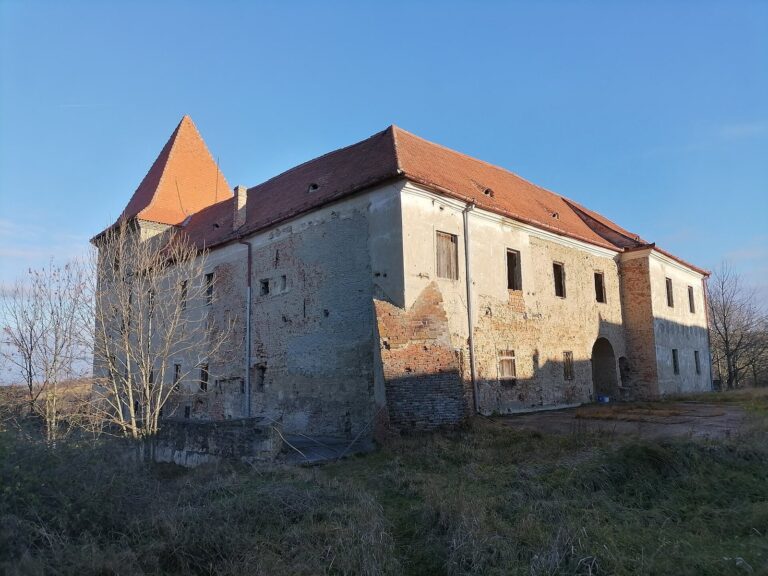
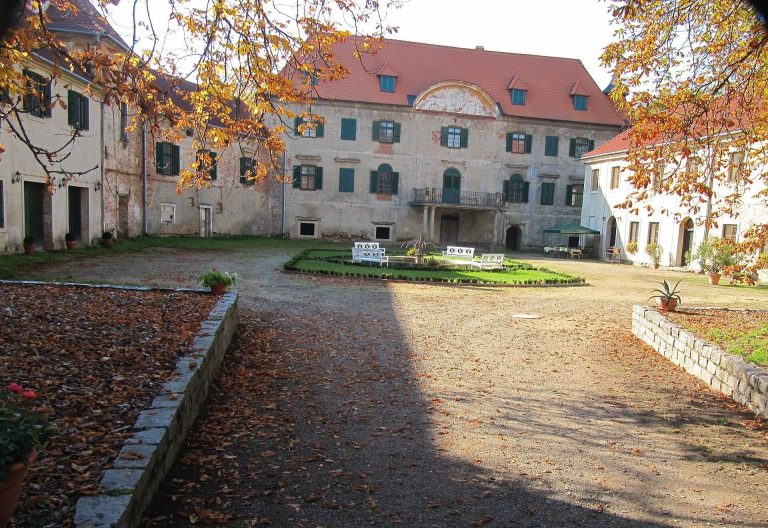
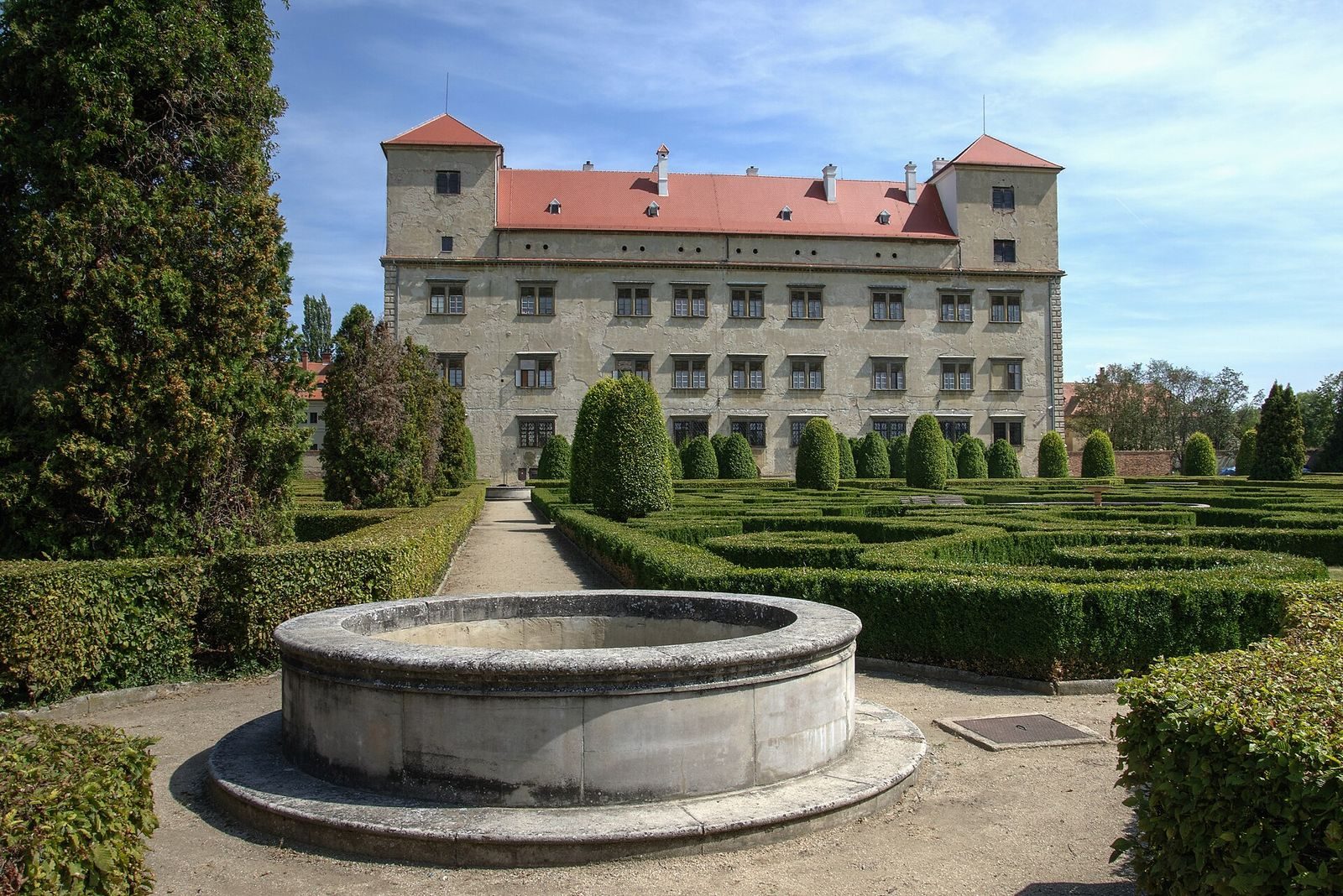
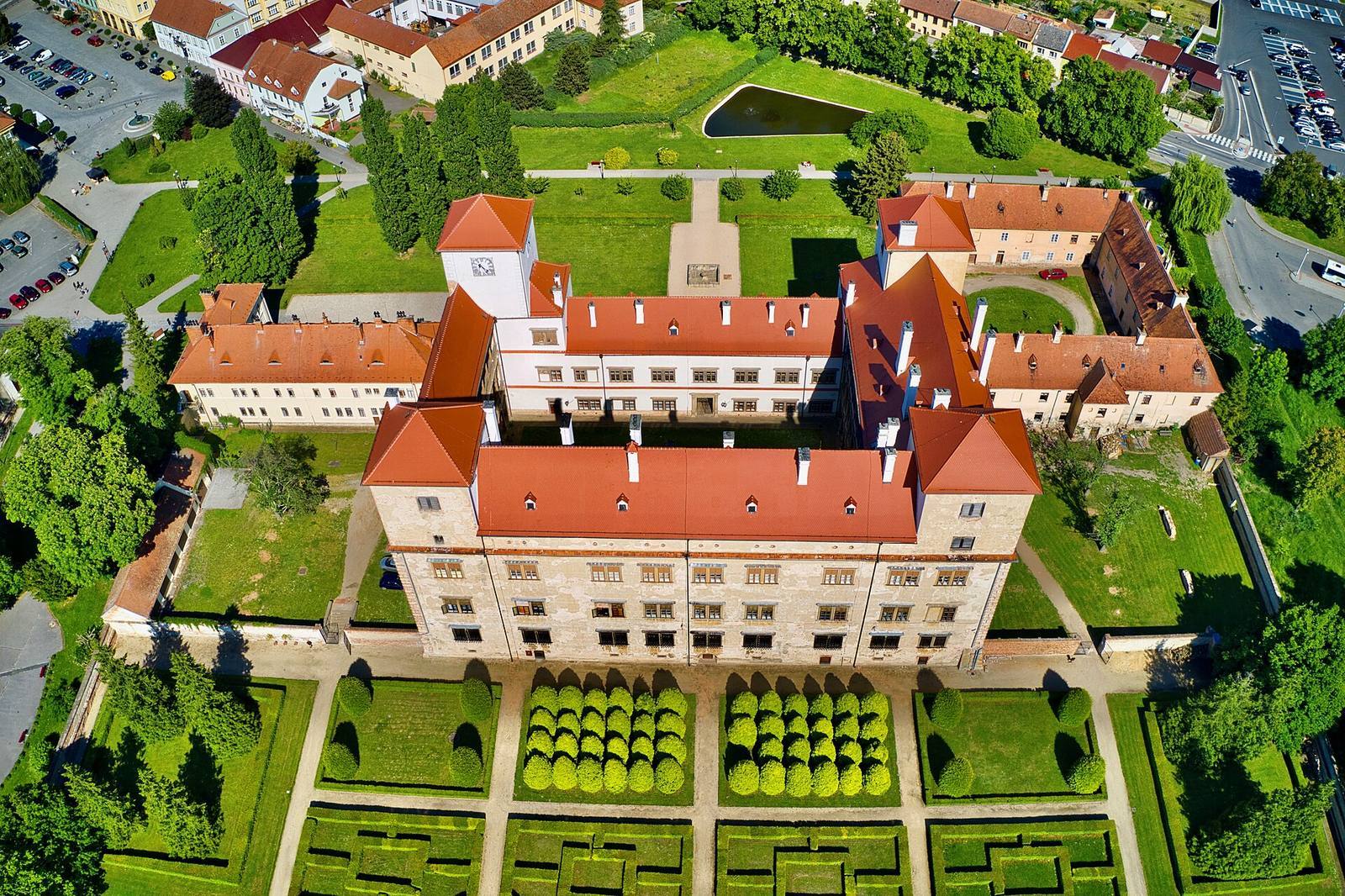
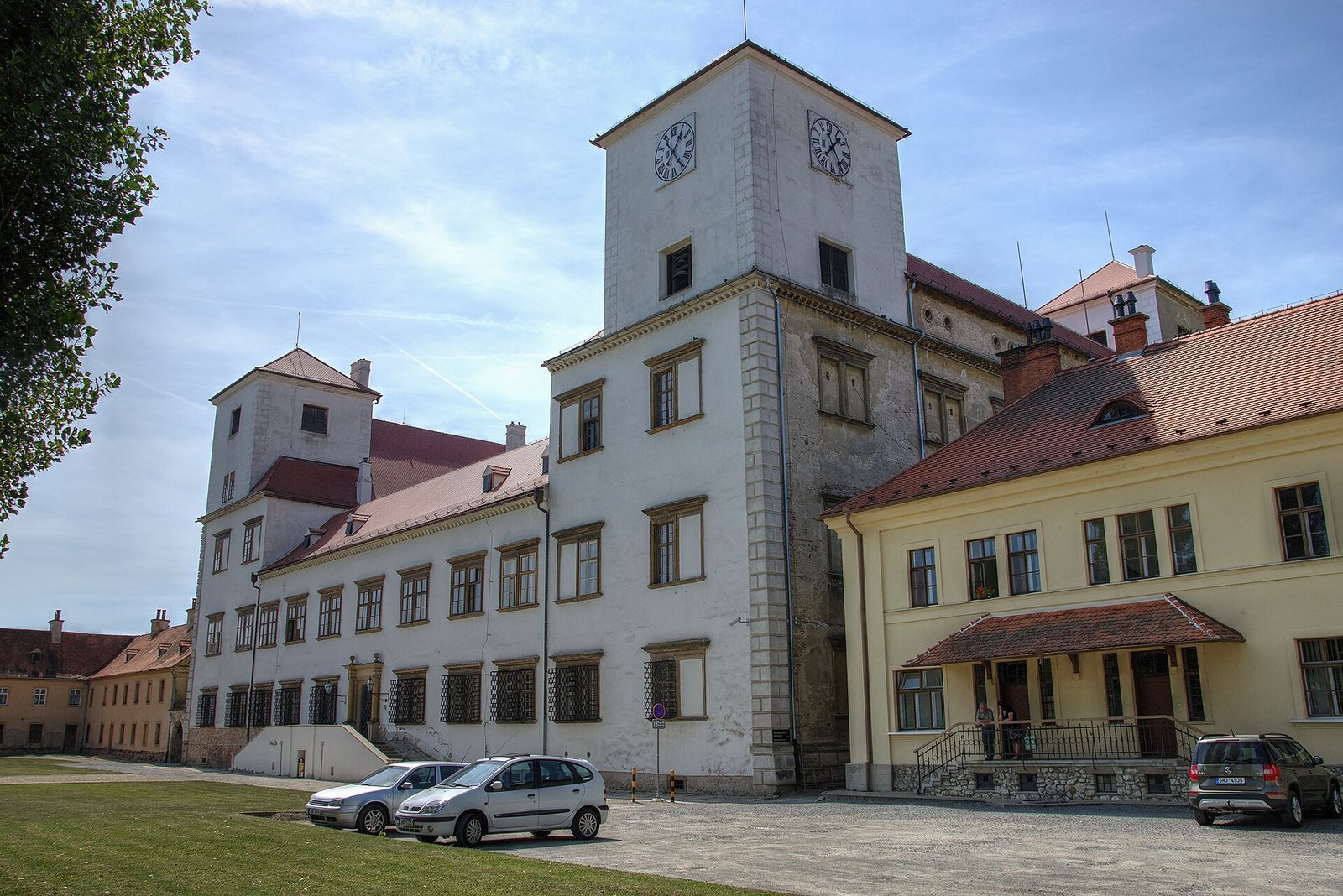
Bučovice Chateau is a Renaissance residence in the town of Bučovice, Czechia, built by Moravian nobleman Jan Šember von Boskovic. Pietro Gabri, an Italian architect working in Brno, designed it between 1575 and 1585. Its Mannerist character, a later Renaissance style marked by deliberate departures from classical conventions, reflects the taste of Šember and Jacopo Strada, an Italian Renaissance artist and antiquarian. The chateau followed an Italian model for a palace conceived as a fortified residence, but was built on open ground rather than over an earlier castle’s foundations.
Seventeenth-century events and later use
In 1635, Prince Maximilian von Liechtenstein commissioned a monumental Bacchus fountain for the courtyard. Bacchus was the Roman god of wine. Giovanni Giacomo Tencalla designed the fountain, and Pietro Maino Maderno, a sculptor at the Viennese court, made it.
On 22 June 1645, the chateau resisted an attack by a numerically superior Swedish force while the town was plundered. The Liechtenstein family left the chateau in 1681. From 1720, the building housed the Liechtenstein administration.
Remains
Courtyard and arcades
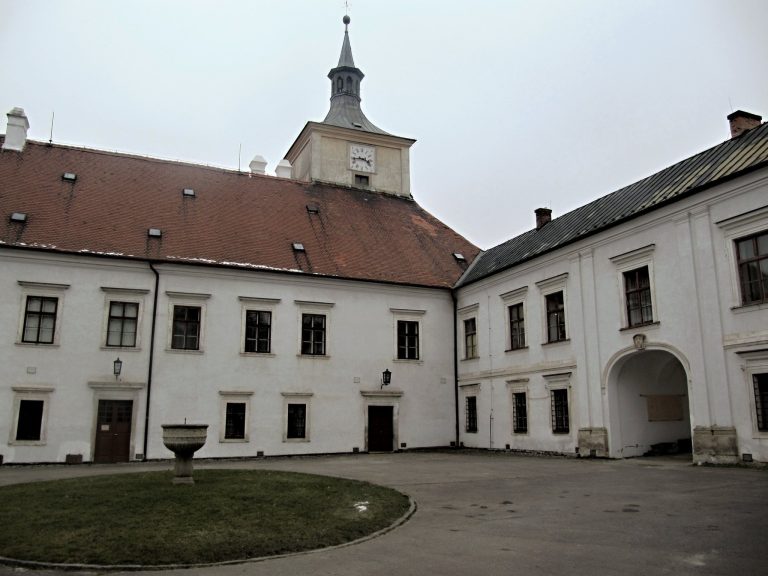
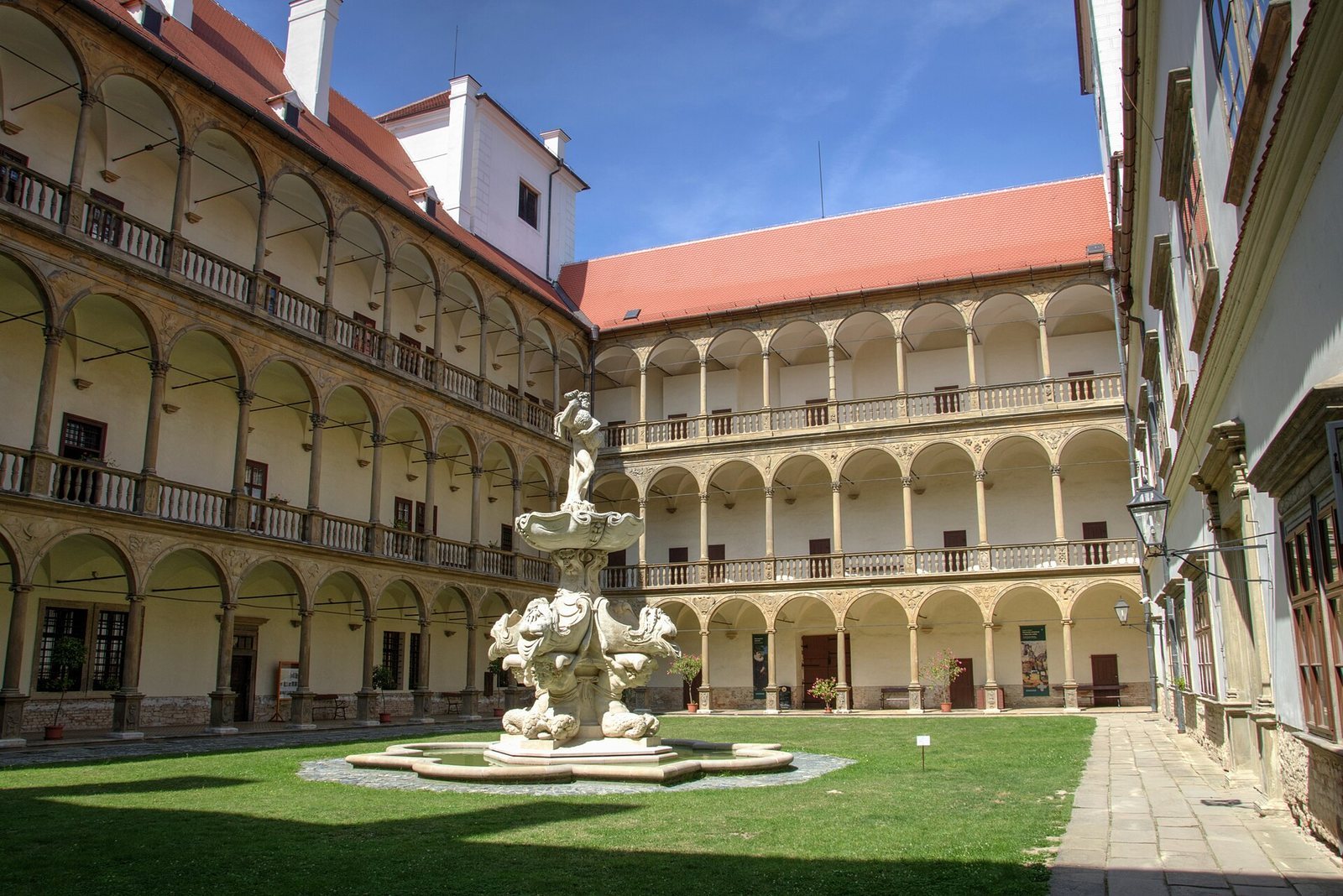
Three wings of equal width form a rectangular courtyard. On the fourth side, a solid wall stands behind a row of arches supported by columns. The arrangement of the arcade deliberately departs from the prescribed classical orders. Doric columns, a plain classical type, are omitted; Ionic capitals (scroll-shaped column tops) appear on the ground floor, while Corinthian capitals (leaf-decorated column tops) are used above. The slender columns give the arcades a light appearance.
Exterior galleries
Several levels of exterior galleries, or passageways, run around the building. Together they form a multistorey system of walkways along its outer walls.
Imperial Rooms and Bird Room
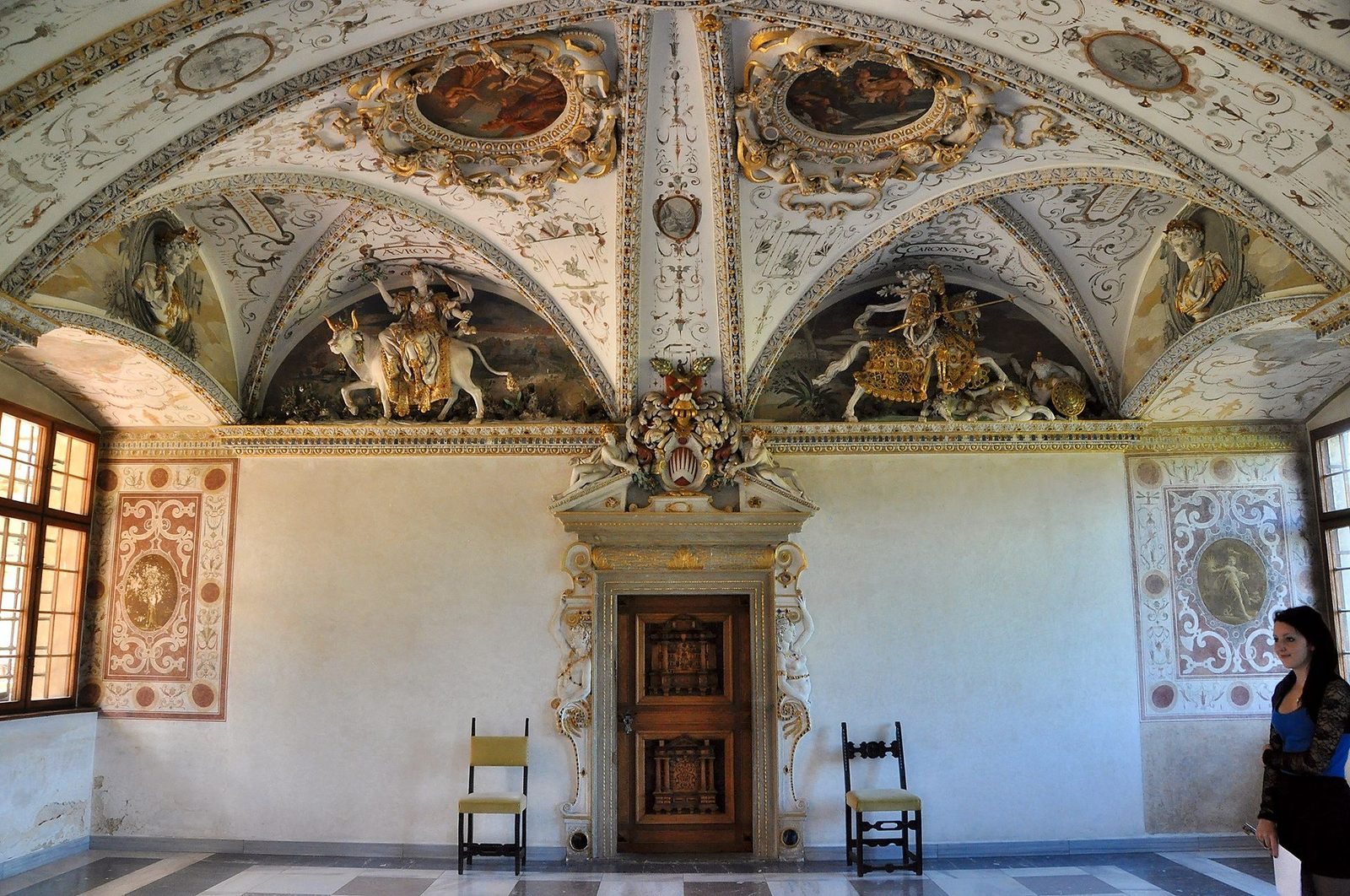
The Imperial Rooms and Bird Room have a form unique in Bohemia and Moravia. In the Imperial Rooms, the vaults carry painted grotesque ornament, a decorative scheme of fanciful forms, alongside three-dimensional stucco equestrian figures, some partly gilded. The figures represent Diana and Mars, Roman deities, Europa from Greek mythology, and Charles V, the Habsburg Holy Roman Emperor.
Bacchus fountain
The fountain is made of Zogelsdorf stone, also known as Eggenburg stone. Its sculptural composition includes winged mermaids seated on dolphins and attached to a column shaft. Above them, small basins are formed in the heads of spiraling dragon figures. A curved, shell-like bowl crowns the fountain, decorated with mask-shaped ornaments and a Bacchante, a female follower of Bacchus.