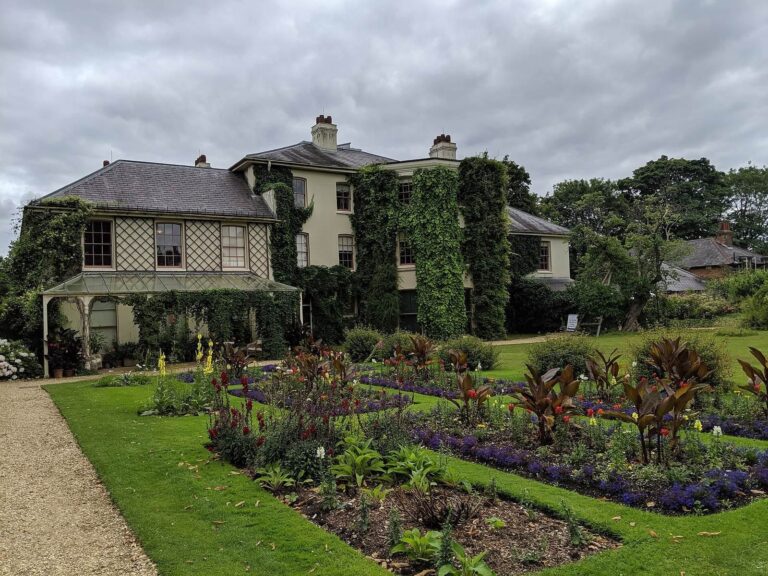
Bromley Palace: Former Residence of the Bishops of Rochester
Site at a Glance
- Popularity
- High
- Country
- United Kingdom
- Primary era
- Early Modern
- Eras represented
- Early Modern, Modern
- Civilizations
- British
- Site type
- Religious
- Remains
- Palace
On this page7 sections
History
Medieval estate and episcopal residence
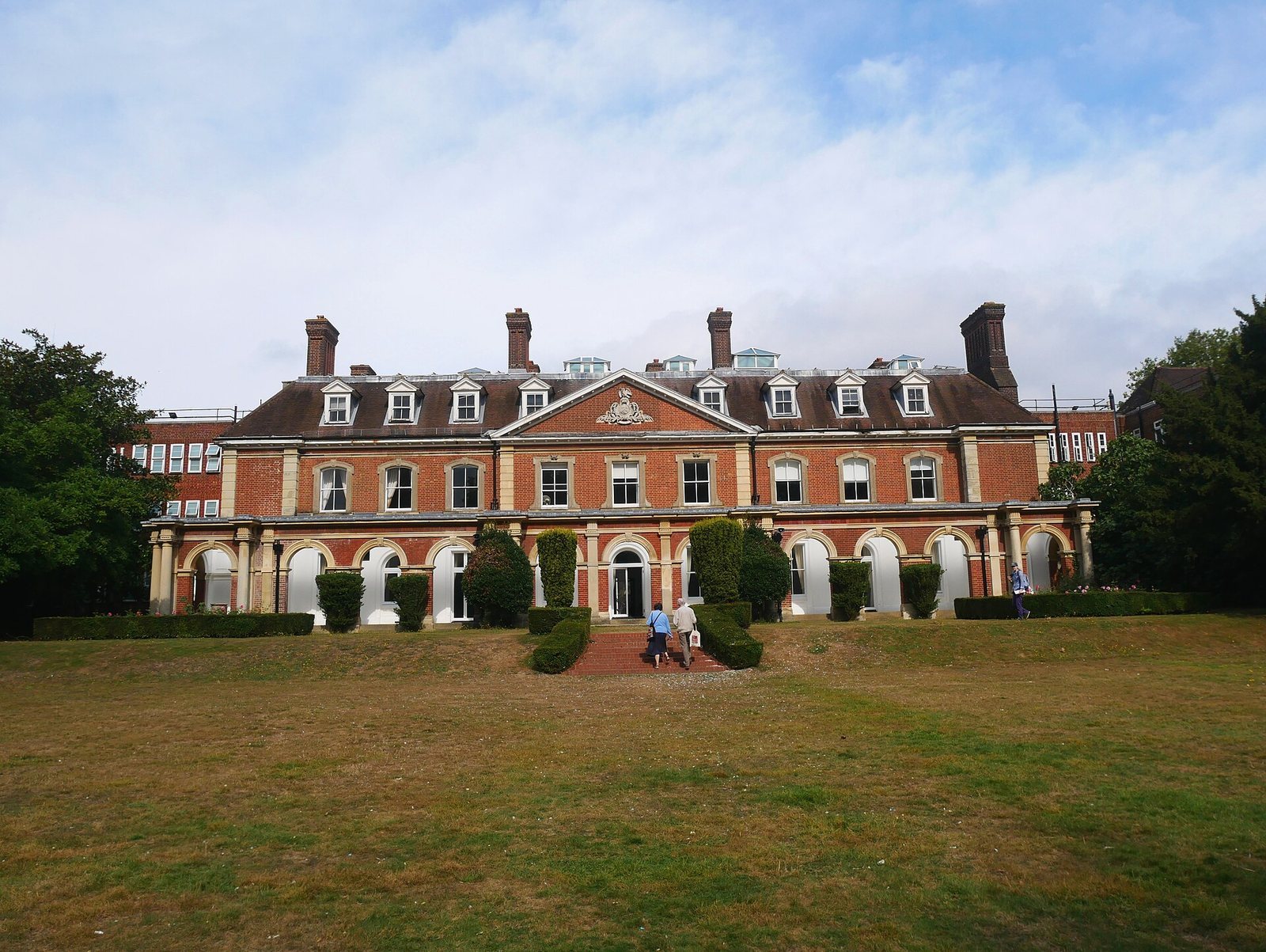
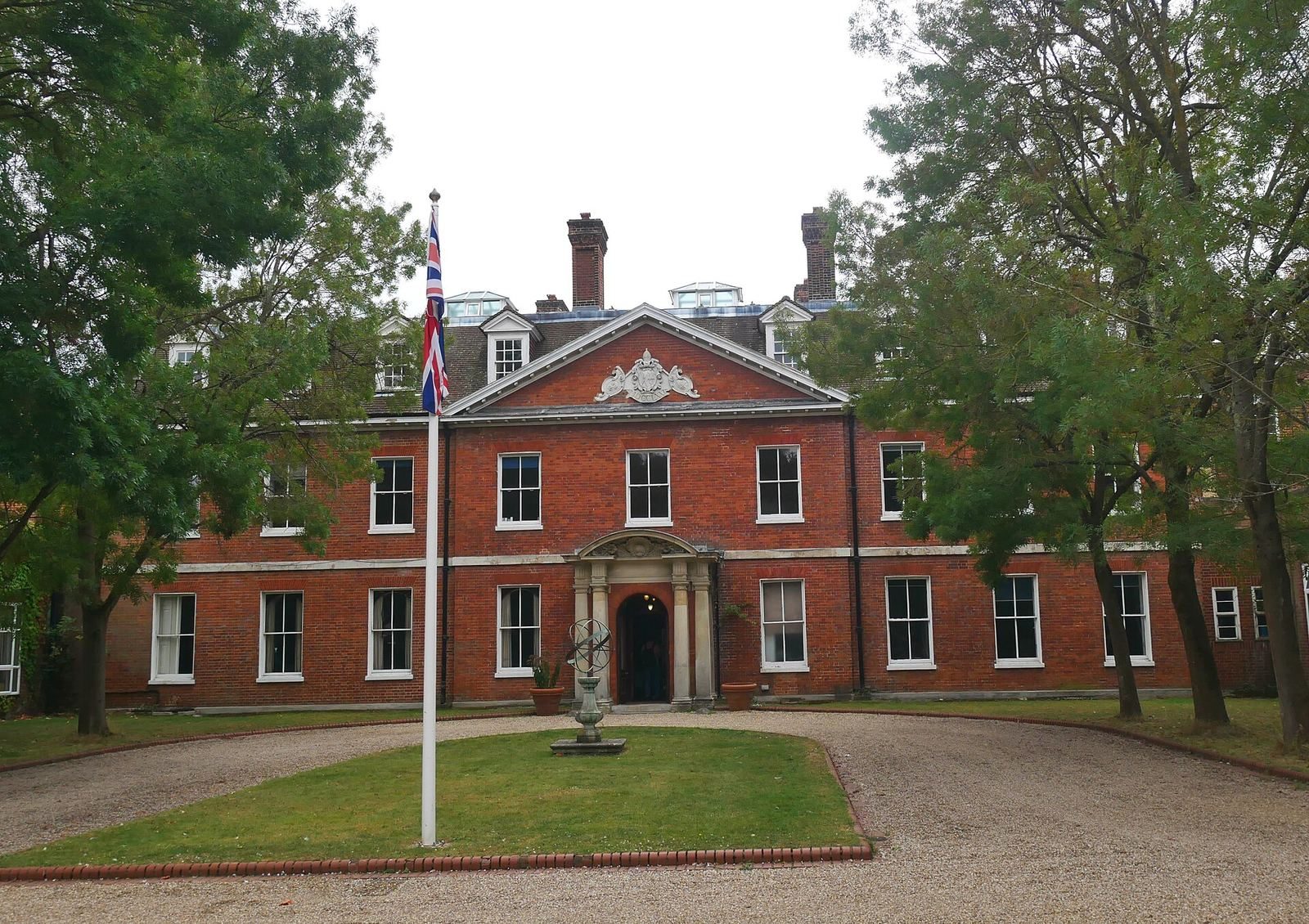
Bromley Palace, also known as the Bishop’s Palace, is a manor house in Bromley, United Kingdom, that served as the residence of the Bishops of Rochester from the 12th century until 1845. Its history began with grants of land that formed the Manor of Bromley. In the eighth century, Æthelbert II of Kent granted six sulings, an Anglo-Saxon unit of land assessment, to Eardwulf, Bishop of Rochester. In 862, Æthelberht, king of Wessex and Kent, granted ten sulings there to his minister Dryhtwald. Edgar, king of England, later granted ten sulings to Bishop Ælfstan in 967 in exchange for a large quantity of gold and silver.
In 987, a dispute between King Æthelred the Unready and the Bishop of Rochester resulted in the land being seized and given to the king’s minister Æthelsine. A royal act of contrition brought it back to the bishop in 998. After the Norman Conquest, which placed England under Norman rule, Bishop Odo of Bayeux tried to take the estate. Lanfranc, Archbishop of Canterbury, intervened and restored it to the Diocese of Rochester, the church jurisdiction overseen by the Bishop of Rochester.
The manor was regarded as poor land, with little value for either pasture or crops. A manor house was probably built there around 1100, though its sometimes-mentioned attribution to Bishop Gundulph is considered unlikely. By the time Bishop Waleran died in 1184, the house had fallen into disrepair. His successor, Gilbert Glanvill, ordered it rebuilt in a more spacious form. The grounds became a place of pilgrimage for centuries.
Seventeenth- and eighteenth-century changes
During the English Civil War, a conflict between royalist and parliamentary forces, an act requiring the disposal of certain church properties led to the Manor of Bromley being sold to Augustine Skinner in 1648. The estate returned to the Diocese of Rochester in 1660, when the monarchy was restored under Charles II and John Warner was Bishop of Rochester. In 1669, Bishop Sprat ordered the chapel to be demolished and rebuilt; the replacement was consecrated in 1701, and improvements were made to the grounds.
Further additions and improvements took place during the episcopates of Francis Atterbury, from 1713 to 1723, and Joseph Wilcocks, from 1731 to 1756. By 1774 the palace was in poor repair, and Bishop John Thomas ordered it demolished and rebuilt. In 1845, the Bishops of Rochester sold the property to Coles Child, a wealthy local businessman. The Coles family lived at the palace and held the lordship of the manor.
Education and civic use
In the 1920s, the house became a girls’ finishing school. Stockwell College of Education, a teacher-training college, took over in 1935. During the Second World War, Stockwell College moved temporarily to Watcombe Park in Devon, from 1940 to 1945. Bishop Otter College of Chichester, whose premises had been requisitioned by the Air Ministry, used Bromley Palace until 1944.
Kent County Council took control of the property in 1960. Stockwell College closed in 1980, and the London Borough of Bromley acquired the building in the early 1980s as part of a wider civic-centre redevelopment. The council moved from its town hall into the enlarged complex in 1982.
Remains
Palace and chapel
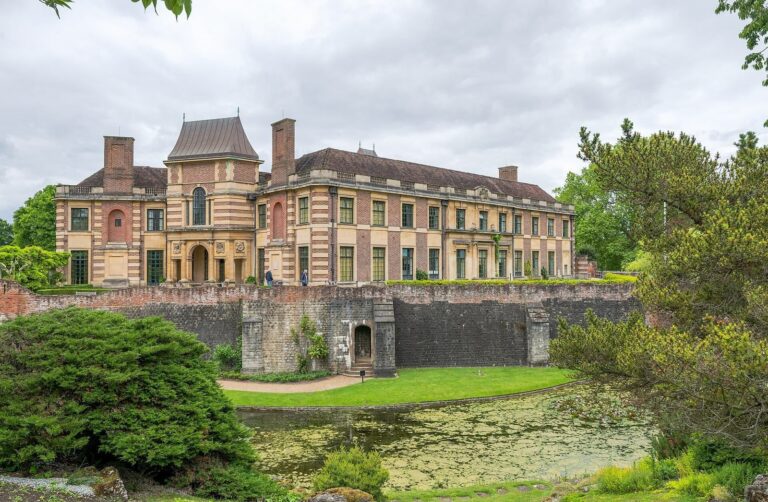
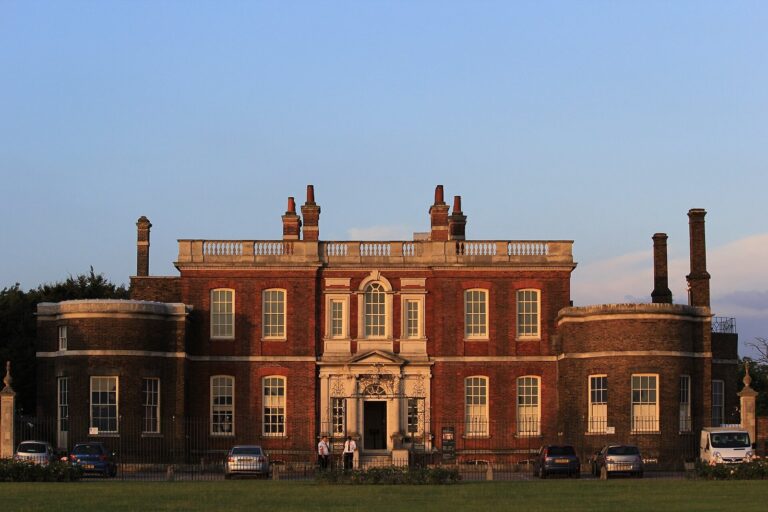
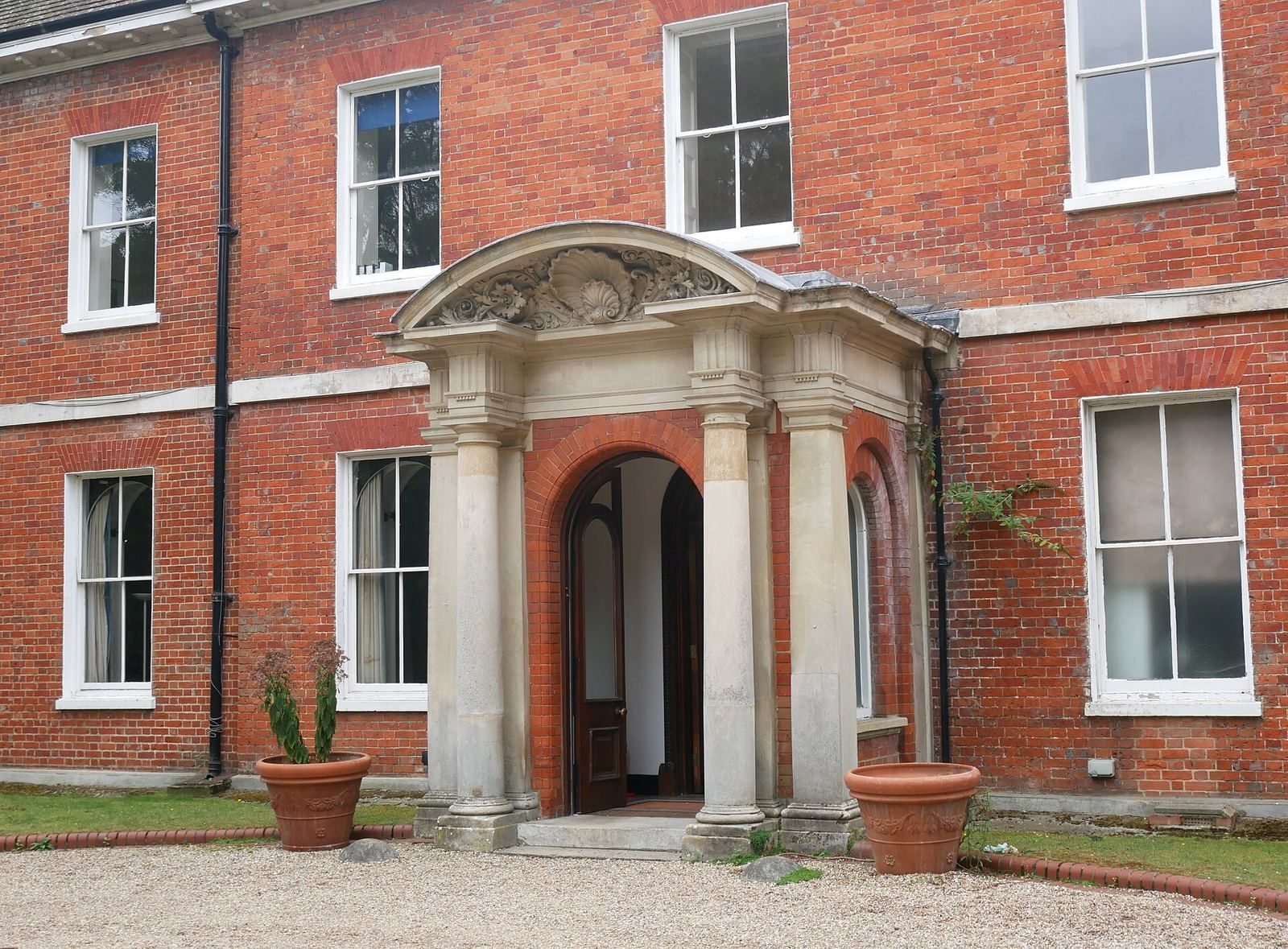
The manor house has been altered and enlarged in successive phases. Remodelling in 1863 is reportedly attributable to Richard Norman Shaw, while work dated to 1903 and the 1920s is reportedly associated with Ernest Newton. Extensions followed in 1935 and 1960, and a large addition was built in the early 1980s for the civic-centre development. The earlier chapel had oak wainscoting that rose to a height of eight feet.
Parkland and devotional features
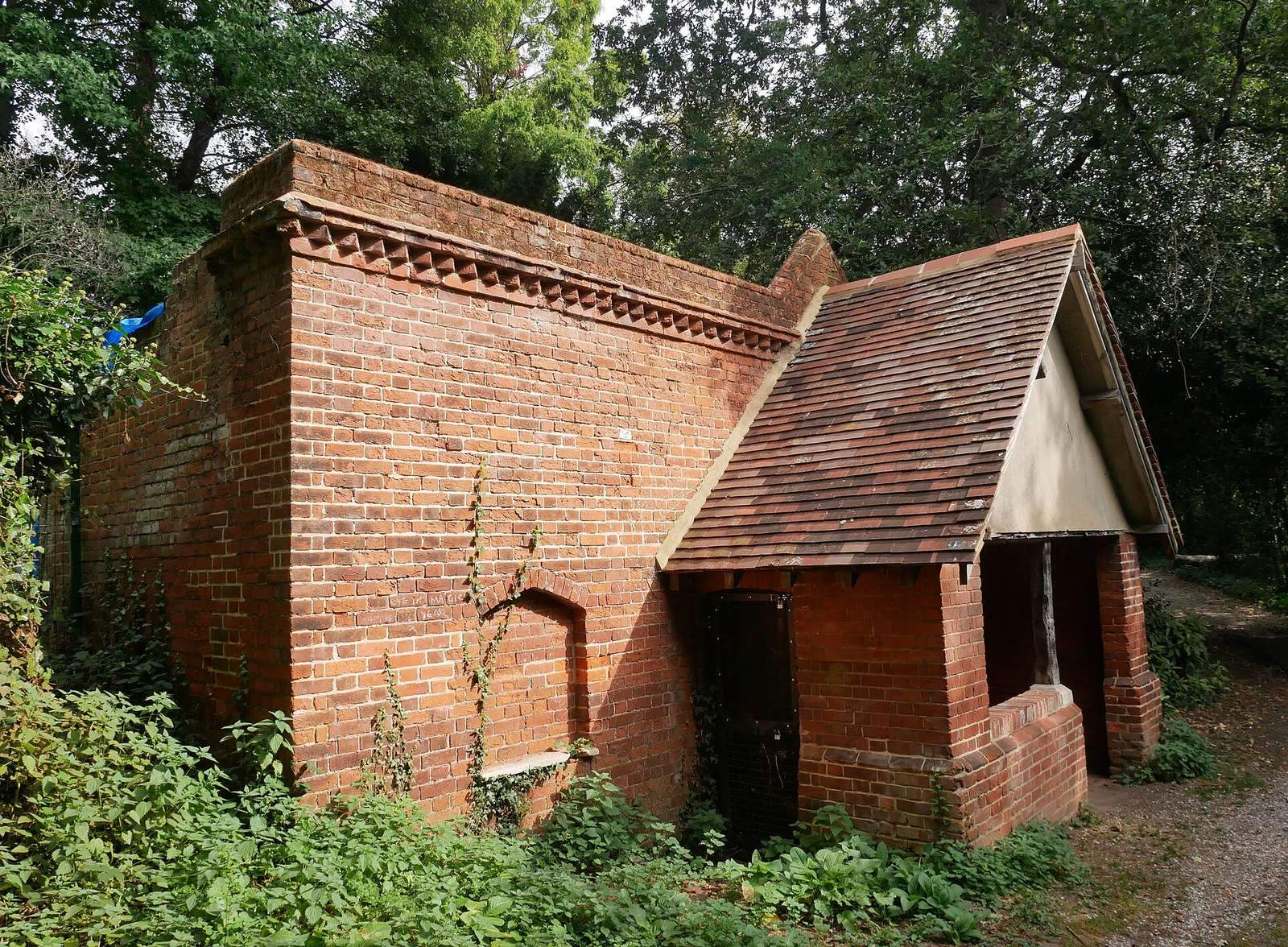
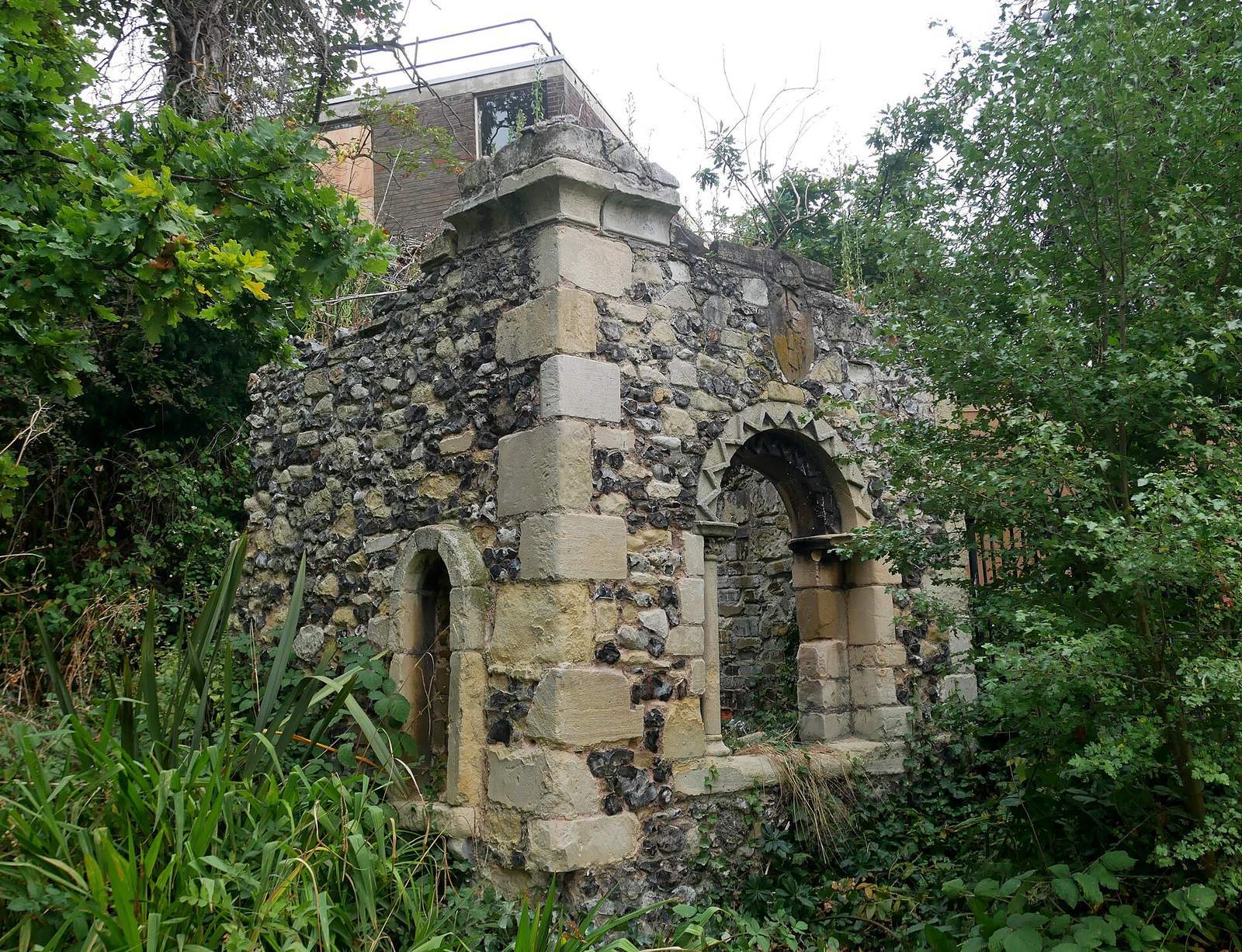
A small remnant of the original parkland survives immediately around the palace. Its features include lawns, a lake, belts of mature trees, a boathouse, Pulhamite rockeries (artificial rockwork used in designed landscapes), an ice house and a folly, a decorative structure. The historic grounds also included the Holy Well and an oratory, a small place for prayer, dedicated to Saint Blaise.